
Best True Crime Books to Read in 2026: The Most Gripping Nonfiction Crime Books Right Now
1) The nightstand full of danger
There is something uniquely intimate about reading true crime. A documentary can wash over you. A podcast can keep you company on a walk. But a book sits inches from your face in the dark and asks you to stay with the facts longer than comfort would prefer. That is why the best true crime books 2026 is giving us do not feel like disposable trend pieces. They feel like long investigations, private hauntings, and, in the best cases, moral arguments disguised as page-turners.
As of April 2026, the field looks unusually strong. CrimeReads’ spring roundup points to a season packed with “dogged modern investigations,” historical enigmas, organized-crime histories, and books about miscarriages of justice. In other words, true crime readers are not just chasing lurid murders anymore. They are chasing systems, motives, power, and the stories that official narratives failed to finish.
That shift matters. The true crime books to read now are not merely the bloodiest or the most famous. They are the books that understand crime as a lens on class, extremism, corruption, gender, grief, and memory. Some are brand-new 2026 releases. Others are modern essentials that still feel sharper than most of what arrives each season. Together, they make this a very good year to clear your weekend and ruin your sleep.
2) Why true crime books still matter in 2026
If podcasts own the commute and streaming owns the couch, books still own depth. A well-reported true crime book has room for legal history, contradictory testimony, institutional context, and the slow accumulation of detail that makes a case feel real rather than theatrical. That is one reason the genre keeps renewing itself even as audio and TV multiply around it.
The strongest 2026 titles also suggest readers want more than sensation. CrimeReads’ list this spring stretches from Shelley Puhak’s The Blood Countess to Eric Lichtblau’s American Reich, William J. Mann’s Black Dahlia, Benjamin Hale’s Cave Mountain, Elliot Williams’s Five Bullets, and Rick Tulsky’s Injustice Town. That is not one flavor of darkness. It is a broad appetite for books about ideology, wrongful conviction, historical myth, disappearance, vigilantism, and the way institutions decide which truths deserve oxygen.
Books also age differently than other formats. A strong series can dominate a weekend and vanish from conversation two months later. A strong nonfiction crime book can keep gaining power because its reporting remains useful after the headlines cool. That is why books like Say Nothing and Empire of Pain still feel central in 2026. They are not just gripping stories. They are frameworks for understanding how violence and impunity travel through families, governments, and communities.
So when readers ask for the top nonfiction crime books, what they are often really asking is this: which books will give me both propulsion and perspective? Which ones will keep me turning pages, then keep echoing after I close the cover? In 2026, the answer is unusually rich.
3) What makes a true crime book worth reading now?
A true crime book can be factually impressive and still feel dead on the page. It can also be compulsively readable and ethically hollow. The best books find a harder balance.
The six things the best crime nonfiction gets right
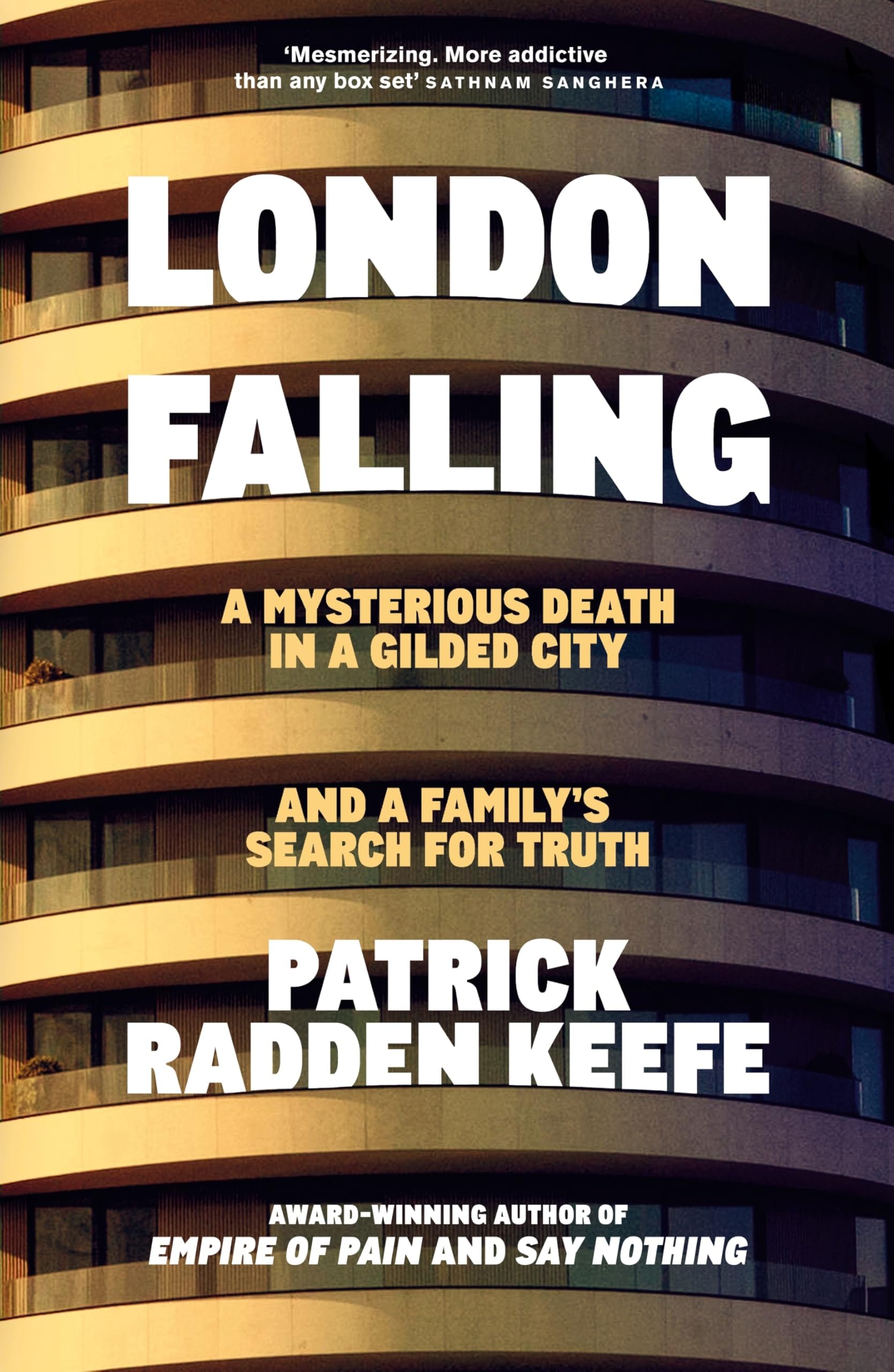
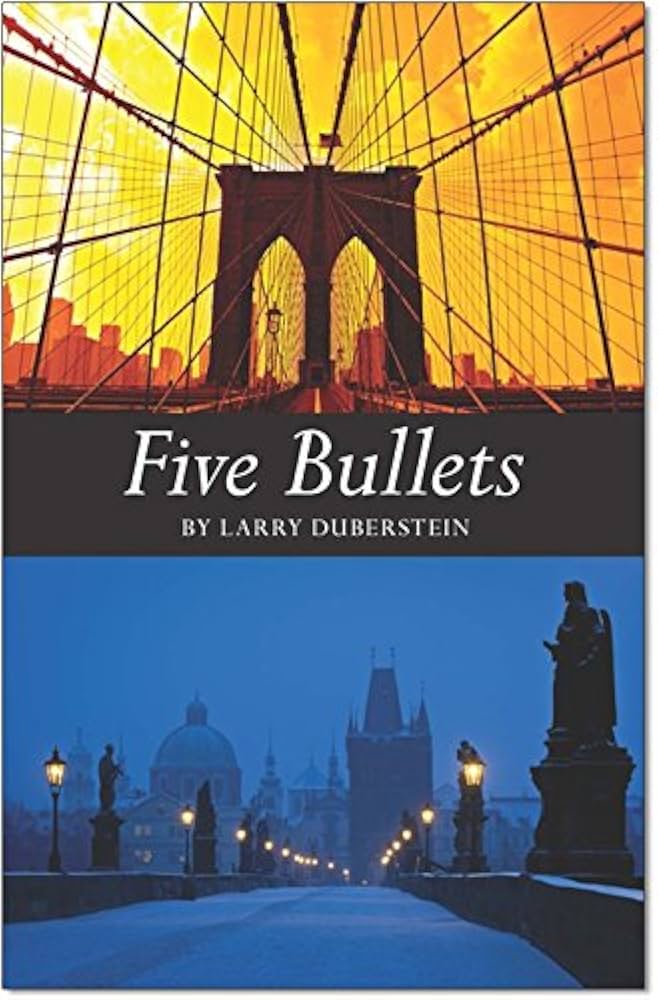
Reporting depth comes first. You want the feeling that the writer has done the work, not just inherited somebody else’s summary. Patrick Radden Keefe’s London Falling grows out of years of reporting and family access. Rick Tulsky’s Injustice Town comes from a journalist and co-founder of Injustice Watch. Elliot Williams’s Five Bullets revisits a defining New York vigilante case through deep legal and social context.
Narrative control matters just as much. The best books know when to widen out and when to stay close. A great true crime writer does not dump information. They pace revelation. That is one reason The Blood Countess and Black Dahlia stand out: both tackle famous, over-discussed subjects, yet are framed as careful acts of reinterpretation rather than reheated notoriety.
Historical and legal context separate the serious books from the merely spooky ones. American Reich is not just about a murder. Its publisher frames it as a book about neo-Nazis and a new age of hate. Five Bullets is not simply a retelling of the Bernie Goetz shooting; it is a study of a racially divided New York and the trial that helped define it.
Ethical clarity matters more in 2026 than it did a decade ago. Readers are more alert now to books that exploit victims, glamorize predators, or confuse speculation with courage. The best books resist that trap by treating crime as a human and civic rupture, not merely a spectacle. That is part of what gives London Falling, Injustice Town, and Say Nothing their lingering force.
Authorial authority matters too. When a writer has either original reporting, subject-matter command, or a proven narrative record, the book tends to hold firmer under pressure. Keefe, Lichtblau, Puhak, Tulsky, and Williams are all writing from positions of expertise rather than borrowed atmosphere.
Pro Tip: The most addictive true crime books to read now are not always the grisliest. Often the real page-turners are the books powered by secrecy, institutional failure, mythmaking, or one unanswered question that keeps changing shape.
4) The quick answer: the best true crime books to read in 2026
For readers who want the shortlist before the long walk, here it is.
London Falling by Patrick Radden Keefe is the prestige centerpiece of the year so far: a family’s search for answers after the suspicious death of 19-year-old Zac Brettler in London, built with Keefe’s usual narrative control and investigative patience.
The Blood Countess by Shelley Puhak is one of the smartest historical true crime releases of 2026, revisiting Elizabeth Báthory and asking whether one of history’s most notorious female monsters was also shaped by political disinformation and gendered myth.
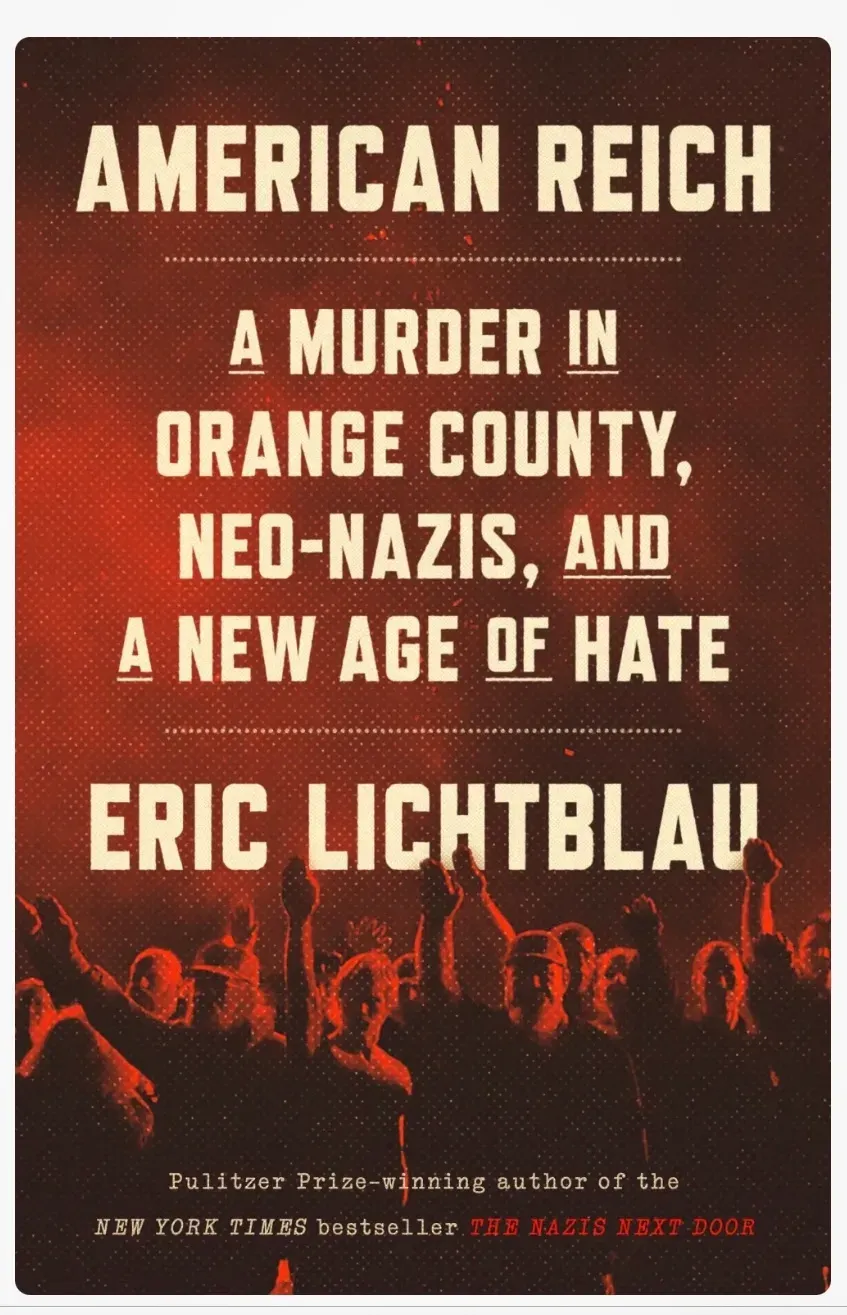
American Reich by Eric Lichtblau is for readers who want crime writing with political urgency, using a murder in Orange County to examine neo-Nazis and the spread of modern hate.
Black Dahlia: Murder, Monsters, and Madness in Midcentury Hollywood by William J. Mann gives a famous cold case the kind of historical and humanizing treatment most Black Dahlia coverage has lacked.
Injustice Town by Rick Tulsky is one of the year’s most important justice-system books, built around the wrongful conviction of Lamonte McIntyre and what his case reveals about civic rot.
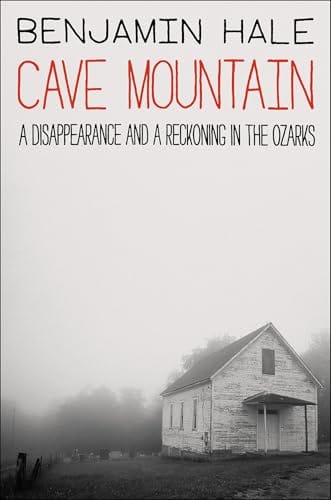
Cave Mountain by Benjamin Hale is the wildcard recommendation: part disappearance story, part reckoning, rooted in the Arkansas Ozarks and shaped by family history.
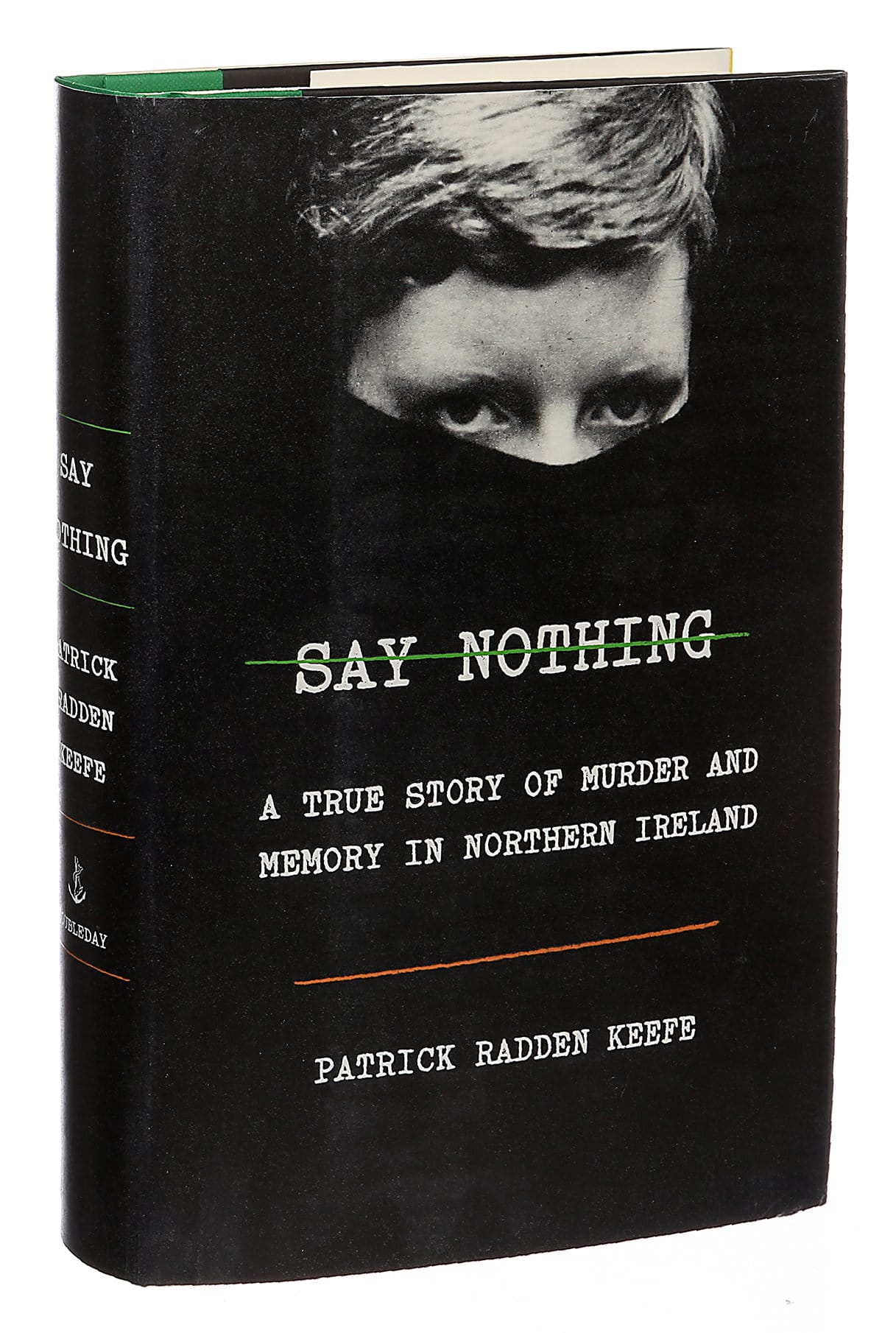
And if you want one evergreen pairing that still feels essential in 2026, go straight to Say Nothing and Empire of Pain. One examines murder and memory during the Troubles. The other maps private greed through the opioid catastrophe. Neither reads like old news.
5) The new books defining the 2026 conversation
Some years in publishing give you one obvious title and a long tail of filler. This is not one of those years. The freshest shelf of 2026 has range.
The books people will still be talking about next winter
Start with London Falling. The headline facts are already hard to shake: Zac Brettler was 19 when he died in 2019 after falling from a luxury apartment building in London under circumstances that remained deeply troubling to his family. The Guardian’s reporting on the book describes a case filled with conflicting accounts, suspicious evidence, and two men who were present that night yet were never charged. What elevates the book beyond a grim mystery is that Keefe reportedly builds it not only as an investigation, but as a study of grief, status fantasy, and the dangerous ecosystems surrounding a vulnerable young man.
Then there is American Reich, which feels especially urgent in the current climate. Hachette’s page describes it as A Murder in Orange County, Neo-Nazis, and a New Age of Hate, and CrimeReads singled it out as one of the season’s essential nonfiction releases. That framing tells you exactly why it belongs on this list: it treats a crime not as a closed event, but as a window into a wider ideological contagion.
The Blood Countess deserves a different kind of attention. Elizabeth Báthory has been flattened by centuries of repetition into a nearly folkloric monster. Puhak’s book, according to Bloomsbury and CrimeReads, approaches the case as an enigma shaped by murder allegations, betrayal, and the making of a legend. That is catnip for readers who like their true crime with archival dust and political intrigue instead of police tape.
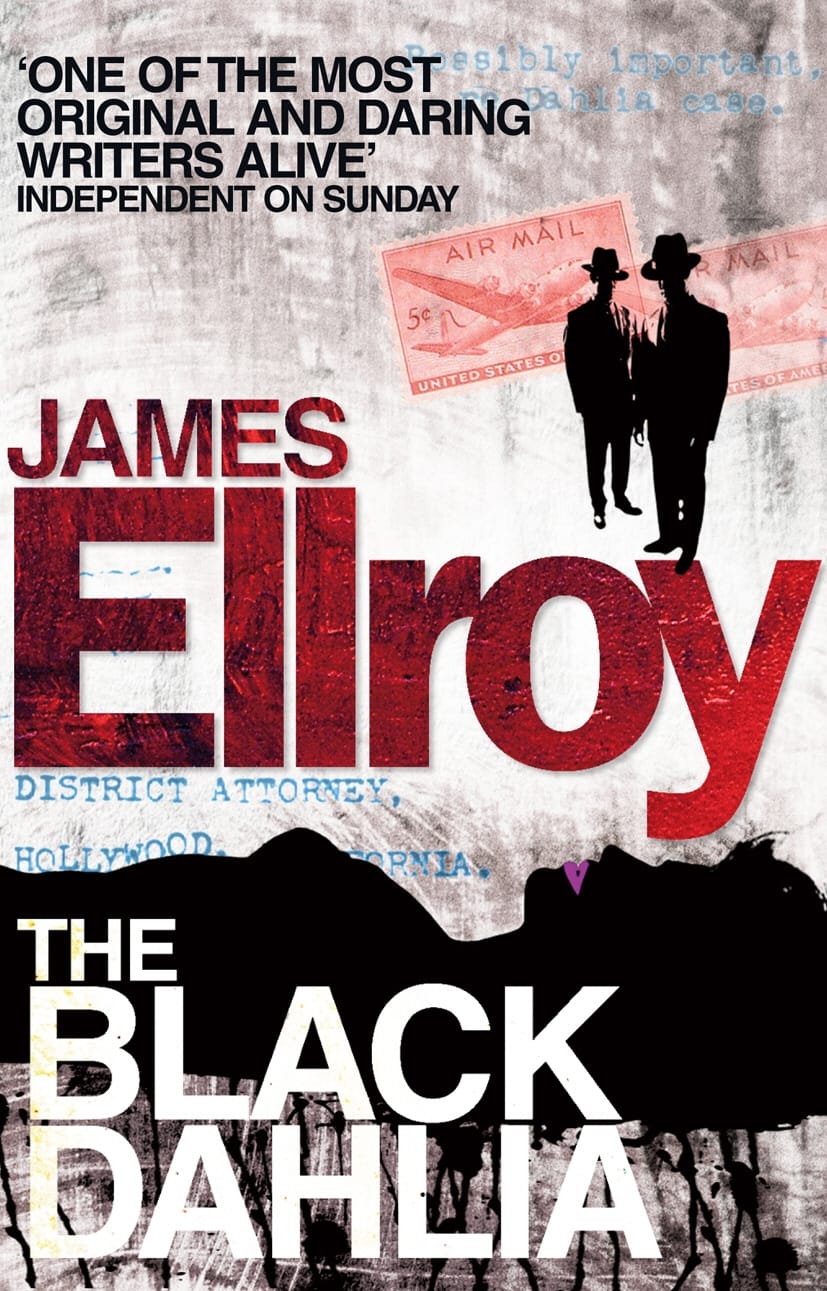
Black Dahlia by William J. Mann is another reminder that “new” does not always mean “recent case.” Bookmarks describes it as the first definitive account to humanize Elizabeth Short and place the murder inside a wider postwar American anxiety. That matters because so much Black Dahlia writing has treated the case like a permanent freak show. A book that restores context and dignity instantly feels more necessary.
Two other new books widen the list beautifully. Five Bullets revisits the Bernie Goetz subway shooting, one of the most symbolically loaded crimes in modern New York, while Cave Mountain turns a disappearance in the Ozarks into something larger and more atmospheric about place, family, and reckoning. One book is urban and legal. The other is rural and haunted. Both remind you how broad the category has become.
6) The modern classics that still deserve your time
A 2026 reading list that only includes 2026 books is not a useful reading list. The genre has a few contemporary landmarks that still tower over newer releases, and pretending otherwise would be silly.
Not new, still essential
Say Nothing remains one of the finest books ever written in the vicinity of true crime. Penguin Random House describes it as a “stunning, intricate narrative” about a notorious killing in Northern Ireland and its devastating repercussions. That is accurate but incomplete. The book is really about how violence enters daily life, how silence becomes a political technology, and how memory itself can become contested evidence. In 2026, with Keefe back in the spotlight because of London Falling, Say Nothing feels newly relevant all over again.
Empire of Pain belongs on this list for a different reason. It does not center a classic murder case, but it is impossible to make a serious list of the top nonfiction crime books without it. Penguin Random House describes it as a multigenerational saga of the Sackler family, Valium, OxyContin, and the investigations surrounding their evasion of accountability. What makes it indispensable is that it redefines what a crime story can look like. Not a masked stranger in an alley, but boardrooms, philanthropy, regulation, and a mountain of preventable suffering.
These books also prove something important about the genre. The most powerful true crime is not necessarily the most lurid. It may instead be the book that shows how a society normalizes harm, rewards denial, and teaches its own elites to mistake impunity for innocence. That is why Say Nothing and Empire of Pain continue to outlive trend cycles. They are not just about victims and perpetrators. They are about systems that make both possible.
Key Takeaways
- Read Say Nothing if you want literary power, political depth, and one of the strongest narrative structures in modern nonfiction.
- Read Empire of Pain if you want a true crime book that turns corporate power into a devastating criminal narrative.
- Read both if you want to understand why the genre is now as interested in institutions as in individual killers.
7) For readers who want historical darkness, not just current headlines
One of the pleasures of true crime reading is that the past is often stranger than any fresh scandal. Historical true crime also has an advantage over daily-news outrage: the distance can bring clarity, and sometimes dignity.
The Blood Countess is the standout here. Bloomsbury describes it as Murder, Betrayal, and the Making of a Monster, and the phrasing matters. This is not only a book about alleged killings. It is a book about how a female villain is manufactured, narrated, and preserved across centuries. That makes it a stronger recommendation than yet another interchangeable serial-killer title. It asks not just what happened, but who benefited from the version of events that survived.
Black Dahlia belongs on the same shelf, though for a different era and a different reason. Mann’s book is compelling precisely because it goes back to one of America’s most mythologized unsolved murders and tries to do the opposite of myth-making. Bookmarks frames it as a book that humanizes the victim and places the case inside midcentury Hollywood and a changing America. That corrective instinct gives the book weight.
If your taste runs more toward the political-historical edge of crime, Five Bullets also fits here, despite being closer to recent history than true antiquity. The Bernie Goetz shooting is not ancient, but it has already hardened into a national symbol. A good book can break that symbol back open and show the arguments inside it.
The point is simple: the best true crime books 2026 is serving readers are not just about what happened yesterday. They are also about which old stories still control the present and which legends deserve to be interrogated all over again.
8) The justice-system and extremism shelf
If one trend clearly defines 2026’s strongest nonfiction crime writing, it is this: many of the most compelling books are less interested in a single monstrous act than in the structures around it.
Injustice Town is the clearest example. The official publisher page presents it as the story of “a corrupt city, a wrongly convicted man, and a struggle for freedom,” centered on Lamonte McIntyre’s case. CrimeReads highlighted it as one of the season’s major releases, and Simon & Schuster’s author page notes that it has already been recognized as a New Yorker best book of 2026. This is the kind of true crime that does not merely reconstruct an error. It examines how many people, habits, and incentives had to cooperate for that error to survive.
American Reich sits beside it for a related reason. A murder book about neo-Nazis is not simply a murder book. It is a study of how hate organizes itself, recruits, circulates, and turns private grievance into public threat. The title alone makes its scope clear, and that scope is precisely why it feels so urgent right now.
Five Bullets adds another dimension by revisiting a crime that became a referendum on fear, race, self-defense, media panic, and public appetite for vigilantes. Even decades later, the Bernie Goetz case still touches live nerves in American life. That is a sign of a worthwhile subject. The case is over; the argument is not.
This shelf is where the genre gains its civic force. The true crime books to read now are often the books that make you angry in a useful way, because they show that law and justice have never been synonyms.
9) Which true crime book is right for you?
A good recommendation list should not assume every reader wants the same kind of nightmare. Some want literary elegance. Some want courtroom detail. Some want a cold case. Some want a book that can explain a country back to itself.
If you are a beginner, start with London Falling or Say Nothing. Both are beautifully written, emotionally legible, and suspenseful without feeling cheap.
If you love literary nonfiction, go with Say Nothing first, then Empire of Pain. Those are the books most likely to satisfy readers who care as much about structure and style as they do about revelations.
If you want one current 2026 title to discuss with everyone else, pick London Falling. It is the book with the strongest combination of timeliness, prestige, and emotional gravity.
If you prefer historical crime, choose The Blood Countess or Black Dahlia. One reopens an early modern legend. The other revisits one of America’s most notorious cold cases with a more human frame.
If you want justice-system outrage, read Injustice Town. If you want crime and ideology, read American Reich. If you want law, race, and public fear, read Five Bullets.
If you want a strange, atmospheric disappearance book, choose Cave Mountain. Harper describes it as a story about nature, survival, religion, skepticism, good and evil, and two girls years apart, both in danger in the Arkansas wilds. That is not a standard true crime pitch, which is exactly the appeal.
Pro Tip: If you think you hate true crime, there is a good chance you only hate the lazy version of it. Try the books that are really about power, memory, ideology, or institutional collapse. They often read less like genre and more like a secret history of the present.
10) A brief note on ethics
The worst true crime books invite a reader to peer into suffering and call that seriousness. The best ones understand that the material is already charged, and that the writer’s job is not to intensify it artificially but to clarify it.
You can feel that difference in the strongest books on this list. London Falling is repeatedly described not just as an investigation, but as a family’s search for truth shaped by grief and memory. Black Dahlia is explicitly framed as restoring dignity to Elizabeth Short rather than feeding the carnival around her. Injustice Town centers the consequences of official failure, not the glamour of accusation.
That is what mature true crime writing looks like in 2026. It does not pretend readers are above fascination. It simply refuses to confuse fascination with permission. The book can still grip your throat. It just has to remember that the dead are not scenery.
11) Final shortlist: 10 best true crime books to read in 2026
Here is the distilled list.
- London Falling by Patrick Radden Keefe — the defining new prestige true crime release of the year so far.
- The Blood Countess by Shelley Puhak — the smartest historical true crime pick on the 2026 shelf.
- American Reich by Eric Lichtblau — a crime book with real political and social urgency.
- Black Dahlia: Murder, Monsters, and Madness in Midcentury Hollywood by William J. Mann — essential for cold-case readers who want context, not cliché.
- Injustice Town by Rick Tulsky — one of the strongest wrongful-conviction books to read now.
- Five Bullets by Elliot Williams — a sharp, timely reexamination of the Bernie Goetz case.
- Cave Mountain by Benjamin Hale — the atmospheric, left-field recommendation that broadens the genre beautifully.
- Say Nothing by Patrick Radden Keefe — still one of the great modern nonfiction crime books.
- Empire of Pain by Patrick Radden Keefe — essential if your idea of crime includes boardrooms, regulators, and elite impunity.
- The Best True Crime Stories of the Year 2026 edited by Jim Clemente and Peter Crooks — one to bookmark for later in the year, with Simon & Schuster listing it for October 13, 2026.
Key Takeaways
- Best all-around new release: London Falling.
- Best historical pick: The Blood Countess.
- Best justice-system pick: Injustice Town.
- Best modern classics: Say Nothing and Empire of Pain.
12) Final Word
What readers seek in true crime is rarely just crime. It is explanation. Pattern. A way of forcing chaos into sequence long enough to look it in the eye. The best books know this and refuse the easy trade. They will give you suspense, yes. They will give you dread, certainly. But they will also give you infrastructure: history, motive, ideology, grief, bureaucracy, class, myth, and the long afterlife of violence.
That is why the best true crime books 2026 is producing feel so satisfying. They are not all about the same kind of evil. Some are about lies that harden into legend. Some are about hatred that learns to organize. Some are about institutions that would rather protect themselves than admit what they broke. The unforgettable ones do something harder than entertain. They make the world feel newly legible and newly dangerous at the same time.