Psychology
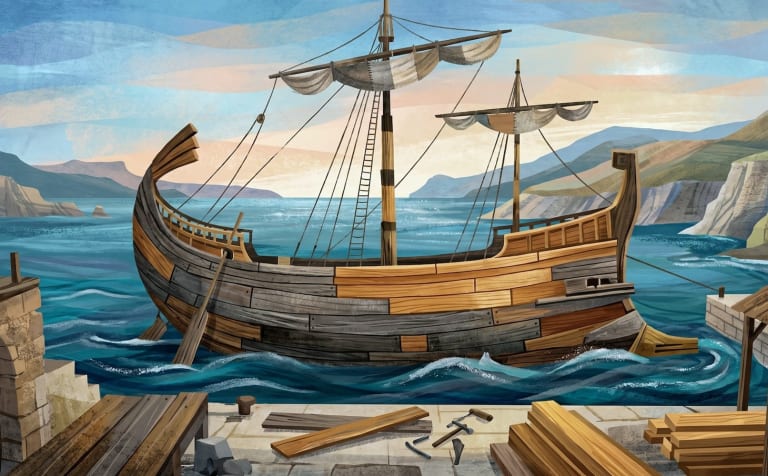
The Ship of Theseus in the Digital Age
The Ship of Theseus in the Digital Age explores If you replace every part of yourself online, who are you really? Read the evidence, competing arguments, and practical implications.

Psychology
The Ship of Theseus in the Digital Age explores If you replace every part of yourself online, who are you really? Read the evidence, competing arguments, and practical implications.

Psychology
A plane crash makes international headlines. For several days, images of wreckage dominate television and social media. Soon afterward, someone who regularly drives long distances decides that flying feels too dangerous. Nothing about the statistical risk of commercial aviation has necessarily changed. What changed was salience. The crash was vivid.

Psychology
The most surprising thing about many conspiracy believers may not be what they believe. It may be how certain they are that everybody else believes it too. A major psychological study involving more than 4,000 U.S. adults found that people who endorsed conspiracy theories consistently overestimated their own

Crime
True crime is everywhere. It fills podcast charts, streaming platforms, YouTube channels, bestselling books, documentaries, limited series, social media threads, and late-night conversations. A new case drops, a new suspect emerges, a new documentary trends, and suddenly millions of people are discussing timelines, motives, evidence, police mistakes, court records,

Psychology
For years, your home had a rhythm. There were school mornings, lunchboxes, laundry piles, homework questions, half-finished snacks, late-night worries, sports practices, exam stress, bedroom doors closing, family dinners, arguments over small things, and quiet moments that only become precious after they are gone. Then one day, the