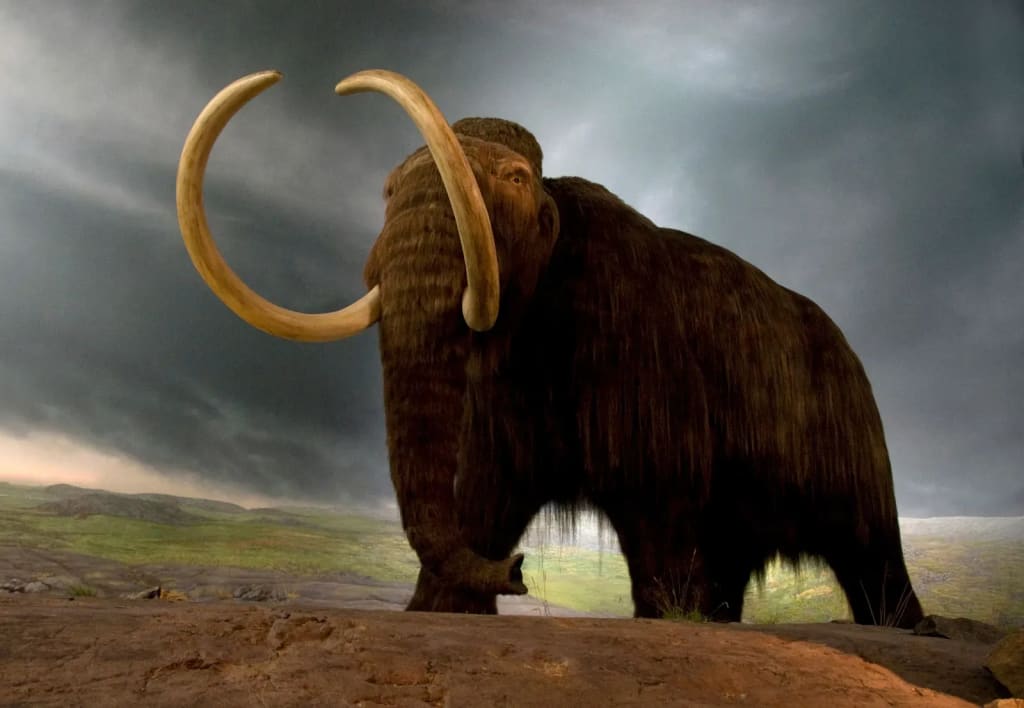
De-Extinction Science: Should We Revive Lost Species?
De-Extinction Science: Should We Revive Lost Species? is worth examining: the genetics, ecosystems, and ethics behind resurrection projects. But the most exciting science stories are also easy to exaggerate. To understand the significance, we need to look at what experiments actually measured, what
De-Extinction Science: Should We Revive Lost Species? is worth examining: the genetics, ecosystems, and ethics behind resurrection projects. But the most exciting science stories are also easy to exaggerate. To understand the significance, we need to look at what experiments actually measured, what remains uncertain, and how a result might eventually affect society. This guide explains the mechanisms, evidence, limitations, and questions worth watching next.
What de-extinction actually produces
Popular proposals to revive the woolly mammoth or thylacine often involve editing the genome of a living relative, cloning technologies, and reproductive experimentation. Even an animal with many extinct-species traits would not automatically be genetically or behaviorally identical to its lost ancestor.
Ancient DNA is fragmented, and ecosystems have changed. Marketing a proxy organism as a literal return of an extinct species hides the scientific and ethical complexity.
What de-extinction actually produces — Revlox editorial illustration.
The welfare question
Experiments involving embryos, surrogates, and young animals carry animal-welfare responsibilities. Closely related living species may face additional reproductive risks while researchers refine methods.
A viable birth would be a beginning rather than a complete success: animals need social environments, suitable habitats, veterinary support, and possibly learned behaviors that no longer exist. The welfare of both engineered animals and living relatives must remain central.
Could revived animals help ecosystems?
Some proponents argue that large herbivores might change vegetation, snow conditions, or nutrient cycling. Those hypotheses require careful field research and cannot be assumed true from a laboratory achievement.
Releasing organisms into modern ecosystems could introduce new ecological pressures or disease risks. Conservationists also ask whether funding should instead protect habitats and species still alive today. The strongest case for any intervention would include independently assessed ecosystem benefits and safeguards.
Could revived animals help ecosystems? — Revlox editorial illustration.
A better success metric
Genetic tools developed through de-extinction efforts might aid endangered species by improving reproductive technology and genetic diversity. That possibility is valuable even if no extinct animal is re-established.
Scientists should separate biotechnology milestones from ecological restoration claims and share long-term monitoring plans. Bringing back a famous silhouette is less meaningful than sustaining healthy populations and landscapes without harming the species we still have.
Key takeaways
- What de-extinction actually produces: Popular proposals to revive the woolly mammoth or thylacine often involve editing the genome of a living relative, cloning technologies, and reproductive experimentation.
- The welfare question: Experiments involving embryos, surrogates, and young animals carry animal-welfare responsibilities.
- Could revived animals help ecosystems?: Some proponents argue that large herbivores might change vegetation, snow conditions, or nutrient cycling.
Frequently asked questions
What does de-extinction science: should we revive lost species? mean in practice?
Popular proposals to revive the woolly mammoth or thylacine often involve editing the genome of a living relative, cloning technologies, and reproductive experimentation.
Is the research settled?
Not completely. Researchers continue testing mechanisms, improving measurements, and checking whether early results apply outside controlled experiments.
What should readers watch next?
Genetic tools developed through de-extinction efforts might aid endangered species by improving reproductive technology and genetic diversity.
Sources and further reading
Why it matters: The genetics, ecosystems, and ethics behind resurrection projects. The most useful way to follow the field is to ask whether evidence comes from a model, a laboratory, an animal study, or a robust human observation. Those distinctions often tell us more than a dramatic headline.