Digital Detox 2.0: Why Dumb Phones and Offline Gadgets Are Becoming Gen Z’s Quiet Rebellion
Not long ago, the idea of giving up a smartphone felt absurd. Phones weren’t just devices; they were wallets, maps, cameras, calendars, social lives, and safety nets rolled into a slab of glass. To step away from them sounded like nostalgia masquerading as self-discipline.
Then something unexpected happened.
Gen Z—the generation raised on touchscreens, notifications, and infinite scroll—began walking backward. Quietly. Intentionally. And not toward landlines or total disconnection, but toward something subtler: Digital Detox 2.0.
This new movement isn’t about deleting apps for a week or posting “I’m offline” announcements. It’s about redesigning the relationship between humans and technology, using deliberately limited tools—dumb phones, offline gadgets, and single-purpose devices—to reclaim attention, autonomy, and mental space.
Why the First Digital Detox Failed
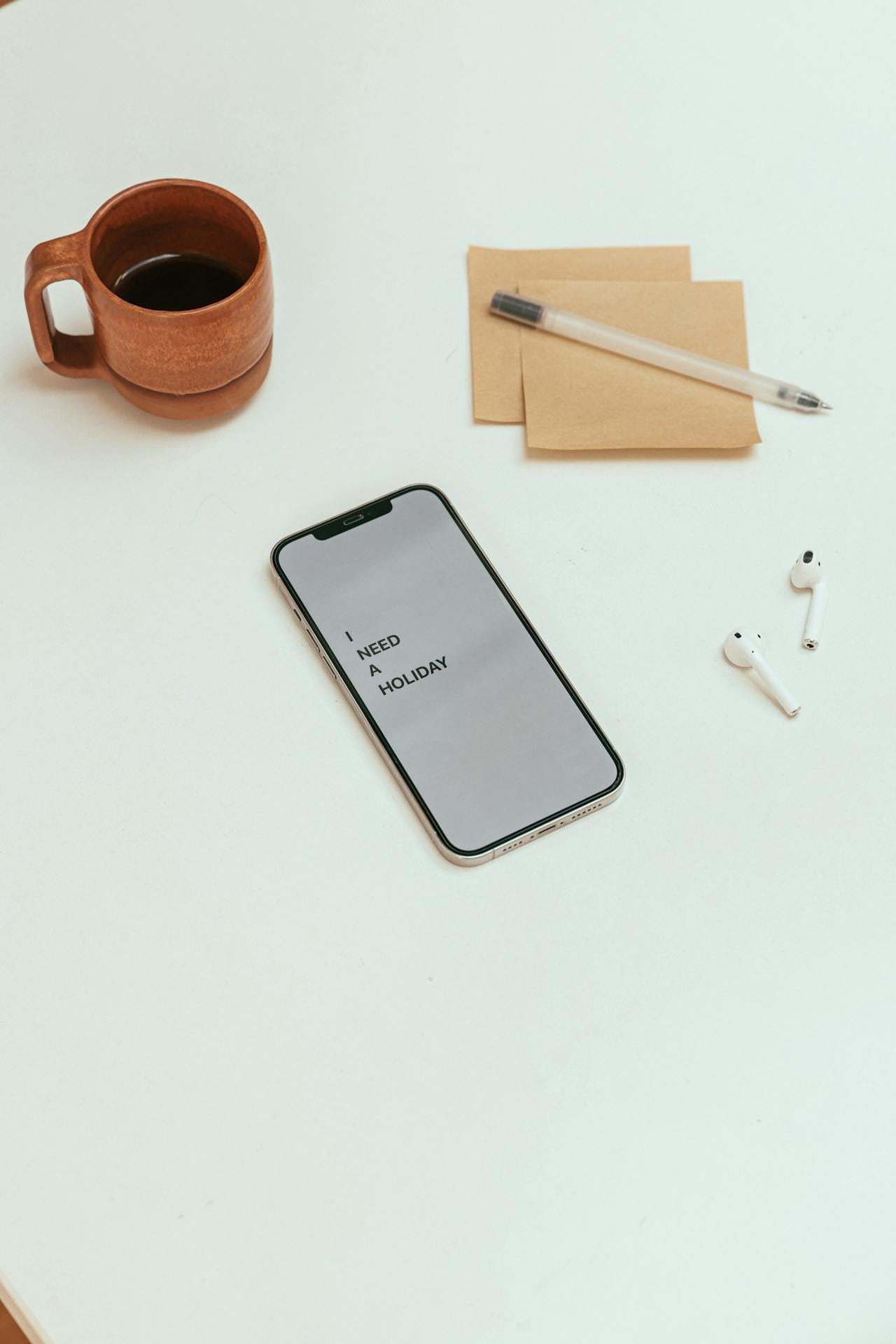
The original digital detox promised relief: turn off notifications, limit screen time, practice “mindful scrolling.” But it asked people to fight addiction using the very systems engineered to defeat self-control.
Smartphones are optimized for engagement, not restraint. Even with screen-time limits, the device remains a portal to endless novelty, social comparison, and algorithmic persuasion. The detox failed not because people lacked discipline, but because the environment was stacked against them.
Digital Detox 2.0 flips the logic.
Instead of relying on willpower, it changes the tools themselves.
The Rise of Dumb Phones Isn’t About Nostalgia
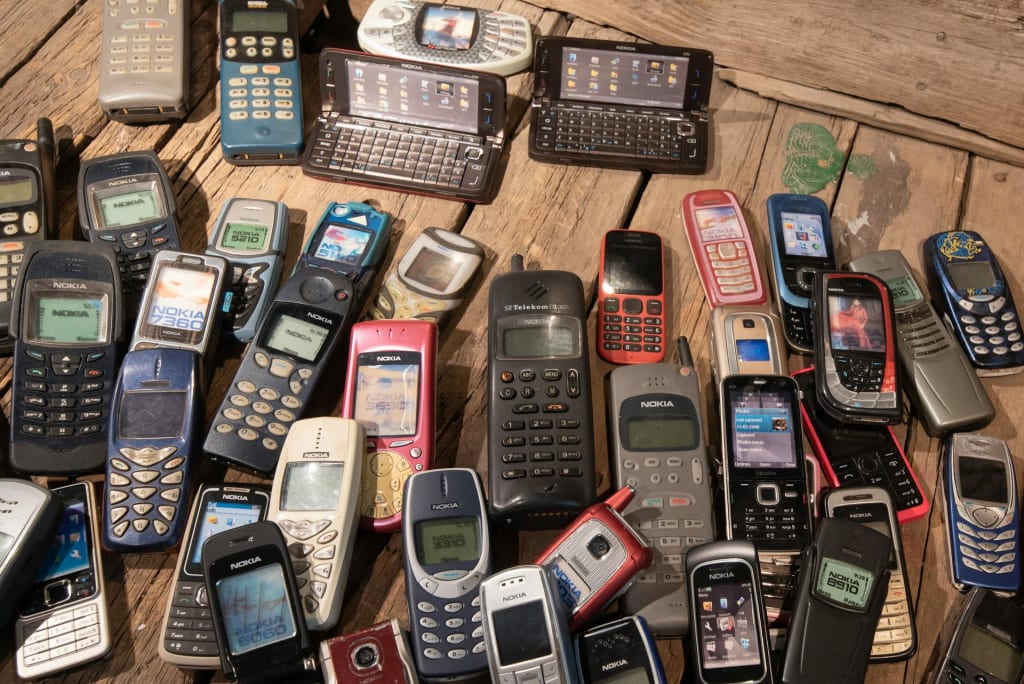
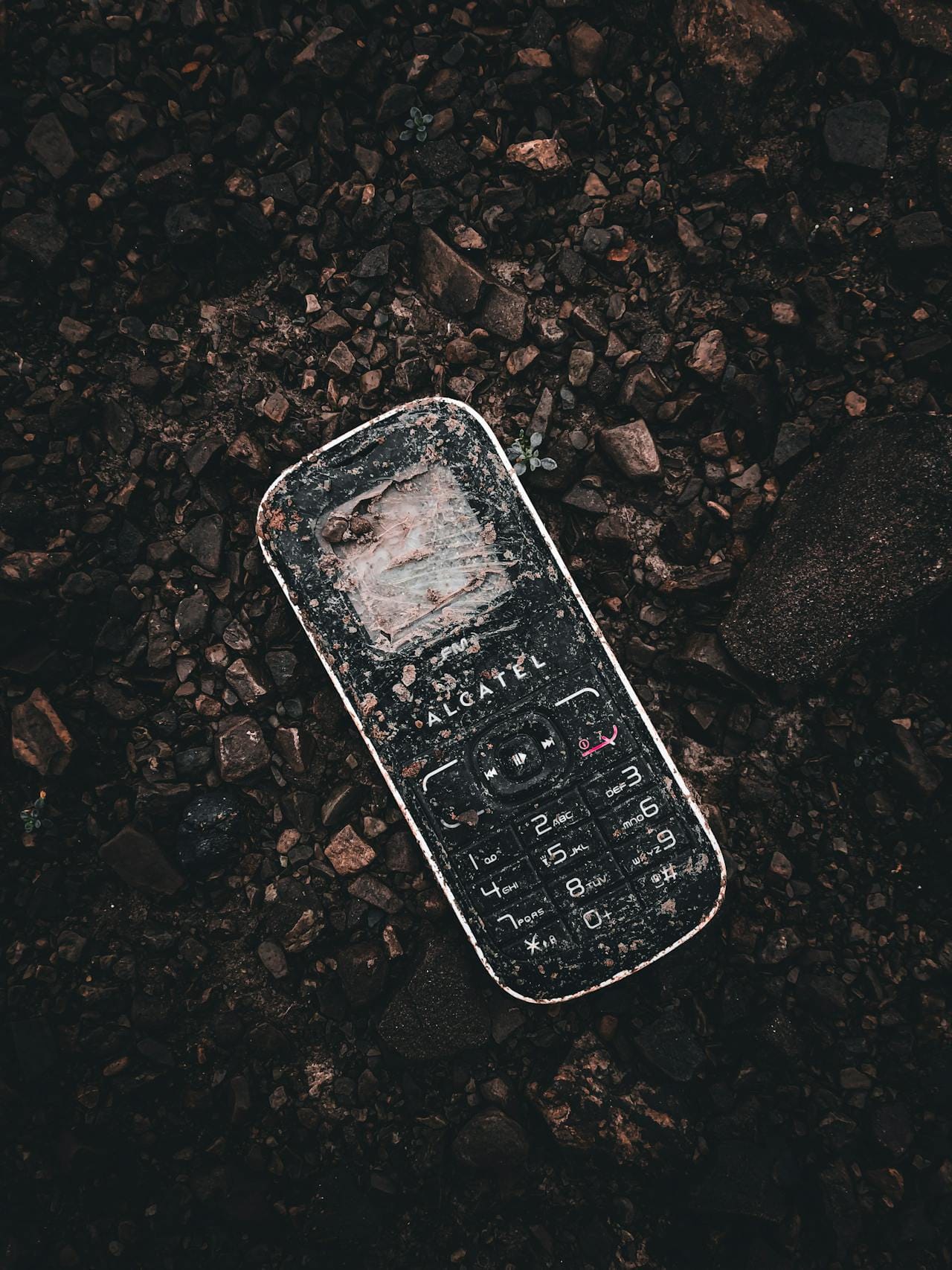
Dumb phones—feature phones with calls, texts, and little else—are not making a comeback because people miss T9 keyboards or pixelated screens. They’re returning because they solve a modern problem elegantly: they remove temptation entirely.
For Gen Z, dumb phones represent something radical—freedom from constant cognitive interruption. No endless feeds. No performative online presence. No pressure to respond instantly.
What surprises researchers is not that older generations flirt with dumb phones, but that young people are adopting them by choice, often while keeping a smartphone at home for “necessary” tasks. The phone becomes a tool again, not a companion.
Attention as a Scarce Resource
Gen Z grew up inside the attention economy. They understand—viscerally—that their focus is monetized, fragmented, and harvested. Unlike older generations who remember a pre-digital world, Gen Z never had one. They learned the cost of distraction early.
Burnout didn’t wait for middle age. Anxiety, insomnia, and dopamine fatigue showed up in adolescence.
Digital Detox 2.0 isn’t anti-technology. It’s anti-extraction. It’s a response to the realization that attention is finite, and giving it away freely comes at a psychological price.
Offline Gadgets: The Return of Single-Purpose Tools
Alongside dumb phones, a parallel trend is unfolding: the resurgence of single-purpose gadgets.
Offline music players. E-readers with no browsers. Digital cameras without social apps. Alarm clocks that don’t double as entertainment hubs.
These devices do one thing—and do it well.
There’s comfort in that simplicity. When a tool has a single function, it doesn’t compete for attention. It doesn’t hijack intention. You pick it up knowing exactly what will happen.
In a world of multi-function overload, limitation becomes a feature.

The Psychology of Constraint
This movement taps into a deeper psychological insight: humans thrive under gentle constraints.
Unlimited choice doesn’t feel liberating; it feels exhausting. The paradox of modern technology is that while it offers infinite options, it leaves people mentally depleted. Every notification is a decision. Every app icon is a potential distraction.
By constraining choice, dumb phones reduce decision fatigue. They restore a sense of calm not by adding features, but by removing them.
This is not minimalism as aesthetics—it’s minimalism as mental health.
Social Life Without the Feed
One of the biggest fears around stepping back from smartphones is social isolation. What happens when you’re not constantly connected?
Interestingly, many Gen Z users report the opposite. Without the pressure to document life, experiences become more immersive. Conversations stretch longer. Moments feel less performative.
Instead of being “seen,” people feel present.
Texting replaces scrolling. Calling returns as a meaningful act rather than an interruption. Relationships don’t disappear—they deepen.
Digital Identity Fatigue
Another under-discussed driver of Digital Detox 2.0 is identity exhaustion.
Maintaining an online persona is labor. Choosing photos, crafting captions, monitoring reactions—it turns daily life into content production. For a generation already navigating economic uncertainty and social pressure, that extra layer of performance becomes unsustainable.
Dumb phones offer an escape hatch. Without social apps, there’s no audience to manage, no metrics to chase. Life stops being a brand.
For many, that silence is a relief.
It’s Not All or Nothing
Digital Detox 2.0 isn’t about rejecting technology outright. Most participants practice selective disconnection.
They keep smartphones for work or navigation but limit their presence in daily life. Some switch devices during weekends. Others use dumb phones during the day and smart devices at night. The goal isn’t purity—it’s balance.
What matters is intentionality.
Technology becomes something you choose, not something that chooses for you.
Why This Trend Is Growing, Not Fading
Skeptics call it a phase. History suggests otherwise.
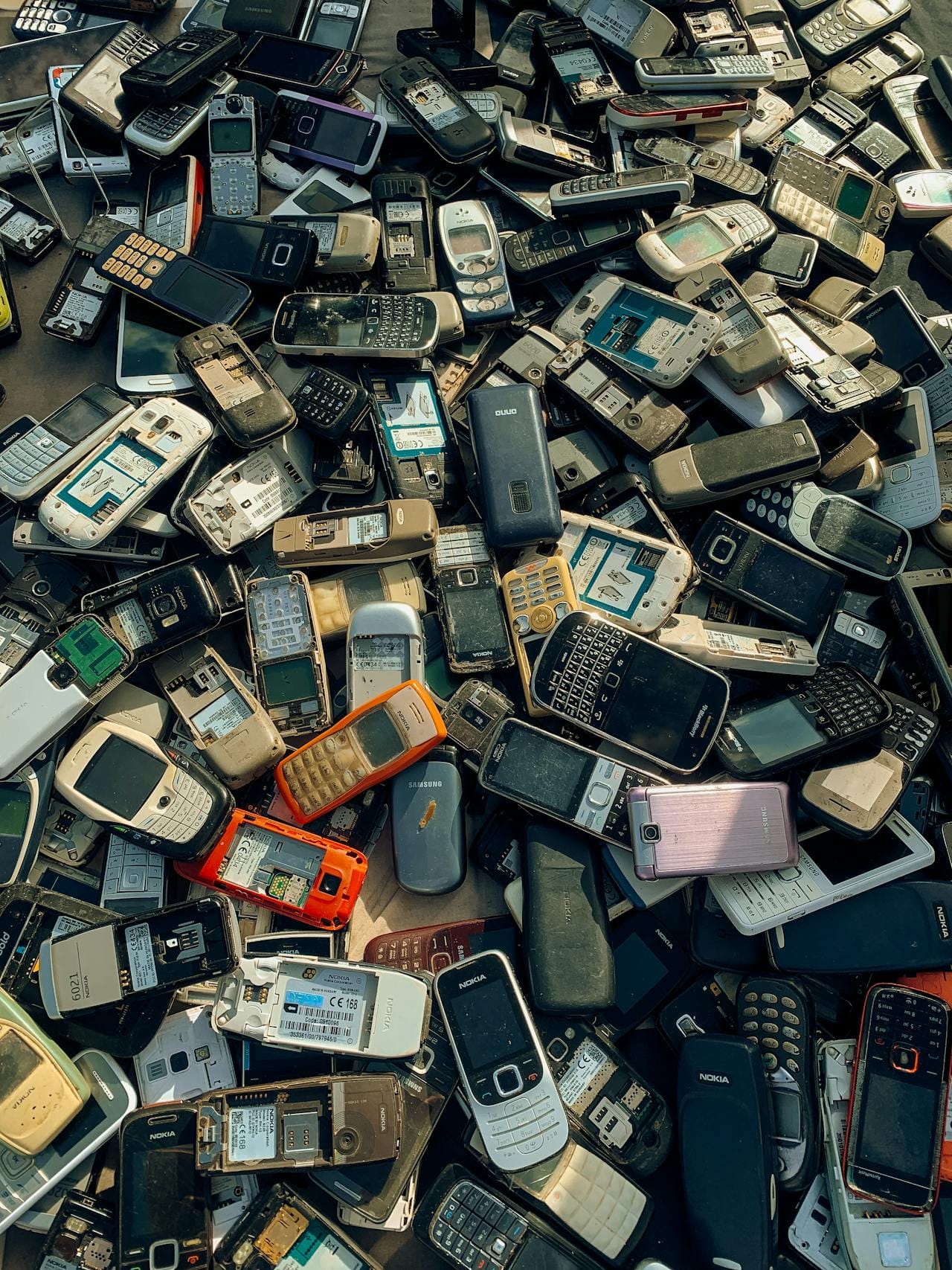
Each technological leap eventually produces a counter-movement. Industrialization led to slow food. Fast fashion birthed sustainable clothing. Infinite content is now giving rise to intentional scarcity.
As AI-generated media floods feeds and personalization becomes more invasive, the desire for quiet, unoptimized spaces will only grow stronger.
Digital Detox 2.0 is not regression. It’s adaptation.
The Future: Calm Tech, Not Less Tech
The endgame isn’t a world without screens. It’s a world where technology respects human limits.
Dumb phones and offline gadgets are early signals of a broader shift toward calm technology—tools that inform without demanding, assist without intruding, and exist without constantly asking for attention.
Gen Z isn’t rejecting the digital future. They’re redesigning it.
And in doing so, they’re reminding the rest of us of something we forgot:
Technology should serve life, not consume it.