When Box Office Failure Becomes a Better Streaming Story
The Friday-night verdict used to feel absolute.
A movie opened in theaters, the numbers came in by Sunday morning, the headlines hardened by Monday, and the film’s reputation often got stapled to a single ugly word: flop. It did not matter whether the movie was strange, ambitious, cozy, funny, too expensive, too early, too niche, or simply misread by the market it first met. The theatrical frame was merciless. If audiences did not show up right away, Hollywood often treated that as the last meaningful sentence in the story.
But the modern audience no longer lives inside one release window.
Now a movie can stumble in multiplexes, disappear into trade-paper humiliation, and then return months later as something sharper, warmer, stranger, more rewatchable, or simply more legible once it lands on streaming. The box office may say the movie was rejected. The streaming afterlife may reveal something more useful: it was mistimed, mismarketed, misframed, or just built for a lower-friction relationship with viewers. In a market where existing intellectual property dominates the theatrical calendar and streaming has become the largest share of TV viewing, first-release perception often says less about a movie’s long-term audience than the industry still pretends. t is why some of the most interesting film stories now begin after the theatrical disappointment. They become stories about audience fit. About how a movie was judged under the wrong pressure. About why some films need distance, repeatability, word of mouth, memes, domestic comfort, or algorithmic resurfacing more than they need opening-weekend urgency.
In other words: sometimes the flop was never the final truth. It was just the wrong format for the first encounter.
The theatrical question is harsher than the streaming one
A theatrical release asks a brutally specific question: Why should I go right now?
That question includes everything the audience has to overcome. Ticket price. Travel. Timing. Competition. Hype. Weather. Childcare. Fatigue. Whether the movie feels urgent enough to justify the outing. In that environment, films with clean event identities usually win. Sequels, franchise extensions, broad horror concepts, family animation, and giant-scale spectacle all answer the “why now?” question better than movies that are tonally mixed, a little weird, too talky, too long, too uncategorizable, or simply not essential enough to beat waiting. CNBC’s box-office analysis of the current studio landscape captured that dynamic clearly: the domestic top 10 in 2024 came entirely from existing intellectual property, and the majors continued leaning into IP as the cleanest theatrical bet.
Streaming asks a different question: Would you like this tonight?
That sounds smaller. It is also much more forgiving. The viewer does not need conviction. They need curiosity. They do not need urgency. They need mood fit. They do not need to win an argument with their schedule, their budget, or the rest of the marketplace. They just need to press play. In an ecosystem where audiences streamed nearly 14 trillion minutes in 2024 and 16.7 trillion minutes in 2025, those low-friction decisions have become a major cultural force. That is one reason movies that underperform in theaters can suddenly look much healthier once they arrive at home. They were never always bad bets. They were sometimes just bad theatrical asks.
First-release perception often hides long-tail audience fit
This is the core idea the industry still resists.
A weak opening can mean a movie failed. It can also mean the audience was not ready to treat it as an event. Those are not the same thing. A movie may be too expensive to gamble on in theaters but exactly right for a Friday night stream. It may be too eccentric to “sell” but perfect for recommendation chains. It may be too visually odd, emotionally specific, or structurally unclassifiable to open strong, yet become beloved when viewers can meet it casually, pause it, revisit it, share clips, or rewatch favorite moments without paying a theatrical premium every time.
That is why opening-weekend discourse so often distorts the real story. It measures urgency, not intimacy. Appetite, not endurance. Immediate willingness to pay, not long-term willingness to live with a movie. Recent commentary on films like Furiosa and The Fall Guy made this point in different ways: one was treated as a commercial letdown almost before the conversation had begun, the other found clearer value once it became, in Polygon’s excellent phrase, a “perfect couch movie.” The common thread is not that theaters were irrelevant. It is that theaters were only one kind of test, and not always the one the movie was naturally built to pass.
What kinds of movies are most likely to bloom later?
Not every theatrical underperformer gets a second life. But some categories are much more likely than others to become stronger streaming stories later on.
1. The “perfect couch movie” action-comedy
These are films that look attractive without looking urgent. They have stars, jokes, action, pace, and enough charm to sound like a good time — but not necessarily enough “must-see-now” force to beat the theatrical wait-and-see impulse. In cinemas, that can be deadly. On streaming, it can be ideal.
2. Big weird science fiction
Ambitious sci-fi often asks more than the average casual moviegoer wants to risk on opening weekend. It can be too long, too dense, too tonally unstable, or too visually strange. But at home, with pause buttons and mood-driven selection, its oddness can become a strength.
3. Cult oddities and auteur excess
Some films are not built to win broad theatrical consensus. They are built to confuse, divide, provoke, or fascinate. Once they leave the burden of general-audience expectations behind, they can flourish through memes, online clips, ironic appreciation, genuine reappraisal, or all three at once.
4. Family and repeat-watch titles
These may or may not hit big in theaters, but their real strength shows up in the home. Streaming rewards repetition, ritual, and comfort. A movie watched 20 times by the same household can matter far more over time than a moderate theatrical weekend ever suggested.
5. “Too good for the wrong release date” movies
Some titles do not really fail because of what they are. They fail because of where they landed. A crowded corridor, a badly timed marketing push, or stronger neighboring event films can crush them in theaters. On streaming, stripped of that context, they can finally be seen on their own terms.
Twenty movies that prove the point
What follows is not a ranking. It is a field guide: twenty films that help explain why theatrical disappointment and long-term audience life are no longer opposites.
1. The Fall Guy
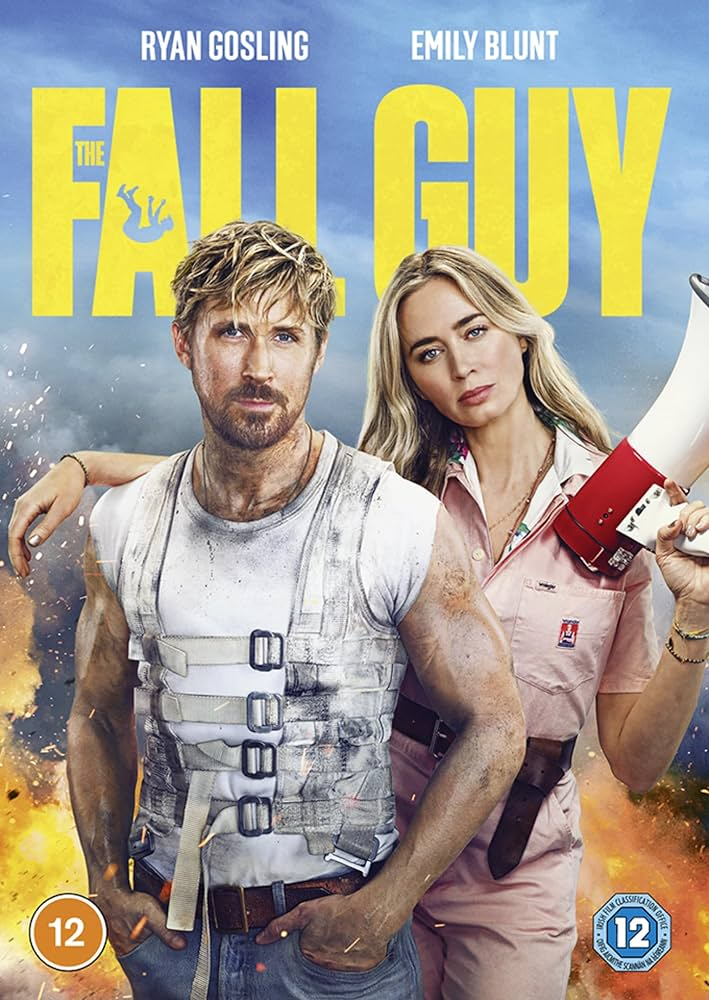
A textbook example of the modern “better on the couch” movie. It had stars, craft, stunts, romance, and a high-concept hook, but its theatrical story hardened quickly into underperformance. Later, it made much more sense as a breezy home-viewing pleasure: the kind of glossy action-comedy audiences love once the pressure of opening-weekend value disappears.
IMDB: https://www.imdb.com/title/tt0081859/
2. Furiosa: A Mad Max Saga
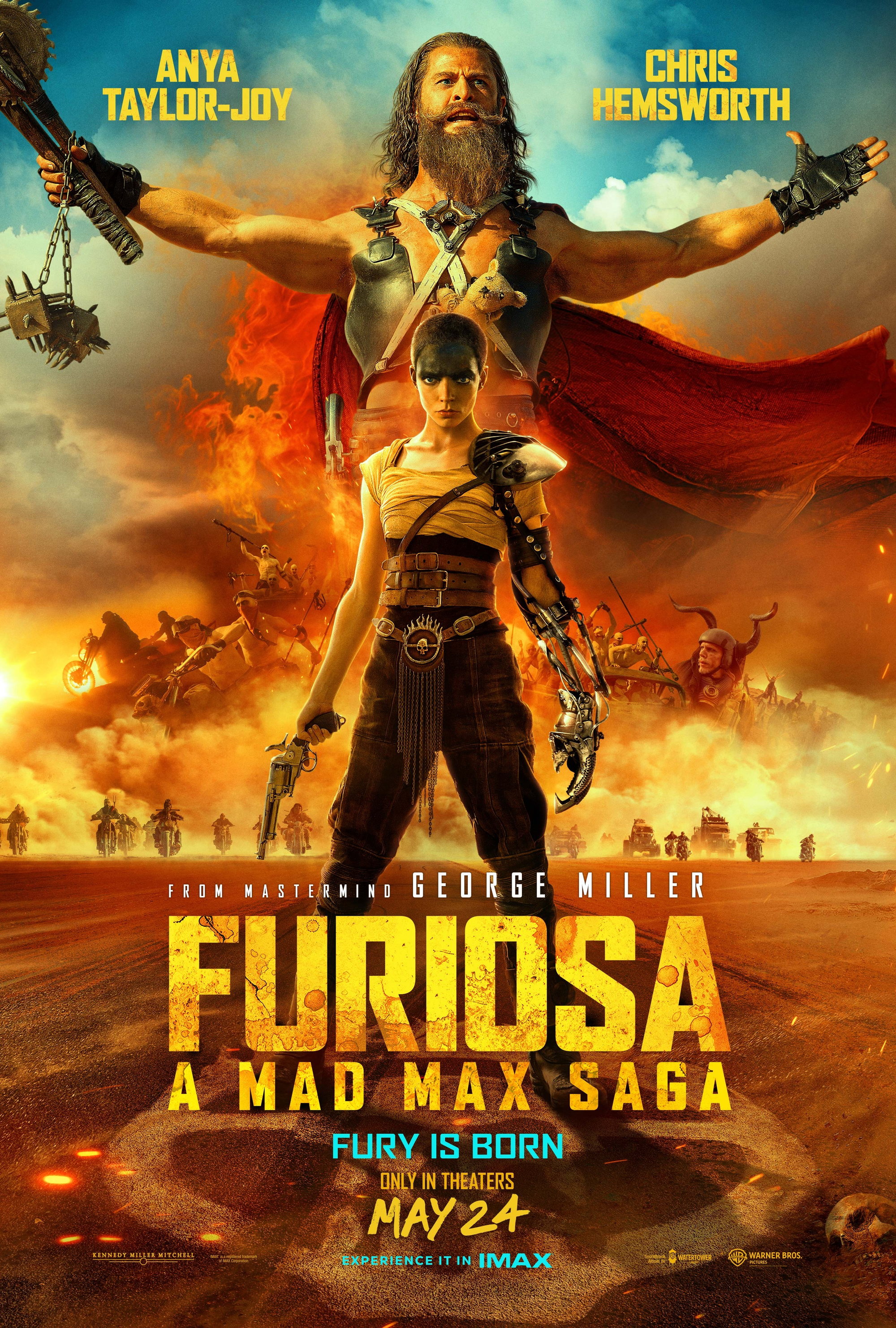
A more complicated case, because it was never lacking in scale or artistic ambition. Yet the rush to define it by opening-weekend disappointment revealed how narrow theatrical discourse has become. It may always be remembered as an example of how a movie can be widely admired and still judged too quickly by a box-office frame that no longer tells the whole audience story.
IMDB: https://www.imdb.com/title/tt12037194
3. The Ministry of Ungentlemanly Warfare
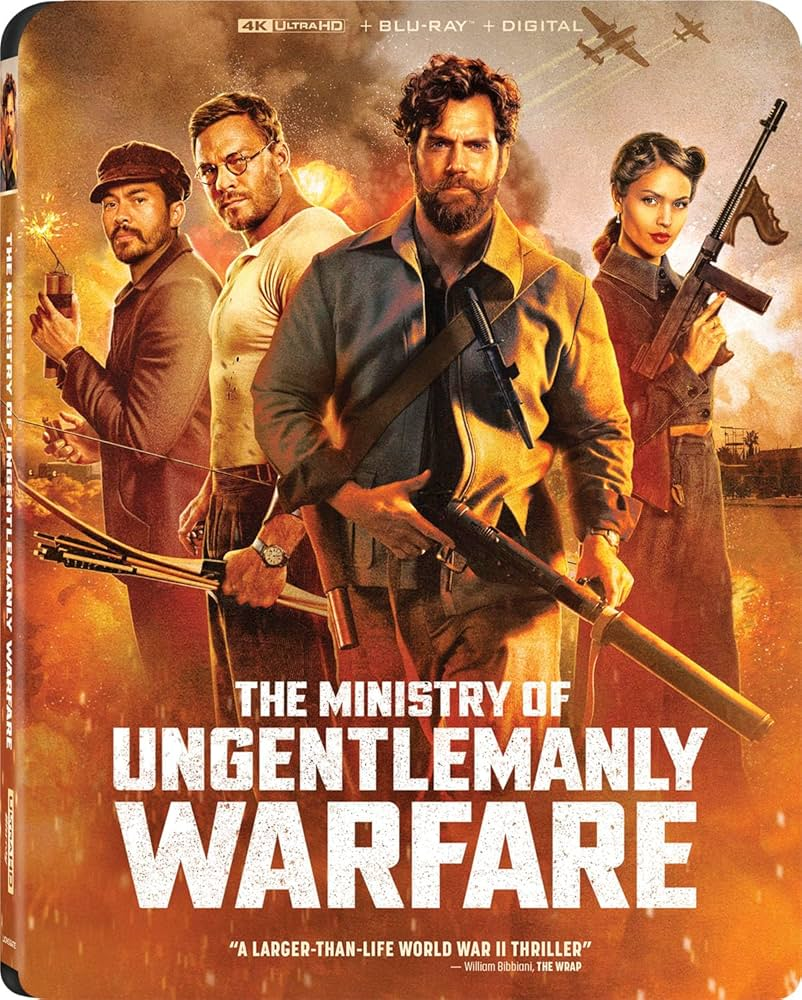
A strong example of a movie that did not gain much theatrical traction and then found a much healthier digital life. It is exactly the kind of slick, starry, punchy ensemble action movie that plays far better once viewers can treat it as a low-risk streaming choice rather than a theatrical obligation.
IMDB: https://www.imdb.com/title/tt5177120
4. Megalopolis
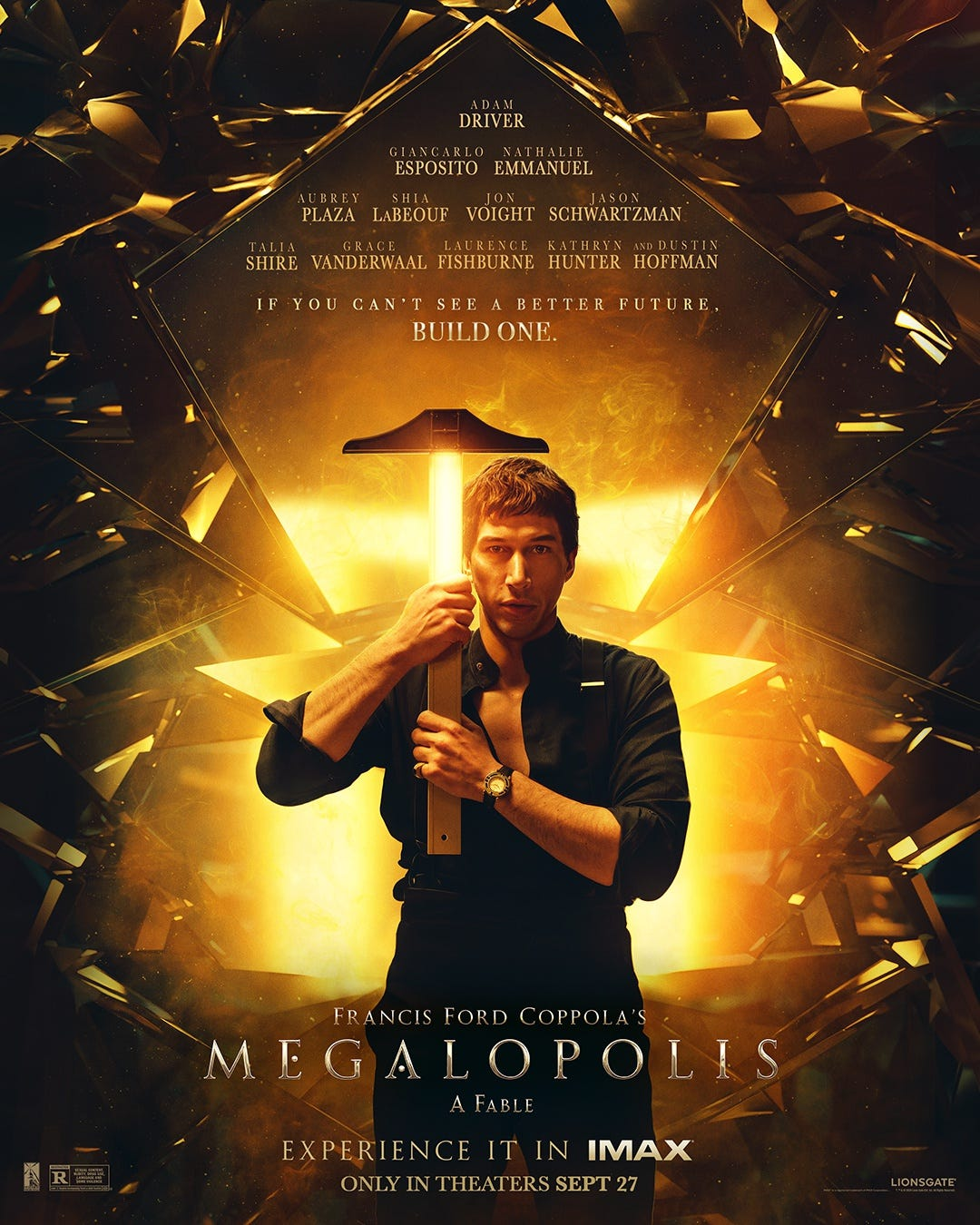
A theatrical disaster, but also one of the clearest modern examples of how afterlife can matter more than initial consensus. It never turned into a straightforward streaming smash, but it did become culturally alive online, especially through TikTok and other digital spaces that treated its excess, awkwardness, and grandeur as participatory material. A movie can fail commercially and still become a living text.
IMDB: https://www.imdb.com/title/tt10128846
5. Blade Runner 2049
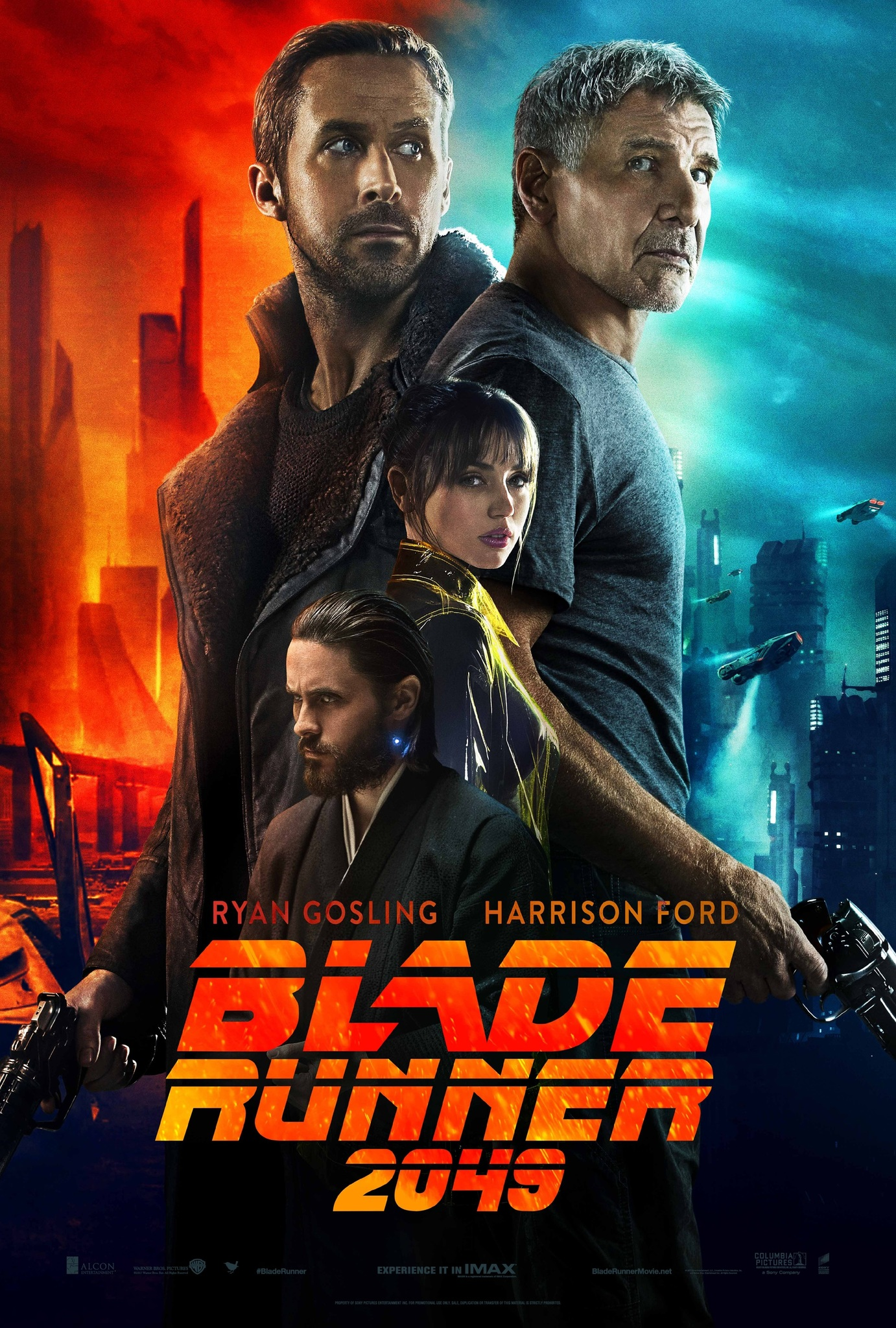
One of the signature examples of a visually monumental film that theatrical audiences respected more than they embraced. It underperformed relative to expectations and budget, yet quickly settled into the kind of prestige-cult status that long-tail home viewing favors: immersive, revisit-worthy, and easier to admire without the demand that it open huge.
IMDB: https://www.imdb.com/title/tt1856101/
6. Dredd
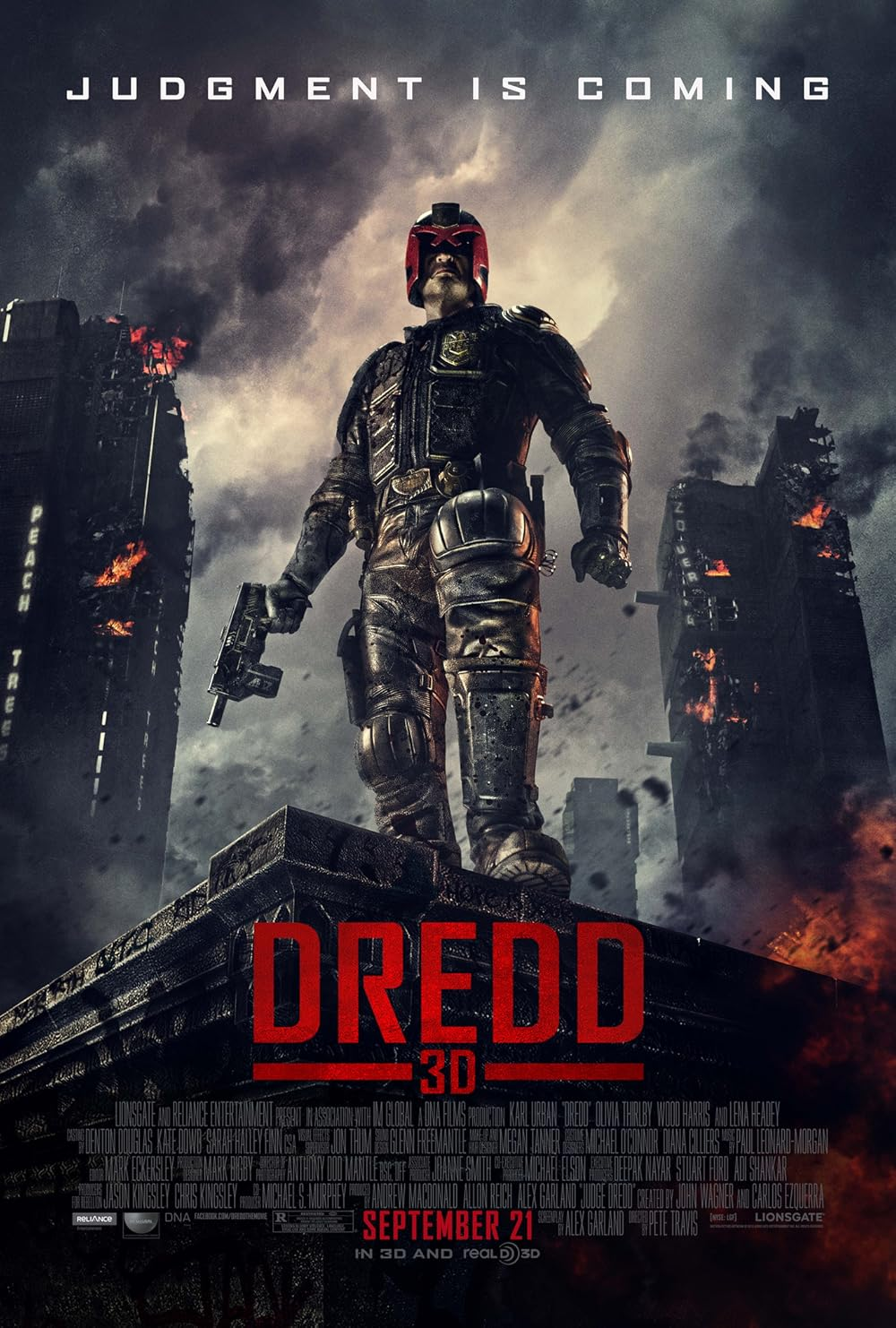
A film that theatrical marketing never really solved. Its later reputation grew because viewers could encounter it as a concentrated, muscular action object without the original release confusion. In hindsight, it feels perfectly suited to rediscovery culture: direct, stylized, and built for repeat fandom.
IMDB: https://www.imdb.com/title/tt1343727
7. The Man from U.N.C.L.E.
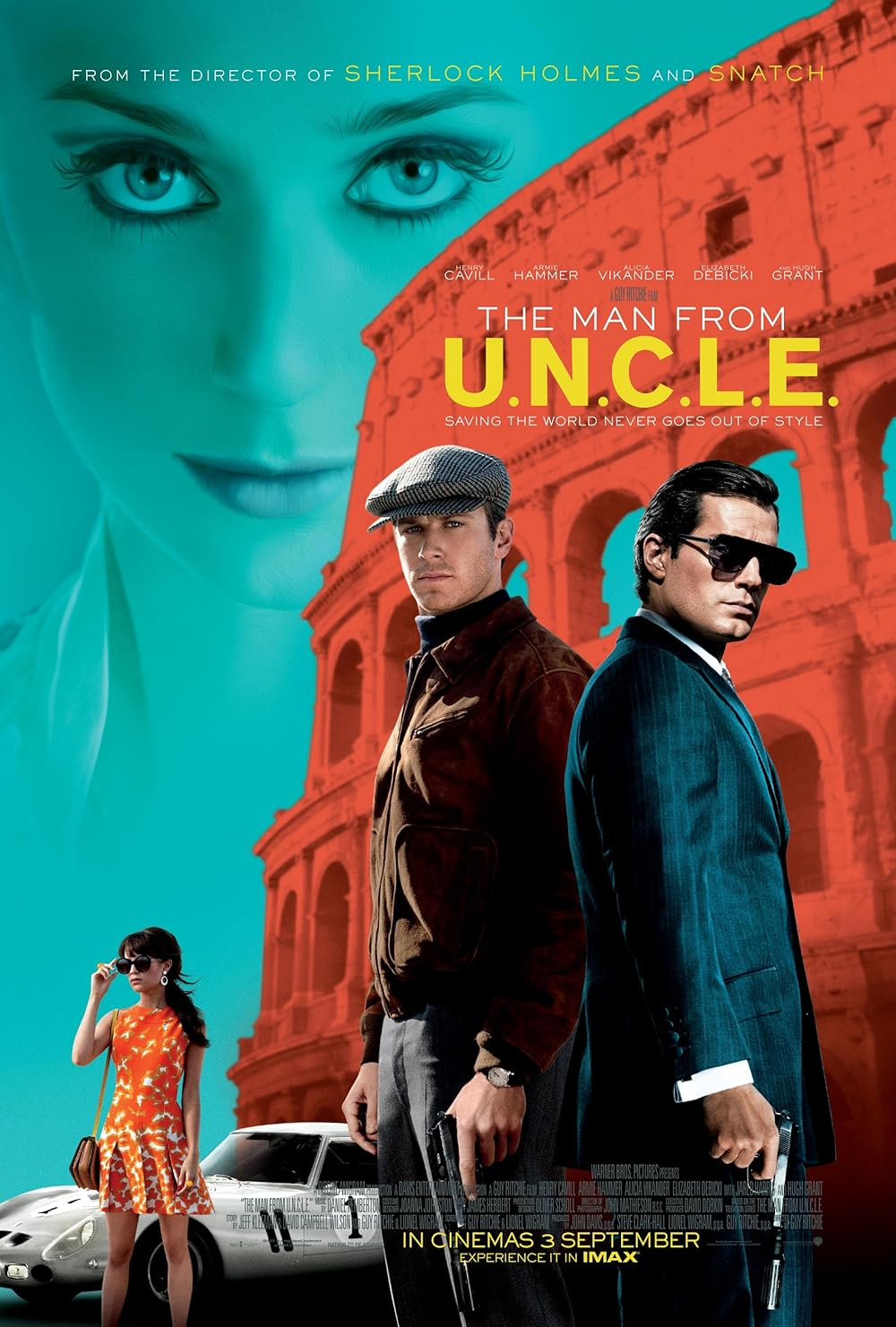
Perhaps one of the clearest examples of a movie that simply waited for the world to meet it in a less demanding format. Slick, charming, and unserious in exactly the right way, it did not become the franchise starter some expected. But over time it became a favorite among viewers looking for suave comfort entertainment rather than theatrical urgency.
IMDB: https://www.imdb.com/title/tt1638355
8. Scott Pilgrim vs. the World
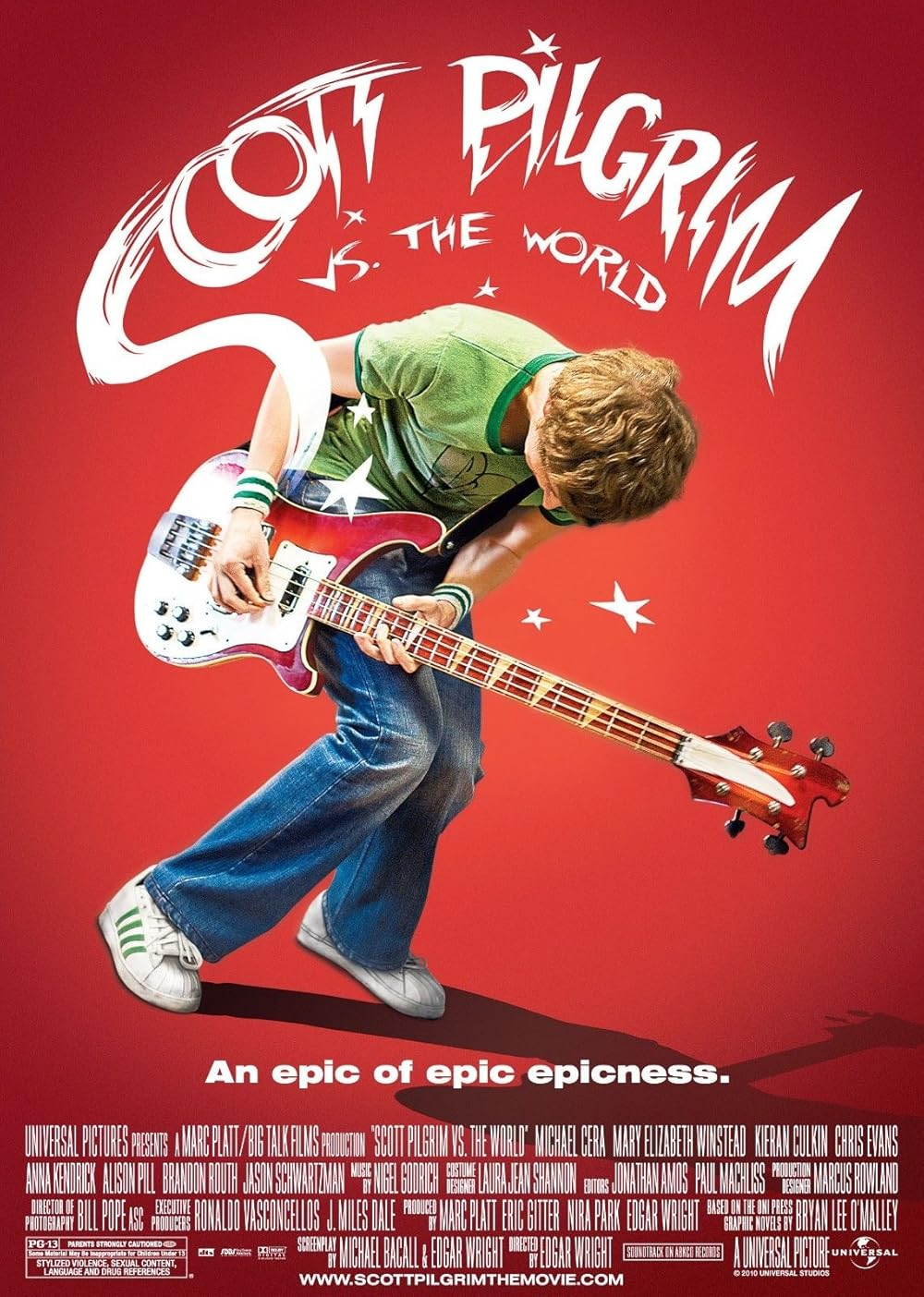
An all-time case study in bad initial fit and superb long-tail culture. Too particular, too stylized, and too niche-coded to become a mass theatrical breakout in its moment, it later turned into a pop-culture touchstone whose language, visuals, and tone proved much more durable than the opening-weekend numbers.
IMDB: https://www.imdb.com/title/tt0446029
9. Hugo
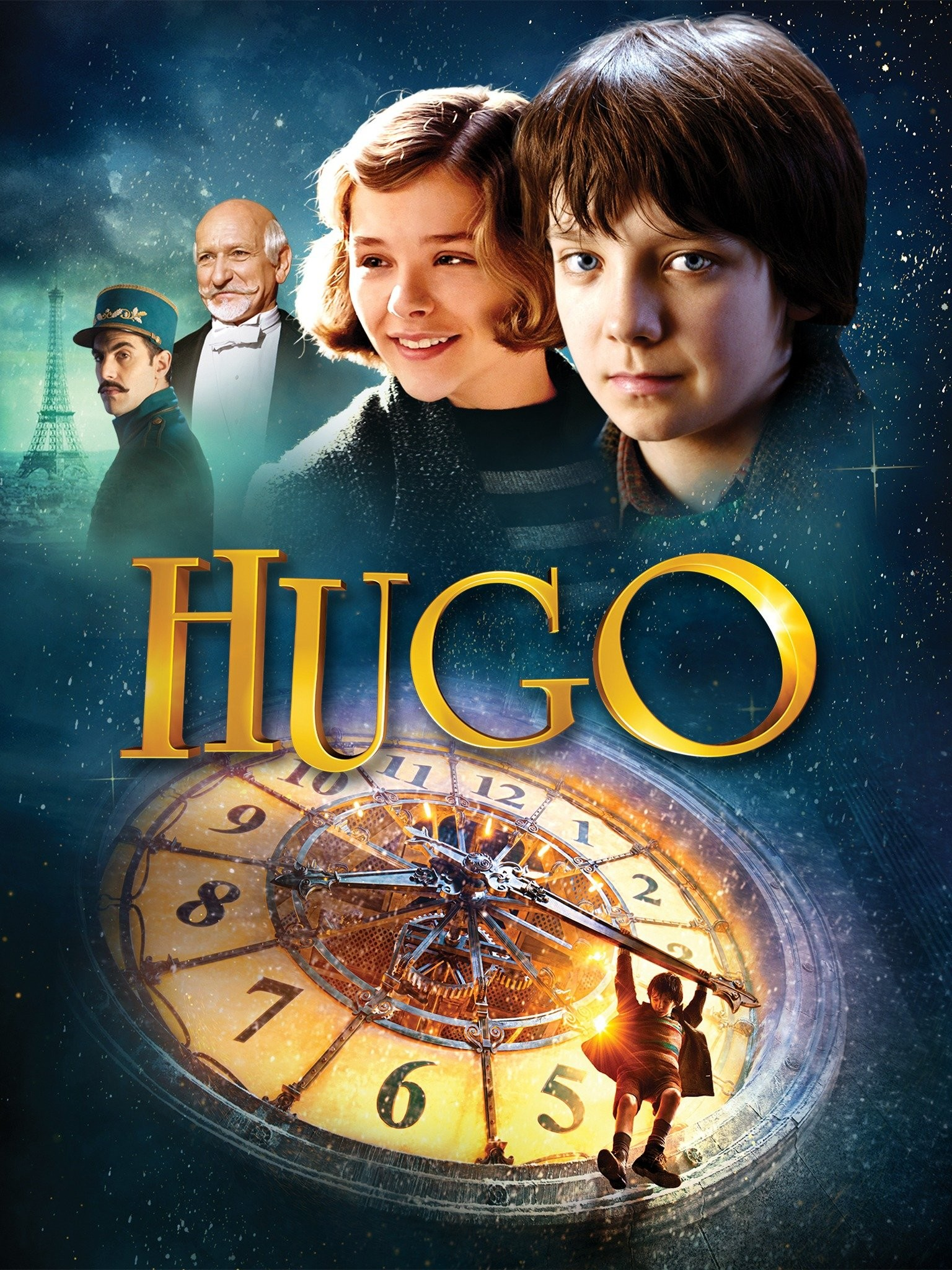
Prestige, awards respect, and box-office disappointment all at once. It looked expensive, lush, and worthy, but its theatrical economics never reflected its artistic esteem. Over time, it became easier to appreciate as a family-and-cinephile crossover discovery rather than a pressured box-office test.
IMDB: https://www.imdb.com/title/tt0970179/
10. The Master
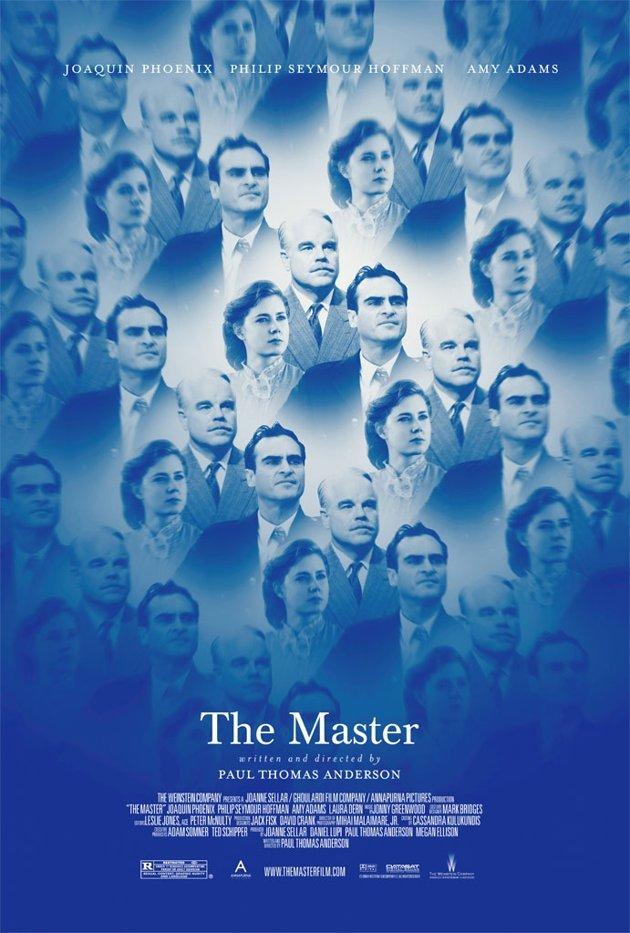
The sort of film that was never really built to thrive on opening-weekend logic. It belonged to the slower rhythm of rewatching, discussion, and gradually earned reverence. It is a reminder that some “underperformers” are simply adult films caught inside a marketplace that overrewards immediate scale.
IMDB: https://www.imdb.com/title/tt1560747/
11. Under the Skin
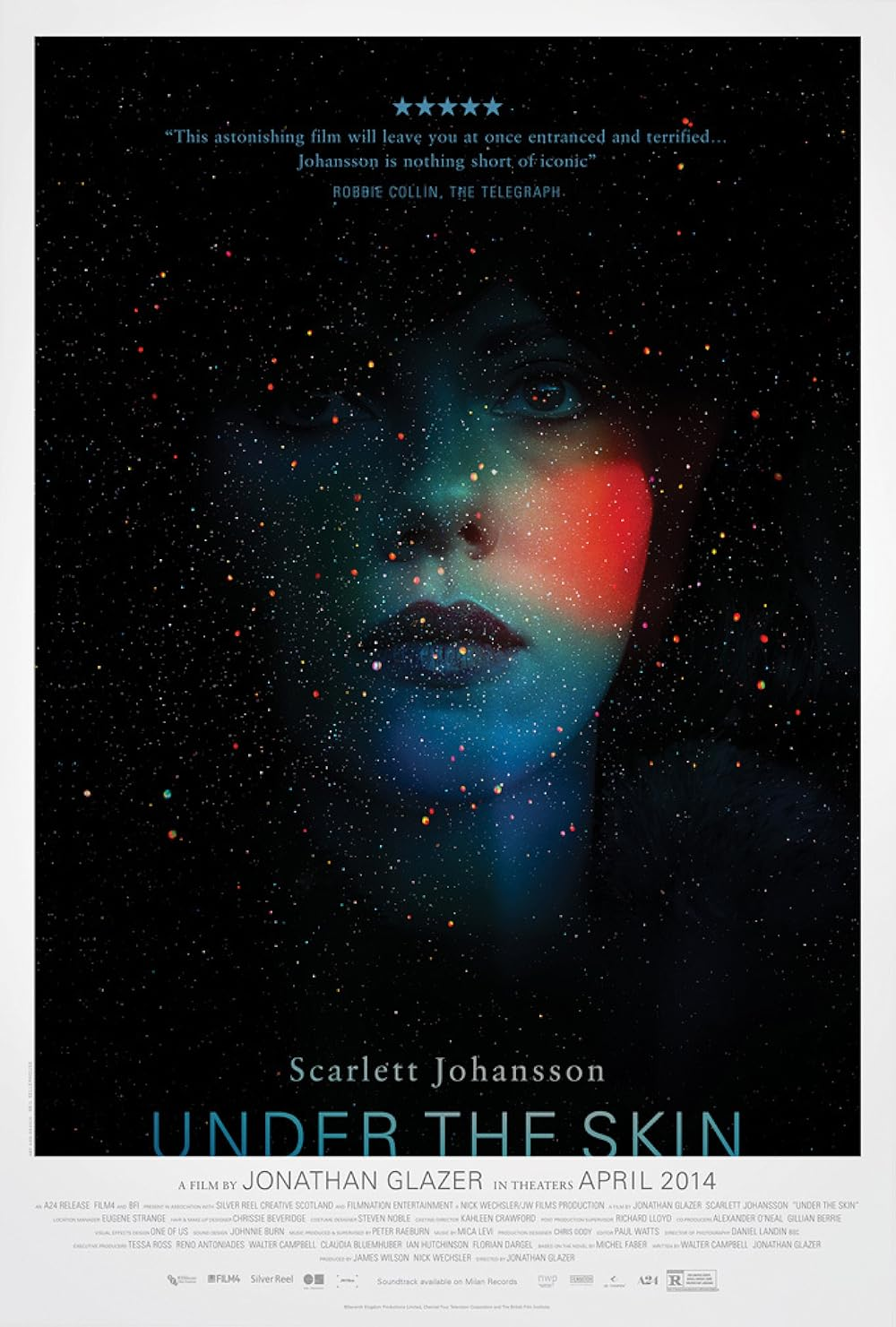
One of the purest examples of a movie whose real audience was always going to be smaller, slower, and more devoted than theatrical accounting likes. It made little money but became a cult touchstone because its haunting, alienating texture rewards discovery, rereading, and home-viewing concentration.
IMDB: https://www.imdb.com/title/tt1441395
12. Mandy
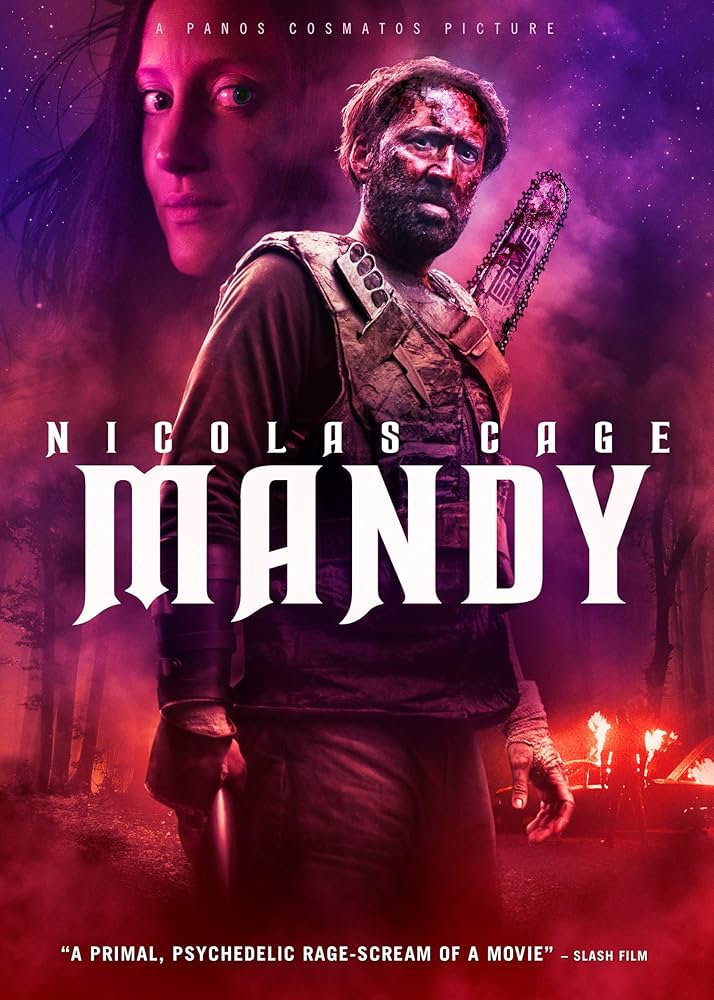
Exactly the kind of midnight, color-saturated, Nicolas Cage-fueled fever dream that was never destined to live and die by theatrical gross. It found its audience the way many cult objects do: through recommendation, ritual, and the intensity of niche devotion once viewers could access it more casually.
IMDB: https://www.imdb.com/title/tt6998518/
13. Ambulance
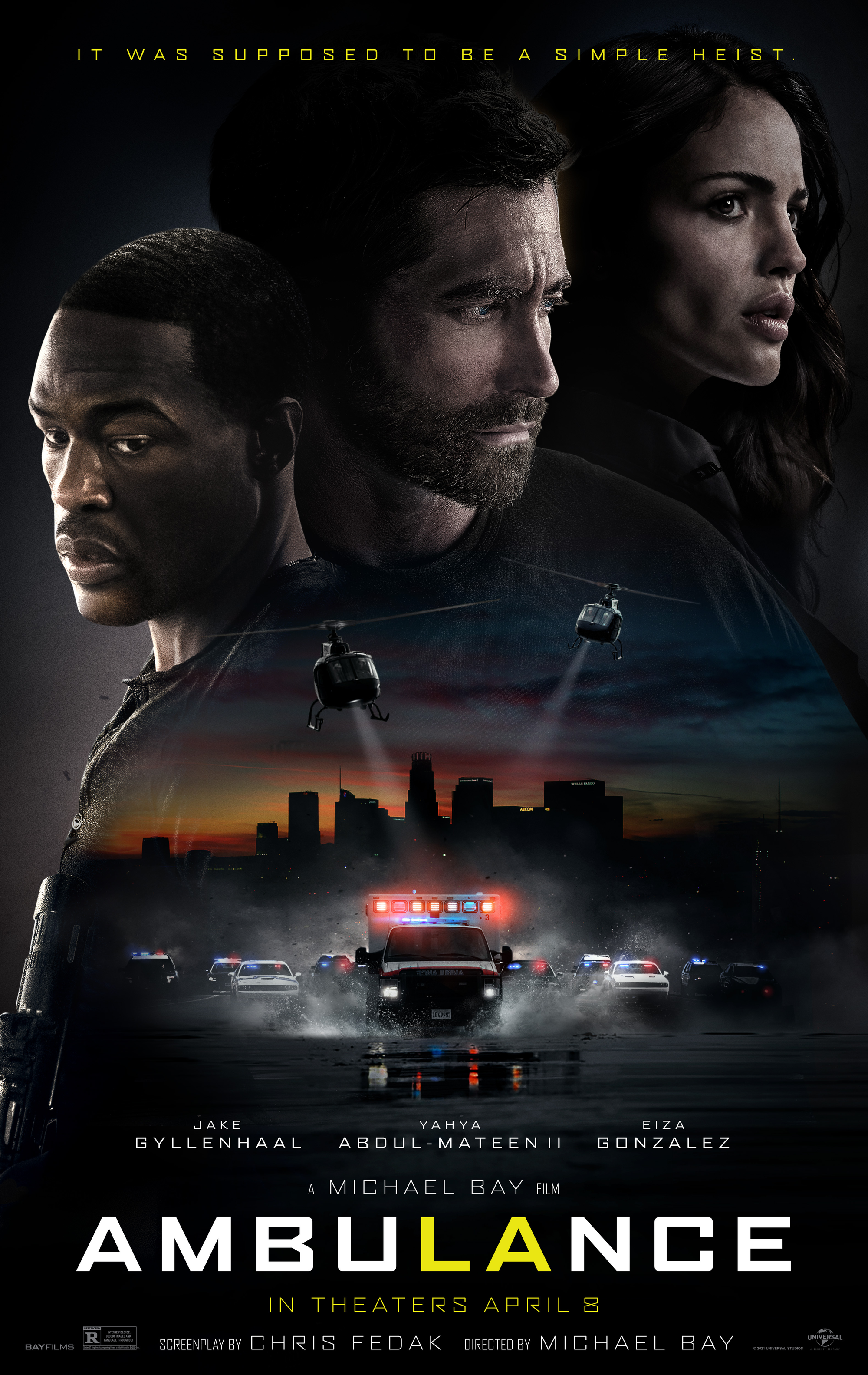
A big Michael Bay action movie that somehow played like a future streaming favorite even while it was still in theaters. It had noise, speed, stars, and recognizable craft, but it did not land theatrically the way a more IP-driven action title might have. At home, however, it fits the “put this on and enjoy the chaos” mode extremely well.
IMDB: https://www.imdb.com/title/tt4998632
14. Copshop
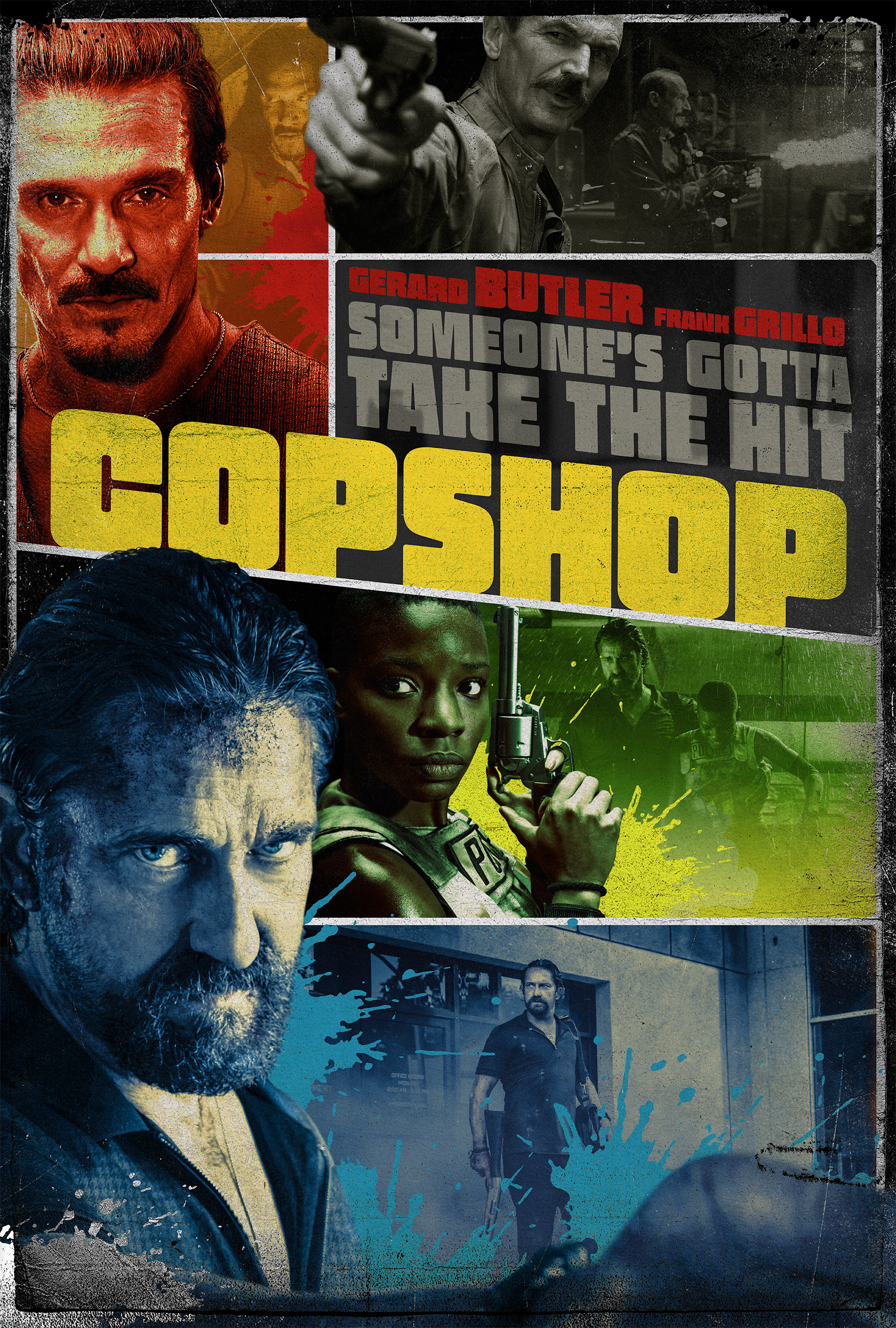
A compact, satisfying genre machine that never really got the broad theatrical chance it deserved. But as a streaming discovery, it makes immediate sense: a sharp setup, contained tension, and enough attitude to reward anyone who stumbles across it on a quiet night.
IMDB: https://www.imdb.com/title/tt5748448
15. The Guest
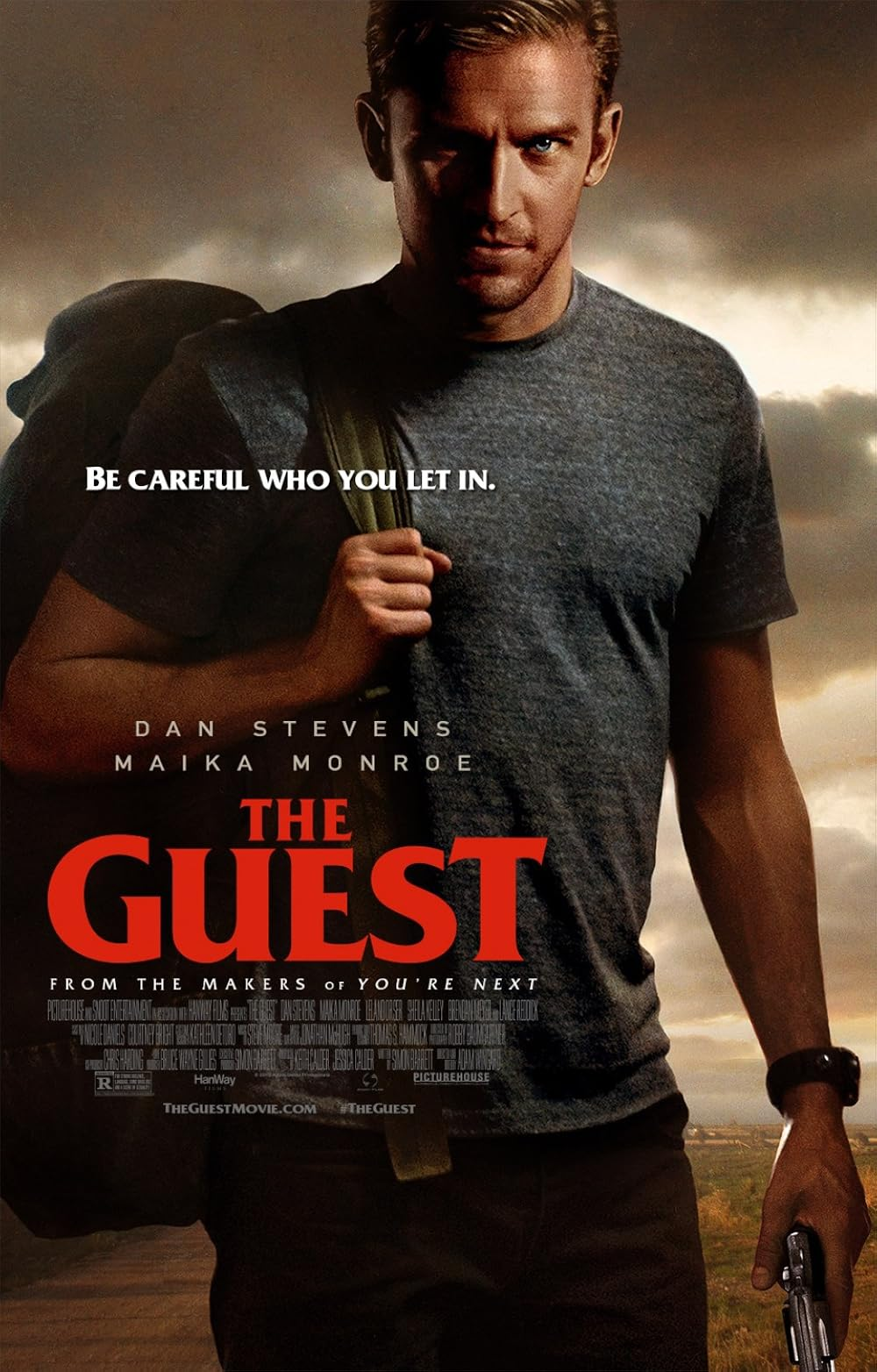
Too off-kilter and tonally unusual to be a natural mainstream theatrical winner, but nearly perfect as a cult-adjacent streaming recommendation. It is stylish, strange, and exactly the kind of movie people love to tell friends, “You have to watch this; it’s weirder than you think.”
IMDB: https://www.imdb.com/title/tt2980592
16. Free Fire
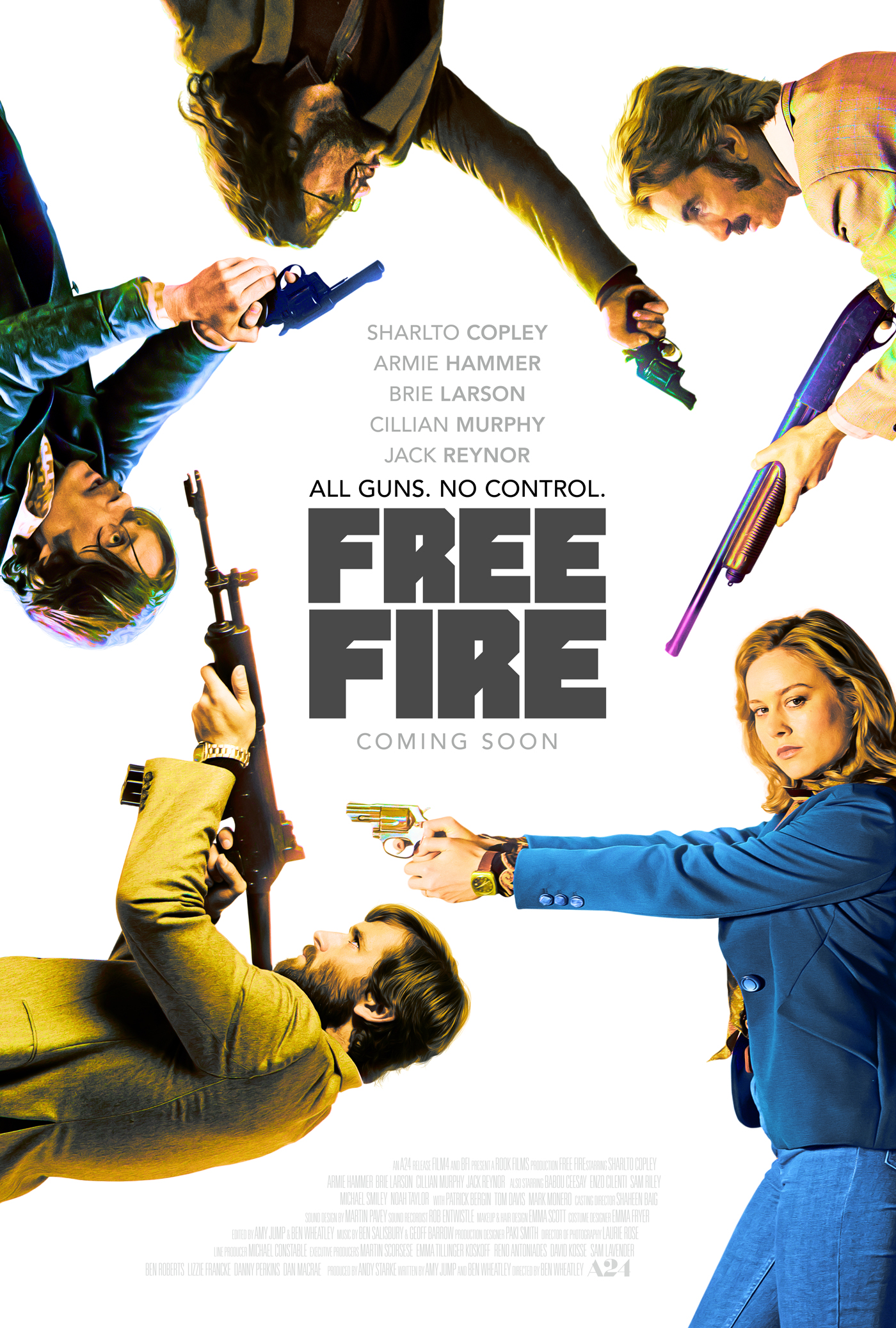
A film that feels built for discovery rather than broad launch. Its locked-in concept and black-comic violence make it memorable, but not necessarily event-sized. That is precisely why a later digital life suits it better. It works as a surprise find.
IMDB: https://www.imdb.com/title/tt4158096
17. A Goofy Movie
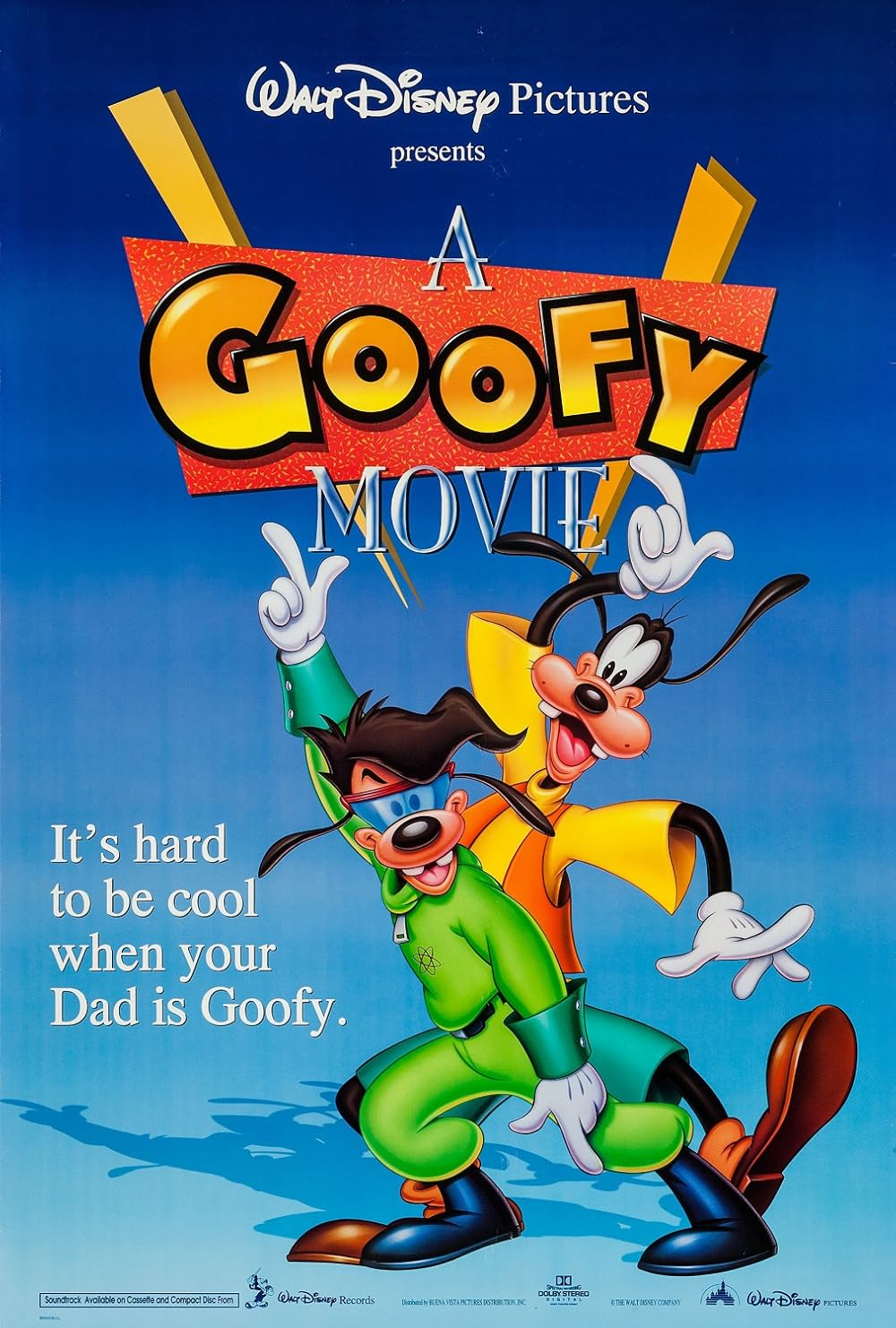
An essential reminder that the “second life” pattern predates streaming. It underwhelmed theatrically, then grew through home video into something much larger, eventually becoming a true cult-family favorite. Streaming later only intensified a process that VHS had already begun. It proves that some movies were always destined to become household objects rather than opening-weekend conquests.
IMDB: https://www.imdb.com/title/tt0113198
18. Dazed and Confused
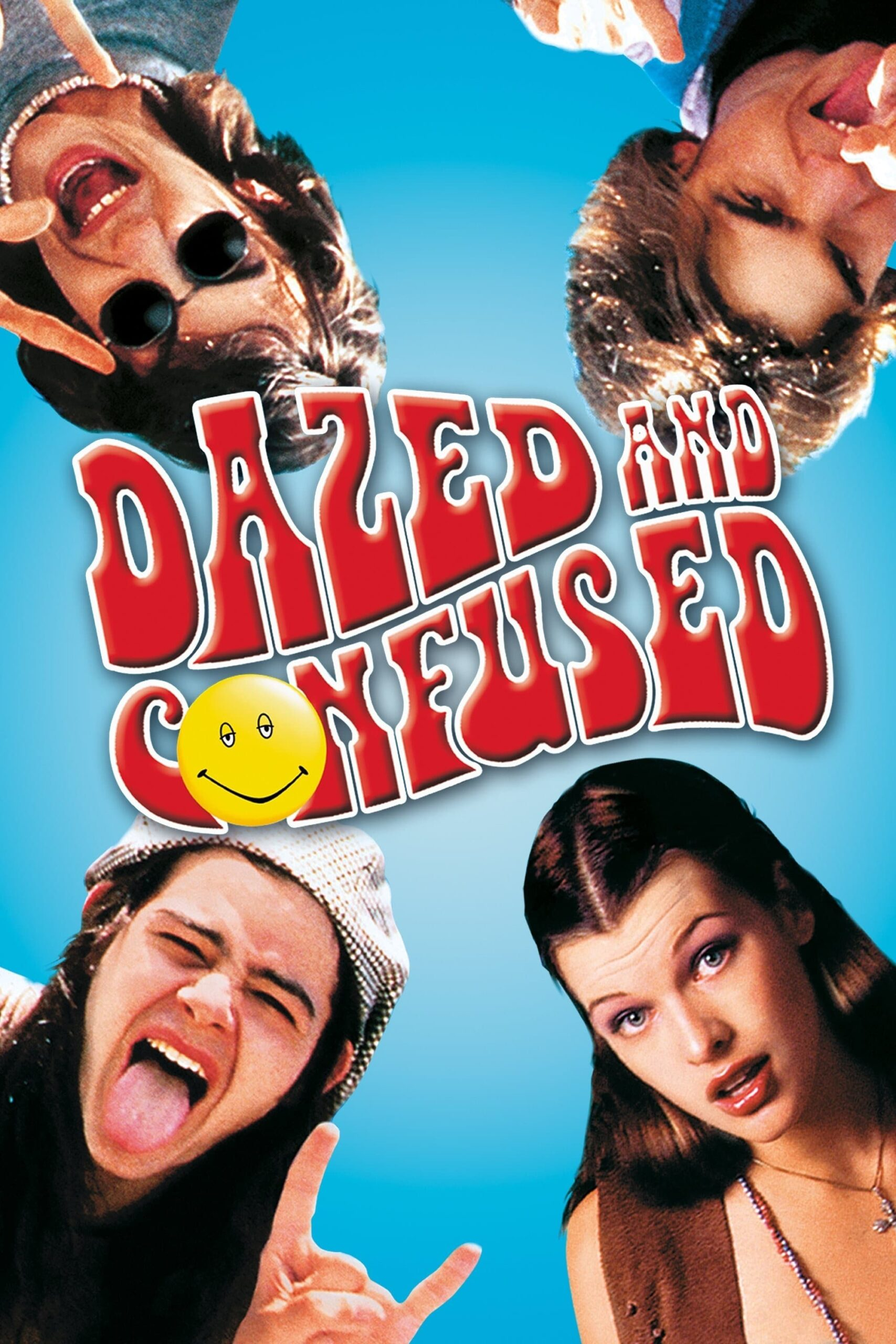
Another excellent example of the long-tail model before streaming had a name. Theatrically modest, culturally enormous later. Its afterlife grew through repeated viewing, quote circulation, generational handoff, and the fact that some movies are simply more powerful once they become social rituals rather than commercial tests.
IMDB: https://www.imdb.com/title/tt0106677/
19. DEBS
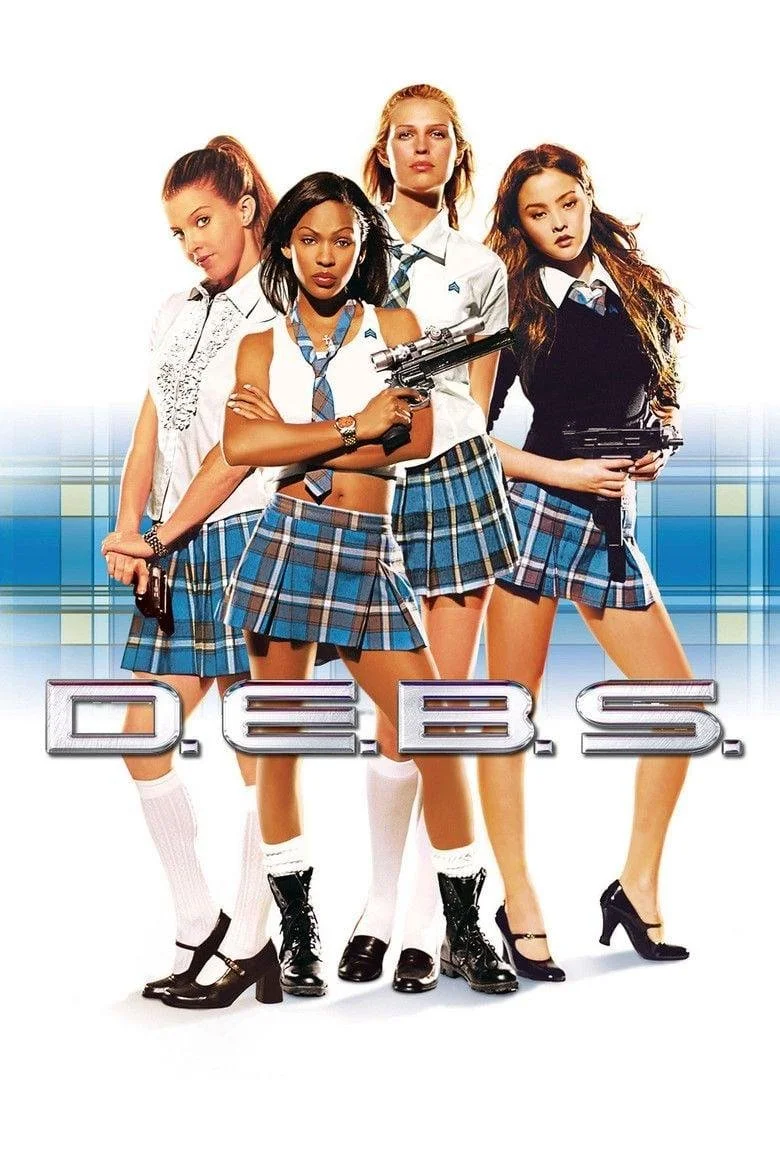
A box-office dud that transformed into a queer cult classic over time. It is one of the best examples of how an initially small or rejected movie can become culturally durable once communities adopt it, pass it around, and keep it alive beyond the market logic that first dismissed it.
IMDB: https://www.imdb.com/title/tt0367631/
20. Super Mario Bros. (1993)
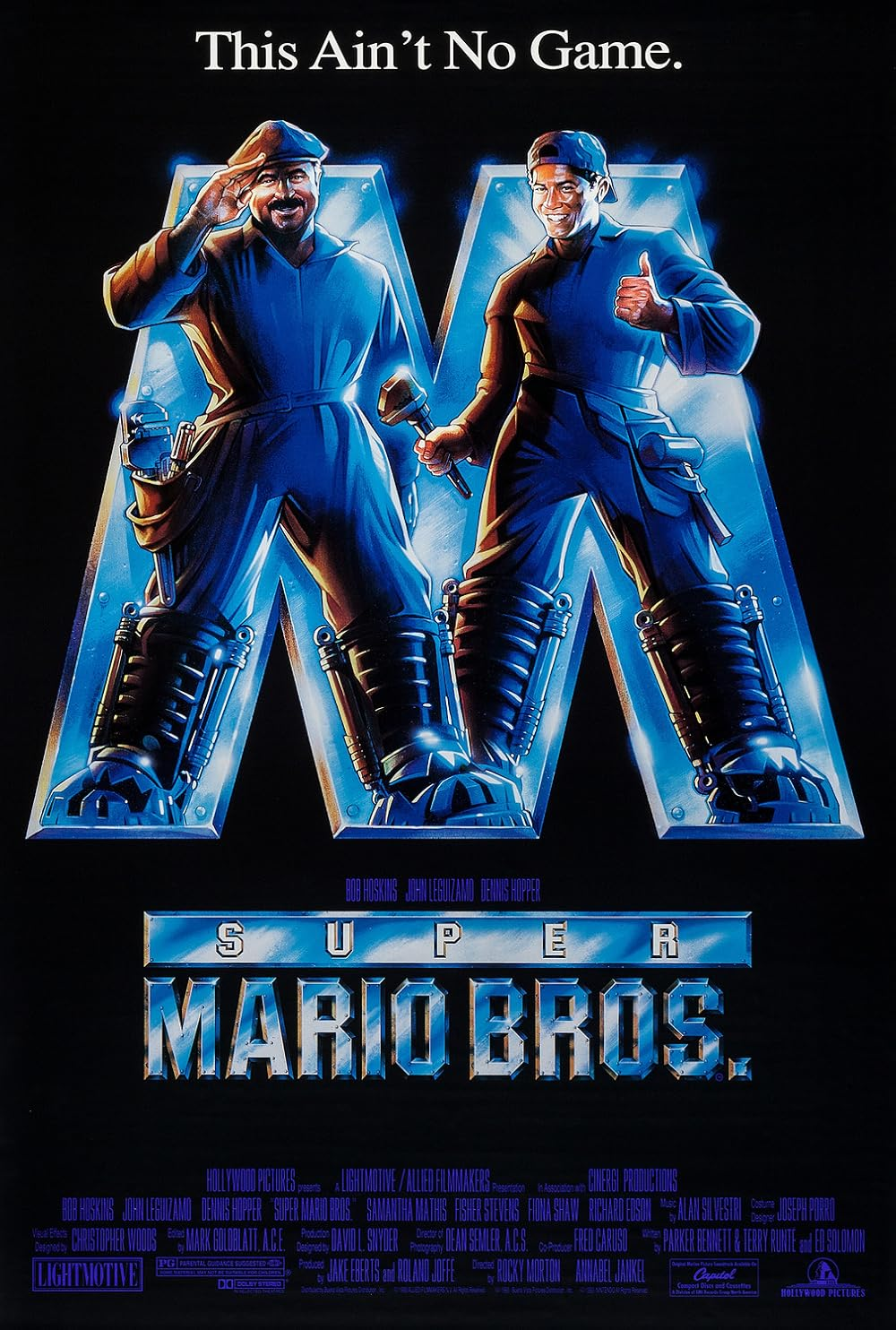
A disaster in its original release and later reclaimed in strange, selective ways. It is not a clean “streaming hit” story so much as a warning that the afterlife of a film can become more complicated than its first reputation. Cultural shame can mellow into camp affection, curiosity, and eventual reclassification.
IMDB: https://www.imdb.com/title/tt0108255/
The long-tail lesson hidden inside all 20 examples
These movies do not all share one genre, one budget level, or one kind of audience. What they share is a mismatch between what theatrical release demanded and what the movie naturally offered.
Some were too quirky.
Some were too expensive-looking without being urgent.
Some were too audience-specific.
Some were too weird for their marketing.
Some were simply more enjoyable in a domestic setting.
Some needed cult repetition rather than broad opening-weekend buy-in.
Some did not really fail artistically at all — they just entered the market under conditions that made their strengths harder to see.
This is why long-tail audience fit matters more than ever. A movie’s true home may not be the multiplex, even if the industry still treats theatrical performance as the first and loudest form of legitimacy. Streaming does not automatically redeem a weak film. But it frequently reveals when a film’s real strength lies in comfort, curiosity, repeatability, mood, or delayed discovery rather than instant event status.
Platform changes meaning
It also matters where the movie lands.
A broad action-comedy can thrive once it hits a platform associated with easy, casual entertainment. A strange sci-fi film may do better in a service environment where cinephile browsing and prestige discovery are stronger. A family title can become gigantic when one household watches it over and over. A cult object may not need huge streaming minutes at all; it may need clips, memes, social recirculation, and low-friction access long enough for the right viewers to claim it.
Streaming is not just a second chance. It is a new interpretive frame.
The movie is the same. The context is different.
And context, increasingly, is half the story.
Why Hollywood still gets this wrong
Because money arrives fastest in theaters, and Hollywood loves early clarity.
A theatrical result still affects careers, sequel plans, studio confidence, and media narratives. That is why the opening-weekend verdict remains so loud. But culturally, it is becoming a less complete judgment. A film can fail financially on the big screen and still succeed as:
- a streaming favorite,
- a cult text,
- a family staple,
- a social-media object,
- a comfort rewatch,
- or a prestige rediscovery.
The word flop no longer does enough explanatory work on its own. It describes a theatrical outcome. It does not always describe a movie’s whole life.
Final word: some movies were always better built for later
The most useful way to think about this is not that streaming “saves” movies.
It is that streaming often reveals what kind of relationship a movie was really meant to have with viewers.
Some films are opening-night films.
Some are recommendation films.
Some are ritual films.
Some are “try this at home” films.
Some are sleepover films, rainy-Sunday films, meme films, family-loop films, cult-midnight films, or quietly obsessive rewatch films.
Theatrical release still matters. But it is no longer the only serious test of cultural life.
Sometimes the movie everyone called a flop was just waiting for the first format that asked the right question.