Do Bugs Have Minds? The Growing Case for Widespread Consciousness in the Animal Kingdom
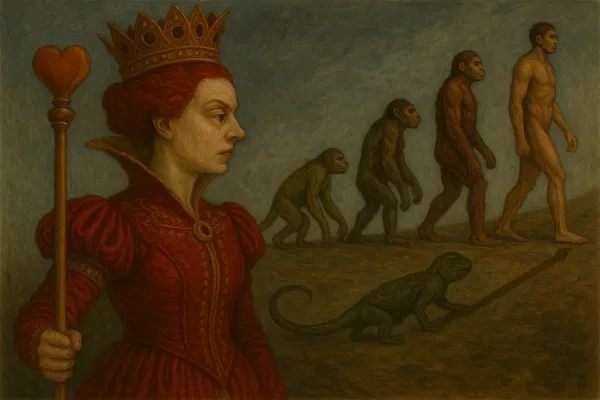
For much of scientific history, the question of consciousness in animals has been framed in narrow terms. Humans were seen as the peak of awareness, with other mammals—especially primates and some birds—considered dim echoes of our selfhood. Creatures lower on the evolutionary ladder, particularly insects, were dismissed as mere biological machines, operating through instinct and reflex rather than awareness.
But new research is forcing a radical rethink. A convergence of studies in behavioral science, neuroscience, and evolutionary biology now suggests that consciousness—the capacity to feel, perceive, and perhaps even experience a sense of self—may be far more widespread across the animal kingdom than previously believed.
And at the center of this debate, surprisingly, are insects. Tiny, complex, and often overlooked, they may hold clues that force us to reconsider what it means to be conscious.
Defining Consciousness: What Do Scientists Mean?
Before diving into the evidence, it’s important to define terms. Consciousness is notoriously slippery, but in scientific contexts, it often refers to:
Subjective experience: The ability to feel “what it is like” to be something (e.g., to feel pain, hunger, or curiosity).
Perception and awareness: The ability to process sensory inputs in a way that creates internal models of the world.
Flexibility of behavior: Going beyond fixed reflexes to make choices based on context and learning.
In humans, consciousness is tied to advanced brain regions. But researchers increasingly believe that simpler nervous systems may also generate basic forms of awareness, even without the complexity of a human-like brain.
Mammals, Birds, and Beyond: Expanding the Circle
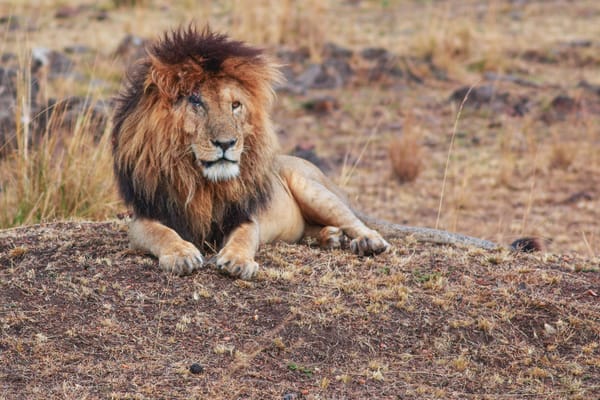
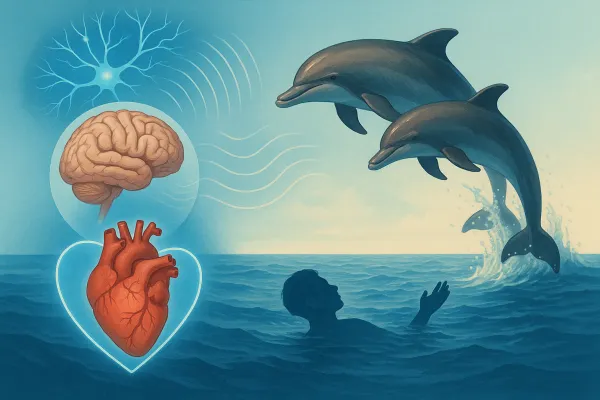
It’s long been accepted that mammals like chimpanzees, dolphins, and elephants exhibit clear markers of consciousness. They use tools, recognize themselves in mirrors, grieve for dead companions, and communicate in sophisticated ways.
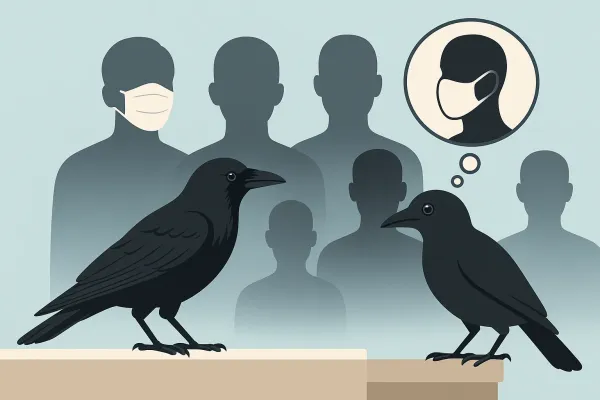
Birds, too, have entered the circle. Crows and ravens demonstrate problem-solving skills rivaling those of primates. Parrots not only mimic speech but also understand abstract concepts like numbers and categories.
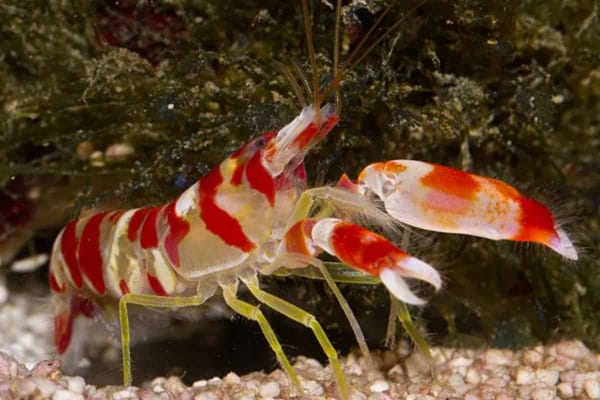
More recently, octopuses—long thought of as clever but alien—have stunned researchers with their problem-solving, playfulness, and even apparent boredom or mischief. In 2022, the UK legally recognized octopuses, crabs, and lobsters as sentient beings in its animal welfare legislation.
But the boldest leap in thinking has come with insects.
The Case for Insect Consciousness
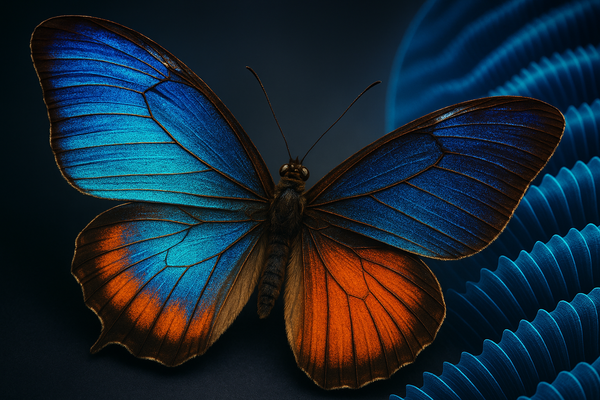
For years, insects were dismissed as automatons, running on hardwired reflexes. After all, their brains are tiny—a bee’s brain has fewer than a million neurons, compared to about 86 billion in humans.
Yet size, it turns out, may not be the deciding factor.
1. Bees Can Count and Recognize Faces
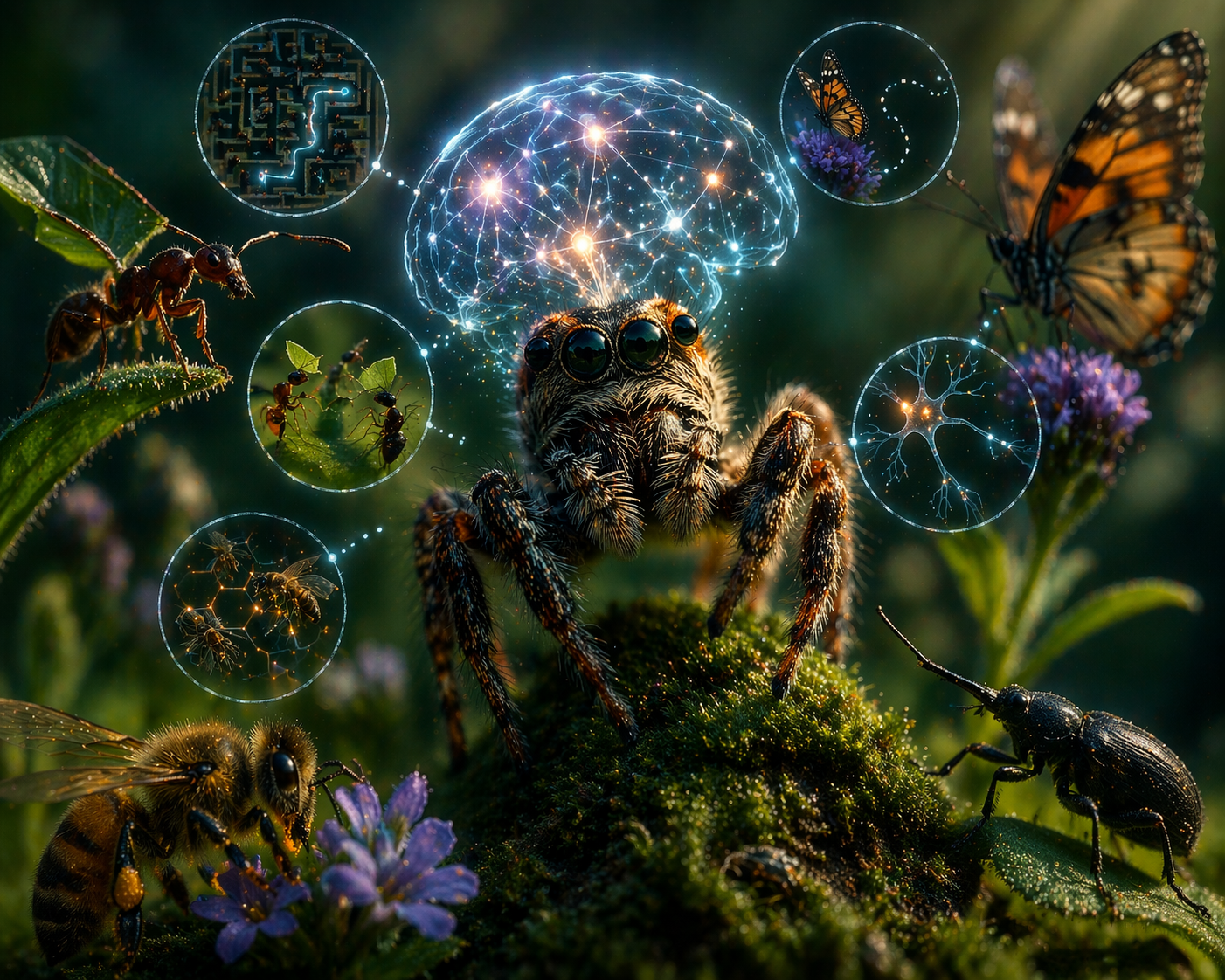
Experiments have shown that bees can:
Count up to four or five.
Recognize and remember human faces.
Navigate complex mazes by learning rules.
These abilities require more than reflex; they suggest learning, memory, and abstract representation.
2. Signs of Emotion in Bees
In a 2016 study, bees shaken to simulate stress became more likely to interpret ambiguous signals negatively—essentially showing signs of pessimism. This kind of emotional state was once thought exclusive to higher animals.
3. Flexible Decision-Making
Flies and ants have demonstrated the ability to adapt strategies, pause before acting, and weigh different outcomes—behaviors implying choice and evaluation rather than mechanical response.
4. Neural Evidence
Insects have centralized brain regions, such as the mushroom bodies in bees, which function similarly to mammalian hippocampi (responsible for memory and learning). Though simpler, these structures could support basic forms of subjective experience.
Evolutionary Biology: Why Consciousness Might Be Widespread
One argument for widespread consciousness comes from evolutionary continuity.
Consciousness is not necessarily an all-or-nothing phenomenon; it may exist in degrees, shaped by natural selection.
If subjective awareness provides a survival advantage (e.g., recognizing threats, learning from mistakes, seeking rewards), then it would be favored across many lineages—not just mammals.
From this perspective, insects, cephalopods, and even some crustaceans may have independently evolved their own forms of awareness.
In other words, consciousness may not be rare and exceptional, but a common feature of nervous systems that reach a certain threshold of complexity.
Ethical Implications: Rethinking How We Treat Animals
If insects and other non-mammals have even a basic form of consciousness, the implications are profound.
1. Agriculture and Pollination
Bees are critical pollinators for global food systems. Recognizing them as conscious beings would add urgency to efforts to protect them from pesticides and habitat loss.
Industrial agriculture often treats insects as disposable. A new ethical lens could change pest-control practices.
2. Animal Welfare
Just as octopuses were recently added to animal welfare laws, future legislation could extend rights and protections to insects or other small creatures.
This challenges us to balance human needs with ethical responsibility toward beings we once assumed were incapable of suffering.
3. Conservation and Biodiversity
If more animals are recognized as conscious, the moral case for preserving ecosystems becomes even stronger.
Protecting habitats is no longer just about preserving balance, but about defending sentient lives.
The Skeptics: Is It Really Consciousness?
Not all scientists are convinced. Skeptics argue that:
Behaviors like counting or navigation may be advanced but still mechanical, not requiring subjective awareness.
Neural similarities don’t prove inner experience; they may just reflect efficient computation.
Consciousness could require a threshold of complexity that insects never reach.
This debate is ongoing. What is clear, however, is that the line between conscious and non-conscious creatures is blurring.
Shifting the Paradigm
The recognition of widespread consciousness would represent a paradigm shift as significant as the realization that Earth is not the center of the universe. Just as science humbled us by revealing that humans are not unique in biology, it now suggests we may not be unique in experience.
The animal kingdom, from elephants to ants, may be filled with countless points of view—tiny centers of awareness, each experiencing the world in its own way.
Conclusion: Expanding the Circle of Minds
The new research suggests that consciousness is not a rare jewel of human minds, but a widespread thread woven throughout life itself. Mammals, birds, cephalopods, and yes—even insects—may all have inner experiences.
This realization challenges us not just scientifically but ethically. It forces us to ask: What responsibilities do we bear toward beings that can feel?
Perhaps the greatest lesson of this research is humility. We are not alone in having minds. We share the Earth with billions of other conscious creatures—some as large as whales, others as small as bees. And the choices we make, from farming to conservation, may shape not just ecosystems but the very lived experiences of countless beings whose awareness is only now beginning to be recognized.