

Exorcism History Is Far More Interesting Than Exorcism Myth
If you search exorcism online, you usually run straight into the myth before you ever reach the history.
The myth is loud, cinematic, and instantly recognizable: a possessed person, a violently blasphemous outburst, flying furniture, distorted voices, a desperate priest, a ritual showdown, and a demon that behaves almost like a theatrical villain. That version is so dominant that many people now meet exorcism first through horror fiction, not through religious history. But the actual history of exorcism is older, broader, and much less dependent on the visual grammar created by modern film. Britannica notes that exorcism has existed in multiple religions and that, in Christianity, it developed as a regulated ritual for expelling evil spirits from persons, places, or things.
That is why exorcism history versus exorcism myth is a better search battle to fight. The interesting question is not simply whether exorcisms “really happen” in the horror-movie sense. The better question is how a long religious and cultural history was compressed into one pop-culture image so powerful that it now shapes public expectations of possession, ritual, and even the supernatural itself. History.com’s overview of exorcism in Christianity traces the practice back through the Gospels and later church development, while Britannica emphasizes that the Roman Catholic Church carefully regulates formal exorcism under canon law.
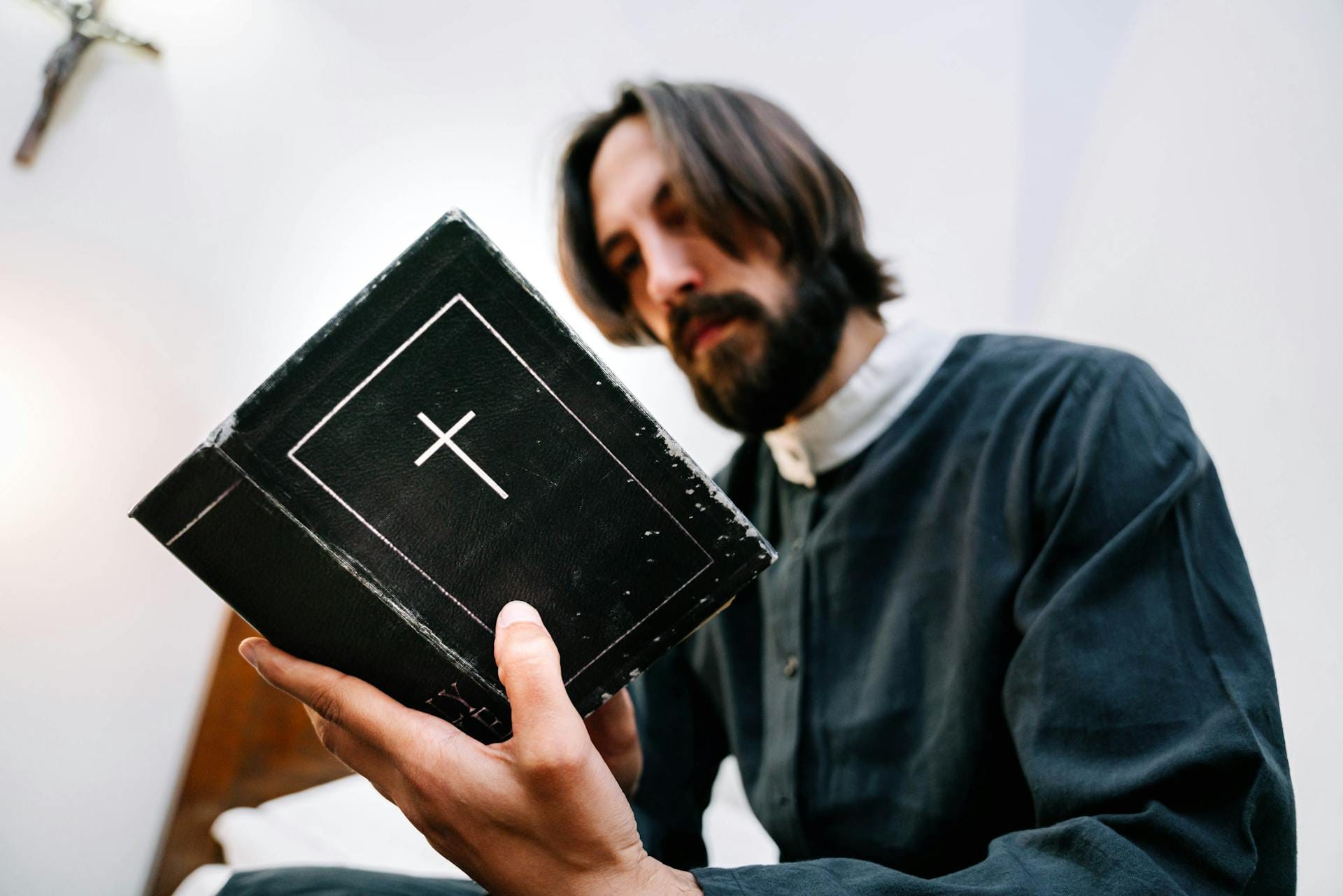
The deeper story is much richer. Exorcism began as part of a broader religious world in which spirit affliction, ritual purification, sacred speech, and protection from evil were widely intelligible. Over time, different traditions handled this differently. Christianity made exorcism especially visible because the Gospels present Jesus casting out demons, and later churches developed ritual practices around that model. But the modern public image of exorcism was shaped at least as much by cinema—especially The Exorcist—as by liturgical history. Smithsonian notes that The Exorcist changed how the public imagined related supernatural practices, and History.com says the 1973 film had a huge influence on horror and on the cultural profile of exorcism itself.
What Exorcism Historically Meant
Historically, exorcism was not invented by modern Catholic horror. It belongs to a much wider religious history.
Britannica defines exorcism broadly as the expulsion of evil spirits from persons or places, and also notes that many preliterate or non-Christian traditions developed rites to ward off or expel harmful spiritual forces. Britannica’s student summary similarly states that exorcism was used not only in Christianity but in Buddhist and Taoist traditions, and that in earlier cultures such rites could also be used preventively against illness or misfortune.

That matters because it corrects a common modern misconception: exorcism is not one single ritual invented by one church and then copied by movies. It is better understood as a family of ritual practices tied to belief in hostile or intrusive spiritual forces. Different traditions framed those forces differently, but the underlying logic was familiar: if harmful presence can afflict a person, object, or place, then ritual authority may be required to remove it.
In Christianity, exorcism became especially central because the New Testament portrays Jesus as casting out demons and giving that authority symbolic weight. History.com notes that Christians saw Christ as the foundational exorcist and that the practice became a sign of divine authority in early Christianity. The Guardian’s reporting on Catholic exorcism teaching quotes a priest making the same historical point: that Christ was regarded as the first exorcist in the Christian tradition.
How the Christian Tradition Changed Over Time
One reason public understanding gets confused is that “Christian exorcism” sounds fixed and timeless when it was actually shaped by historical change.
In early Christianity, exorcistic practice was more diffuse. Over time, however, formal authority narrowed. Britannica’s student entry says that while early Christianity allowed broader participation, by about 250 CE only certain clergy were permitted to perform the rite. Britannica also notes that, in the Roman Catholic Church, exorcism later became carefully regulated by canon law and incorporated into the Roman Ritual.
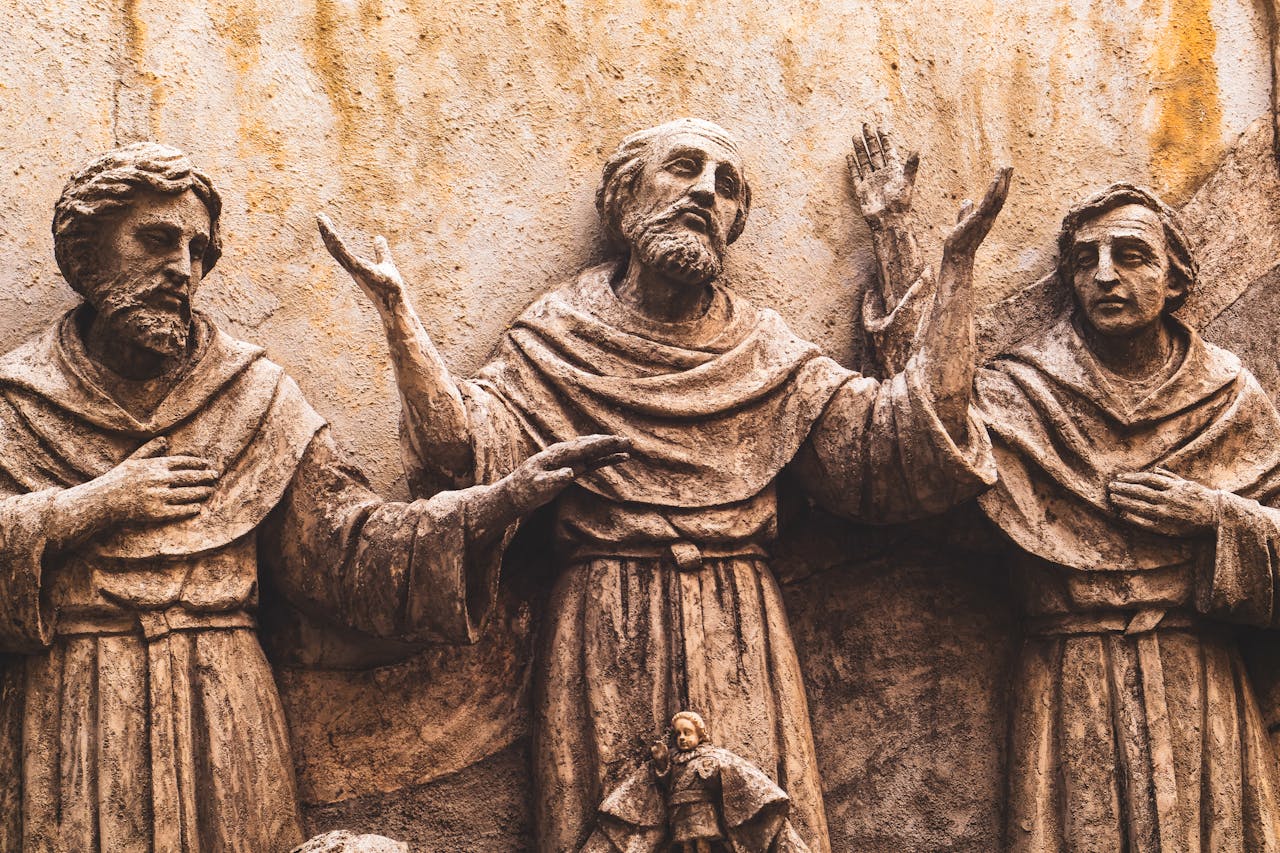
That transition matters because it shows exorcism moving from a more charismatic or widely distributed religious practice into a more bureaucratically controlled one. This is one of the least cinematic but most historically important parts of the story. The Church did not simply celebrate dramatic possession cases. It also tried to regulate who could claim authority over them.
The practice was also affected by larger intellectual and institutional shifts. Britannica’s history of Christianity notes that during the Enlightenment, exorcisms within the Roman Catholic Church were suppressed, while Protestant churches often abandoned the practice. That tells us something crucial: exorcism did not just exist continuously at the same intensity. It rose, changed, narrowed, and was sometimes marginalized depending on larger theological and cultural trends.
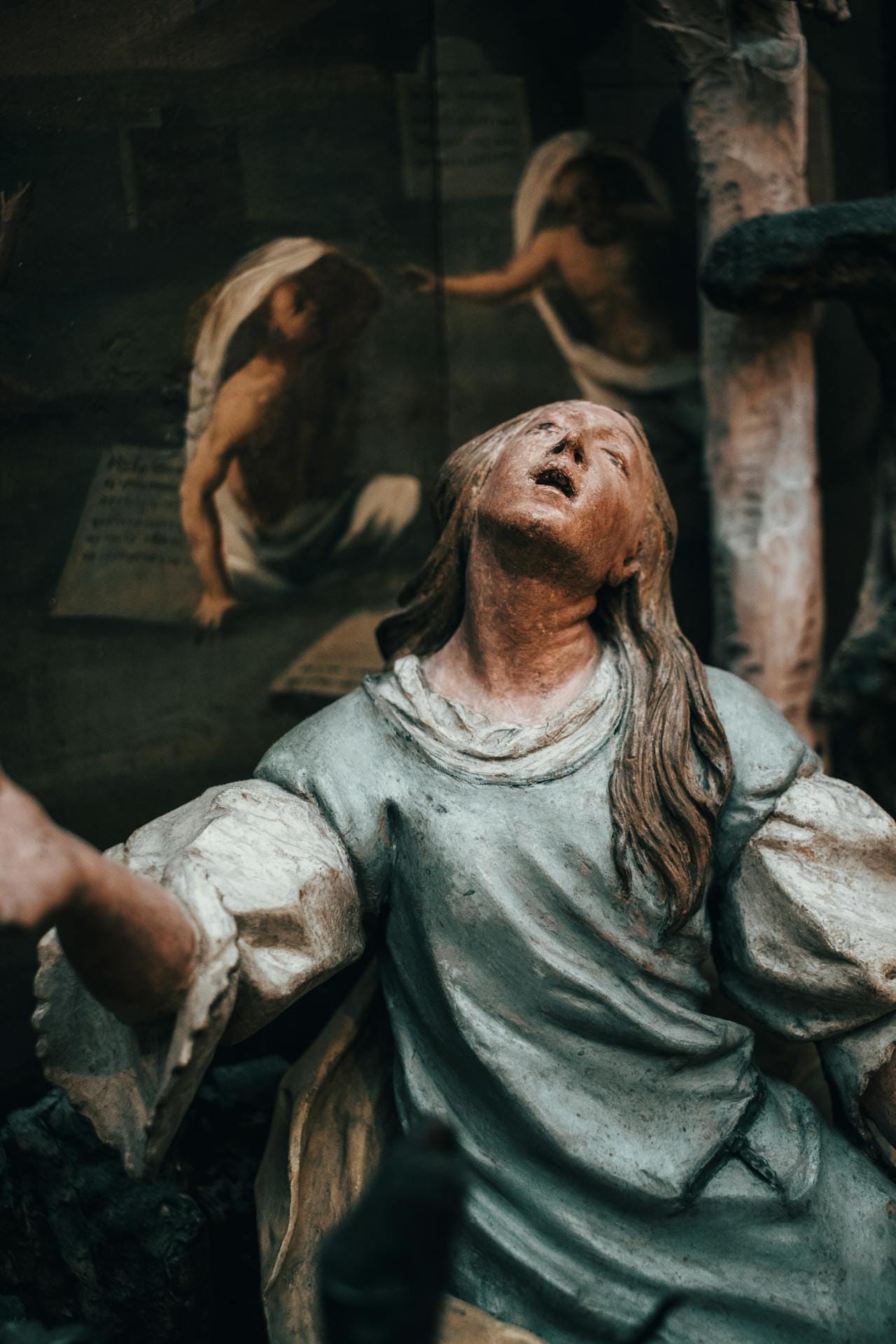
The Catholic Rite: More Controlled Than Movies Suggest
If pop culture has taught people anything, it is usually that a Catholic exorcism is chaotic, improvised, physically explosive, and nearly indistinguishable from a horror set piece.
The historical and institutional reality is far more controlled. Britannica says the Roman Catholic Church carefully regulates exorcism under canon law, and the rite is contained in the Roman Ritual. Vatican materials also distinguish exorcism from broader popular piety and place it within official religious discipline rather than folk improvisation.
That does not mean the Church treats the subject lightly. It means the opposite. Formal exorcism is handled as something serious enough to require authorization, ritual order, and institutional oversight. This is a major contrast with the mythic public image, where almost any priest with enough courage can grab a crucifix and begin a dramatic confrontation. The real tradition is much more guarded.
This difference also explains why exorcism myths remain so sticky. Regulation is not exciting. Deliberation is not cinematic. Screening for mental illness, pastoral caution, and ritual formalism do not produce the same emotional response as a demon roaring in Latin. But the quieter, regulated reality is historically more representative than the film version.
Possession Folklore and the Gap Between Belief and Ritual
Another source of confusion is that people often blend possession folklore with formal exorcism history as if they were the same thing.
They are related, but not identical.

Possession folklore includes local beliefs about spirits, demons, curses, jinn, witchcraft, polluted places, taboo violations, and moral contamination. Formal exorcism, by contrast, is a ritual response shaped by institutional or religious authority. In many societies, stories about spirit attack or demonic oppression circulated far more widely than formal ritual practice itself. Britannica’s entries on demons and exorcism make clear that many cultures had spirit-expulsion traditions, not all of which were identical to later formal church rites.
This distinction matters because many “real exorcism stories” online are really hybrid stories: part folklore, part modern horror vocabulary, part religious testimony, part rumor. By the time such stories reach digital audiences, they often carry layers from all of these traditions at once.
That is one reason exorcism search content gets so distorted. The audience is rarely encountering clean liturgical history. They are encountering a fusion of religion, legend, sensational journalism, and cinema.
How The Exorcist Rewrote Public Understanding
If there is one single reason the myth now dominates the history, it is The Exorcist.
William Peter Blatty’s novel appeared in 1971, and the film followed in 1973. Britannica’s film entry notes that the movie was loosely based on accounts of a 1949 exorcism case involving a 13-year-old boy known under pseudonyms such as “Roland Doe” or “Robbie Mannheim.”
That already tells us something important: the most famous exorcism story in modern culture was not simply ancient church history. It was a modern literary and cinematic adaptation built around a reported mid-20th-century case, then amplified by one of the most influential horror films ever made. History.com says the 1973 film had enormous cultural influence on horror and public perception, while Smithsonian notes that The Exorcist reshaped how people viewed related supernatural objects and occult themes.
Cinema did several things at once here.
It standardized the look of possession
Before modern horror, possession was not fixed in popular imagination as one universal performance style. The Exorcist gave the public a dominant visual script: bodily distortion, violent aversion to sacred symbols, profane speech, voice transformation, and extreme physical manifestation. That script now shapes audience expectation so strongly that many people implicitly judge “real” possession stories against a fictional template.
It dramatized the priest as combat hero
Historical exorcism is bureaucratic, regulated, and ritualized. The Exorcist reframed it as existential spiritual combat carried by individual priests under extreme pressure. That made for powerful cinema, but it also personalized a practice that was historically institutional.
It fused Catholic ritual with horror spectacle
The film’s force came partly from treating liturgical symbols—Latin prayer, crucifixes, holy water, clerical authority—as visually potent anti-demonic technology. That image remains culturally powerful even among people with little direct familiarity with Catholic ritual. History.com explicitly ties the film to a wider horror transformation in the 1970s.
It made exorcism culturally portable
After The Exorcist, exorcism ceased to be primarily a religious topic and became a general pop-cultural language for demonic horror. Countless later films, books, television episodes, and internet stories borrowed its grammar. Even when they depart from Catholicism, they usually still operate in the imaginative space the film established.
Why the Myth Still Wins in Search
The myth wins because it is easier to market.
“Real exorcism history” requires nuance. It involves comparative religion, canon law, liturgical development, Enlightenment skepticism, and the uneasy overlap between belief and folklore.
“Exorcism myth” gives you:
- demons
- danger
- shock
- forbidden ritual
- true-story marketing
- visual horror
That is algorithmically stronger.
But it is also thinner.
The stronger search battle is to show that the ritual history is actually stranger and more revealing than the myth. The real history tells us how religions regulated fear, how institutions tried to control claims of supernatural affliction, how popular belief and official ritual diverged, and how modern film colonized public imagination so effectively that many people now mistake a movie grammar for ancient tradition.
What “Real Exorcism Stories” Usually Leave Out
When people search for “real exorcism stories explained,” they often expect a verdict: true or false.
But the more useful intervention is explanatory.
Many such stories leave out:
- the difference between folklore and formal ritual
- the role of institutional gatekeeping in churches
- the historical narrowing of who could perform rites
- the Enlightenment-era suppression or decline of exorcism in some contexts
- the way The Exorcist and related films standardized possession imagery
- the ambiguity around famous “true” cases, including exaggeration in retellings
The Guardian’s discussion of horror films “based on true stories” notes that later researchers found exaggeration in early reports around the case that helped inspire The Exorcist. That is a useful reminder that even the most culturally decisive exorcism myth emerged through layers of adaptation and embellishment.
Why the Historical Version Is More Interesting
The historical version is more interesting because it is not just a demon story. It is a story about:
- authority
- ritual control
- fear management
- theological legitimacy
- the border between religion and popular belief
- the ability of cinema to replace history in the public imagination
It also forces a more mature question: not “did a demon throw a chair?” but “how did a ritual practice rooted in ancient religious worldviews become one of modern horror’s most recognizable spectacles?”
That is a much better cultural question.
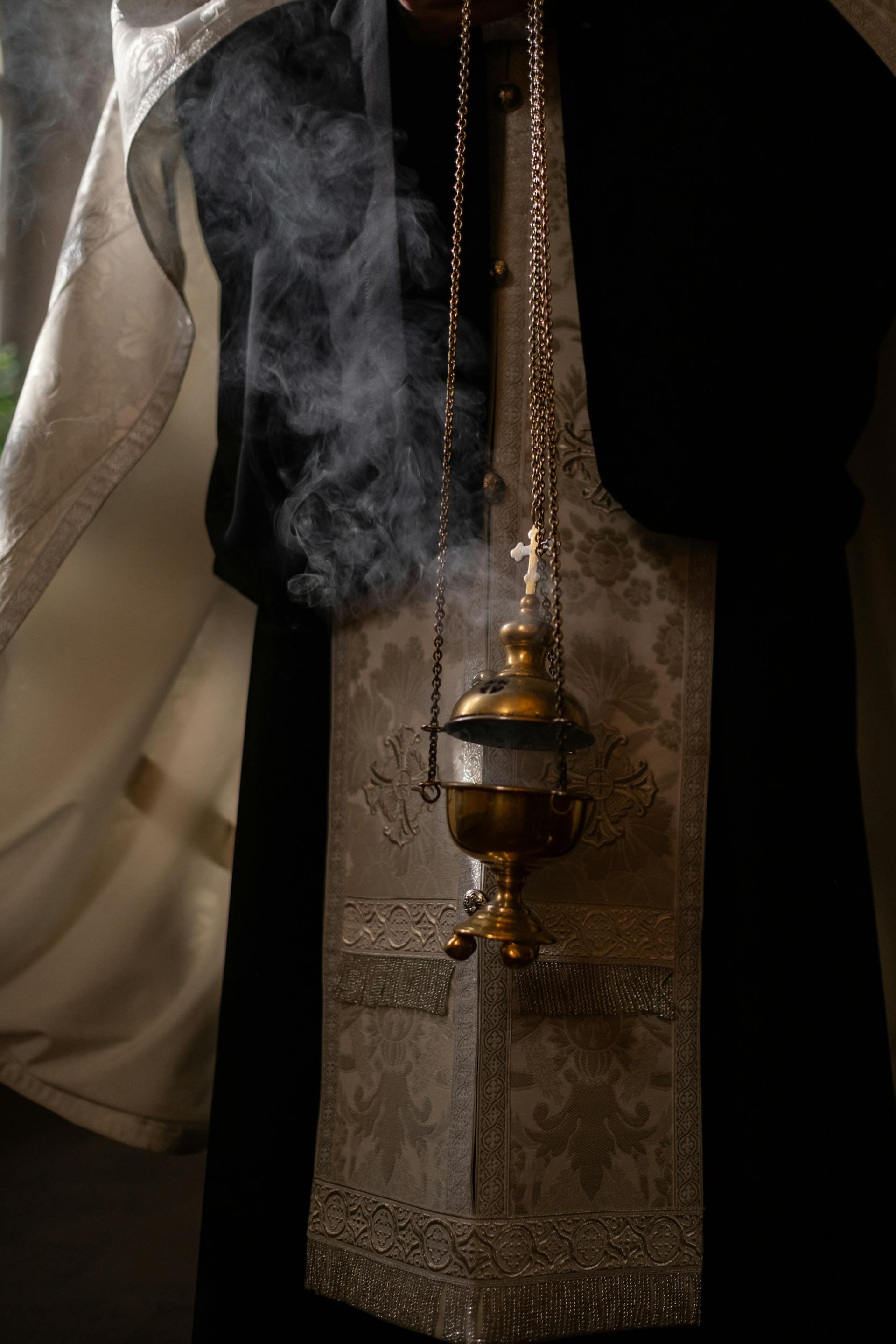
Exorcism history versus exorcism myth is the better search battle because the real history is broader, older, and more revealing than the pop-culture version. Exorcism has existed across multiple religious contexts as a ritual response to harmful spiritual forces, and in Christianity it became increasingly formalized, regulated, and restricted over time. The Roman Catholic Church still treats exorcism as a serious, controlled rite under canon law rather than as free-form supernatural combat.
But modern public understanding was reshaped decisively by cinema—especially The Exorcist, which standardized the visual and emotional language of possession for mass culture. Since then, many people have imagined exorcism less through liturgical history than through horror’s grammar of demonic spectacle. That is why the contrast matters so much: the myth is louder, but the history is smarter. And once you see how film took over the ritual in public imagination, exorcism stops being just a horror trope and becomes a story about religion, folklore, media power, and cultural memory.
FAQ
1. What is exorcism in historical terms?
Exorcism is the ritual expulsion of evil spirits or harmful supernatural forces from a person, place, or object. It has existed in multiple religious traditions, not only Christianity.
2. Is exorcism only a Catholic practice?
No. While Roman Catholic exorcism is the best-known formal version in popular culture, Britannica notes that exorcistic practices have existed in other religions and cultures as well.
3. How did the Catholic Church historically regulate exorcism?
Britannica says the Roman Catholic Church carefully regulates exorcism under canon law, and the rite is contained in the Roman Ritual. Over time, authority to perform it became restricted to certain clergy.
4. Did early Christianity always restrict exorcism to priests?
Not in the earliest phase. Britannica’s student summary says that in early Christianity the practice was broader, but by around 250 CE only certain clergy were permitted to perform the rite.
5. Did exorcism decline at any point in Christian history?
Yes. Britannica notes that during the Enlightenment, exorcisms within the Roman Catholic Church were suppressed, and Protestant churches often abandoned the practice.
6. How did
The Exorcist
change public understanding?
The 1973 film gave possession a vivid visual script and made exorcism central to modern horror. History.com says it had a huge influence on horror cinema, and Smithsonian notes it changed how related supernatural themes were perceived.
7. Was
The Exorcist
based on a real story?
Britannica says the film was loosely based on accounts of a 1949 exorcism involving a 13-year-old boy known by pseudonyms such as “Roland Doe” or “Robbie Mannheim.”
8. Are possession folklore and formal exorcism the same thing?
No. Possession folklore refers to culturally circulating beliefs and stories about spirits or demonic attack, while formal exorcism is a ritual response shaped by institutional religious authority. This distinction is supported by the broader religious history reflected in Britannica’s entries.
9. Why do exorcism myths still dominate online?
Because the mythic version is more dramatic and cinematic. Demon narratives, “true story” hooks, and horror imagery are easier to market than institutional ritual history. The dominance of The Exorcist in public imagination is a major reason.
10. What is the simplest takeaway?
The real history of exorcism is a long, regulated, religious ritual history, while the myth most people know today was heavily shaped by modern horror cinema—especially The Exorcist.


