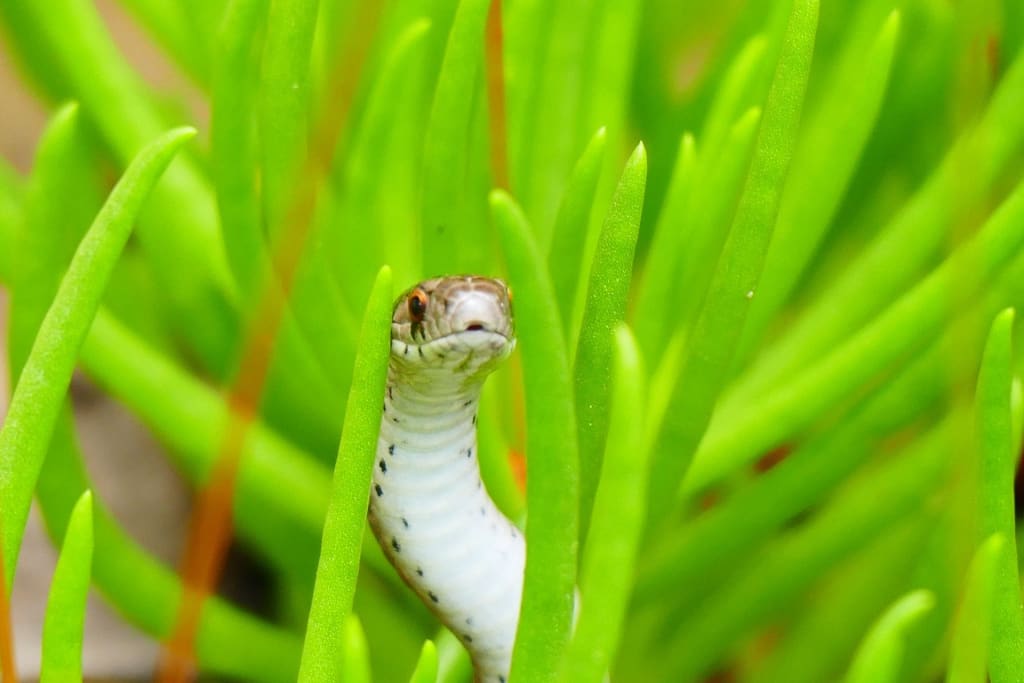
World Snake Day 2026: Celebrating One of Nature’s Most Misunderstood Animals
Every year on July 16, World Snake Day invites people to look beyond fear, folklore, and sensational headlines to appreciate one of the most diverse and ecologically important groups of animals on Earth.
Snakes have lived on the planet for millions of years. They occupy forests, deserts, wetlands, grasslands, oceans, farms, and even areas close to human settlements. Some are small enough to fit comfortably in a person’s hand, while others can grow longer than a vehicle. Some use venom to capture prey, some rely on constriction, and many simply swallow insects, frogs, fish, rodents, eggs, or other small animals.
Despite this remarkable diversity, snakes are often treated as though they are all aggressive, deadly, and eager to attack people.
That image is inaccurate.
Most snakes avoid humans whenever possible. Many species are nonvenomous, and even venomous snakes usually bite defensively when they feel trapped, threatened, stepped on, or handled.
World Snake Day exists to challenge those misconceptions while drawing attention to snake conservation, responsible coexistence, and the enormous public-health burden caused by snakebite in communities where people lack timely access to effective treatment.
The day is therefore not simply a celebration of unusual reptiles.
It is an opportunity to discuss three equally important truths:
- Snakes are essential parts of healthy ecosystems.
- Some snake species can pose serious risks and should be treated with caution.
- Human fear frequently leads to the unnecessary killing of harmless and beneficial animals.
When Is World Snake Day?
World Snake Day is observed annually on July 16.
In 2026, it falls on Thursday, July 16.
Museums, zoos, wildlife organizations, conservation groups, educators, and reptile enthusiasts use the occasion to promote accurate information about snake biology and encourage safer relationships between people and wildlife. The Florida Museum describes the day as an opportunity to challenge negative stereotypes and teach the public about snakes’ diversity, adaptations, and ecological value.
World Animal Protection similarly describes it as a global awareness day focused on appreciating snakes’ beauty, diversity, and role in nature.
Who Created World Snake Day?
The precise origin of World Snake Day is not clearly documented by a single internationally recognized institution.
Many awareness-day articles confidently repeat dates or founding stories without providing primary historical evidence. Unlike official United Nations observances, World Snake Day does not appear to have been established through a formal global resolution.
It is best understood as a grassroots wildlife-awareness observance that grew through the work of conservation organizations, zoos, educators, reptile keepers, and online communities.
Its uncertain origin does not diminish its usefulness.
The day has become an effective annual moment for replacing myths with evidence and encouraging the protection of reptiles that are frequently feared or persecuted.
What Is a Snake?
Snakes are elongated, limbless reptiles belonging to the suborder Serpentes.
They are closely related to lizards and share several reptilian characteristics, including:
- Scales
- Ectothermic body temperature regulation
- Lungs
- Internal fertilization
- Dependence on environmental heat
- Periodic shedding of skin
Snakes do not have external ears or movable eyelids. Their eyes are protected by a transparent scale, sometimes called a spectacle.
They detect the world through a combination of:
- Vision
- Smell
- Ground vibration
- Chemical sensing
- Heat detection in certain species
A snake’s constantly flicking tongue does not deliver venom or function as a weapon. It collects chemical particles from the air and surrounding surfaces, carrying them to the Jacobson’s organ in the roof of the mouth.
This system helps the snake locate prey, identify mates, recognize predators, and navigate its environment.
How Many Snake Species Exist?
More than 4,000 snake species are recognized worldwide, although the exact number changes as scientists describe new species and revise classifications.
They live on every continent except Antarctica.
Snakes are absent from some isolated islands, including Ireland, Iceland, and New Zealand’s main islands, although sea snakes may occur in surrounding waters in parts of the Pacific region.
Their habitats include:
- Tropical rainforests
- Dry deserts
- Agricultural land
- Mountains
- Rivers and lakes
- Mangroves
- Coral reefs
- Underground burrows
- Urban edges
This enormous range demonstrates that snakes are not one ecological type.
A tree-dwelling vine snake, a burrowing blind snake, a desert viper, and a sea snake face completely different environmental challenges.
Why Snakes Are Important
Snakes occupy both predator and prey roles within food webs.
They consume animals that might otherwise become excessively abundant, while also feeding birds, mammals, larger reptiles, and other predators.
Removing snakes from an ecosystem can therefore produce effects far beyond the disappearance of one species.
Natural Rodent Control
Many snakes eat rats and mice.
Rodents can:
- Destroy crops
- Contaminate stored food
- Damage buildings
- Spread disease
- Reproduce rapidly
A snake living near farmland may quietly consume many rodents without chemicals, traps, or human intervention.
This makes snakes valuable allies in agricultural areas.
Killing every snake encountered near a farm can unintentionally remove a natural predator and contribute to larger rodent populations.
Protecting Crops
Rodent control directly supports food security.
Rats and mice consume grain, fruit, vegetables, seeds, and animal feed. They also contaminate more food than they eat through urine, droppings, and nesting activity.
Snakes help reduce this pressure.
Their contribution may be especially important in regions where farmers have limited access to safe pest-control systems.
Supporting Biodiversity
Some snakes specialize in eating:
- Frogs
- Fish
- Insects
- Slugs
- Eggs
- Lizards
- Other snakes
This variety helps regulate multiple animal populations.
King cobras, for example, are famous for feeding primarily on other snakes. The Smithsonian’s National Zoo identifies the king cobra as the world’s longest venomous snake, with some individuals reaching approximately 18 feet.
Feeding Other Wildlife
Snakes are also prey.
They may be eaten by:
- Eagles
- Hawks
- Secretary birds
- Mongooses
- Wild pigs
- Foxes
- Large frogs
- Crocodilians
- Other snakes
Young snakes and eggs are particularly vulnerable.
A decline in snake populations can therefore affect predators that depend on them as food.
Contributing to Medical Research
Snake venom is not simply a poison.
It is a complex mixture of biologically active molecules evolved to affect blood, nerves, muscles, and other body systems.
Scientists have studied venom compounds while developing or improving treatments related to:
- Blood pressure
- Blood clotting
- Stroke
- Heart disease
- Pain
- Cancer research
- Neurological conditions
This does not mean snake venom should ever be used outside qualified medical research or clinical care.
It means that substances capable of causing harm can also provide valuable scientific information when studied carefully.
Venomous and Nonvenomous Snakes
One of the most important World Snake Day lessons is that not every snake is venomous.
Many species rely on:
- Constriction
- Speed
- Ambush
- Strong jaws
- Swallowing small prey directly
Boa constrictors, for example, are nonvenomous snakes that restrain prey through constriction.
Pythons are also nonvenomous.
The Burmese python is among the largest snakes in the world, commonly reaching around 10 to 16 feet, although size varies considerably.
Venomous snakes use specialized secretions delivered through teeth or fangs. Venom may help them:
- Immobilize prey
- Begin digestion
- Defend themselves
Even among venomous snakes, the level of danger to humans varies greatly.
Some species have:
- Mild venom
- Small venom yields
- Fangs positioned poorly for biting people
- Limited contact with humans
Others can cause life-threatening envenoming and require urgent medical treatment.
Venomous Is Not the Same as Poisonous
A venomous animal actively delivers toxin through a bite, sting, or specialized structure.
A poisonous animal causes harm when touched, eaten, or absorbed.
Most medically significant snakes are venomous rather than poisonous.
A small number of snake species can store toxins obtained from their prey, making the distinction more complicated in rare cases.
Why Snakes Bite
Snakes do not hunt humans.
People are too large to be prey for almost every snake species, although extremely large constrictors have very rarely attacked humans.
Most snakebites occur when a snake:
- Is stepped on
- Is surprised at close range
- Is trapped
- Is deliberately handled
- Is attacked or chased
- Is accidentally disturbed during farming
- Enters a home while seeking prey or shelter
Many bites occur when people attempt to capture or kill the snake.
The safest response to an unidentified snake is usually to create distance and allow it an escape route.
Snakes Generally Prefer Avoidance
A snake may respond to danger by:
- Freezing
- Fleeing
- Hiding
- Flattening its body
- Hissing
- Raising its head
- Vibrating its tail
- Pretending to be dead
- Producing a defensive smell
Biting is often a final option.
The Cleveland Museum of Natural History notes that snakes generally avoid people and commonly retreat or use defensive displays when given the opportunity.
The Global Snakebite Crisis
Celebrating snakes does not require ignoring the devastating consequences of venomous snakebite.
Snakebite envenoming is a major global public-health problem, particularly in rural communities where people work barefoot or sleep in homes that snakes can enter.
The World Health Organization estimates that approximately 5.4 million people are bitten by snakes annually, with between 1.8 million and 2.7 million cases of envenoming. Around 81,000 to 138,000 people die each year, while hundreds of thousands experience amputations or other permanent disabilities.
The burden falls disproportionately on:
- Farmers
- Agricultural workers
- Children
- Rural families
- People living far from hospitals
- Communities with inadequate antivenom supplies
- Low-income regions
Snakebite is classified by WHO as a neglected tropical disease.
The tragedy is not only that venom exists.
It is that many deaths could be prevented through:
- Faster transport
- Effective antivenom
- Trained healthcare staff
- Better hospital supplies
- Protective footwear
- Community education
- Safer housing
- Reliable reporting
Snakebite in Bangladesh
Bangladesh faces a substantial snakebite burden.
WHO cites an epidemiological estimate of approximately 589,919 snakebites and 6,041 deaths annually in Bangladesh, although exact figures are difficult to establish because many cases are never formally reported.
Risk can increase during:
- Monsoon flooding
- Agricultural activity
- Nighttime travel
- Sleeping on floors
- Rodent infestations
- Displacement of snakes from natural habitat
Public awareness must therefore balance conservation with practical safety.
People should not be encouraged to approach or identify dangerous snakes without training.
What to Do After a Snakebite
A suspected venomous snakebite is a medical emergency.
Recommended Immediate Actions
- Move away from the snake.
- Keep the person as calm and still as possible.
- Immobilize the bitten limb.
- Remove rings, watches, shoes, or tight clothing before swelling develops.
- Arrange immediate transport to a hospital capable of treating snakebite.
- Note the time of the bite.
- Describe the snake from a safe distance only when possible.
- Follow local emergency guidance.
What Not to Do
Do not:
- Cut the wound
- Suck out venom
- Apply chemicals or herbs
- Use electric shocks
- Give alcohol
- Apply ice directly
- Attempt to capture the snake
- Delay medical care while seeking traditional remedies
Tourniquets can cause severe tissue damage and should not be improvised unless a specific medically approved protocol for a known regional species directs otherwise.
First-aid recommendations can differ slightly depending on the snake type and country, so local health-authority guidance is important.
The universal priority is rapid professional medical care.
Should the Snake Be Killed for Identification?
No.
Trying to kill or carry the snake creates another opportunity for someone to be bitten.
Healthcare workers can often treat the patient based on symptoms, local species knowledge, examination, and available tests.
A photograph taken from a safe distance may occasionally help, but no one should move closer to obtain it.
Even a dead snake can bite reflexively.
Common Snake Myths
World Snake Day is an ideal time to correct popular misconceptions.
Myth 1: Every Snake Is Dangerous
Most snake species are not medically dangerous to humans.
Many are completely nonvenomous.
Myth 2: Snakes Chase People
A frightened snake may move in the same direction as a person because it is trying to reach shelter.
Some defensive species may advance briefly when cornered, but snakes do not normally pursue humans as prey.
Myth 3: Snakes Are Slimy
Snake scales are dry.
They may feel smooth, rough, or textured depending on the species.
Myth 4: A Triangle-Shaped Head Always Means Venomous
Some venomous snakes have broad heads.
Many harmless snakes flatten their heads defensively and appear triangular.
Head shape alone is not a reliable identification method.
Myth 5: Vertical Pupils Mean a Snake Is Venomous
Pupil shape is related partly to activity patterns and ecology.
Some venomous snakes have round pupils, while some harmless snakes have vertical pupils.
Myth 6: Baby Snakes Are Always More Dangerous
Young snakes can deliver medically significant bites, but the claim that they cannot control their venom and are always more dangerous than adults is an oversimplification.
Adult snakes generally carry more venom because they are larger.
Myth 7: Snakes Hypnotize Their Prey
Snakes do not possess supernatural hypnotic powers.
Prey animals may freeze from fear or defensive instinct.
Myth 8: Snakes Drink Milk
Snakes do not naturally seek milk.
A dehydrated snake may drink almost any available liquid, but milk is not appropriate food and may cause harm.
Traditional practices involving offering milk to snakes can stress the animals and place people at risk.
Myth 9: Every Cobra Dances to Music
Cobras do not dance to music.
They respond to the movement of the snake charmer and the perceived threat in front of them. Snakes do not hear airborne music in the way humans do.
Myth 10: Killing Snakes Makes an Area Safer
Indiscriminate killing can remove harmless rodent predators while doing little to address the conditions attracting snakes.
Reducing rodents, sealing buildings, clearing clutter, and improving awareness are often more effective.
Extraordinary Snake Adaptations
Snakes have evolved remarkable ways to survive without limbs.
Flexible Jaws
Snakes do not detach their jaws.
Their skull bones are connected by flexible ligaments, allowing the mouth to expand around prey much larger than the head.
The lower jaw is divided into two sides that can move somewhat independently.
Heat-Sensing Pits
Pit vipers, pythons, and some boas possess specialized heat-detecting organs.
These help them locate warm-blooded prey, including in darkness.
Sidewinding
Certain desert snakes move sideways across loose sand.
This reduces the amount of body touching the hot ground and improves movement on unstable surfaces.
Gliding
Flying snakes do not truly fly.
They launch from trees, flatten the body, and glide through the air using controlled undulating movements.
Swimming
Sea snakes spend most or all of their lives in marine environments.
They often have flattened, paddle-like tails and can remain underwater for extended periods.
Burrowing
Blind snakes and other underground species may have reduced eyes and compact heads adapted for moving through soil.
Playing Dead
Some species roll onto their backs, open their mouths, release unpleasant odors, and pretend to be dead when threatened.
The Largest and Smallest Snakes
Longest Snake
The reticulated python is generally recognized as the world’s longest living snake species.
Large individuals can exceed six metres, although such sizes are exceptional.
Heaviest Snake
The green anaconda is usually considered the heaviest living snake.
Its aquatic lifestyle supports an enormous, muscular body.
Longest Venomous Snake
The king cobra holds this distinction and can reach approximately 18 feet.
Smallest Snakes
Some threadsnakes measure only around ten centimetres as adults.
Their tiny size allows them to live underground and feed on insect larvae and eggs.
How Snakes Move Without Legs
Snakes use several forms of locomotion.
Lateral Undulation
This is the familiar S-shaped movement.
The snake pushes against rocks, soil, branches, or irregular surfaces.
Rectilinear Movement
Large snakes can move in a nearly straight line by using belly muscles and scales.
Concertina Movement
The snake anchors part of its body while extending another section forward.
This is useful in narrow spaces or on branches.
Sidewinding
The body touches the ground at only a few points as the snake moves diagonally.
Different species may switch methods depending on terrain.
How Snakes Eat
Snakes swallow prey whole.
They cannot chew like mammals.
Their digestive system handles fur, feathers, bones, and other tissues, although some indigestible material may be expelled.
A large meal can sustain some snakes for weeks or even months.
Metabolism depends on:
- Species
- Body size
- Meal size
- Temperature
- Activity level
- Reproductive condition
Snakes should not be described as constantly hungry predators.
Many spend much of their time resting, hiding, digesting, or waiting for prey.
How Snakes Reproduce
Most snakes reproduce sexually.
Depending on the species, they may:
- Lay eggs
- Retain eggs internally until they hatch
- Give birth to live young
Some female snakes can reproduce through parthenogenesis, producing offspring without recent fertilization by a male.
Parental care is uncommon but not absent.
Pythons may coil around eggs, and female king cobras are famous for constructing nests and guarding them for a period.
Why Snakes Shed Their Skin
A snake’s outer skin does not grow continuously with its body.
It must be shed periodically through a process called ecdysis.
Before shedding:
- The skin becomes dull.
- The eyes may appear cloudy or blue.
- The snake may hide.
- Feeding may decrease.
- Defensive behavior may increase.
The old outer layer is then removed, often in one piece.
Young snakes shed more frequently because they grow faster.
Threats Facing Snakes
Fear does not protect snakes from extinction.
It often makes their situation worse.
The global assessment of reptiles found that at least 21.1 percent of assessed reptile species were threatened with extinction. Forest-dwelling reptiles faced particularly high risk because of habitat destruction.
Not every snake species has been assessed equally, and some remain poorly studied.
Major threats include the following.
Habitat Loss
Forests, wetlands, grasslands, and coastal ecosystems are destroyed or fragmented for:
- Agriculture
- Roads
- Mining
- Housing
- Industry
- Dams
Snakes may lose breeding sites, shelter, prey, and safe migration routes.
Road Mortality
Snakes often cross roads or rest on warm surfaces.
Many are killed by vehicles.
Some drivers deliberately run them over.
Deliberate Killing
People frequently kill snakes without identifying whether they are dangerous.
Harmless species may be destroyed simply because they resemble venomous snakes.
Illegal Wildlife Trade
Snakes are captured for:
- Exotic pets
- Skin
- Meat
- Traditional medicine
- Decorative objects
- Religious or entertainment use
Trade can deplete wild populations and spread disease.
Climate Change
Snakes depend on environmental temperature.
Changes in heat, rainfall, flooding, fire patterns, and prey distribution may alter:
- Activity seasons
- Reproduction
- Habitat range
- Survival
- Human encounters
Pollution
Pesticides and industrial pollutants can harm snakes directly or accumulate through their prey.
Persecution of Rare Species
Brightly colored, unusual, or locally restricted snakes may be targeted by collectors.
Publicly sharing exact locations of rare snakes can unintentionally help traffickers find them.
How to Make Homes Less Attractive to Snakes
Snakes usually enter homes or yards in search of food, shelter, water, or escape from extreme weather.
Practical prevention includes:
- Controlling rats and mice
- Keeping food and animal feed sealed
- Removing piles of wood, bricks, and rubbish
- Trimming vegetation close to buildings
- Repairing holes beneath doors
- Sealing gaps around pipes
- Using screens on drains and openings
- Keeping sleeping areas raised when possible
- Using a flashlight outdoors at night
- Wearing shoes in gardens and fields
These steps reduce conflict without requiring snakes to be killed.
What to Do When You See a Snake
Outdoors
- Stop and observe from a distance.
- Do not block its escape route.
- Keep children and pets away.
- Walk around it when sufficient space is available.
- Do not touch it, even when it appears inactive.
Inside a Home
- Leave the room when possible.
- Close doors to contain the animal without approaching it.
- Keep people and pets away.
- Contact trained wildlife rescuers or local authorities.
- Do not attempt capture with sticks, bags, or bare hands.
When the Species Is Unknown
Treat it as potentially venomous.
Do not rely on internet myths about color, head shape, or pupil shape.
Identification should be performed by someone with local expertise.
Responsible Snake Rescue
Snake rescuers can reduce unnecessary killing, but rescue itself carries risks.
A responsible rescue service should:
- Use trained personnel
- Avoid public performances
- Follow local wildlife laws
- Minimize handling
- Use appropriate equipment
- Release animals in suitable locations
- Avoid relocating snakes excessive distances
- Record useful conservation data
- Educate communities
Untrained individuals should not imitate rescue videos.
Confidence gained from watching social media is not a substitute for field training.
Snakes as Pets
Some snakes are kept legally and responsibly in captivity.
However, they are not low-maintenance decorations.
Proper care requires:
- Species-specific temperature
- Humidity control
- Secure housing
- Veterinary access
- Appropriate diet
- Clean water
- Knowledge of lifespan
- Legal documentation
- Protection against escape
Some snakes live for decades.
Large constrictors may become difficult and expensive to house safely.
Venomous snakes should never be kept casually, and private ownership may be prohibited by law.
Wild snakes should not be captured as pets.
Demand for unusual reptiles can encourage illegal collection and harm wild populations.
How to Celebrate World Snake Day
Learn About Local Species
Understanding which snakes live nearby reduces panic.
Use trusted museums, wildlife departments, universities, or field guides.
Visit an Ethical Zoo or Nature Centre
Choose institutions that prioritize welfare, education, conservation, and appropriate housing.
Support Snakebite Programs
Donations can assist organizations working on:
- Antivenom access
- Rural healthcare
- Community education
- Medical training
- Protective equipment
Support Habitat Conservation
Protecting wetlands, forests, and grasslands helps snakes and many other species.
Share Accurate Information
Correct myths without mocking people’s fear.
Fear often comes from experience, culture, or lack of access to reliable knowledge.
Avoid Disturbing Wild Snakes
Celebration should never involve handling, chasing, posing with, or stressing wild animals.
Teach Children Safe Respect
Children should learn:
- Never touch an unidentified snake.
- Step away slowly.
- Inform an adult.
- Do not throw objects.
- Do not attempt a rescue.
Why Fear of Snakes Is So Powerful
Fear of snakes appears across many cultures and may have both learned and evolutionary components.
Snakes can be difficult to detect because they:
- Move quietly
- Use camouflage
- Hide in vegetation
- Lack familiar limbs and facial expressions
- Can occasionally deliver dangerous bites
Human brains may notice snake-like shapes rapidly.
However, intense hatred is not inevitable.
Children can learn curiosity and safe respect when adults provide calm, accurate information.
Cultural stories also matter.
Snakes have represented:
- Evil
- Healing
- Rebirth
- Wisdom
- Fertility
- Danger
- Protection
- Immortality
Their ability to shed skin has long made them symbols of renewal.
The medical symbol involving a snake reflects ancient associations between serpents and healing, although different snake-and-staff symbols are often confused.
Respect Is Better Than Love or Hatred
World Snake Day does not require everyone to love snakes.
A farmer living in an area with deadly kraits or vipers may have reasonable fear based on genuine risk.
Conservation messaging becomes ineffective when it dismisses that reality.
The goal is respectful coexistence.
That means:
- Recognizing danger accurately
- Improving prevention
- Seeking immediate treatment
- Avoiding unnecessary killing
- Protecting habitats
- Supporting rural healthcare
- Understanding ecological value
People and snakes can both be protected when fear is replaced by practical knowledge.
Final Thoughts
World Snake Day, observed every July 16, celebrates animals that are ancient, diverse, ecologically valuable, and deeply misunderstood.
Snakes control rodents, support food webs, contribute to scientific research, and occupy almost every major terrestrial ecosystem on the planet.
They are not naturally interested in attacking humans.
Most try to escape before biting.
Many are harmless.
Yet snakebite remains a devastating public-health emergency. WHO estimates that millions of people are bitten each year and as many as 138,000 die, with rural and low-income communities carrying the greatest burden.
These truths should not be placed in opposition.
It is possible to protect snakes while demanding better access to antivenom.
It is possible to respect wildlife while teaching people to maintain distance.
It is possible to challenge myths without dismissing communities that face real danger.
The strongest message of World Snake Day is not that snakes are completely harmless.
It is that they deserve to be understood accurately.
A snake encountered in a field is not a symbol of evil.
It is an animal responding to its environment, searching for food, shelter, warmth, or safety.
When people learn to recognize that reality, they become better prepared to protect themselves and less likely to destroy an important creature out of panic.
This World Snake Day, the most meaningful response is simple:
Observe from a safe distance, protect natural habitats, support snakebite treatment, and allow snakes to remain where they belong—in functioning ecosystems, not in cages, performances, or fear-driven legends.
Frequently Asked Questions
When is World Snake Day?
World Snake Day is observed annually on July 16.
What day is World Snake Day in 2026?
It falls on Thursday, July 16, 2026.
Why is World Snake Day celebrated?
It promotes awareness of snake diversity, ecological importance, conservation, and safe coexistence.
Who started World Snake Day?
Its exact founder is not clearly documented. It appears to have developed as a global grassroots wildlife-awareness observance.
Is World Snake Day an official United Nations day?
It is not generally listed as an official UN international observance.
How many snake species are there?
Scientists recognize more than 4,000 species, with the number changing as new species are described.
Where do snakes live?
They inhabit most continents and environments, including forests, deserts, wetlands, oceans, mountains, and agricultural land.
Are there snakes in Antarctica?
No native snakes live in Antarctica.
Are all snakes venomous?
No. Most snake species are nonvenomous.
What is the difference between venomous and poisonous?
Venom is actively delivered through a bite or sting. Poison causes harm when eaten, touched, or absorbed.
Are pythons venomous?
No. Pythons are nonvenomous constrictors.
Are boas venomous?
No. Boa constrictors restrain prey through constriction.
What is the longest snake?
The reticulated python is generally considered the longest living snake species.
What is the heaviest snake?
The green anaconda is generally considered the heaviest living snake.
What is the longest venomous snake?
The king cobra, which may reach approximately 18 feet.
What is the smallest snake?
Some threadsnakes grow to only around ten centimetres.
Do snakes have bones?
Yes. They have skulls, ribs, vertebrae, and other bones.
How many vertebrae can a snake have?
Depending on the species, a snake may possess hundreds of vertebrae.
Do snakes have lungs?
Yes. Many have one dominant functional lung, while some retain a smaller second lung.
Do snakes have ears?
They do not have external ears but can detect vibrations and some sound through internal structures.
Do snakes blink?
No. Their eyes are covered by transparent protective scales.
Why do snakes flick their tongues?
The tongue collects chemical particles and transfers them to the Jacobson’s organ.
Can snakes smell?
Yes. Chemical sensing is one of their most important senses.
Are snakes slimy?
No. Their scales are dry.
Why do snakes shed skin?
The outer layer does not grow with the body and must be replaced.
Do snakes shed in one piece?
Many do, although poor health or incorrect environmental conditions can cause incomplete shedding.
Do snakes drink water?
Yes.
Do snakes drink milk?
Milk is not a natural or appropriate food for snakes.
Can snakes hear music?
They do not hear airborne music as humans do. Snake-charmer cobras respond mainly to movement and threat.
Why do snakes hiss?
Hissing is a defensive warning created by forcing air through the respiratory system.
Do snakes chase people?
Most do not. They usually attempt to escape.
Why might a snake seem to follow someone?
The person may be standing between the snake and shelter, or both may be moving in the same direction.
Do snakes attack without warning?
A surprised snake may bite quickly, but many display defensive behavior first.
Why do snakes bite humans?
Most bites are defensive and occur after accidental contact, trapping, or deliberate handling.
Can a snakebite be painless?
Yes. Some bites may initially cause little pain.
Can a nonvenomous snakebite be dangerous?
It can cause injury or infection and should be cleaned and medically assessed when necessary.
How many people are bitten by snakes annually?
WHO estimates approximately 5.4 million bites each year.
How many people die from snakebite?
WHO estimates roughly 81,000 to 138,000 deaths annually.
Why are snakebite deaths so common?
Major causes include delayed treatment, lack of antivenom, rural distance, poverty, and inadequate healthcare.
Is snakebite a neglected tropical disease?
Yes.
How many snakebites occur in Bangladesh?
WHO cites an estimate of approximately 589,919 bites annually, resulting in roughly 6,041 deaths, although underreporting remains a problem.
What should I do after a snakebite?
Keep the victim still, immobilize the limb, remove tight items, and seek emergency medical care immediately.
Should I cut a snakebite?
No.
Should I suck out the venom?
No.
Should I tie a tight tourniquet?
Improvised tourniquets can cause severe harm. Follow approved local medical guidance instead.
Should I put ice on a snakebite?
Direct ice treatment is not recommended.
Should I catch the snake?
No. Trying to capture it risks another bite.
Can a dead snake still bite?
Reflex action can occur after death, so the head should never be handled.
Is antivenom the only treatment?
Antivenom is the specific treatment for many serious envenomings, but patients may also require breathing support, wound care, dialysis, surgery, or other medical treatment.
Is one antivenom effective against every snake?
No. Antivenoms may be species-specific or effective against groups of regional snakes.
Why are snakes important to farmers?
They help control rodents that damage crops and stored food.
Do snakes spread disease?
Snakes are not major direct disease spreaders compared with rodents, mosquitoes, or ticks, though any wild animal can carry pathogens.
Do snakes eat rats?
Many species do.
Can killing snakes increase rodent problems?
Removing rodent predators may contribute to larger pest populations.
What animals eat snakes?
Birds of prey, mammals, crocodilians, large frogs, and other snakes may eat them.
Do king cobras eat other snakes?
Yes. Snakes make up much of their diet.
Are snakes endangered?
Some species are common, while others face serious extinction risk.
What threatens snakes?
Habitat destruction, road deaths, deliberate killing, illegal trade, pollution, and climate change.
How many reptiles are threatened?
A major global assessment found that approximately 21.1 percent of assessed reptile species were threatened.
Are forest snakes especially vulnerable?
Forest-dwelling reptiles face high risk because forests are being cleared and fragmented.
Is keeping a snake as a pet ethical?
It can be responsible when legal, captive-bred, properly housed, and cared for by a knowledgeable owner.
Should wild snakes be captured as pets?
No.
Are venomous snakes suitable pets?
They are extremely dangerous and are prohibited or tightly regulated in many jurisdictions.
How long can pet snakes live?
Depending on the species, many can live 15 to 30 years or longer.
What should I do when I see a snake outside?
Keep your distance, keep children and pets away, and allow it to leave.
What should I do when a snake enters my house?
Isolate the area and contact a trained wildlife rescuer or relevant authority.
Should I spray chemicals at a snake?
No. This may injure the animal, contaminate the area, and provoke defensive behavior.
Can mothballs repel snakes?
They are not a reliable or safe snake-control method.
How can I reduce snakes around my home?
Control rodents, remove clutter, seal gaps, manage vegetation, and keep food securely stored.
Do snakes enter houses because they want to attack people?
No. They usually seek prey, shelter, water, or temperature protection.
Are baby snakes more venomous?
They can be dangerous, but they are not universally more dangerous than adults.
Can you identify a venomous snake by its head?
Not reliably.
Can pupil shape identify venomous snakes?
No.
Are brightly colored snakes always venomous?
No. Color alone is not a safe identification method.
Are coral-snake rhymes reliable?
No universal rhyme works across all regions and species.
Do snakes hypnotize animals?
No scientific evidence supports supernatural hypnosis.
Can snakes climb walls?
Some can climb textured walls, trees, pipes, and structures.
Can snakes swim?
Most can swim, and some species are highly aquatic.
Can sea snakes live on land?
Many sea snakes are poorly adapted to land, while sea kraits can move onto shore.
Can snakes move backward?
Most are far less efficient moving backward but may do so over short distances.
How do snakes move without legs?
They push against surfaces using muscles, ribs, and belly scales.
How often do snakes eat?
It varies. Some eat several times a week, while others may go weeks or months between meals.
Do snakes chew food?
No. They swallow prey whole.
Do snakes dislocate their jaws?
No. Their skulls contain flexible joints and ligaments, but the jaws do not detach.
Can snakes eat animals wider than their heads?
Yes, because their jaw structures are highly flexible.
Do snakes care for their young?
Most provide little care, but some guard eggs or remain with offspring briefly.
Do all snakes lay eggs?
No. Some give birth to live young.
Can female snakes reproduce without males?
Parthenogenesis has been recorded in certain species.
Why are snakes associated with medicine?
Ancient cultures connected snakes with healing, renewal, and knowledge, partly because they shed their skin.
Are snakes useful in medicine?
Venom molecules have contributed to medical research and drug development.
Is snake venom safe to use at home?
No. Venom is dangerous and should be handled only by qualified professionals.
How can schools celebrate World Snake Day?
Schools can host expert talks, display local species guides, teach snakebite first aid, and create conservation projects.
Is it safe to allow children to handle snakes?
Only under controlled conditions with qualified professionals, legal captive animals, and strict hygiene and safety rules.
Should World Snake Day include live snake shows?
Activities should prioritize animal welfare, education, legal compliance, and minimal handling.
What is the best World Snake Day message?
Respect snakes, maintain a safe distance, protect their habitats, and seek immediate medical care after any suspected venomous bite.
What is the central lesson of World Snake Day?
Snakes are neither monsters nor harmless toys. They are wild animals that deserve informed respect, responsible conservation, and sensible safety measures.