
Vertical Farming and Cellular Agriculture Explained
Vertical Farming and Cellular Agriculture Explained is drawing attention because indoor farms and food-producing bioreactors offer new choices, but neither makes conventional agriculture obsolete. The striking headlines are only part of the picture. To understand the evidence, it helps to separate w
Vertical Farming and Cellular Agriculture Explained is drawing attention because indoor farms and food-producing bioreactors offer new choices, but neither makes conventional agriculture obsolete. The striking headlines are only part of the picture. To understand the evidence, it helps to separate what scientists have observed from what they hope to achieve. This guide explains the underlying mechanisms, real-world possibilities, unresolved questions, and why the next research steps matter.
Why grow crops indoors
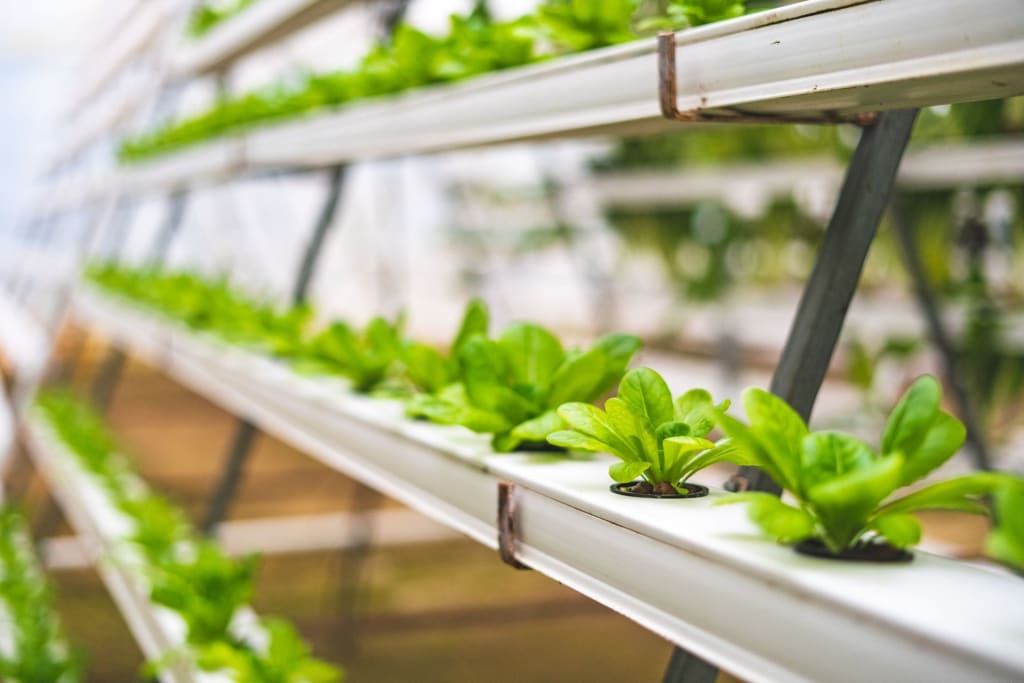
Vertical farms stack growing areas inside controlled environments, typically using hydroponics, LEDs, and carefully managed temperature and nutrients. They can produce leafy greens near consumers while reducing land requirements and some pesticide needs.
They also consume substantial electricity for lighting and climate control, making costs and carbon emissions sensitive to the local power grid. Highly perishable produce may be a stronger early fit than calorie-dense staples such as wheat or rice.
Why grow crops indoors — original Revlox editorial illustration.
What cellular agriculture means
Cellular agriculture includes cultivating animal cells to produce meat and using microorganisms to ferment proteins or other food ingredients. Cultivated meat involves supplying cells with nutrients and guiding their growth in controlled conditions.
Precision fermentation can make ingredients such as specific proteins without raising an animal for that particular product. These pathways differ technically and economically, so headlines about one breakthrough should not be applied to the entire category.
The scale-up problem
A successful pilot reactor does not settle questions about affordable growth media, sterile production, equipment costs, or energy use. Food safety regulators must evaluate products based on their actual manufacturing process and composition.
Consumers also weigh flavor, price, cultural fit, and transparency. Some indoor farming ventures have struggled financially, showing that operational efficiency matters as much as agricultural novelty.
The scale-up problem — original Revlox editorial illustration.
A mixed food future
By mid-century, food systems will face intersecting pressures from climate risk, water scarcity, diets, and population change. A realistic response may combine more efficient conventional farms, improved storage, diversified proteins, and strategic indoor production.
Comparisons should use lifecycle data and account for nutrition and affordability. The key question is not whether skyscrapers can replace fields everywhere, but where controlled production offers measurable advantages.
Key takeaways
- Why grow crops indoors: Vertical farms stack growing areas inside controlled environments, typically using hydroponics, LEDs, and carefully managed temperature and nutrients.
- What cellular agriculture means: Cellular agriculture includes cultivating animal cells to produce meat and using microorganisms to ferment proteins or other food ingredients.
- The scale-up problem: A successful pilot reactor does not settle questions about affordable growth media, sterile production, equipment costs, or energy use.
Frequently asked questions
What is the main science behind vertical farming and cellular agriculture explained?
Vertical farms stack growing areas inside controlled environments, typically using hydroponics, LEDs, and carefully managed temperature and nutrients.
What should readers be careful not to assume?
Some indoor farming ventures have struggled financially, showing that operational efficiency matters as much as agricultural novelty.
What would meaningful progress look like?
The key question is not whether skyscrapers can replace fields everywhere, but where controlled production offers measurable advantages.
The bottom line: Indoor farms and food-producing bioreactors offer new choices, but neither makes conventional agriculture obsolete. Credible science moves through replicated observations, careful comparisons, and sometimes slower-than-expected engineering work. Treat breakthrough claims as starting points for investigation, not as proof that every practical hurdle is solved.
