Penélope Cruz at 52: The Birthday of a True Screen Icon
Every year, when April 28 arrives, film lovers across the world are given another reason to celebrate one of modern cinema’s most magnetic stars: Penélope Cruz. Born on April 28, 1974, Penélope Cruz has long been more than just a famous actress. She is a symbol of elegance, emotional intelligence, artistic boldness, and international star power. In an industry that often burns through beauty quickly and treats talent as secondary, Cruz built something rarer and far more lasting — a career shaped by real craft, daring choices, and unforgettable presence.
There are actresses who become famous. Then there are actresses who become part of cinema’s emotional memory. Penélope Cruz belongs to the second group.
Her birthday is not just a date attached to celebrity trivia. It is a perfect moment to reflect on a career that has crossed languages, continents, genres, and generations. It is a chance to look again at how a girl from Spain became one of the most respected and desired actresses in the world without ever losing the cultural depth and artistic seriousness that made her special in the first place.
Born to Perform
Penélope Cruz Sánchez was born in Alcobendas, Madrid, Spain, and from the beginning, her story carried the kind of artistic restlessness that often appears in great screen performers. Long before she became a red-carpet icon or an Academy Award winner, she had already shown intense dedication to performance. She studied classical ballet for years and also trained in theater, building the physical control and emotional discipline that would later become so visible in her acting.
That early training matters because Cruz has never felt accidental on screen.
Even when she plays women ruled by chaos, desire, grief, seduction, or crisis, there is always structure beneath the performance. Her body language is precise. Her emotional timing is controlled. Her presence feels instinctive, but never lazy. That balance between freedom and discipline is one of the secrets of her power as an actress.
The Beauty That Opened Doors — and the Talent That Stayed
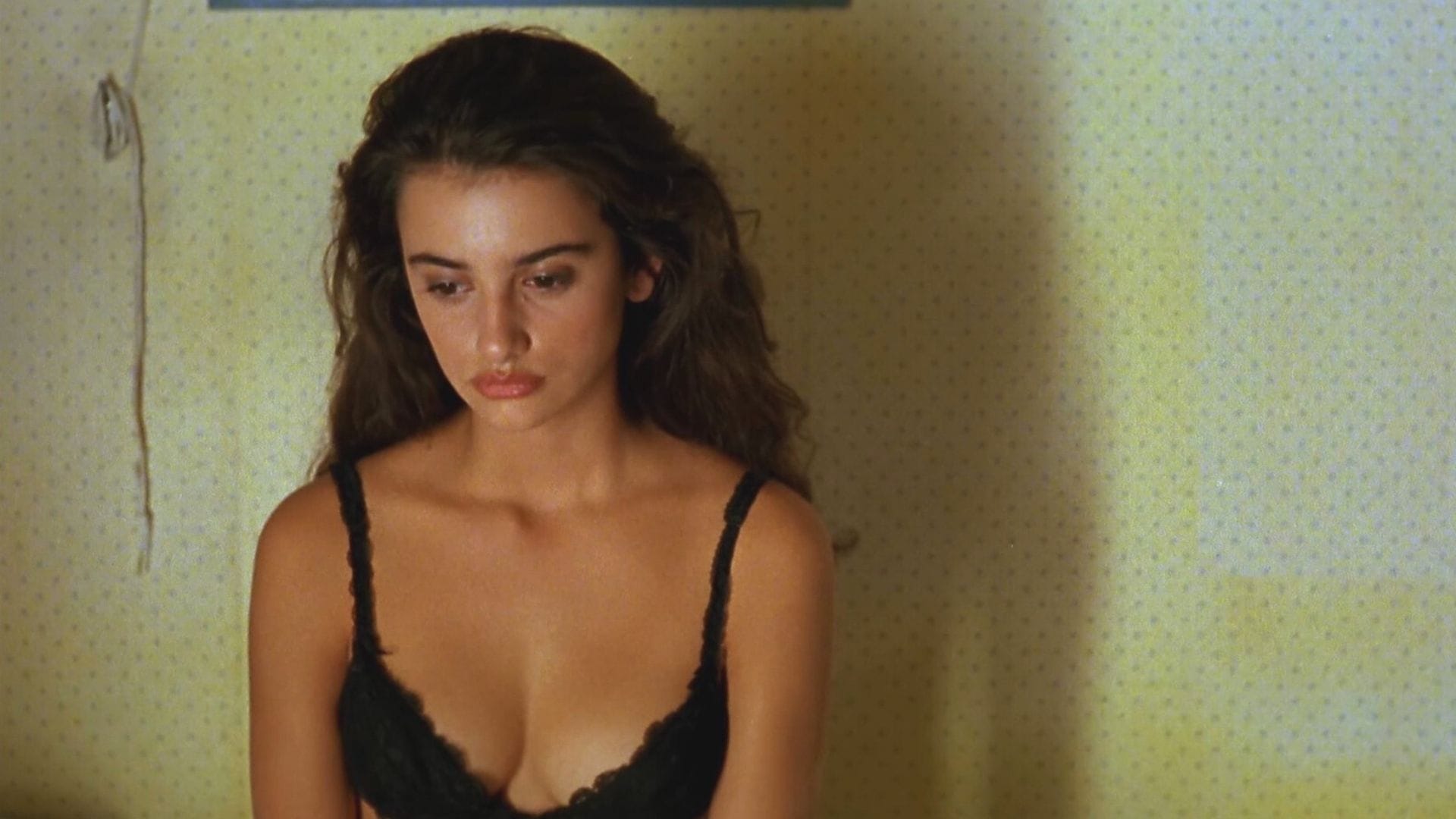
It would be dishonest to write about Penélope Cruz without mentioning her beauty. She has long been regarded as one of the most glamorous women in world cinema. Her dark eyes, unmistakable features, and old-world sensuality made her instantly memorable at a time when Hollywood was increasingly drawn to polished sameness. Cruz always looked like something more textured, more emotional, more European, more alive.
But her career is important precisely because she never allowed beauty to become the whole story.
Many performers are celebrated first for how they look and only later taken seriously for what they can do. Cruz reversed that tension by making it impossible to separate the two. Her beauty on screen was never passive. It carried mood, force, intelligence, danger, and vulnerability. She did not merely appear in a scene. She altered its temperature.
That is why her allure lasted. It was not just physical. It was dramatic.
The Pedro Almodóvar Connection
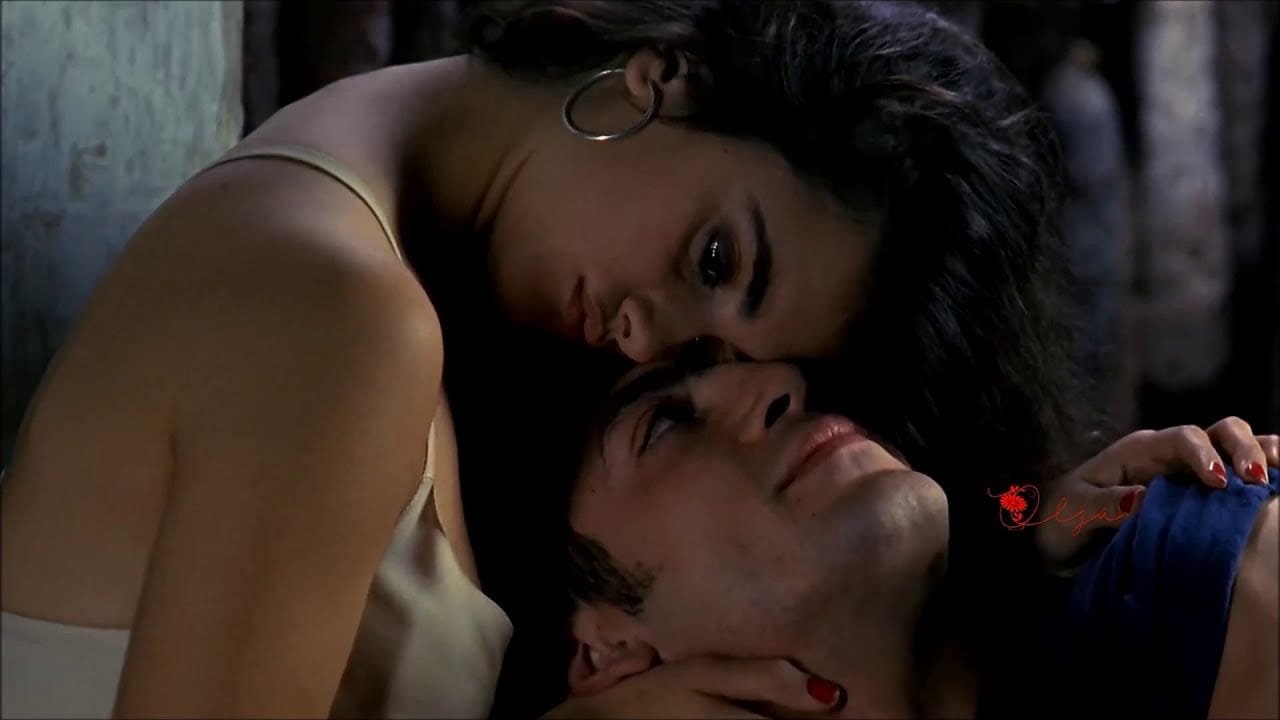
Any serious article on Penélope Cruz has to spend real time on Pedro Almodóvar, because the two are one of the great actor-director pairings in modern film history. Almodóvar understood something essential about Cruz very early: she was not just conventionally attractive or emotionally expressive. She was cinematically rich. He saw in her the ability to channel old Spanish melodrama, modern emotional volatility, humor, sorrow, and sensuality all at once.
Their collaborations helped define her as an actress of unusual range and seriousness. In films like Live Flesh, All About My Mother, Volver, Broken Embraces, and Parallel Mothers, Cruz became not just a performer, but a carrier of Spanish cinema’s emotional and visual intensity.
Among these films, Volver remains especially important. It gave Cruz one of the most celebrated performances of her career — a role filled with resilience, maternal force, sensuality, pain, and practical survival. The film reminded the world that Cruz could do much more than glamour. She could carry sorrow with radiance. She could make strength look deeply feminine without reducing it to cliché.
This was one of the moments when the global critical community fully understood what Spanish audiences and serious cinephiles had already known: Penélope Cruz was not just a star. She was an actress of depth.
Breaking Through Internationally
Crossing from national cinema into international stardom is difficult enough. Doing it without losing your artistic identity is even harder. Penélope Cruz managed both.
As her fame grew beyond Spain, she entered Hollywood and larger international productions, but unlike many actors who become blander as their market grows, Cruz remained emotionally distinctive. She did not flatten herself into generic studio polish. Even when she worked in major English-language projects, there was still something unmistakably her own in the performances — intensity, sensual intelligence, volatility, and a refusal to become generic.
Her Hollywood years included films that expanded her visibility to massive audiences, but she was at her strongest when the material gave her room to be emotionally complex rather than merely ornamental. This is one reason her career aged well. She was never at her best when used only as surface glamour. She was at her best when beauty, danger, heartbreak, and instinct all met in the same role.
An Oscar and More Than an Oscar
For many global audiences, one of the defining validation moments came when Penélope Cruz won the Academy Award for Best Supporting Actress for Vicky Cristina Barcelona. That win was historic in more than one way. It made her the first Spanish actress to win an Oscar, and it confirmed what serious viewers had understood for years: Cruz had become one of the world’s finest screen performers, not just one of its most recognizable faces.
Her performance in that film worked because it captured something she does especially well: emotional combustion. She can play women who are wounded, passionate, unstable, seductive, furious, and heartbreakingly human without making them feel artificial. In lesser hands, that kind of role can become chaotic. In Cruz’s hands, it becomes electric.
The Oscar mattered, but what mattered more was what it represented. It was not a reward for celebrity. It was recognition of artistic authority.
Why Penélope Cruz Endures
Many stars fade because the thing that made them famous was too narrow. Penélope Cruz endured because her appeal was always multi-layered.
She has:
- movie-star beauty
- serious acting technique
- emotional risk-taking
- cultural specificity
- international credibility
- red-carpet glamour
- and the rare ability to feel both timeless and contemporary
This combination is hard to manufacture. It is even harder to sustain for decades.
Cruz’s longevity comes partly from intelligence in role selection, but also from something deeper: she understands screen intimacy. She knows how to act not only with dialogue, but with silence, posture, breath, glance, and tension. That gives her performances a density many stars never achieve, no matter how famous they become.
A Global Icon, Still Rooted in Spain
One of the most admirable things about Penélope Cruz’s career is that she never abandoned her origin story in order to become “internationally acceptable.” She became global without becoming culturally empty. Spain remained central to her artistic identity, and that rootedness gave her career substance.
That matters because so many international success stories require a kind of flattening. Cruz resisted that. She remained recognizably Spanish in temperament, artistic choice, and cinematic lineage while still becoming fully legible to the world. That is one reason she commands such respect: she did not become universal by becoming generic. She became universal by remaining specific and brilliant enough that the world came to her.
Penélope Cruz and the Art of Glamour
There is another layer to her legacy that deserves attention: glamour.
Modern celebrity culture often confuses glamour with visibility, expensive clothing, or constant sensual display. Penélope Cruz represents something more classic. Her glamour comes from mystery, restraint, poise, and emotional intelligence. She can look devastatingly beautiful on a red carpet, but the effect is never only about display. It is about command.
She belongs to an older and more enduring tradition of movie stardom, where glamour is not loudness but atmosphere. She enters a room and changes its visual balance. She steps into a frame and it becomes charged. That quality cannot be taught in a publicity workshop. It belongs to the rare class of performers who seem born to be looked at, yet are most powerful when the looking becomes emotionally meaningful.
What Her Birthday Represents
A celebrity birthday can be trivial. In Penélope Cruz’s case, it feels worth pausing for because her career represents something increasingly rare in modern entertainment: the union of glamour and substance.
Her birthday is a reminder that some stars do not simply age in public — they deepen. They move from beauty to authority, from visibility to legacy. Penélope Cruz has reached that stage. She is no longer just a celebrated actress or admired public figure. She is part of the living architecture of international cinema.
And that is why April 28 matters to film lovers. It marks the birth of an artist who managed to become iconic without becoming shallow, famous without becoming hollow, and glamorous without surrendering seriousness.
Final Verdict
Penélope Cruz’s birthday is more than a date for fans to post tributes. It is a moment to celebrate one of the rare performers who successfully united beauty, intelligence, sensuality, and real acting power into a career of lasting significance. Born on April 28, 1974, she rose from Spain to global stardom without losing the emotional and cultural force that made her extraordinary in the first place.
She remains one of the most admired actresses in world cinema because she has always offered more than image. She brings mood, intensity, elegance, emotional risk, and an unmistakable screen presence that only a few actresses of her generation can truly match. That is why Penélope Cruz’s birthday feels like more than celebrity trivia.
It feels like a celebration of cinema itself.
FAQ
When is Penélope Cruz’s birthday?
Penélope Cruz was born on April 28, 1974.
Where was Penélope Cruz born?
She was born in Alcobendas, Madrid, Spain.
Why is Penélope Cruz so famous?
She is famous for her remarkable acting career in Spanish and international cinema, her collaborations with major directors like Pedro Almodóvar, her Academy Award-winning work, and her enduring glamour.
Did Penélope Cruz win an Oscar?
Yes. She won the Academy Award for Best Supporting Actress for Vicky Cristina Barcelona.
What makes Penélope Cruz special as an actress?
Her appeal comes from a rare combination of beauty, emotional intensity, strong technique, cultural depth, and the ability to carry both art-house and mainstream films with equal force.