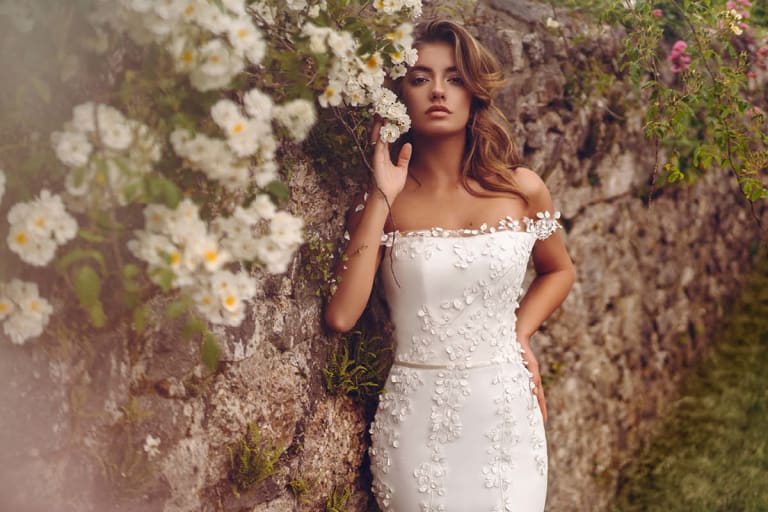
The Sensual Appeal of Sheer Fabrics: A Journey Through Transparency in Fashion
In the vast and ever-evolving landscape of fashion, few elements can claim the seductive allure that sheer fabrics possess. From the delicate dance of transparency to the bold statement of exposure, sheer materials have captivated the world of style for centuries. This article explores the sensual appeal of sheer fabrics, tracing their journey from historical opulence to modern-day fashion statements.A Historical Tapestry of TransparencyAncient Beginnings:Sheer fabrics have a rich history that dates back to ancient civilizations. In Egypt, linen was woven into transparent garments that signified wealth and status. The Greeks embraced sheer materials in their peplos and chitons, where the transparency added an ethereal quality to the wearer. Renaissance to Regency:During the Renaissance, sheer fabrics like silk voile were used not just for clothing but as symbols of luxury. The Regency period saw sheer muslins become popular, often worn over more substantial undergarments, creating a play of shadow and light that was both functional and fashionable.Victorian Tease:The Victorian era, known for its prudishness, paradoxically popularized sheer fabrics through the use of layers. Lace, tulle, and organza were employed to craft garments that suggested rather than revealed, embodying the era's fascination with the art of subtlety in seduction.The Modern Era of Sheer Sensuality1960s Cultural Shift:The 1960s marked a significant shift with the advent of the sexual revolution. Sheer fabrics became a medium for expressing new freedoms in fashion. Designers like Mary Quant and Yves Saint-Laurent introduced sheer blouses and dresses, often paired with bold patterns or vibrant colors, challenging conventional norms.21st Century Boldness:Today, sheer fabrics are at the forefront of fashion's exploration of the body. From high fashion runways to street style, transparency has been embraced in various forms:
- High Fashion: Designers like Givenchy, Saint Laurent, and Alexander McQueen have used sheer materials to create dramatic, body-celebratory pieces that defy traditional coverage.
- Everyday Wear: Sheer elements in everyday fashion include tops, dresses, skirts, and even pants, often layered with slips or bralettes for a look that's both chic and daring.
- Celebrity Influence: Celebrities like Rihanna, Bella Hadid, and Kim Kardashian have popularized sheer looks on red carpets, making transparency a staple in celebrity fashion.
The Sensual AppealAesthetic Sensuality: Sheer fabrics offer a visual feast by playing with light and shadow. They can highlight the natural lines of the body or suggest the silhouette, creating a tantalizing interplay between what's seen and unseen. This visual seduction is not just about revealing skin but about crafting an image that invites curiosity and appreciation.Tactile Experience:The sensation of wearing sheer fabric against the skin is inherently sensual. The whisper of silk, the breathability of cotton voile, or the light, airy touch of chiffon all contribute to a sensory experience that's both intimate and liberating.Psychological Thrill:Wearing sheer fabrics can be empowering. It's an act of personal choice to control one's image, playing with the boundaries of modesty and exposure. This psychological aspect adds to the appeal, where the wearer navigates their comfort with visibility and vulnerability.Cultural and Ethical ConsiderationsBody Positivity and Inclusivity:The rise of sheer fabrics in fashion coincides with movements towards body positivity. Sheer clothing has become a canvas for celebrating all body types, promoting inclusivity by challenging who can and should wear such revealing garments.Modesty vs. Exposure:While sheer fabrics can be liberating, they also pose questions about cultural appropriation and the ethics of fashion. In some cultures, transparency might be seen as disrespectful or inappropriate, prompting discussions about cultural sensitivity in global fashion.Sustainability in Sheer:The production of sheer fabrics, especially synthetic ones, can have significant environmental impacts. However, there's a growing trend towards more sustainable sheer materials, like organic cotton or eco-friendly silks, aligning fashion's sensual appeal with ecological responsibility.Fashion Forward: Sheer in the FutureTechnological Innovations:The future of sheer fabrics might include smart textiles that offer functionality alongside transparency—think temperature-regulating sheer materials or garments that change opacity based on environmental conditions or wearer's mood.Niche Markets and Customization:As fashion becomes more personalized, sheer fabrics could cater to niche markets, offering bespoke solutions that blend comfort, style, and individual expression. This could mean everything from custom-fit sheer garments to adaptive clothing for those with disabilities.Cultural Shifts:As societies continue to evolve their views on the body, gender, and sexuality, sheer fabrics will likely play a pivotal role in these narratives, perhaps even becoming more normalized in professional settings, adapting to new standards of dress.ConclusionSheer fabrics remain a powerful element in fashion due to their ability to convey sensuality, challenge norms, and celebrate the human form. They are not merely about exposure but about creating a dialogue between fabric and skin, light and shadow, tradition and innovation. As we move forward, the sheer allure is set to continue, weaving its way through the fabric of fashion with each new season, each bold statement, and every whisper of a new trend.