Hydration Science Beyond Water: When electrolytes and sweat loss matter for performance
Hydration Science Beyond Water is changing how we understand modern sport. When electrolytes and sweat loss matter for performance. Behind the memorable moments are decisions about performance, money, technology, fairness, and everyday participation. The bigger story becomes clearer when we separate
Hydration Science Beyond Water is changing how we understand modern sport. When electrolytes and sweat loss matter for performance. Behind the memorable moments are decisions about performance, money, technology, fairness, and everyday participation. The bigger story becomes clearer when we separate evidence from marketing and look at what athletes, clubs, and fans actually experience.
Why hydration needs vary
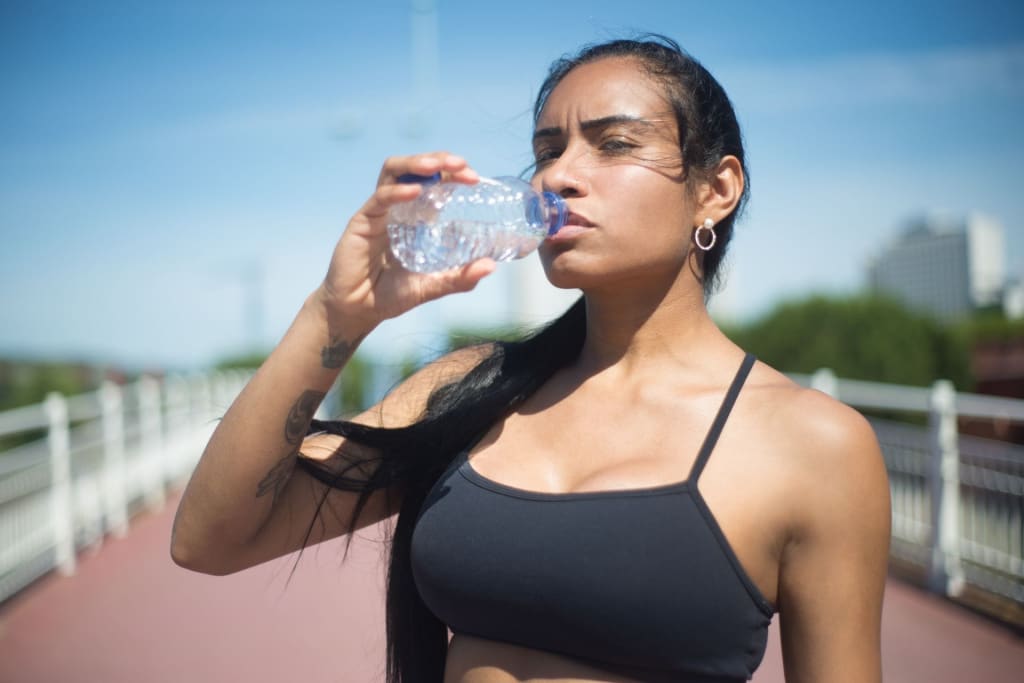
Water is essential, but the right drinking strategy depends on exercise duration, intensity, environment, clothing, and personal sweat rate. A short walk in mild weather presents different needs from a long race in heat.
Sweat contains water and electrolytes, especially sodium, yet losses vary widely between people and circumstances. Feeling thirsty is a useful signal for many everyday activities, although athletes in prolonged events may also need a practiced plan. There is no universally correct number of liters or sodium tablets for every workout.
Hydration Science Beyond Water — the central question.
Electrolytes versus ordinary drinks
Electrolyte products can be helpful during some lengthy or high-sweat efforts, particularly when athletes need to replace substantial salt losses. For many shorter sessions, normal meals and water are adequate.
Sports drinks may also deliver carbohydrate fuel, which is a different benefit from electrolyte replacement. Labels can look scientific while hiding relatively small ingredient amounts. Athletes should compare actual sodium and carbohydrate content, consider the entire day's diet, and avoid assuming that expensive powders automatically improve hydration or recovery.
The danger of overdrinking
Drinking far beyond fluid needs can contribute to exercise-associated hyponatremia, a potentially dangerous drop in blood sodium concentration, particularly during prolonged endurance events. Adding a small quantity of salt does not automatically make excessive fluid intake safe.
Symptoms such as headache, confusion, vomiting, or severe weakness during or after an event require urgent medical evaluation. Conversely, substantial dehydration in heat can also impair performance and safety. The goal is balance, not a contest to consume the maximum amount of liquid.
Hydration Science Beyond Water — a closer look at the implications.
How athletes can personalize a plan
Test drinking and fueling strategies during training rather than for the first time on race day. Track conditions, approximate changes in body mass around comparable sessions, thirst, gastrointestinal tolerance, and opportunities to drink.
Remember that body-mass changes also reflect fuel use and other factors, so estimates are imperfect. People with kidney, heart, or blood-pressure conditions may need individualized medical guidance before changing sodium or fluid intake. An effective hydration plan remains flexible, evidence-informed, and appropriate to the event.
Key takeaways
- Why hydration needs vary: see the full argument above instead of relying on a one-line claim.
- Electrolytes versus ordinary drinks: see the full argument above instead of relying on a one-line claim.
- The danger of overdrinking: see the full argument above instead of relying on a one-line claim.
Frequently asked questions
What is the central issue in hydration science beyond water?
Water is essential, but the right drinking strategy depends on exercise duration, intensity, environment, clothing, and personal sweat rate.
What should readers be careful about?
Electrolyte products can be helpful during some lengthy or high-sweat efforts, particularly when athletes need to replace substantial salt losses.
What matters in the years ahead?
Test drinking and fueling strategies during training rather than for the first time on race day.
Sources and further reading
Final perspective: When electrolytes and sweat loss matter for performance. The next time this topic reaches the headlines, compare the big claim with the actual evidence and the experiences of people affected by it.