Micro-Dosing Movement: Why exercise snacks can help busy people move more without replacing every workout
Micro-Dosing Movement is part of a much bigger shift in global sport. why exercise snacks can help busy people move more without replacing every workout. From the decisions made by coaches and athletes to the expectations of fans and sponsors, the details matter more than the slogan. Here is what is
Micro-Dosing Movement is part of a much bigger shift in global sport. why exercise snacks can help busy people move more without replacing every workout. From the decisions made by coaches and athletes to the expectations of fans and sponsors, the details matter more than the slogan. Here is what is actually changing, where the evidence is strongest, and why the next phase deserves close attention.
Small sessions have real value
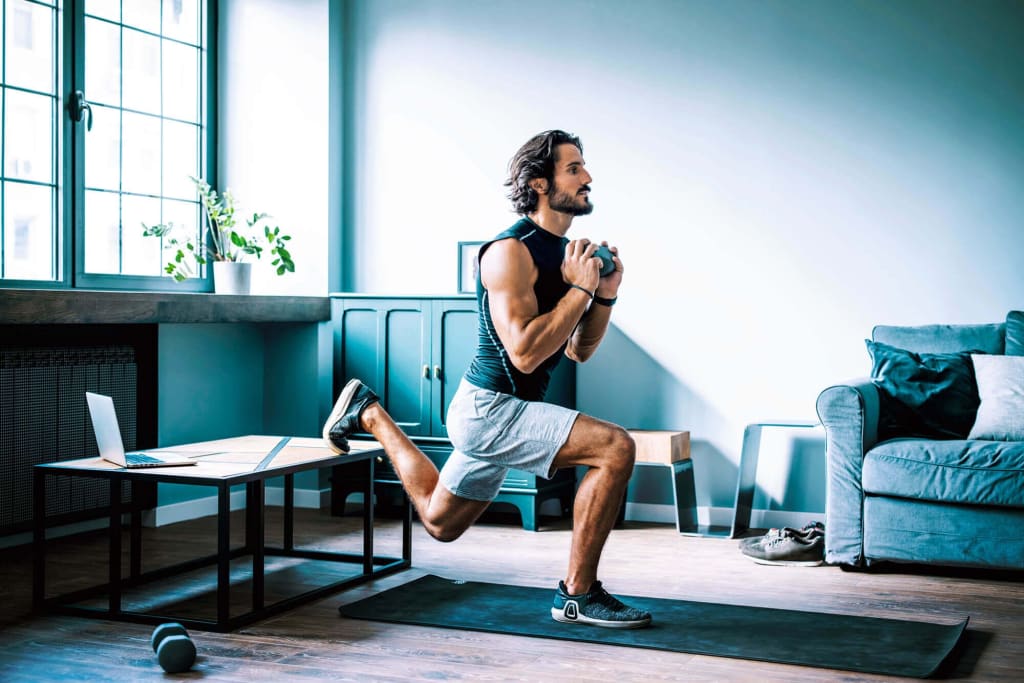
Exercise snacks are brief bursts of movement spread across the day, such as climbing stairs, walking briskly or doing a few bodyweight movements. The idea appeals to people who struggle to reserve an uninterrupted hour for fitness.
Current public-health guidance recognizes that physical activity accumulated in bouts of any duration can contribute to weekly totals. This is a meaningful change from older advice that emphasized minimum ten-minute bouts. The key is actual activity, not an impressive label for sitting less.
Micro-Dosing Movement — understanding the forces.
What short bouts can achieve
Several small sessions may improve consistency, break up prolonged sitting and provide some cardiovascular or muscular stimulus. The benefit depends on intensity, duration, frequency and the person's starting fitness.
A casual walk is useful but should not be portrayed as identical to a complete strength program. Likewise, a few stair climbs do not guarantee major changes in endurance. The best comparison is with doing nothing during those moments, not with an idealized elite training plan.
How to build a sustainable day
Place movement near routines you already have: a brisk walk after a meal, a short mobility break between meetings or a few flights of stairs where safe. Start with manageable efforts and adjust intensity to your health and ability.
People with relevant medical conditions, balance concerns or symptoms during exertion may need professional advice before adding vigorous bursts. Consistency and gradual progression matter more than turning every break into a maximal challenge.
Micro-Dosing Movement — looking beyond the headline.
The bigger weekly picture
WHO adult guidance generally recommends 150–300 minutes of moderate-intensity aerobic activity a week, or an equivalent amount of vigorous activity, alongside muscle-strengthening work. Exercise snacks can contribute to that total but may not cover every fitness goal.
Longer sessions can still be useful for practicing skills, lifting progressively or enjoying a sport. The most realistic approach combines small opportunities with dedicated movement when possible, giving busy people more ways to succeed.
Key takeaways
- Small sessions have real value is an important part of the larger change.
- What short bouts can achieve adds context that the headline alone misses.
- The bigger weekly picture shows what to watch over the long term.
Frequently asked questions
Why does micro-dosing movement matter?
Exercise snacks are brief bursts of movement spread across the day, such as climbing stairs, walking briskly or doing a few bodyweight movements. The effects reach athletes, organizations and audiences.
What is the biggest misunderstanding about micro-dosing movement?
The headline cannot explain the full picture. Several small sessions may improve consistency, break up prolonged sitting and provide some cardiovascular or muscular stimulus.
What should fans watch next?
Look for consistent evidence instead of a single viral moment. WHO adult guidance generally recommends 150–300 minutes of moderate-intensity aerobic activity a week, or an equivalent amount of vigorous activity, alongside muscle-strengthening work.
Sources and further reading
- WHO guidelines on physical activity and sedentary behaviour
- WHO guidelines review: bouts of any duration count
Final perspective: Why exercise snacks can help busy people move more without replacing every workout. The most useful way to follow this story is to look beyond extremes and ask what changes for participants, spectators and the institutions that shape sport.