

Urban Trees Can Cool Cities More Than We Thought
Cities are getting hotter, and it is not only because of climate change. The very materials that make modern urban life possible—concrete, asphalt, steel, glass, brick, and dark roofing—also trap heat. Roads absorb sunlight. Buildings store warmth during the day and release it slowly at night. Parking lots, highways, and dense neighborhoods can turn a city into a giant heat reservoir.
This is known as the urban heat island effect, and it is one of the most direct ways people experience environmental change in daily life. A rural area outside a city may cool down after sunset, while the city center remains hot, sticky, and uncomfortable. For people without reliable cooling, shade, safe housing, or access to green space, that extra heat can become dangerous.
Also Read: Urban Heat Island Effect: Why Cities Are Getting Hotter
Now, a major global study has given urban trees a much bigger role in the story of city heat. Published in Nature Communications, the study analyzed 8,919 large urban areas worldwide and found that existing tree cover mitigates 41 to 49 percent of the maximum potential air-temperature urban heat island effect that would occur without tree canopy. On average, urban trees reduce summer air temperature by about 0.15°C, with strong variation from city to city and neighborhood to neighborhood.
That number may sound small at first. But at city scale, even a fraction of a degree matters. It can reduce heat stress, lower energy demand, make streets more walkable, protect vulnerable residents, and improve the quality of daily life. In some neighborhoods, the cooling benefit is much larger. The same study found that hundreds of millions of people experience more meaningful cooling from tree cover, including around 914 million people who benefit from reductions above 0.25°C.
The message is powerful: trees are not decorative extras. They are urban infrastructure.
Why Cities Become Hotter Than Their Surroundings
The urban heat island effect begins with land transformation. A forest, wetland, field, or natural landscape manages heat differently from a city. Soil and vegetation absorb water. Trees shade the ground. Plants release moisture into the air. Natural surfaces often reflect or diffuse sunlight in ways that reduce heat buildup.
A city does the opposite. It replaces living surfaces with hard, dry, heat-absorbing materials. Asphalt roads, concrete sidewalks, rooftops, and dense buildings soak up solar radiation during the day. At night, these surfaces slowly release stored heat, keeping the city warmer for longer.
This is why urban heat often feels worse after sunset. The sun may be gone, but the built environment is still radiating warmth.
The problem grows when cities have limited vegetation. Without enough trees, there is less shade and less moisture moving through the air. Streets become exposed. Public spaces become uncomfortable. Homes and apartments, especially those built with poor ventilation or little insulation, heat up quickly.
Urban heat is not just an environmental issue. It is a health issue, an economic issue, and a social justice issue. The World Health Organization warns that heat stress is a major environmental and occupational health hazard, capable of worsening cardiovascular disease, diabetes, mental health conditions, asthma, and other illnesses. Heatstroke can also become a medical emergency.
As the world becomes more urban, this matters even more. The United Nations projects that 68 percent of the global population will live in urban areas by 2050, up from about 55 percent in 2018. More people will be living in cities, which means more people will be exposed to the design choices cities make today.
How Trees Cool Urban Areas
Urban trees cool cities through two main mechanisms: shade and transpiration.
Shade is the easiest to understand. A street with a thick tree canopy feels cooler because sunlight does not directly hit the pavement, parked cars, walls, and pedestrians. The shade prevents surfaces from absorbing as much solar energy in the first place. Less absorbed heat means less heat released later.
This is why walking on a tree-lined street can feel dramatically different from walking across an open parking lot. The actual air temperature may not always show a huge difference, but the human body feels heat through direct sunlight, reflected heat, humidity, wind, and surface temperature. Shade changes the experience immediately.
The second cooling mechanism is transpiration. Trees draw water from the soil through their roots and release water vapor through their leaves. This process uses heat energy, which cools the surrounding air. It works somewhat like natural air conditioning, although it depends on tree health, water availability, climate, soil quality, and species type.
Together, shade and transpiration make trees one of the most valuable tools for urban climate regulation. They do not simply make a street look greener. They change the microclimate.
The new global study reinforces this point. It found that urban tree cover cools cities by about 0.15°C on average globally, offsetting roughly half of the 0.31°C urban warming that would occur without trees. In other words, many cities are already significantly less hot than they would be if their existing tree canopy disappeared.
That is a major finding because urban heat planning often focuses on future tree planting. But this study highlights something equally urgent: protecting the trees cities already have.
Trees Are More Powerful Than Previous Estimates Suggested
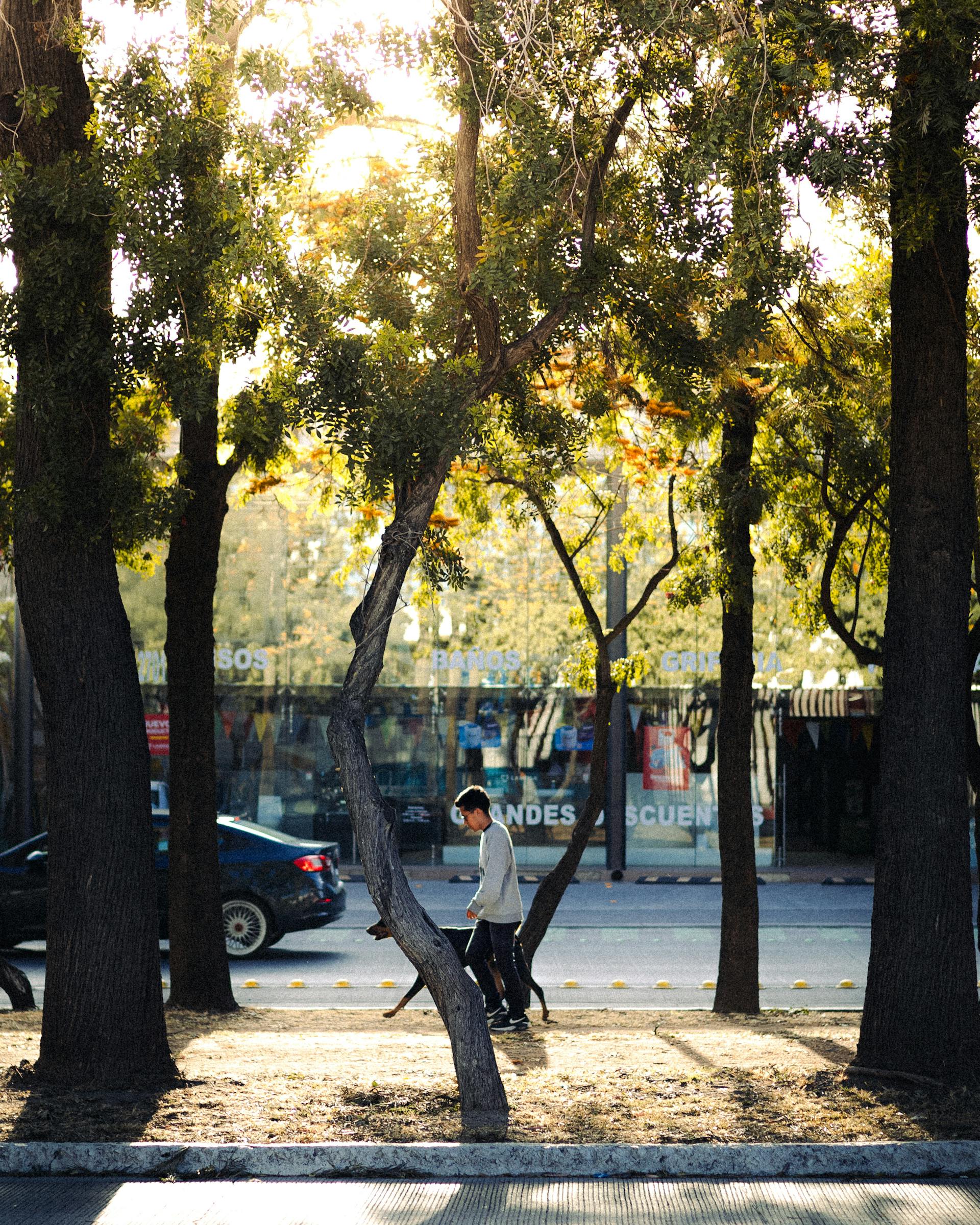
Urban trees have long been recognized as useful for cooling, but the scale of their impact has been difficult to measure globally. Cities are complex. Tree cover varies block by block. Parks, street trees, private gardens, river corridors, campuses, old neighborhoods, and wealthy suburbs all influence local temperatures differently.
Previous estimates often looked at smaller areas, individual cities, surface temperatures, or broader green space categories. The new study is important because it examined almost 9,000 large urban areas and focused on air-temperature effects across local urban segments. This helped avoid giving credit to trees in one part of a city for cooling neighborhoods far away.
That level of detail matters. A large park may cool nearby areas, but it does not automatically protect every resident in a city. A wealthy district with mature trees may be comfortable, while a low-income neighborhood only a few kilometers away may have exposed streets, tin roofs, industrial land, and very little shade.
The study’s finding that tree cover offsets 41 to 49 percent of potential urban heat island warming is striking because it shows that tree canopy is already doing a large amount of invisible work. Without it, many cities would be hotter, more energy-intensive, and more dangerous during heat waves.
This does not mean trees solve urban heat alone. They do not cancel out climate change. They do not replace clean energy, better housing, reflective roofs, public cooling centers, or heat-health planning. But they are a proven, nature-based solution that cities can expand while also improving air quality, biodiversity, mental health, and neighborhood beauty.
The Cooling Benefits Are Not Shared Equally
One of the most important findings of the study is also one of the most troubling: tree cooling is unevenly distributed.
The benefits are strongest in places that often already have advantages. Cooler and wealthier cities, especially those with more land, larger private lots, older planned neighborhoods, and stronger public investment, tend to have more tree canopy. Hotter and poorer cities, especially in tropical, arid, or rapidly urbanizing regions, often receive less cooling because they have fewer trees and harsher growing conditions.
The Associated Press report on the study noted that cities such as Berlin, Atlanta, Moscow, Washington, Seattle, and Sydney appear among places with stronger cooling benefits, while cities such as Dakar, Jeddah, Kuwait City, and Amman receive very little tree-based relief because of limited canopy.
This is not just a climate pattern. It is also a social pattern.
Trees need space, water, maintenance, legal protection, and planning. Wealthier neighborhoods often have wider streets, private gardens, parks, institutional campuses, and political influence. Poorer neighborhoods may have dense housing, informal settlements, narrow roads, industrial zones, limited public land, poor drainage, and little budget for maintenance. Even when trees are planted, they may not survive without irrigation, soil care, protection from construction damage, and long-term management.
The study found that cooling benefits are greater in already cooler areas, including high-income countries and suburbs. That means the people most exposed to dangerous heat are not always the people receiving the most protection from trees.
This is the central challenge for urban forestry in the climate era. Planting trees is good. Planting trees where they are most needed is better.
Why Hotter Cities Often Have Less Tree Cooling
At first, it may seem obvious that the hottest cities should plant the most trees. But in reality, many of the hottest urban areas face the toughest conditions for building and maintaining tree canopy.
In arid cities, water scarcity is a major barrier. Trees cannot cool effectively if they cannot survive. Some species require regular irrigation, especially in their early years. In places already dealing with drought, water stress, or high temperatures, urban forestry must be planned carefully so it does not create new resource problems.
In tropical cities, rainfall may be abundant, but rapid development can destroy tree cover faster than it is replaced. Informal housing, road expansion, commercial construction, and weak land-use enforcement can reduce green space. Even when trees grow well in the climate, they may be removed for parking, wider roads, buildings, or utility work.
In dense low-income neighborhoods, there may simply be little open land. Streets may be narrow, sidewalks limited, and underground infrastructure complicated. Planting large canopy trees becomes difficult without redesigning streets, protecting pedestrian space, and coordinating with utility systems.
There is also the problem of maintenance. A tree is not a one-time purchase. It is a living asset. It needs suitable soil volume, watering during establishment, pruning, protection from pests, and care during extreme weather. A failed tree-planting campaign can waste money and create public frustration.
This is why urban forestry must move beyond symbolic planting events. The goal is not to plant the largest number of saplings for a photo opportunity. The goal is to grow healthy, mature canopy where it reduces heat exposure, improves public space, and survives for decades.
The Difference Between Planting Trees and Growing Canopy
A city can plant thousands of trees and still fail to create meaningful cooling. The reason is simple: small saplings do not provide the same benefits as mature trees.
A mature tree with a wide canopy can shade a sidewalk, reduce surface temperatures, and cool nearby air. A young sapling may be important for the future, but it offers limited immediate protection. If that sapling dies after two summers because it was planted in poor soil or never watered, the city gains almost nothing.
Urban forestry should therefore be measured by canopy growth, survival rate, and heat reduction—not just the number of trees planted.
A smarter approach asks several questions. Where are heat-vulnerable communities located? Which streets have the least shade? Where do elderly residents, children, outdoor workers, and low-income households face the highest heat exposure? Which bus stops, school routes, markets, hospitals, and public spaces need shade first? Which tree species can survive local climate conditions? Where can root systems grow without damaging infrastructure? How will trees be watered and maintained?
These questions turn tree planting into climate planning.
The new study’s equity message supports this shift. Since tree cooling is currently stronger in wealthier and cooler areas, cities need to prioritize densely settled low-income neighborhoods for future canopy expansion. That does not mean planting randomly. It means combining heat maps, population data, health risk, land ownership, and community input.
Urban trees work best when they are part of a long-term public health strategy.
Why 0.15°C Matters More Than It Sounds
A global average cooling of 0.15°C may appear modest. But averages can hide the real-world importance of local cooling.
First, the average includes cities and neighborhoods with almost no trees. Some places receive little to no cooling from tree cover, while others experience much larger reductions. The study found variation ranging from almost no cooling to much stronger local effects.
Second, heat risk is not linear. A small temperature reduction can matter greatly when a city is near dangerous heat thresholds. During a heat wave, every reduction in thermal stress can help. Shade can lower the burden on the human body even when air temperature changes only slightly.
Third, trees also reduce surface temperatures. A shaded pavement can be far cooler than one under direct sun. This improves walkability and reduces radiant heat exposure. For someone walking to work, waiting for a bus, selling goods outdoors, or traveling to school, shade may be the difference between tolerable and exhausting.
Fourth, urban cooling can reduce energy demand. When neighborhoods are cooler, buildings may require less air conditioning. This can lower electricity bills, reduce peak demand on power grids, and help prevent outages during extreme heat.
Finally, trees deliver multiple benefits at once. Unlike a single-purpose technology, urban forests support biodiversity, absorb stormwater, reduce noise, improve public space, store carbon, and contribute to mental well-being. Their cooling value is only one part of their urban importance.
Trees Cannot Carry the Whole Climate Burden
The study is encouraging, but it also includes an important warning. Current and plausible future tree cover can only offset a limited share of the additional warming expected from climate change by mid-century. The Nature Communications paper reports that tree cover mitigates only around 10 percent of median mid-century climate-change warming under a moderate emissions scenario.
That means cities cannot plant their way out of climate change.
Urban trees are essential, but they must be paired with broader action. Cities need cleaner energy, lower emissions, better building design, cool roofs, reflective pavements, shaded transit stops, water-sensitive urban design, public cooling centers, early-warning systems, and stronger protection for vulnerable residents.
This is especially important because trees themselves are vulnerable to climate change. Extreme heat, drought, pests, storms, poor soil, and air pollution can weaken urban forests. A city that plants trees without adapting maintenance practices may lose canopy just when it needs it most.
The best strategy is layered. Trees should be one part of a cooling network. A shaded street, a reflective roof, a ventilated building, a nearby park, a reliable water system, and a heat-alert program all work together. No single solution is enough.
Reflective Surfaces and Green Infrastructure Must Work Together
Urban heat is created by a combination of materials, design, and climate. That means cooling must also use a combination of solutions.
Reflective roofs, sometimes called cool roofs, can reduce heat absorption by reflecting more sunlight. Light-colored pavements can help in some settings, although they must be designed carefully to avoid increasing glare or reflected heat for pedestrians. Green roofs and green walls can reduce building heat gain and add vegetation where ground space is limited. Parks, wetlands, bioswales, rain gardens, and restored waterways can cool neighborhoods while managing stormwater.
Trees fit naturally into this broader green infrastructure system. They are especially valuable at pedestrian level because they provide shade exactly where people move, wait, work, and gather.
A city may install reflective roofs on public buildings, plant trees along school routes, add shaded bus stops, protect wetlands, redesign parking lots with canopy requirements, and convert unused paved land into small parks. Each intervention may appear modest alone. Together, they can change the urban heat experience.
The key is planning at neighborhood scale. Heat is not evenly distributed across a city. Some blocks are much hotter than others. A citywide tree target may sound impressive, but if the new canopy goes mainly to already green districts, the most heat-exposed residents remain at risk.
Urban cooling must be mapped, measured, and managed.
What Good Urban Forestry Looks Like
Good urban forestry begins with protection. Mature trees are extremely valuable because they already provide shade and cooling. Removing an old tree and replacing it with a sapling is not an equal exchange. The cooling, habitat, and public-space value of a mature canopy may take decades to rebuild.
Cities should create stronger rules for preserving existing trees during construction, roadwork, and private development. Sidewalk repairs, utility upgrades, and building projects often damage roots or compact soil. Without protection, urban trees decline slowly and die years later.
The second step is strategic planting. Cities should identify the hottest neighborhoods and prioritize them for canopy expansion. This requires heat mapping, public health data, and community consultation. Residents know where shade is missing: the bus stop that burns in the afternoon, the school entrance with no trees, the market street where vendors stand under plastic sheets, the apartment blocks where elderly people struggle during heat waves.
The third step is species selection. Not every tree belongs everywhere. Urban foresters must choose species that match the local climate, soil, water availability, street width, biodiversity goals, and future climate projections. A poor species choice can lead to root conflicts, weak growth, pest vulnerability, high water use, or safety risks.
The fourth step is maintenance. Trees need care, especially in the first years after planting. Watering, mulching, pruning, soil improvement, and protection from vehicles or construction damage can determine whether a tree survives.
The fifth step is accountability. Cities should publish canopy data, survival rates, neighborhood-level planting progress, and heat reduction goals. Residents should be able to see whether urban forestry promises are turning into real shade.
The Public Health Case for More Shade
Heat is often called a silent hazard because its damage is not always visible. A flood leaves watermarks. A storm leaves broken trees and damaged roofs. Heat can kill quietly, especially among older adults, infants, outdoor workers, people with chronic illness, and people living in poorly ventilated housing.
The health risks rise when heat continues overnight. If the body cannot recover during cooler night hours, stress accumulates. Urban heat islands worsen this by keeping cities warmer after sunset.
Trees help by reducing daytime heat exposure and improving the comfort of public spaces. A shaded walking route can encourage people to move safely. A shaded playground can protect children. A shaded bus stop can reduce stress for commuters. A shaded market can support vendors and customers. A shaded hospital entrance can make daily access easier for patients and caregivers.
Urban trees also support mental health. Green streets can reduce stress, soften harsh urban environments, and create a stronger sense of place. In dense cities, a tree may be one of the few daily contacts people have with nature.
This is why tree cover should be treated as a basic urban service, not a luxury. Just as cities plan drainage, roads, lighting, and public transport, they should plan shade.
Why Tree Equity Is Climate Justice
The uneven distribution of trees is not accidental. In many cities, greener neighborhoods are wealthier, older, or more politically powerful. Hotter neighborhoods are often lower-income, more industrial, more densely built, or historically neglected.
This creates a form of climate inequality. Two residents may live in the same city but experience very different temperatures because one neighborhood has tree-lined streets and parks while the other has exposed pavement and little shade.
The new global study shows this inequality at a worldwide scale. Tree cooling benefits are greater in high-income countries and suburbs, while many hotter and poorer urban areas receive less relief.
Correcting this imbalance requires more than planting trees. It requires investment in neighborhoods that have been overlooked. It requires protecting residents from green gentrification, where environmental improvements raise property values and push out the very communities they were meant to help. It requires hiring local workers, involving community groups, and designing projects around actual needs.
Tree equity means every resident deserves access to shade, cooling, and green space. It does not mean every street must look the same. It means urban forests should serve people fairly.
The Economic Value of Urban Trees
Urban trees are often treated as costs. Cities budget for planting, pruning, cleanup, and maintenance. But trees also create economic value.
Cooling can reduce electricity demand. Shaded buildings may need less air conditioning. Streets with trees can attract foot traffic, support local businesses, and improve property appeal. Green neighborhoods can reduce stormwater pressure by absorbing rainfall. Trees can extend the life of pavement by reducing heat-related stress and direct sun exposure.
There are also avoided health costs. Heat-related illness can burden hospitals, reduce worker productivity, and increase public emergency spending. If trees reduce heat exposure, they can indirectly reduce some of these costs.
For outdoor workers, shade is not only comfort—it is protection. Delivery riders, construction workers, traffic police, street vendors, sanitation workers, and public transport users all experience the city outdoors. A hotter city can reduce productivity and increase risk. A shaded city is more humane and more functional.
Urban forestry therefore belongs in economic planning. It is part of resilience, infrastructure, labor protection, public health, and climate adaptation.
The Design Mistakes Cities Should Avoid
Not all tree-planting programs succeed. Some fail because they focus on numbers instead of outcomes. Others fail because trees are planted in the wrong places, with the wrong species, or without maintenance.
One common mistake is planting small ornamental trees where large canopy trees are needed. Ornamental trees may look attractive, but if they provide limited shade, they will not meaningfully reduce heat.
Another mistake is planting without soil planning. Urban soil is often compacted, polluted, shallow, or covered by pavement. Trees need room for roots. A tiny sidewalk pit surrounded by concrete may not support healthy long-term growth.
A third mistake is ignoring water. In dry climates, drought-tolerant species and smart irrigation are essential. In wet climates, drainage and root health matter. Trees cannot cool if they are stressed, dying, or poorly established.
A fourth mistake is removing trees during road expansion and promising future replacement. A mature canopy lost today may take decades to recover.
A fifth mistake is separating tree policy from housing and transport policy. Shade should follow people. Transit corridors, walking routes, schools, clinics, markets, and dense housing zones should be priority areas.
Urban forestry works best when it is integrated into the whole city plan.
What Residents Can Do
City governments carry the biggest responsibility, but residents also have a role.
Homeowners can preserve existing trees and plant suitable species where space allows. Apartment communities can advocate for shaded courtyards, rooftop greenery, and tree protection. Schools can create shaded play areas. Businesses can support tree planting around commercial streets and parking lots. Neighborhood groups can map heat hotspots and push local authorities to prioritize them.
Residents can also protect trees from everyday damage. Soil compaction, careless parking, cutting roots, burning waste near trunks, and unnecessary pruning can all weaken urban trees. A tree may look strong, but repeated stress can shorten its life.
Public pressure matters. When residents treat shade as a right, cities are more likely to budget for it. When people demand tree protection during construction, developers pay attention. When communities document extreme heat conditions, policymakers have less room to ignore the problem.
Urban trees are public assets. They need public support.
The Future City Must Be a Shaded City
The city of the future cannot be only smart, digital, and dense. It must also be breathable, shaded, and livable.
As climate change intensifies heat waves, cities will face rising pressure to protect residents. Air conditioning will remain important, but it cannot be the only answer. It increases energy demand, excludes people who cannot afford it, and does little for outdoor workers or public spaces. A city where people move only from one cooled building to another is not truly resilient.
Trees help restore the human scale of the city. They make streets walkable. They turn sidewalks into usable space. They soften heat, noise, and glare. They protect children walking to school and workers waiting for transport. They make neighborhoods feel alive.
The new global research makes one thing clear: existing urban trees are already cooling the world’s cities more than many people realized. They are offsetting nearly half of the extra heating created by built environments in large urban areas. That is an extraordinary service, delivered quietly every day by roots, trunks, branches, leaves, and water moving through living systems.
But the same research also shows that the people who need cooling most often receive the least. That is the challenge cities must now confront.
Final Verdict
Urban trees are not a soft solution to a hard problem. They are one of the most practical, visible, and people-centered tools cities have for reducing heat. They shade streets, cool air, protect health, support biodiversity, reduce energy demand, and make neighborhoods more livable.
The latest global evidence shows that tree cover can counter a surprisingly large share of the urban heat island effect. But it also shows that tree cooling is unequal. Wealthier and cooler places often enjoy stronger benefits, while hotter and poorer communities remain exposed.
The next chapter of urban climate planning must focus on tree equity, canopy protection, and strategic green infrastructure. Cities should protect mature trees, plant new canopy in the hottest neighborhoods, choose climate-resilient species, maintain trees for the long term, and combine urban forestry with reflective surfaces, better housing, cool roofs, water-sensitive design, and public health planning.
A cooler city is not created by trees alone. But without trees, the city becomes harder, hotter, and less humane.
The future of urban life may depend not only on taller buildings and smarter technology, but also on something much older and simpler: a shaded street, a living canopy, and the decision to let cities breathe.


