Pareidolia Explained: Why Your Brain Keeps Finding Faces Everywhere
Almost everyone has had the same small, strange moment. You look at a wall stain, a car grille, a cloud, a power socket, a burnt piece of toast, or the front of a house, and suddenly it looks back at you. Two dark marks become eyes. A crack becomes a mouth. For a split second, the object is not just an object anymore. It has a face. That familiar oddity has a name: pareidolia, the tendency to perceive meaningful patterns—especially faces—in ambiguous or random visual input. It is not rare, and it is not a sign that something is wrong with you. It is a normal feature of perception.
That is part of why pareidolia explainers work so well. Readers do not need to be persuaded that the phenomenon exists, because they have already felt it. They have seen a face in a kettle, a ghostly figure in curtains, an animal in the clouds, or a human expression in a tree trunk. The science story is satisfying because it takes an everyday weirdness and reveals that it is not random at all. It comes from one of the brain’s most important jobs: detecting meaningful patterns quickly, often before we are fully aware we are doing it.

The face version is especially powerful because human brains are unusually tuned to faces. A 2020 study in Nature Communications found that illusory faces in objects activate face-selective visual cortex, suggesting that face pareidolia is not just a late, verbal reinterpretation like “that kind of resembles a face.” The brain is processing these face-like patterns in systems closely tied to real face perception. More recent intracerebral work published in 2025 also describes pareidolia as a highly common experience and further supports a neural basis for why face-like patterns trigger meaningful percepts so easily.
So the real story is better than “your brain is weird.” The real story is that your brain is efficient, predictive, social, and a little biased toward false alarms—and those false alarms are often useful.
What Pareidolia Actually Is
Pareidolia is the perception of a meaningful image or pattern in something vague, noisy, or random. Faces are the classic example, but they are not the only one. People also see animals in clouds, religious figures in food or bark, voices in noise, and recognizable shapes in rock formations or shadows. In that sense, pareidolia is a specific kind of pattern-finding. The face version just happens to be the most emotionally immediate because faces matter so much to human survival and social life.

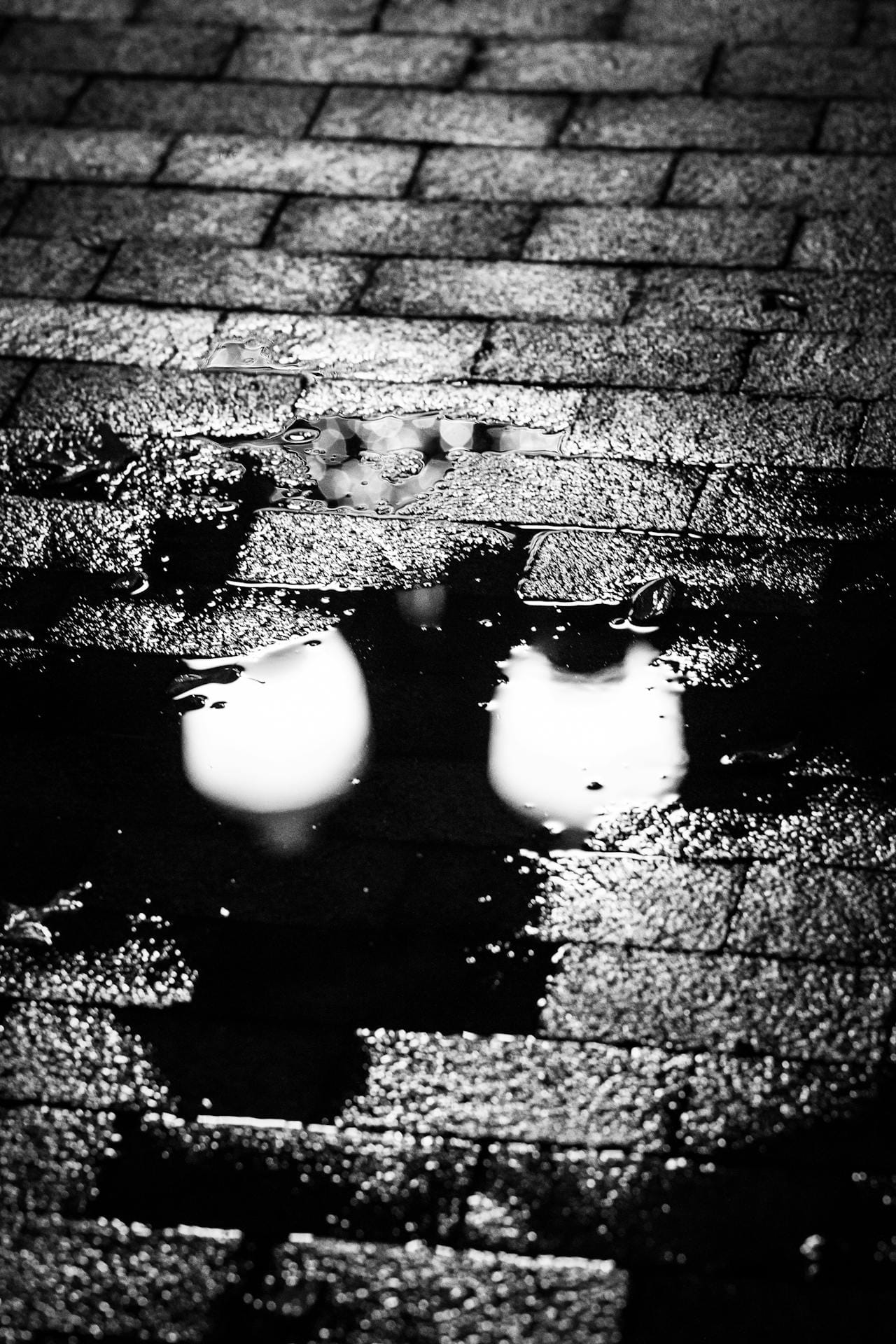
The face case is also the easiest to explain. A surprisingly small set of cues can trigger the effect: two dark spots above a line or opening, some degree of symmetry, and roughly face-like spacing. A 2026 popular science report summarizing a Royal Society Open Science study noted that people very often detect faces even in abstract noise and that symmetry boosts the illusion. That helps explain why plugs, windows, handbags, front doors, and appliances are such common pareidolia objects. They often accidentally arrange themselves into a face template the brain is eager to detect.
This is the key beginner-friendly point: you are not “imagining things” in the casual sense. You are using a visual system that is tuned to prioritize potential social information. Your brain is not trying to be wrong. It is trying to be fast.
Why We See Faces in Objects So Easily
Human vision is not passive recording. It is active interpretation. The brain takes incomplete information and makes rapid guesses about what is out there. Faces are one of the highest-priority categories in that system, because throughout human evolution it was better to detect a possible face too quickly than to miss a real face too slowly. That kind of bias produces false positives, but false positives are often cheaper than missed detections.
The 2020 Nature Communications study is important here because it showed that the brain’s response to illusory faces is fast and dynamic. In other words, by the time you consciously say, “That house looks like it has a face,” your visual system has already done a good deal of the work. This makes pareidolia feel immediate rather than reflective. It is not usually the result of long contemplation. It pops.

The 2025 intracerebral study adds to this by describing pareidolia as highly common and examining how meaningful percepts can emerge from ambiguous visual inputs. Taken together, these findings support a strong view of pareidolia: it reflects ordinary perceptual machinery doing what it was built to do—detect potentially important structure quickly, even under uncertainty.
That is why a face in an object can feel uncannily obvious once you see it. The effect is not just poetic. It is neural.
Why the Effect Feels So Convincing
Part of what makes pareidolia so compelling is that the illusion is not purely abstract. Many people do not just see “a face.” They often see an expression: surprised, sad, angry, sleepy, smug, even vaguely male or female. The 2026 report on recent face-pareidolia findings noted that people often assign social traits to these false faces, which suggests the brain is not merely detecting eye-mouth structure but extending the perception into social interpretation.
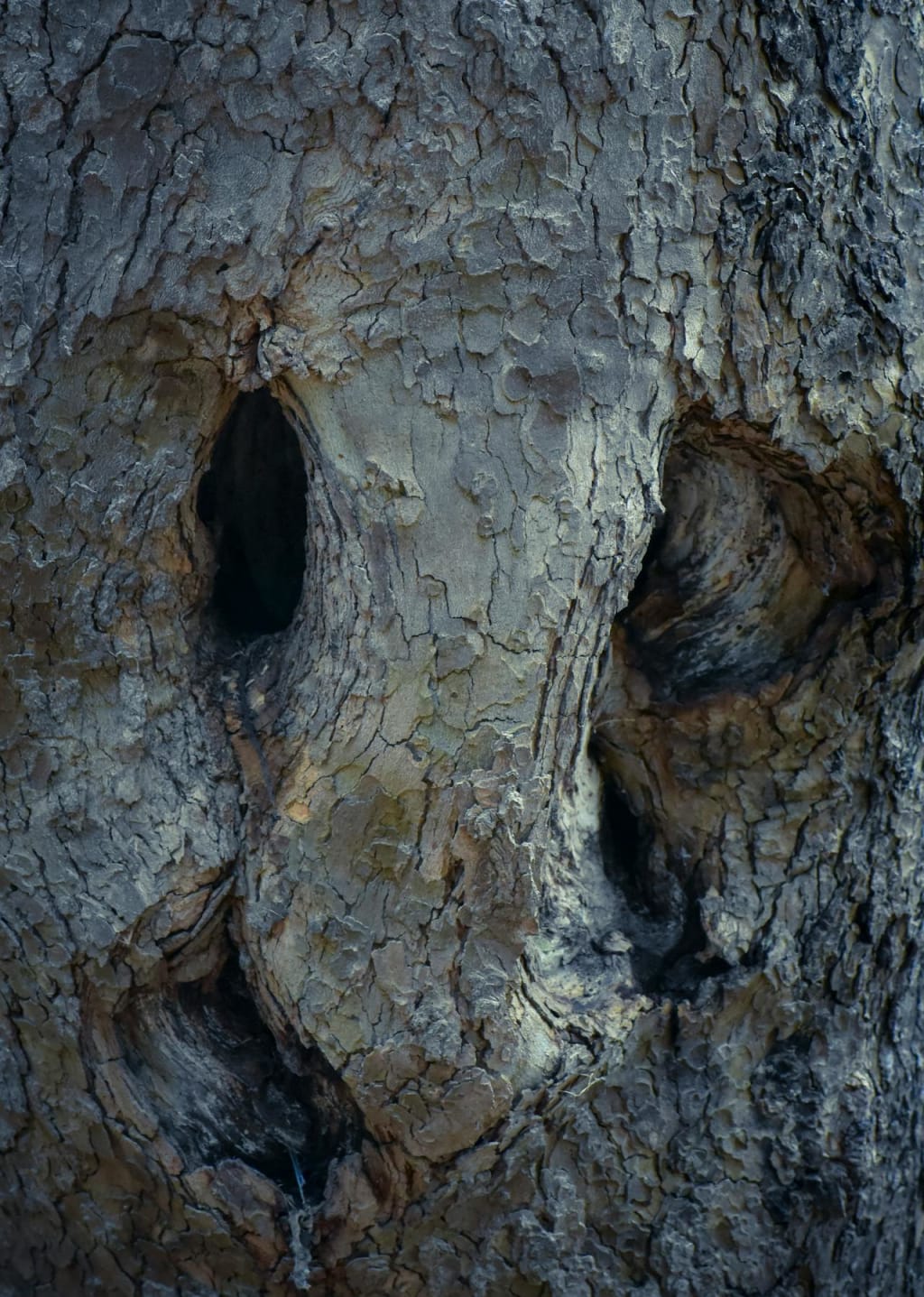
That tracks with everyday experience. A car can look cheerful. A building can look stern. A tree knot can look worried. Once the basic face schema is detected, the brain often adds emotional or personality-like reading on top. This is one reason pareidolia feels so human: it sits at the border between perception and imagination.
And that is also why the phenomenon is often delightful instead of alarming. Most people do not experience it as a threat. They experience it as a moment of recognition, humor, eeriness, or charm.
Why Pareidolia Is Normal, Not Pathological
One of the most important things an explainer can do is take the fear out of the phenomenon. Seeing faces in random things is usually not a sign of psychosis, serious illness, or a damaged grasp on reality. It is common in healthy subjects. The recent 2024 work on the phenomenology of pareidolia explicitly examined pareidolia in healthy people, reinforcing that the effect belongs to ordinary perception.
This does not mean pareidolia has no clinical relevance anywhere. In some contexts, clinicians study pattern-perception changes because they may relate to specific neurological or psychiatric conditions. But the existence of clinical research does not make everyday pareidolia abnormal any more than studying balance disorders makes ordinary balance suspicious. The baseline phenomenon is widespread and normal.
That distinction matters because people often become anxious when they notice their minds doing something strange. Pareidolia is a good example of a mental oddity that sounds spooky in isolation but becomes reassuring once explained. You see a face in a curtain because your brain is good at face detection, not because your brain is breaking.
Why We See Patterns at All
Pareidolia belongs to a broader truth about perception: brains are pattern-finding machines. They are constantly trying to reduce ambiguity by fitting sensory input into meaningful categories. That is why humans are so good at reading gestures, anticipating movement, recognizing voices, and navigating messy environments. The same system that lets you spot a friend in a crowd also makes you see a face in a toaster.
This means pareidolia is not just a glitch. It is a side effect of a strength. If your perceptual system waited for perfect data before recognizing anything, you would be slower, less adaptive, and much worse at dealing with the world in real time. Pareidolia shows the cost of a system optimized for speed and significance detection.
It also helps explain why face pareidolia is so much more common than, say, “seeing tax forms in tree bark.” Faces are socially urgent. The brain privileges them.
Why Pareidolia Is Often Creative
This is the part many explainers leave out, and it is one of the most interesting. Pareidolia is not only normal; it can also be generative. A 2022 paper in iScience linked pareidolia and creative thinking through their shared reliance on divergent processes—the ability to generate multiple possible interpretations from ambiguous input. That is a big clue to why artists, designers, writers, and visually imaginative people often enjoy the effect rather than simply noticing it.
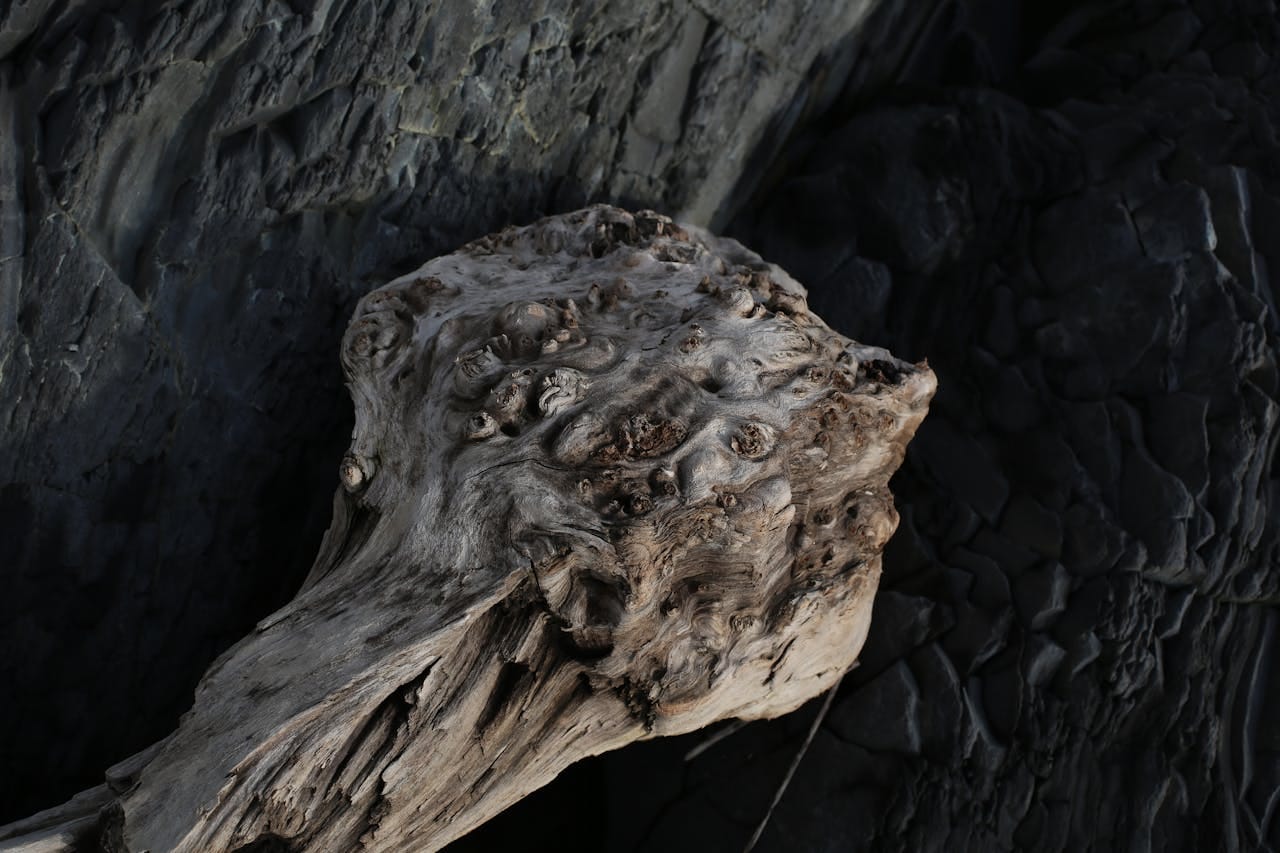
Creativity often begins when someone sees more than the obvious. A stain becomes a creature. A rock face becomes a profile. A shadow becomes a scene. This is not separate from pareidolia; it is often built on the same perceptual flexibility. The leap from “that looks like a face” to “that could become a character, a painting, a joke, a design motif, a story idea” is a creative extension of the same mental habit.
Johns Hopkins’ magazine coverage even highlighted expert speculation that pareidolia may support focus, imagination, and creative problem-solving by encouraging people to see things in more than one way. That kind of claim should be treated with some caution—it is not the same as saying pareidolia automatically makes people more creative—but it does point toward a valuable perspective: not every perceptual false positive is a flaw. Some are invitations.
Why Artists and Audiences Love It
Pareidolia has a long relationship with art, architecture, and storytelling. People have always found hidden faces in paintings, rocks, fabrics, clouds, ruins, and decorative objects. What makes the effect so compelling aesthetically is that it creates a small shock of meaning. Something that looked random suddenly feels intentional, even when it is not.
That sensation is powerful because it lives right at the edge of interpretation. Too obvious, and it is just an illustration. Too vague, and nothing happens. Pareidolia sits in the sweet spot where the viewer helps complete the image. That participatory quality is part of what makes it fun, eerie, or beautiful.
And once you understand the science, the magic does not disappear. It becomes richer. You are not just seeing a face in a stone wall. You are watching perception itself improvise.
Why the “Face in the Moon” Type of Story Never Dies
Human beings have always told stories around pareidolia. The Man in the Moon, faces in cliffs, sacred images in tree bark, holy figures in toast, and animal forms in clouds are not random cultural leftovers. They are what happens when a very old perceptual tendency meets memory, symbolism, and storytelling.
This is why pareidolia is often more culturally productive than medically important. Most of the time, it does not need treatment. It needs context. It helps explain why myths persist, why symbols emerge, why people bond over “do you see it too?” moments, and why random textures can feel emotionally charged.
In that sense, pareidolia is not just about mis-seeing. It is about how humans turn ambiguity into shared meaning.
The Limits: When Pattern-Finding Can Mislead
A good explainer should also admit that the same pattern-finding instinct can mislead us in some domains. Pareidolia is harmless when you are laughing about a surprised-looking kettle. It becomes less harmless when people start confidently extracting deep meaning from noise, random fluctuations, or weak evidence in more consequential settings.
This is why the phenomenon is sometimes discussed beyond faces, including in fields like finance or pseudoscience, where humans may overread patterns that are not really there. That broader pattern bias is related, though not identical, to face pareidolia. It reminds us that the brain’s hunger for meaning is useful but not infallible.
Still, that caution should not overshadow the main point. Seeing faces in objects is overwhelmingly a benign expression of ordinary perception.
The Most Satisfying Way to Think About It
The best way to understand pareidolia is not as a defect, but as evidence of how little raw seeing humans ever really do. We do not passively receive the world. We actively interpret it. The face in the socket, the grin in the car, the eyes in the bark—these are reminders that perception is a collaboration between the world’s shapes and the brain’s expectations.
That is why the effect is so enduringly satisfying as a science story. It turns a tiny, familiar oddity into a larger lesson about being human. We are creatures built to find meaning quickly, to detect one another almost obsessively, and to impose structure on ambiguity whenever we can. Pareidolia is one of the clearest, friendliest demonstrations of that truth.
Final Verdict
Pareidolia explainers work because readers keep having the same experience: they see faces in random things and want to know why. The answer is both simple and profound. Human brains are highly tuned to recognize faces and meaningful patterns, so even vague, symmetrical, face-like arrangements can trigger genuine face processing in the visual system. Research shows that illusory faces engage face-selective brain regions, which is why the effect can feel immediate and strangely convincing.
Just as importantly, the effect is usually normal, not pathological. In healthy people, it is common. And it is often more than harmless—it can be playful, aesthetic, and creatively fertile, because the same perceptual flexibility that produces false face detections can also support imaginative interpretation. Pareidolia is not your brain failing to see reality. It is your brain showing how energetically it tries to make reality meaningful.
FAQ
1. What is pareidolia?
Pareidolia is the tendency to perceive meaningful patterns—especially faces—in vague, random, or ambiguous stimuli.
2. Why do we see faces in objects?
Because the human visual system is highly tuned for face detection, and even simple face-like arrangements such as two dark spots above a line can activate face-processing mechanisms.
3. Is seeing faces in things normal?
Yes. Face pareidolia is common and has been studied in healthy subjects as part of ordinary perception.
4. Does pareidolia mean something is wrong with my brain?
Usually no. In everyday life, pareidolia is generally a normal perceptual effect rather than a sign of illness.
5. Why does the illusion feel so immediate?
Because brain responses to illusory faces can arise quickly in face-selective visual areas, making the perception feel automatic rather than deliberate.
6. Is pareidolia only about faces?
No. Faces are the most common example, but people can also perceive meaningful shapes, figures, or even voices in ambiguous input.
7. Can pareidolia be creative?
Yes. Research has linked pareidolia and creative thinking through shared divergent processes, and experts have suggested it may support imagination and novel interpretation.
8. Why do symmetrical patterns trigger faces so easily?
Symmetry is one of the cues the visual system uses in detecting face-like structure, which is why plugs, windows, and other balanced arrangements often look face-like.
9. Is pareidolia the same as believing in the supernatural?
No. Pareidolia is a perception effect. It can contribute to why people think they see meaningful images in random places, but the effect itself is a normal feature of pattern recognition.
10. What is the simplest explanation?
Your brain is so good at finding faces and meaning that it sometimes detects them where none were intentionally placed.