WHO Warns of More Hantavirus Cases in Limited Outbreak—What It Really Means
The World Health Organization has warned that more hantavirus cases may emerge in a limited outbreak linked to cruise ship travel, but health officials are also stressing something equally important: this is not the start of another COVID-style pandemic.
That distinction matters.
The word hantavirus sounds frightening, and for good reason. Some hantaviruses can cause severe disease, including life-threatening respiratory illness. The current outbreak has already been linked to deaths, confirmed cases, suspected cases, international contact tracing, and a cruise ship carrying passengers from multiple countries. It is the kind of story that immediately triggers public anxiety because the world still remembers how quickly a health crisis can become global.
But the science here is different. The transmission pattern is different. The virus family is different. The public health risk is different.
According to WHO’s Disease Outbreak News, the cluster was reported on May 2, 2026, aboard a cruise ship carrying 147 passengers and crew. As of May 4, WHO reported seven cases: two laboratory-confirmed hantavirus cases, five suspected cases, three deaths, one critically ill patient, and three people with mild symptoms. WHO later said more cases may appear, but the outbreak is expected to remain limited if proper precautions are followed.
The outbreak has been linked to the MV Hondius, a polar expedition cruise ship. Reports say the strain involved is the Andes virus, a type of hantavirus known for one unusual and serious feature: unlike most hantaviruses, it can spread from person to person through close and prolonged contact. WHO and health officials have emphasized that this does not make it comparable to COVID-19, which spread far more efficiently through respiratory transmission.
That is the heart of the story. More cases may be possible because hantavirus can have a long incubation period and passengers left the ship before isolation measures were fully in place. But public health experts are not describing this as an uncontrolled global threat. They are describing it as a serious, limited outbreak that requires tracing, isolation, clinical care, and careful communication.
In other words: concern is justified. Panic is not.
What Happened in the Hantavirus Outbreak?
The current hantavirus cluster centers on passengers connected to the MV Hondius cruise ship. WHO said it was notified on May 2, 2026, after a cluster of severe respiratory illness appeared aboard the ship. At the time of WHO’s May 4 update, the vessel was carrying 147 passengers and crew, and seven people had been identified as confirmed or suspected cases.
Since then, the public picture has developed. AFP-based reports carried by NDTV and The Daily Star said WHO warned that more hantavirus cases could appear after three passengers died, while still expecting the outbreak to remain limited if precautions are taken. These reports also said five confirmed and three suspected cases had been linked to the outbreak.
The Guardian reported that at least 29 passengers from 12 countries had disembarked before isolation procedures were in place, which is one reason global tracing became necessary. The ship was later heading toward the Spanish Canary Islands, with authorities planning controlled evacuation and isolation procedures to avoid public exposure.
That detail explains why the story became international. A disease cluster on a cruise ship is not automatically a global outbreak, but cruise ships create complex public health logistics. Passengers come from different countries, share confined spaces, and may travel onward before an illness is recognized.
This is why WHO’s message has two parts: more cases may emerge, but the outbreak should remain limited with appropriate precautions.
What Is Hantavirus?
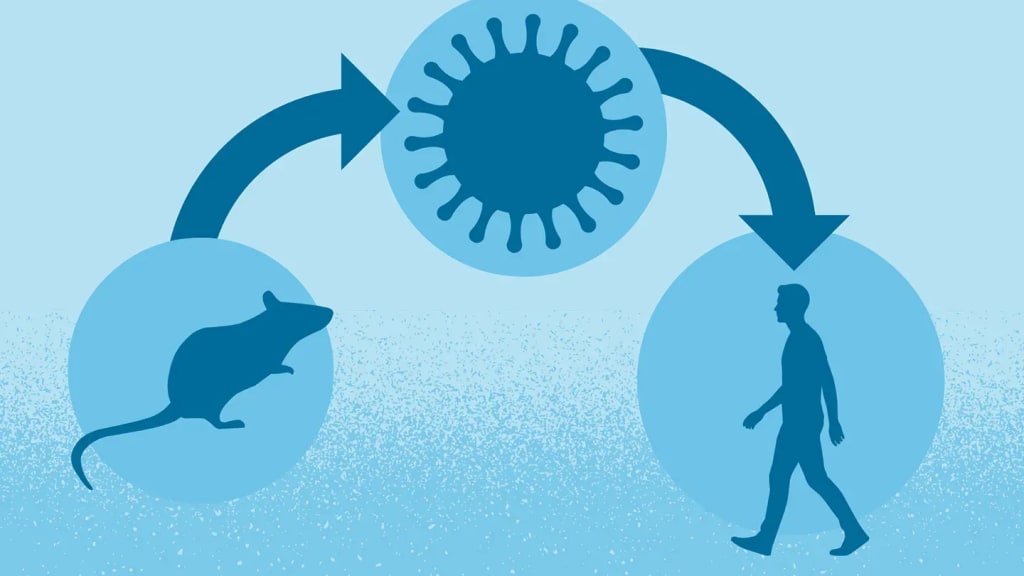
Hantaviruses are a group of viruses usually carried by rodents. Humans are most commonly infected when they inhale particles contaminated with urine, droppings, or saliva from infected rodents. This can happen when people clean, disturb, or enter areas where infected rodents have been present.
Different hantaviruses cause different types of illness. In the Americas, several hantaviruses can cause hantavirus pulmonary syndrome or hantavirus cardiopulmonary syndrome, a severe illness that can begin with flu-like symptoms and progress to breathing difficulty. In Europe and Asia, other hantaviruses are more commonly associated with hemorrhagic fever with renal syndrome.
The current outbreak has been linked in reports to the Andes virus, a hantavirus mainly associated with South America. What makes Andes virus especially concerning is that it is one of the few hantaviruses documented to spread between people under certain conditions, usually close and prolonged contact.
This does not mean it spreads casually like COVID-19, flu, or measles. That difference is critical. Most hantavirus infections come from rodent exposure, and even Andes virus human-to-human transmission generally requires close exposure.
So the outbreak is serious, but it is not the same kind of respiratory pandemic threat the public learned to fear during COVID.
Why WHO Says More Cases May Appear
WHO’s warning that more cases may emerge is not surprising. Hantavirus infection can have a relatively long incubation period, meaning people may develop symptoms weeks after exposure. AFP-based reports noted that the virus can have an incubation period of up to six weeks, which means public health teams may need to monitor contacts for an extended period.
There are also travel-related complications. Some passengers reportedly disembarked before isolation procedures were in place, creating a need for international contact tracing.
That does not mean all exposed people will become sick. It means health officials must assume that additional cases are possible until the monitoring window closes.
This is normal outbreak logic. When a disease has a long incubation period, the case count can rise after the first cluster is detected because some infections are already developing silently. Public health teams then work backward and forward: identifying likely exposure sources, tracing contacts, isolating high-risk individuals, testing suspected cases, and monitoring symptoms.
WHO’s message is careful: more cases may appear, but with precautions, the outbreak is expected to remain limited.
Why Officials Say This Is Not COVID
The phrase “not COVID” appears in several reports because health authorities clearly understand public fear. After the pandemic, any mention of a severe virus on a cruise ship can trigger alarm. Cruise ships became symbolic during COVID because outbreaks aboard vessels showed how rapidly respiratory viruses could spread in enclosed travel environments.
But hantavirus is different.
COVID-19 spreads efficiently from person to person through respiratory particles, including in casual indoor settings. Hantavirus, in most cases, is acquired from rodents. The Andes virus strain can spread person to person, but reports emphasize that this requires close and prolonged contact and is far less contagious than COVID-19.
This is why WHO and other officials are trying to calibrate public understanding. The outbreak is deadly and deserves serious attention, but it does not have the same transmission profile as SARS-CoV-2.
The risk to the general public remains low when exposure is limited, contacts are traced, and cases are isolated.
A dangerous virus is not automatically a pandemic virus.
What Are the Symptoms of Hantavirus?
Symptoms can vary depending on the hantavirus type and illness pattern, but in severe pulmonary disease, early symptoms often resemble flu or other viral infections.
People may experience fever, fatigue, muscle aches, headache, dizziness, chills, nausea, vomiting, diarrhea, or abdominal pain. As the illness progresses, breathing symptoms can appear, including cough, shortness of breath, chest tightness, and fluid buildup in the lungs. Severe disease can become life-threatening quickly.
In the cruise-linked outbreak, WHO described the cluster as involving severe respiratory illness. As of May 4, there were deaths, one critically ill patient, and others with mild symptoms.
The danger with hantavirus is that early symptoms can seem ordinary. Someone may initially think they have flu, food poisoning, or a routine viral illness. But when breathing symptoms begin, the situation can become urgent.
Anyone who has had possible exposure and develops symptoms should seek medical care quickly and tell clinicians about possible rodent exposure, cruise exposure, or contact with a suspected case.
How Deadly Is Hantavirus?
The severity depends on the specific virus, the patient, and how quickly supportive care is provided. Some hantavirus infections are mild, while others are severe and deadly.
The current outbreak has drawn attention because three deaths have been reported among the linked cases. WHO’s May 4 outbreak notice reported seven confirmed or suspected cases including three deaths, one critically ill patient, and three mild cases.
Reports discussing Andes virus often cite high mortality risk, especially in severe cardiopulmonary disease. The New York Post, citing Argentina-related reporting, described the Andes virus as having a high mortality rate and noted Argentina had reported increased hantavirus cases in the previous year.
However, outbreak fatality numbers can shift as more mild cases are identified. Early clusters often overrepresent severe cases because those are the cases that come to medical attention first. That does not make the virus harmless; it means early fatality impressions should be interpreted carefully.
The safe conclusion is this: hantavirus can be very serious, and suspected cases need urgent medical evaluation.
Where Did This Outbreak Possibly Begin?
Reports have pointed toward possible exposure in South America before passengers boarded or during travel connected to Argentina. The New York Post reported that Argentine authorities planned rodent testing after a Dutch couple contracted the deadly strain, with attention on Ushuaia and possible exposure linked to a landfill visited during bird-watching.
The Guardian also reported that the outbreak was linked to the cruise ship and involved international tracing after passengers had traveled across multiple locations.
At this stage, what matters most is that public health teams identify the source and transmission chain accurately. With hantavirus, source investigation often focuses on rodent exposure, environmental contamination, travel history, and close contacts.
If Andes virus is involved, contact tracing becomes especially important because person-to-person spread is possible under close exposure conditions.
Why Cruise Ships Make Outbreaks Complicated
Cruise ships create unusual outbreak challenges even when the disease is not highly contagious.
People live close together. They share dining areas, cabins, excursions, transport, and medical facilities. Passengers may be older or have different health risks. The ship may be far from advanced medical care. When an illness is recognized late, passengers may already have disembarked and traveled to multiple countries.
That is why even a limited outbreak can become logistically difficult.
The MV Hondius situation reportedly involved passengers from multiple countries and the need for tracing after some had already left the ship.
This does not mean the ship became a pandemic engine. It means a serious disease cluster in a mobile international setting requires coordination between WHO, national health agencies, ship operators, hospitals, laboratories, and immigration or transport authorities.
The health risk may be limited, but the response is complex.
How Hantavirus Spreads
Most hantavirus infections happen through contact with infected rodents or their waste. The virus can be present in rodent urine, droppings, and saliva. When contaminated dust is disturbed, tiny particles can become airborne and inhaled.
Possible exposure settings include cabins, sheds, warehouses, barns, campsites, poorly ventilated buildings, storage areas, or outdoor locations where infected rodents live. People may also be exposed by touching contaminated materials and then touching their face, or through bites, although inhalation is the classic route.
The Andes virus is unusual because person-to-person transmission has been documented. In the current cruise-linked outbreak, WHO and health officials are focusing on close contacts because that strain can spread through close and prolonged contact.
That phrase matters: close and prolonged. Casual public exposure is not the same as extended contact with an infected person during the infectious period.
This is one reason officials expect the outbreak to remain limited with precautions.
How Hantavirus Does Not Spread
Hantavirus does not spread like a common cold in most circumstances. It is not generally transmitted through casual brief contact. It is not the kind of virus where walking past someone in a shop usually represents meaningful risk.
The Andes strain does raise special concern because of possible human-to-human spread, but even then, reports emphasize close and prolonged exposure rather than broad airborne spread.
This is why fear-based comparisons to COVID are misleading. COVID spread efficiently before symptoms, through casual indoor respiratory exposure, and across global communities. Hantavirus outbreaks are usually more contained because transmission is more specific.
That does not make them unimportant. It makes the response more targeted.
Is the General Public at Risk?
Based on current reporting, the general public risk appears low. The highest concern is for people who were on the ship, had close contact with confirmed or suspected cases, or may have shared relevant exposure settings.
WHO and health officials are monitoring, tracing, and coordinating. The current outbreak is expected to be limited if precautions are taken.
For people not connected to the cruise, the practical takeaway is not panic. It is awareness. Hantavirus prevention generally means avoiding contact with rodent-infested spaces, cleaning contaminated areas safely, and following public health guidance if exposure is suspected.
If someone was on the affected cruise, traveled with passengers from it, or had close contact with someone under investigation, they should follow official instructions from local health authorities.
Why Contact Tracing Is So Important
Contact tracing is the backbone of this response.
Because incubation can last weeks, health teams need to identify who may have been exposed and monitor them over time. This includes passengers, crew, medical staff, close contacts, and possibly people who disembarked before isolation measures were implemented.
The Guardian reported that at least 29 passengers from 12 countries disembarked before isolation procedures were in place.
That does not mean those 29 passengers are infected. It means they matter epidemiologically. Public health teams must know where they went, whether they developed symptoms, and whether they had close contact with vulnerable people.
Good contact tracing prevents limited outbreaks from becoming larger ones. It is not glamorous work, but it is one of the most powerful tools in infectious disease control.
Why Isolation Still Works Here
Isolation is effective when a disease requires specific exposure conditions and when infectious contacts can be identified. That appears to be the current public health strategy: isolate suspected or confirmed cases, monitor contacts, manage the ship carefully, and prevent unnecessary public exposure.
Reports said authorities were arranging controlled evacuation and direct transfer procedures for passengers, with the ship heading toward the Canary Islands and local officials receiving assurances that passengers would not come into contact with the public.
This is exactly the kind of response that can keep an outbreak limited. It does not require society-wide shutdowns. It requires targeted containment.
The word “limited” does not mean harmless. It means controllable if managed properly.
Why Rodent Control Matters
Even though the cruise cluster is the current headline, hantavirus prevention begins with rodent control.
People should avoid disturbing rodent nests, droppings, or urine. If cleaning a potentially contaminated area, dry sweeping or vacuuming can aerosolize particles and increase risk. Public health guidance typically recommends ventilating the space, wetting contaminated areas with disinfectant, wearing appropriate protection, and safely disposing of contaminated materials.
For travelers, hikers, campers, farmers, cleaners, warehouse workers, and people entering closed cabins or storage areas, rodent exposure is the classic risk.
In Argentina, authorities reportedly planned rodent testing after the suspected source investigation, with attention on regions where infected rodents may be present.
This is the environmental side of the outbreak. Human-to-human transmission may dominate the immediate cruise response, but the original source still likely connects back to rodents.
Why This Story Is Getting So Much Attention
The story has all the ingredients of a high-anxiety health headline:
A deadly virus.
A cruise ship.
International passengers.
Confirmed deaths.
A WHO warning.
Possible human-to-human transmission.
A phrase like “more cases may emerge.”
But responsible coverage should not turn those elements into panic. The same reports that warn of possible more cases also emphasize that WHO expects the outbreak to be limited if precautions are taken.
That balance is essential. Public health communication works best when it is honest but not theatrical.
The public deserves to know that hantavirus can be severe. They also deserve to know that this is not COVID, not a broadly spreading respiratory pandemic, and not a reason for generalized fear among people with no exposure connection.
The “Limited Outbreak” Phrase Explained
When WHO or health officials describe an outbreak as limited, they are talking about scope and controllability. A limited outbreak may still include deaths. It may still require emergency care. It may still involve multiple countries. But it is not spreading widely through general community transmission.
In this case, “limited” means the known cluster is tied to a specific travel setting and transmission network. Officials can identify the ship, the passengers, the crew, possible contacts, suspected exposure points, and healthcare pathways.
More cases may emerge within that known network because of incubation and prior exposure. But that is different from uncontrolled community spread.
This is why the phrase should be read carefully.
Limited does not mean minor.
Limited means contained or containable.
What Travelers Should Know
Travelers should not panic about cruise travel in general because of one hantavirus cluster. But travelers should pay attention to official health notices, especially if they were on the MV Hondius or had contact with affected passengers.
People traveling in regions where hantavirus is known should avoid rodent exposure, especially in rural, wilderness, storage, or poorly ventilated spaces. Do not sleep in areas with visible rodent droppings. Do not sweep dry rodent waste. Avoid touching dead rodents. Use safe cleaning methods and follow local guidance.
Anyone who develops fever, severe fatigue, muscle aches, gastrointestinal symptoms, or breathing difficulty after possible exposure should seek care and mention hantavirus risk.
The most important medical step is early recognition. Severe hantavirus disease can progress quickly, and supportive hospital care may be lifesaving.
What This Means for Public Health
The outbreak highlights several public health lessons.
First, unusual diseases can appear in travel settings, especially where people from multiple countries share close environments.
Second, cruise ships require rapid reporting and coordination when severe illness appears onboard.
Third, rare viruses can become major news because global travel turns local exposures into international investigations.
Fourth, public communication must be clear enough to prevent panic while still encouraging the right people to act.
Fifth, rodent-borne diseases remain a serious health issue and require environmental awareness, not only hospital response.
The current hantavirus situation is a reminder that modern outbreak management is not only about medicine. It is about logistics, communication, surveillance, travel coordination, and trust.
The Human Side of the Outbreak
Behind the clinical facts are passengers, families, crew members, doctors, and public health workers dealing with fear and grief.
Three deaths have been reported. Others have been ill. Passengers may be isolated far from home. Families may be waiting for test results. Health authorities may be trying to locate people across borders. Crew members may be managing a stressful situation while under public scrutiny.
It is easy for outbreak stories to become abstract. Case counts. Ship names. Virus names. Agency statements.
But every case is a person. Every death is a family changed. Every serious illness is a terrifying private experience.
That is why the right emotional response is seriousness without hysteria, compassion without sensationalism, and attention without rumor.
Final Verdict: Serious, Limited, and Not a New Pandemic
WHO’s warning that more hantavirus cases may emerge should be taken seriously. The current outbreak has involved confirmed and suspected cases, deaths, international contact tracing, and a cruise ship setting that complicates public health response. Hantavirus, especially the Andes virus strain, can cause severe disease and, in some circumstances, spread between people through close and prolonged contact.
But the larger message is also reassuring. WHO and health officials expect the outbreak to remain limited if precautions are followed. The virus does not spread like COVID-19, and the risk to the general public appears low outside the specific exposure network.
The correct response is not panic. It is targeted action: trace contacts, isolate cases, monitor exposed people, support patients, investigate the source, and communicate clearly.
Hantavirus is dangerous.
This outbreak is serious.
But serious does not mean unstoppable.
With careful public health work, the current cluster can remain exactly what officials hope it will be: limited.
FAQ: WHO’s Hantavirus Outbreak Warning
What did WHO say about the hantavirus outbreak?
WHO said more hantavirus cases could emerge after a cruise-linked cluster that included deaths, but it expects the outbreak to remain limited if precautions are taken.
Where is the hantavirus outbreak linked to?
The outbreak is linked to passengers connected with the MV Hondius cruise ship. WHO reported a cluster of severe respiratory illness aboard the vessel on May 2, 2026.
How many cases have been reported?
WHO’s May 4 Disease Outbreak News reported seven cases: two laboratory-confirmed hantavirus cases and five suspected cases, including three deaths. Later reports said eight cases had been reported, including five confirmed and three suspected cases.
Is this outbreak like COVID-19?
No. WHO and health officials have stressed that this is not COVID. Hantavirus, including Andes virus, does not spread as easily as COVID-19 and generally requires rodent exposure or close, prolonged contact in the case of Andes virus.
What is Andes virus?
Andes virus is a type of hantavirus associated with South America. It is notable because, unlike most hantaviruses, it can spread from person to person in close and prolonged contact settings.
How do people usually get hantavirus?
Most people get hantavirus through exposure to infected rodents or their urine, droppings, or saliva, especially when contaminated dust is inhaled.
What are hantavirus symptoms?
Symptoms may begin with fever, fatigue, muscle aches, headache, chills, stomach symptoms, nausea, vomiting, or diarrhea. Severe cases can progress to cough, shortness of breath, and life-threatening respiratory illness.
Why might more cases appear?
More cases may appear because hantavirus can have a long incubation period, and some passengers may have disembarked before isolation measures were in place.
Is the general public at risk?
Current reporting suggests the general public risk is low. The main concern is for people connected to the cruise ship, close contacts of cases, and those with relevant exposure history.
What should someone do if they think they were exposed?
Anyone with possible exposure who develops fever, flu-like symptoms, or breathing difficulty should seek medical care quickly and tell healthcare providers about possible hantavirus exposure or contact with a suspected case.