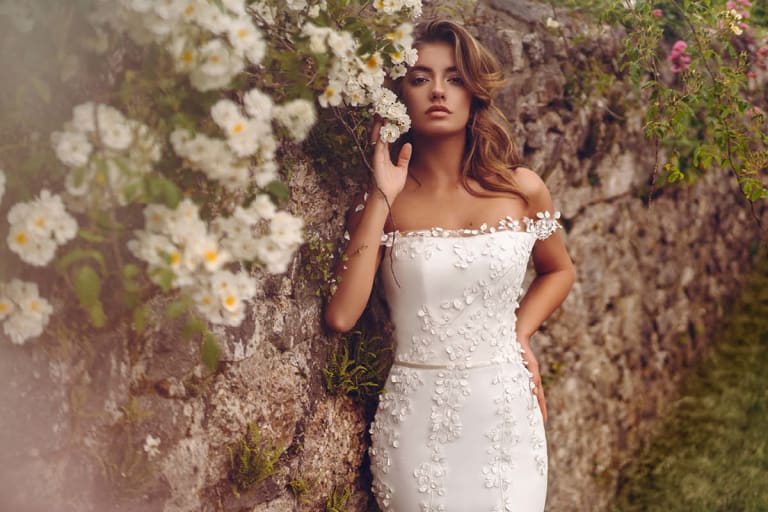
The “Naked” Dress 2.0: How Florence Pugh and Lily-Rose Depp Are Making Sheer Fabrics a Refined Power Statement
The naked dress is no longer interested in shock for shock’s sake. In 2026, its most compelling form is not about maximum exposure or tabloid provocation. It is about control. It is about transparency used with intelligence, sheer fabric treated like architecture, and styling sharp enough to turn vulnerability into authority. That is why the old phrase “naked dress” almost feels too blunt now. What Florence Pugh and Lily-Rose Depp represent is something more evolved: sheer dressing as a refined power statement.
Both women have helped shift the conversation in different but complementary ways. Pugh has spent the last several years defending the right to wear transparent clothing without apology, turning sheer dressing into an argument about body autonomy and fashion confidence. Lily-Rose Depp, by contrast, has built a more whispering version of the same thesis: lace, chiffon, boudoir layering, archival Chanel, and sheer fabrics deployed with the kind of French-inflected restraint that makes the look feel rarified instead of merely revealing. Together, they show how the naked dress has matured. It is no longer just a stunt. It is strategy.
That strategic shift is happening inside a broader 2026 fashion climate that is clearly interested in transparency with structure. Recent red-carpet coverage has emphasized naked dressing that is tempered by tailoring, historical references, lingerie layering, capes, embellishment, and menswear contrasts rather than straightforward skin display. Even when the look is daring, the styling now tends to be exacting. The result is a new kind of heat: not careless, not chaotic, but exquisitely managed.
Why the Naked Dress Needed an Upgrade
The original naked-dress phenomenon worked because it broke a rule. It took the language of underwear, illusion mesh, and strategic bareness and dragged it onto the red carpet with no interest in modest social reassurance. But once that shock value became familiar, fashion needed a second act. 2026’s answer has been refinement.
Refinement, in this context, does not mean retreat. It means better styling logic. It means treating sheer fabric as one element in a complete image rather than the entire point. Harper’s Bazaar’s recent coverage of Charlize Theron’s Dior menswear twist on naked dressing is useful here: the outfit was daring, but what made it feel modern was the addition of suiting, an Elizabethan-style collar, and sharply considered accessories. The exposure was part of a composition, not a standalone headline.
That same evolution explains why sheer dresses feel more powerful now than they did in their most obviously provocative era. When a sheer look is paired with couture embroidery, lace layering, archival references, impeccable hair, or severe tailoring, the wearer looks less like she is simply showing skin and more like she is dictating the terms of visibility. That is the core difference between the old naked dress and Naked Dress 2.0. One says, “Look.” The other says, “You may look, but on my terms.”
Florence Pugh Made Sheer Dressing About Defiance

If anyone helped rewire public understanding of transparent fashion, it was Florence Pugh. Her sheer Valentino moment in 2022 became a cultural flashpoint, and while that specific look predates 2026, its afterlife matters because it changed how sheer dressing gets discussed. Pugh did not treat criticism as a reason to retreat; she used it to challenge the idea that a woman in a transparent dress must be inviting judgment. That attitude still shapes how fashion reads her today.
What makes Pugh’s contribution so important is tone. Sheer on her does not usually read fragile or decorative. It reads intentional, bold, and faintly confrontational in the best way. Even when the silhouette is romantic, there is often something harder beneath it: a strong shoulder, a cleaner line, a darker palette, or simply the attitude with which she wears it. She helped make transparency feel less like performance for the gaze and more like self-authored image-making. That cultural shift is partly why sheer fashion can now be interpreted as power rather than scandal.
And that is where Naked Dress 2.0 begins. Not with fabric alone, but with stance. Pugh’s legacy in this space is that she made sheer clothing feel less submissive to approval. Once that mental shift happened, designers and stylists had room to push the look into more sophisticated territory.
Lily-Rose Depp Makes Sheer Dressing Feel Aristocratic
If Pugh’s sheer style is defiant, Lily-Rose Depp’s is quietly devastating. Her red-carpet wardrobe around Nosferatu became a case study in how transparent fabric can feel ghostly, elegant, and deeply refined all at once. Vogue’s coverage of her Nosferatu appearances stressed the refinement and heavy Chanel presence of the tour, while another Vogue piece on the Los Angeles premiere described her in a dove-gray Chanel couture dress from fall 1995 with delicate embellishment and a sheer sleeveless overcoat embroidered in silver. That is not naked dressing in the old tabloid sense. It is sheer dressing elevated into atmosphere.
Her 2025 Oscars look sharpened the point further. Harper’s Bazaar described Depp’s Academy Awards outfit as a black see-through Chanel dress made of floral lace, with a sequined bust, sequined frilled tiers, diamonds, satin Mary Janes, and polished old-Hollywood hair. The key detail here is not only that the dress was sheer. It is that everything around the sheerness was composed, precious, and controlled. Lace turned transparency into texture. Sequins turned it into craft. Jewelry turned it into ceremony.
That is Lily-Rose Depp’s great style gift. She makes transparency feel expensive. Sheer fabric on her rarely reads as a cheap thrill. It reads as boudoir intelligence, couture memory, and a little spectral glamour. Even Vogue’s older 2020 note on her BAFTA Chanel catsuit emphasized that the sheer overlay gave the look a refined boudoir sensibility rather than collapsing into overt provocation. That throughline has only become clearer with time.
Sheer Power Is About Styling, Not Exposure
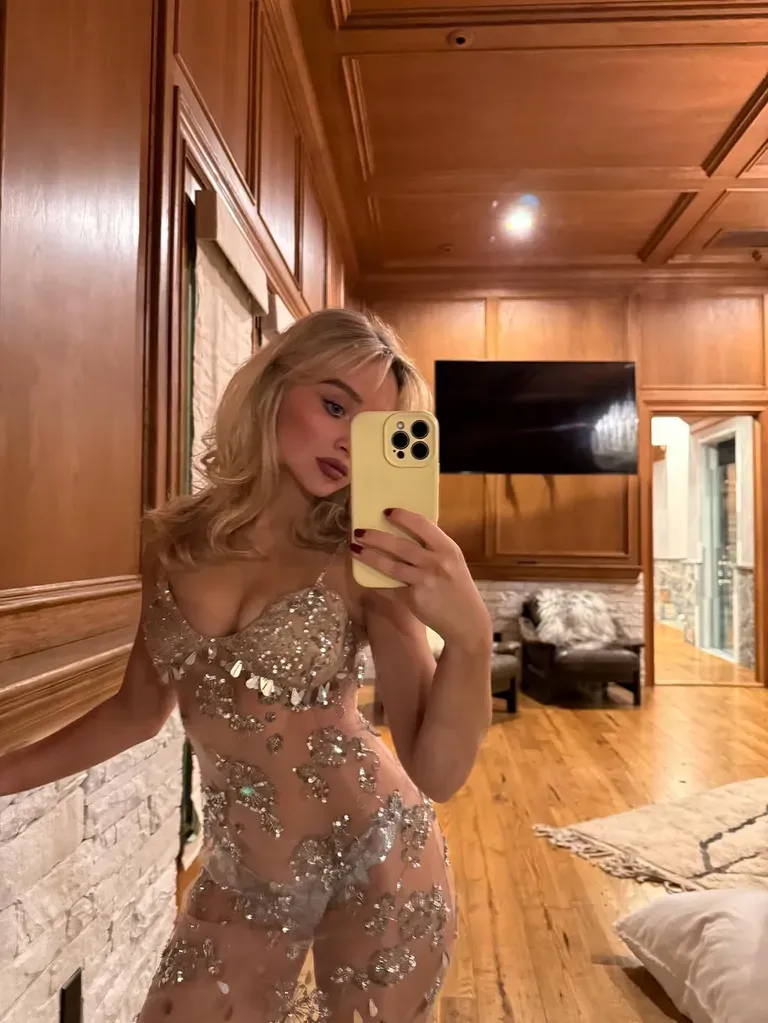
The biggest lesson from Pugh and Depp is that the strongest sheer looks are never only about how much skin is visible. They are about what frames the transparency. That frame can be lace, beadwork, historical references, embroidery, menswear tailoring, a cape, a choker, a polished wave, a satin shoe, or a sharply chosen lip color. In 2026 coverage, that framing is everywhere. Charlize Theron’s recent Dior look, for example, was daring precisely because it contrasted bare skin with suiting and an exaggerated white collar. Sharon Stone’s sheer illusion dress at the LACMA opening relied on appliqué movement and color, not just transparency, to create impact.
This is why the phrase “refined power statement” fits. Refined means edited. Power means the wearer controls the read. The look is not asking to be interpreted as accidental. It is constructed. When sheer dressing is handled this way, it becomes less about revealing the body and more about revealing taste, nerve, and confidence.
That change also explains why sheer fabrics now sit comfortably inside luxury fashion rather than only at its edges. Transparency has become a vehicle for precision. It can be gothic, boudoir, architectural, or almost Elizabethan. It can carry lingerie codes or couture codes. But the strongest version always suggests that the wearer is not losing control through exposure. She is gaining it.
Why This Feels So 2026
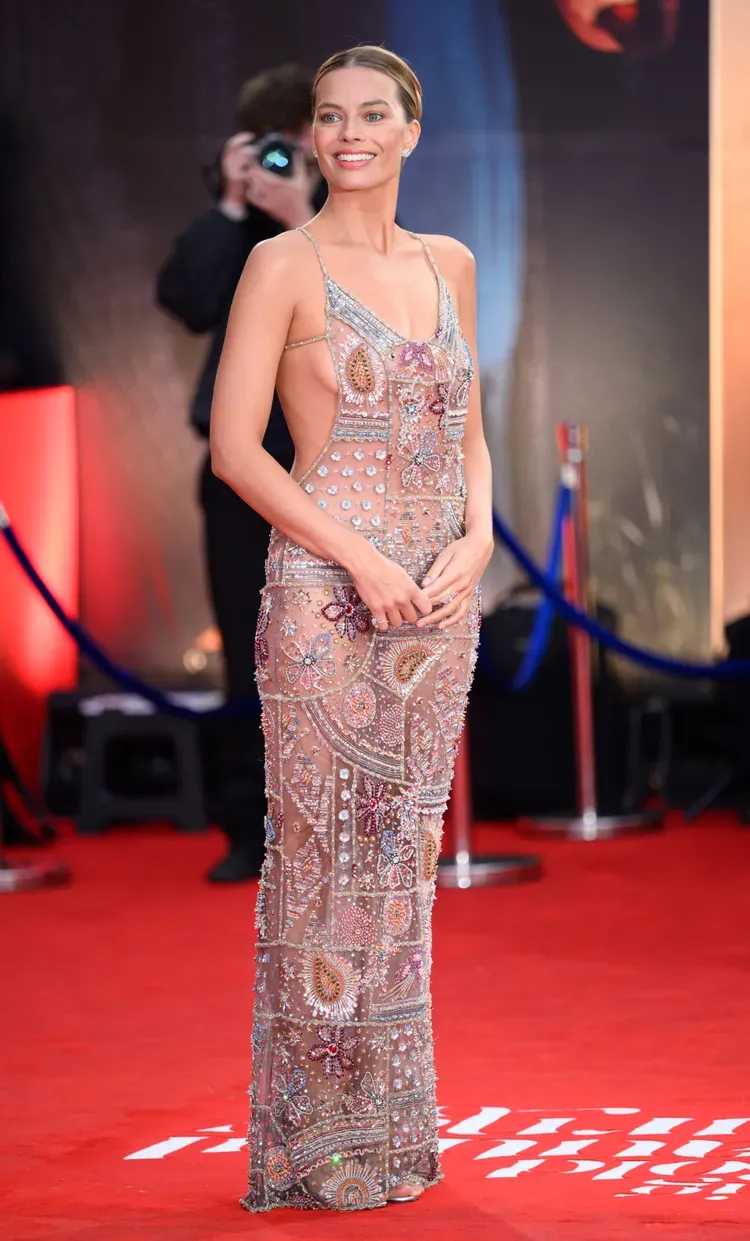
Fashion in 2026 is especially receptive to this upgraded naked-dress language because the wider aesthetic mood favors contradiction. We are seeing more lingerie references, more transparency, more visible softness, but almost always set against something grounding: tailoring, strong accessories, historical inflection, or deliberate restraint. The appetite is not for raw bareness. It is for calibrated tension.
That is why sheer dressing now feels less like a one-note sexy trend and more like a broader visual philosophy. It lets women be glamorous without defaulting to the same corset-and-slit eveningwear formula. It introduces delicacy without weakness. It turns fabric itself into drama. Lily-Rose Depp’s cape-over-couture version and Pugh’s more confrontational transparency both fit inside that same philosophy, even if the emotional tone is different. One whispers. One dares. Both command.
There is also a practical reason the trend thrives now: sheer fabrics photograph beautifully when handled well. Layers create depth. Lace catches shadow. Embroidery floats over skin. Transparent capes and overlays move in air. In a digital environment saturated with red-carpet images, that extra dimension matters. A plain opaque gown can look elegant; a carefully layered sheer gown can look haunted, expensive, and unforgettable.
Florence and Lily-Rose Represent Two Ends of the Same New Ideal
What makes this trend especially interesting is that Pugh and Depp do not look alike, dress alike, or communicate the same kind of glamour. Yet both are central to Naked Dress 2.0 because they represent two complementary routes into the modern sheer statement.
Florence Pugh offers the bolder route. Sheer, for her, is tied to body confidence, provocation, and a refusal to shrink. The emotional effect is strong, direct, and unapologetic. Her contribution is cultural as much as aesthetic: she helped make transparent dressing feel like an act of authorship.
Lily-Rose Depp offers the more aristocratic route. Sheer, for her, is tied to lace, couture, boudoir echoes, Chanel mythology, and a kind of pale, haunted refinement. The emotional effect is softer on the surface but no less commanding. Her version proves that transparency can look rarefied rather than loud.
Together, they expand the trend’s vocabulary. One makes sheer fabric feel modern and bodily fearless. The other makes it feel historical, precious, and almost literary. That range is exactly why the naked dress has survived its own hype cycle. It finally has nuance.
The Real Seduction Is Control
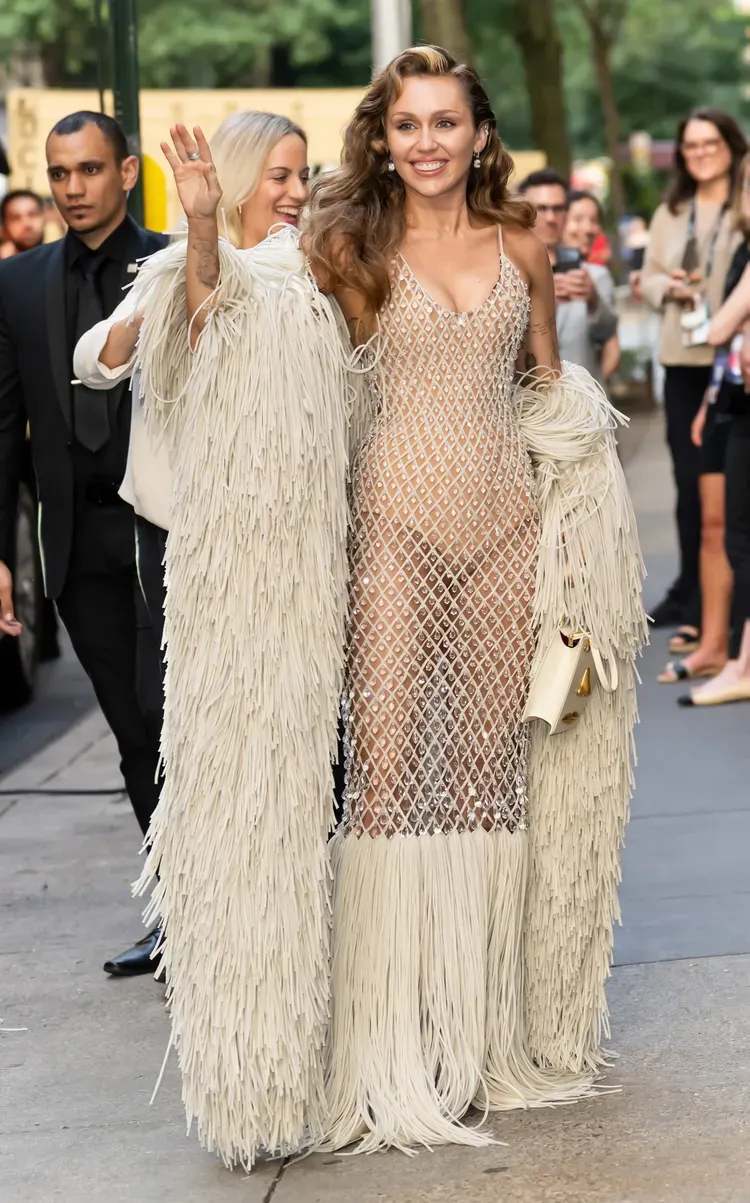
What fashion keeps learning, over and over, is that the most compelling kind of “hot” is not always the most obvious. Sheer dressing in its refined 2026 form is seductive because it is disciplined. It asks the eye to read fabric, layering, surface, and attitude. It withholds just enough to become more charged.
That is why Naked Dress 2.0 feels like a power statement instead of a gimmick. Power, here, is not about aggression. It is about composure inside visibility. The wearer is seen, certainly, but never consumed by the look. The transparency serves her image, not the other way around.
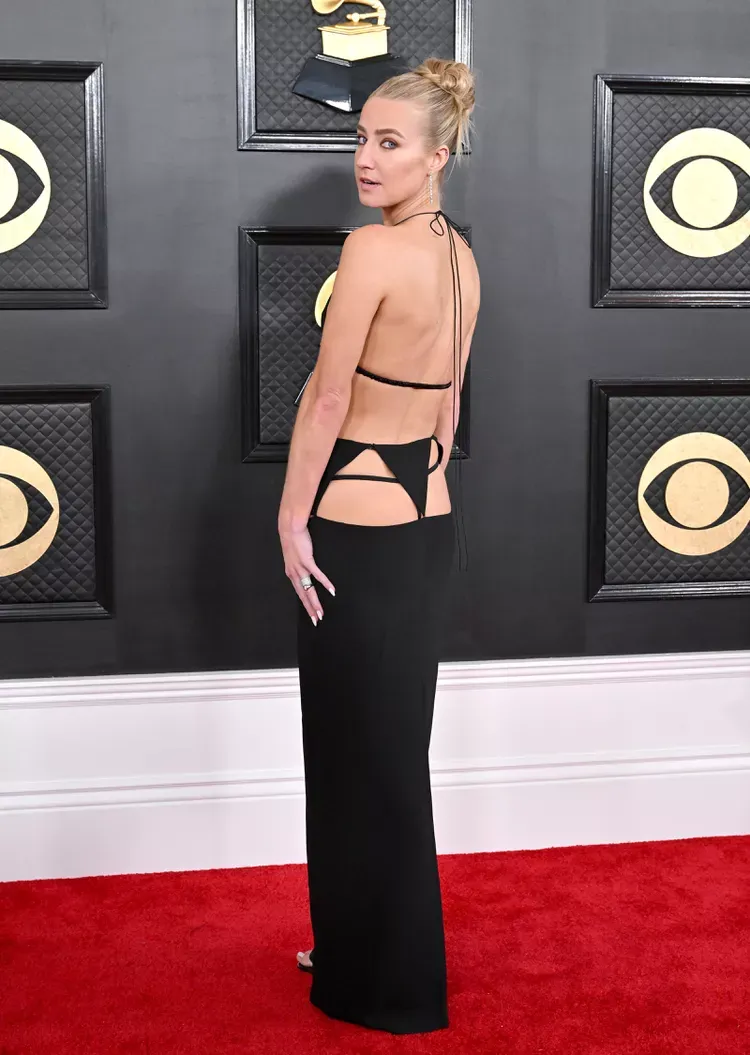
This is what Pugh and Depp understand better than most. Whether through bold confrontation or almost ghostly elegance, they treat sheer clothing as a medium of control. In that sense, the trend’s refinement is not merely aesthetic. It is psychological.
The naked dress has evolved because fashion itself has evolved. Recent red-carpet coverage shows that sheer dressing now works best when it is shaped by tailoring, lace, couture layering, embroidery, or historical styling rather than raw exposure alone. Florence Pugh helped lay the groundwork by making transparency feel fearless and self-authored, while Lily-Rose Depp has elevated sheer fabric into something almost aristocratic through Chanel lace, couture capes, and boudoir-inflected refinement.
That is why the “naked” dress in 2026 no longer feels like a simple reveal. It feels like a decision. A woman in sheer fabric can now look not just sexy, but exacting, composed, and powerful. The body is still present, of course, but so are craft, symbolism, and control. Naked Dress 2.0 is not about baring all. It is about making transparency look like authority.