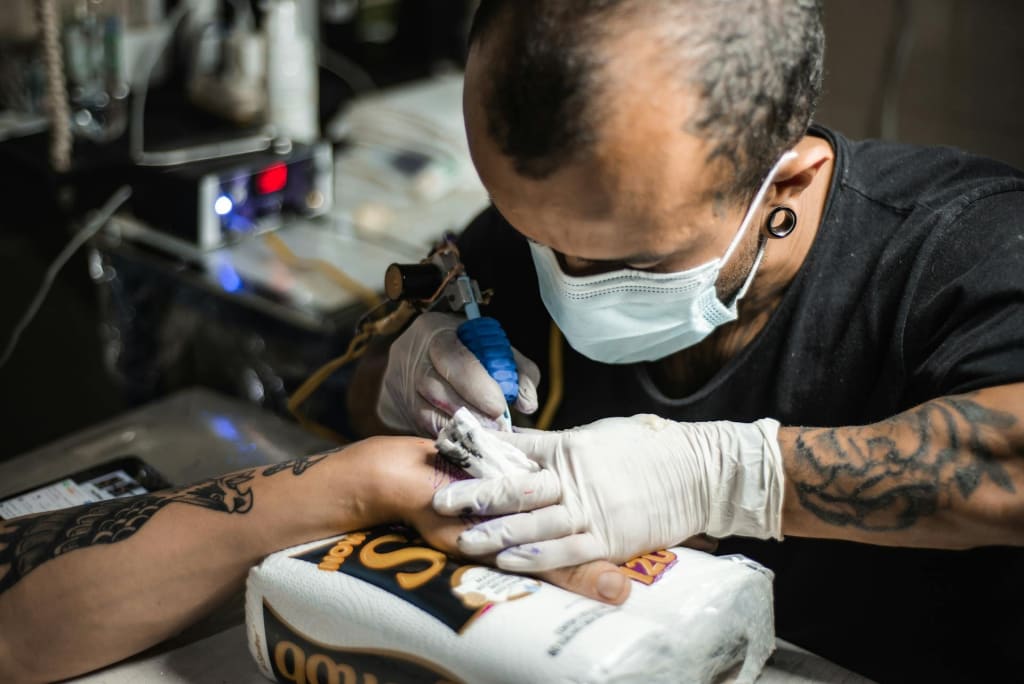
Tattoos and the Immune System: What New Science Reveals About Ink, Inflammation, and Long-Term Health
Tattoos are often described as art, memory, identity, rebellion, devotion, or personal storytelling. For many people, getting tattooed is deeply meaningful. A tattoo may honor a loved one, mark survival, express beauty, represent faith, celebrate culture, or simply decorate the body with something permanent and personal.
But beneath the surface of that permanence lies a biological story far more complex than most people realize.
A tattoo is not just ink sitting quietly under the skin. It is a long-term interaction between foreign pigment particles and the immune system. From the moment tattoo ink enters the dermis, the body recognizes it as an invader. Immune cells rush to the site, inflammation begins, pigment particles are swallowed, and a strange biological compromise takes shape: the body cannot fully remove the ink, but it also does not entirely ignore it.
This is why tattoos last.
Modern research increasingly shows that tattoo ink is not completely locked in place. Some pigment particles remain in the skin, while others migrate through lymphatic vessels and accumulate in nearby lymph nodes. In some cases, lymph nodes can even become visibly colored by tattoo pigment. Recent studies have also raised questions about chronic inflammation, vaccine response, immune reprogramming, and possible links between tattoos and certain cancers such as lymphoma.
This does not mean every tattoo is dangerous. It does not mean tattooed people should panic. Millions of people live with tattoos without obvious health problems. However, the science is becoming harder to ignore: tattoos are not merely cosmetic. They are biological events with long-term consequences that researchers are only beginning to understand.
What Actually Happens When Tattoo Ink Enters the Skin?
To understand the long-term health questions around tattoos, we first need to understand what happens during tattooing.
A tattoo machine uses needles to puncture the skin repeatedly and deposit pigment into the dermis, the layer of skin beneath the outer epidermis. The epidermis constantly renews itself, which is why ink placed too shallowly would eventually disappear. The dermis, however, is more stable. By placing pigment there, tattoo artists create a design that can remain visible for decades.
But the immune system does not see tattoo ink as art.
It sees damage and foreign material.
The repeated needle punctures create thousands of tiny wounds. The body responds immediately with inflammation. Blood vessels expand, immune cells arrive, and the wound-healing process begins. Among the most important immune cells involved are macrophages.
Macrophages are white blood cells that patrol tissues, engulf foreign particles, remove cellular debris, and help coordinate immune responses. Their name comes from Greek roots meaning “big eaters,” which is exactly what they do. When tattoo pigment enters the dermis, macrophages attempt to swallow and break down the ink particles.
But tattoo pigment is not like bacteria or ordinary cellular waste.
Many pigment particles are chemically stable, insoluble, and too large or durable for macrophages to digest completely. So the macrophages engulf the pigment but cannot fully destroy it. Some ink remains trapped inside these cells. Some pigment is also held by other skin cells, including fibroblasts.
This trapped pigment is what makes the tattoo visible.
The body has essentially imprisoned the ink rather than eliminated it.
Why Tattoos Are Permanent: The Macrophage “Hand-Off”
For years, many people assumed tattoos were permanent simply because ink was deposited deep enough in the skin. That is partly true, but the real explanation is more fascinating.
Research has shown that tattoo permanence depends heavily on a continuous immune-cell cycle.
Macrophages engulf tattoo pigment. Over time, those macrophages naturally die. When they die, they release the pigment particles back into the surrounding tissue. Then new macrophages arrive and swallow the same pigment again.
This creates a biological hand-off.
The ink is passed from one generation of immune cells to another, again and again. The tattoo remains visible because the pigment is repeatedly captured and held in place.
In other words, a tattoo is permanent not because the immune system ignores it, but because the immune system keeps responding to it.
That changes how we should think about tattoos. The ink is not simply inert decoration. It is part of an ongoing relationship between foreign pigment and immune surveillance. The body continues managing the tattoo long after the wound has healed.
Tattoos as Permanent Local Immune Activation
Once a tattoo heals, the skin may appear normal. The redness disappears, the swelling goes down, and the surface becomes smooth again. But beneath the visible calm, immune activity can continue.
Because tattoo pigment remains in the dermis, the immune system continues to interact with it. Macrophages and other immune cells remain involved in containing the foreign particles. This does not necessarily mean the body is in a state of dangerous inflammation, but it does suggest a long-term local immune response.
This is important because chronic immune activation is biologically different from a short-term wound response.
Short-term inflammation helps the body heal. It brings immune cells, clears debris, fights infection, and supports tissue repair. Chronic inflammation, however, can become more complicated. When immune activity persists over long periods, it may alter tissue environments, influence cell signaling, and affect nearby immune structures.
Tattoo research is now exploring whether pigment accumulation creates long-lasting immune changes not only in the skin but also in the lymphatic system.
How Tattoo Ink Travels Through the Body
One of the most important discoveries in tattoo science is that ink does not always stay where it is placed.
Studies using advanced imaging techniques, including synchrotron-based X-ray fluorescence, have found evidence that tattoo pigment particles and associated elements can migrate from the skin to regional lymph nodes.
The lymphatic system is part of the immune system. It helps drain fluid from tissues, transports immune cells, and filters foreign substances. Lymph nodes act like surveillance stations where immune cells inspect material collected from different areas of the body.
When tattoo ink particles are picked up by immune cells or enter lymphatic drainage, they can travel to nearby lymph nodes.
This explains why doctors and researchers have found tattoo pigment inside lymph nodes. In some cases, lymph nodes near tattooed areas may become darkened or colored by ink. Black tattoos, for example, can lead to blackened lymph nodes. Colored tattoos may leave colored deposits.
This finding is not just visually surprising. It proves that tattoo pigment can move beyond the original tattoo site.
Why Ink in Lymph Nodes Matters
Lymph nodes are not passive storage containers. They are active immune organs.
They help the body recognize pathogens, coordinate immune responses, activate lymphocytes, and generate antibody responses. If tattoo particles accumulate in lymph nodes, researchers naturally want to know whether that accumulation changes how those lymph nodes function.
This question has become especially important because recent studies suggest that tattoo ink can alter the immune environment inside draining lymph nodes.
Draining lymph nodes are the lymph nodes that receive fluid and immune signals from a particular region of the body. For example, a tattoo on the arm may drain toward lymph nodes in the armpit. A tattoo on the leg may drain toward lymph nodes in the groin.
If pigment builds up in these nodes, it may influence local immune behavior.
Recent animal-model research suggests tattoo ink accumulation can trigger long-term inflammation in draining lymph nodes. This may include increased levels of proinflammatory cytokines, changes in immune-cell behavior, and altered responses to later immune challenges.
This does not automatically mean human tattoos cause serious disease. Animal studies do not always translate directly to human outcomes. But they provide important biological clues.
Tattoos and Chronic Inflammation
Inflammation is one of the central themes in modern tattoo research.
When tattoo ink enters the skin, acute inflammation is expected. That is part of normal wound healing. The more important question is whether tattoo pigment can cause chronic inflammation months or years later.
Recent research suggests that pigment accumulation in lymph nodes may indeed create long-lasting inflammatory changes. In experimental models, tattoo ink has been associated with persistent immune activation in draining lymph nodes. Researchers have observed inflammatory signaling that continues well beyond the initial tattooing event.
This matters because chronic inflammation is involved in many diseases. It can contribute to tissue damage, immune dysfunction, and, in some contexts, cancer development. However, it is important to avoid overstating the evidence. A biological mechanism does not automatically prove clinical harm in every tattooed person.
The key takeaway is more measured:
Tattoo ink can persist in immune tissues, and scientists are finding evidence that this persistence may alter immune activity over time.
That alone makes tattoos worthy of serious long-term study.
Can Tattoos Affect Vaccine Responses?
One of the most interesting recent findings concerns vaccines.
Vaccines rely on the immune system’s ability to detect an antigen and generate a protective response. Lymph nodes play a major role in this process. If tattoo ink changes the immune environment inside a draining lymph node, it is reasonable to ask whether vaccines injected into the same drainage area might produce different responses.
Recent animal-model research has suggested that tattoo ink in draining lymph nodes can alter vaccine responses in complex ways.
In one study, tattoo pigment accumulation was associated with a reduced antibody response to an mRNA-based SARS-CoV-2 vaccine when the vaccine was administered in the same lymphatic drainage region. Interestingly, the same study found that response to another vaccine type, such as an inactivated influenza vaccine, could be enhanced.
This is not a simple “tattoos weaken vaccines” story.
The findings suggest something more complicated: tattoo ink may reprogram or modify the local immune environment, causing different effects depending on the vaccine platform, antigen, injection site, and immune pathway involved.
For ordinary people, this does not mean vaccines stop working if they have tattoos. It does not mean tattooed individuals should avoid vaccination. But it may eventually influence how scientists think about injection sites, immune variability, and long-term exposure to pigment particles in lymphatic tissue.
More human research is needed before practical medical recommendations can be made.
The Cancer Question: Are Tattoos Linked to Lymphoma?
Perhaps the most sensitive and alarming area of tattoo research involves cancer risk.
In 2024, a major Swedish study from Lund University investigated whether tattoos were associated with malignant lymphoma, a cancer of the lymphatic system. The researchers reported that tattooed individuals had a 21 percent higher risk of overall malignant lymphoma compared with non-tattooed individuals.
This finding received widespread media attention.
However, it must be interpreted carefully.
A 21 percent increased relative risk does not mean that 21 percent of tattooed people will develop lymphoma. Lymphoma remains relatively rare. A relative increase can sound dramatic even when the absolute risk remains low.
The study also found that tattoo size did not clearly correspond with higher risk, which surprised researchers. If ink burden were the only factor, one might expect larger tattoos to carry greater risk. The absence of a simple size-response relationship makes interpretation more complicated.
The study does not prove that tattoos cause lymphoma. It shows an association that requires further investigation.
Still, the finding is important because it aligns with biological questions already raised by tattoo pigment migration, lymph-node accumulation, and chronic immune stimulation.
Why Lymphoma Is Biologically Relevant to Tattoo Research
Lymphoma affects lymphocytes, the immune cells that circulate through the lymphatic system and lymph nodes. Because tattoo pigment can migrate to lymph nodes, researchers are interested in whether long-term pigment accumulation could influence lymphatic tissue in ways that matter for cancer biology.
Possible mechanisms include:
Chronic low-grade inflammation.
Long-term immune-cell activation.
Exposure to potentially toxic ink components.
Chemical breakdown products from pigments.
Local tissue changes inside lymph nodes.
None of these mechanisms has been proven to directly cause lymphoma in tattooed humans. But they are plausible enough to deserve careful research.
This is where the science currently stands: there is evidence of association, there are biologically plausible pathways, but causation has not been established.
Responsible reporting must hold all three ideas together.
What Is Actually Inside Tattoo Ink?
Tattoo inks are complex mixtures. They may contain pigments, carriers, preservatives, stabilizers, contaminants, and byproducts. The exact composition varies depending on manufacturer, color, region, and regulation.
Some inks have been found to contain substances of toxicological concern, including:
Polycyclic aromatic hydrocarbons, also known as PAHs.
Heavy metals such as nickel, chromium, cobalt, lead, and cadmium.
Aromatic amines.
Preservatives and impurities.
Carbon black particles.
Titanium dioxide in some lighter pigments.
Certain PAHs and heavy metals are known or suspected carcinogens. Some substances can also trigger allergic reactions, skin irritation, or photosensitivity.
Black inks have received particular attention because some carbon black pigments may contain PAHs. Colored inks can contain metals or other compounds depending on the pigment source.
The safety issue is complicated by inconsistent global regulation. The European Union has introduced stricter chemical restrictions for tattoo inks under REACH regulations, limiting thousands of hazardous substances in tattoo inks and permanent makeup. But regulations vary widely across countries, and not all tattoo inks worldwide are held to the same standards.
This means the safety of a tattoo may depend not only on the tattooing process but also on the chemical quality of the ink used.
Sunlight, UV Exposure, and Ink Chemistry
Tattoo pigments do not exist in a sealed laboratory environment. They live inside human skin, where they may be exposed to sunlight, immune activity, metabolism, and time.
Ultraviolet radiation from sunlight can affect some tattoo pigments. Certain compounds may degrade or transform when exposed to UV light. This can potentially create new chemical byproducts, some of which may be more reactive or toxic than the original pigment.
This does not mean sunlight makes every tattoo dangerous. But it does suggest that tattoo chemistry can change over time.
For this reason, dermatologists often recommend protecting tattoos from excessive sun exposure. Sun protection helps preserve tattoo appearance, reduces fading, and may also reduce unnecessary chemical stress on pigment-containing skin.
Tattoo Allergies and Skin Reactions
Beyond long-term immune questions, tattoos can cause more immediate or visible health problems.
Some people develop allergic reactions to tattoo pigments. Red inks are particularly well known for causing allergic responses, though reactions can occur with other colors as well.
Possible tattoo-related skin reactions include:
Itching.
Swelling.
Rashes.
Granulomas.
Delayed hypersensitivity reactions.
Scarring.
Keloids.
Photosensitivity.
Chronic irritation.
Some reactions appear soon after tattooing. Others may develop months or even years later. In certain cases, a tattoo can become inflamed after sun exposure, infection, immune changes, or even laser treatment.
People with a history of allergies, autoimmune disease, keloid scarring, or sensitive skin should be especially cautious before getting tattooed.
Infection Risk: The Immediate Danger People Should Not Ignore
While long-term tattoo research is still developing, infection risk is already well established.
Tattooing breaks the skin barrier. If equipment, ink, water, gloves, surfaces, or aftercare practices are contaminated, bacteria or viruses can enter the body.
Possible infections include:
Local bacterial skin infections.
Abscesses.
Cellulitis.
Bloodborne infections if unsafe needles are used.
Rare systemic infections.
Contaminated tattoo ink has also been linked to outbreaks of nontuberculous mycobacterial infections.
This is why hygiene matters enormously. A professional tattoo studio should use sterile needles, proper skin disinfection, single-use supplies, regulated inks, clean work surfaces, and safe aftercare instructions.
The greatest tattoo risk for many people may not be cancer or vaccine response. It may be poor infection control.
Tattoo Removal Does Not Simply Make Ink Disappear
Laser tattoo removal is often described as breaking up tattoo ink so the body can clear it. That is broadly true, but it also raises important biological questions.
Laser energy fragments pigment particles into smaller pieces. These fragments may then be removed through immune and lymphatic pathways. Some pigment may leave the skin, but it does not simply vanish. It must go somewhere.
Smaller particles may travel more easily through lymphatic drainage. Laser treatment can also create chemical breakdown products depending on the pigment.
This does not mean tattoo removal is unsafe in general. Many people undergo laser removal successfully. But it reinforces the larger point: tattoo ink is not biologically inert. Whether deposited, stored, fragmented, or transported, it interacts with the body.
Anyone considering tattoo removal should consult a qualified dermatologist or licensed laser specialist, especially if the tattoo contains multiple colors or unknown ink types.
Should People With Tattoos Be Worried?
The most responsible answer is: aware, not panicked.
The emerging science does not support fearmongering. It does not prove that tattoos commonly cause serious disease. It does not mean everyone with tattoos is at high risk.
But it also does not support the old idea that tattoos are only skin-deep decoration.
The evidence now shows that tattoo ink can persist in the body, interact with immune cells, migrate to lymph nodes, and potentially influence immune activity. Some epidemiological studies suggest possible links with lymphoma, although causation remains unproven.
That means tattoos deserve the same kind of informed decision-making as other long-term body modifications.
People should ask better questions before getting tattooed:
What ink brand is being used?
Is the ink compliant with strong safety regulations?
Is the studio licensed and hygienic?
Does the artist use sterile equipment?
Do I have allergies or immune conditions?
Am I prone to keloids or abnormal scarring?
Where on the body am I getting tattooed?
Can I protect the tattoo from sun damage?
Do I understand that tattoo pigment may remain in my body for life?
These questions do not ruin the beauty of tattoos. They make the decision more informed.
What Tattoo Artists and Studios Should Take Seriously
Tattoo artists are central to tattoo safety.
A skilled artist is not only someone who creates beautiful designs. A responsible artist also understands hygiene, skin trauma, ink quality, allergic risks, aftercare, and client education.
Good tattoo studios should prioritize:
Sterile needles and disposable supplies.
High-quality regulated inks.
Clear ingredient transparency when possible.
Proper skin preparation.
Clean working environments.
Safe waste disposal.
Detailed aftercare instructions.
Honest risk communication.
Avoiding tattooing over irritated or infected skin.
Refusing unsafe requests.
As tattoo science evolves, the tattoo industry may need to adapt. Better ink labeling, improved pigment testing, stricter contamination controls, and stronger safety standards could help protect both artists and clients.
What Regulators Need to Address
The global tattoo industry has expanded rapidly, but regulation has not always kept pace.
In some regions, tattoo inks are regulated more strictly. In others, oversight may be weak or inconsistent. This creates a safety gap, especially in an international market where inks can be imported, relabeled, sold online, or used without full chemical transparency.
Regulators should focus on:
Clear ingredient disclosure.
Limits on carcinogenic substances.
Heavy metal testing.
Microbial contamination testing.
Batch tracking.
Restrictions on unsafe pigments.
Post-market surveillance.
Better reporting systems for adverse reactions.
Tattooing is mainstream now. It should be treated as a public health issue, not an underground niche.
The Bigger Scientific Lesson: The Skin Is Not Separate From the Body
One of the most important lessons from tattoo research is that the skin is not an isolated surface.
The skin is an immune organ. It communicates with the lymphatic system, nervous system, blood vessels, and immune cells throughout the body. What happens in the skin can influence deeper biological systems.
Tattoos make this visible in a striking way.
A design placed in the skin can leave pigment in lymph nodes. A cosmetic decision can become an immunological event. A personal symbol can become part of the body’s long-term immune landscape.
This does not make tattoos bad. It makes them biologically meaningful.
The Future of Tattoo Science
Tattoo research is likely to grow quickly in the coming years.
Scientists still need better answers to several important questions:
How much ink migrates from tattoos over a lifetime?
Do different colors behave differently in the body?
Which pigments are safest?
Can tattoo ink alter immune responses in humans?
Does tattoo location affect vaccine response?
Are some people genetically more vulnerable to tattoo reactions?
Is there a real causal link between tattoos and lymphoma?
How does laser removal change long-term pigment distribution?
What regulations best protect consumers without destroying artistic freedom?
These questions matter because tattoos are no longer rare. They are common across many age groups, cultures, and professions. As more people get tattooed, even small health effects could matter at the population level.
Final Verdict: Tattoos Are Art, But They Are Also Biology
Tattoos are powerful. They can be beautiful, emotional, cultural, spiritual, rebellious, therapeutic, or deeply personal. But they are not biologically neutral.
The latest research shows that tattoo ink can interact with the immune system for years. Macrophages capture and recapture pigment in a continuous cycle that helps make tattoos permanent. Some ink particles can migrate to lymph nodes, where they may accumulate and influence local immune activity. Recent studies suggest possible effects on inflammation and vaccine response, while epidemiological research has raised questions about a potential association with lymphoma.
None of this means people must avoid tattoos altogether.
But it does mean tattooing should be approached with more respect for the biology involved.
A tattoo is not just something placed on the body. It is something placed into the body. Once there, it becomes part of a long conversation between art, chemistry, skin, immunity, and time.
For anyone considering a tattoo, the best approach is not fear. It is informed caution.
Choose a reputable artist. Ask about ink quality. Protect your tattoo from sunlight. Follow aftercare properly. Pay attention to unusual symptoms. And understand that the permanence of a tattoo is not only artistic—it is immunological.
FAQ
Do tattoos stay only in the skin?
No. Much of the pigment remains in the skin, but research shows some tattoo particles can migrate through lymphatic pathways and accumulate in nearby lymph nodes.
Why are tattoos permanent?
Tattoos are permanent partly because macrophages swallow pigment particles but cannot fully digest them. When those macrophages die, the pigment is released and taken up by new macrophages, creating a continuous biological hand-off.
Can tattoo ink reach lymph nodes?
Yes. Studies using advanced imaging methods have found tattoo pigments and related elements in regional lymph nodes.
Does tattoo ink cause chronic inflammation?
Research suggests tattoo pigment can create long-term immune activity and inflammation, especially in draining lymph nodes. However, the clinical significance in humans is still being studied.
Can tattoos affect vaccines?
Animal-model research suggests tattoo ink in lymph nodes may alter immune responses to some vaccines, reducing responses in some cases and enhancing them in others. More human research is needed.
Do tattoos cause lymphoma?
Current evidence does not prove that tattoos cause lymphoma. A 2024 Swedish study found an association between tattoos and increased lymphoma risk, but causation has not been established.
Are tattoo inks toxic?
Some tattoo inks may contain substances of concern, including PAHs, heavy metals, aromatic amines, or contaminants. Ink safety depends heavily on formulation, manufacturing quality, and regulation.
Are black tattoos safer than colored tattoos?
Not necessarily. Black inks and colored inks have different chemical profiles. Some black inks may contain PAHs, while some colored inks may contain metals or other compounds. Safety depends on the specific ink.
Is tattoo removal risk-free?
Laser tattoo removal can be effective, but it breaks pigment into smaller particles that the body must process. It may also create chemical byproducts depending on the ink.
Should tattooed people be worried?
Tattooed people should not panic, but they should stay informed. Seek medical advice if you notice persistent swelling, unusual lymph node enlargement, chronic irritation, allergic reactions, or changes in tattooed skin.