
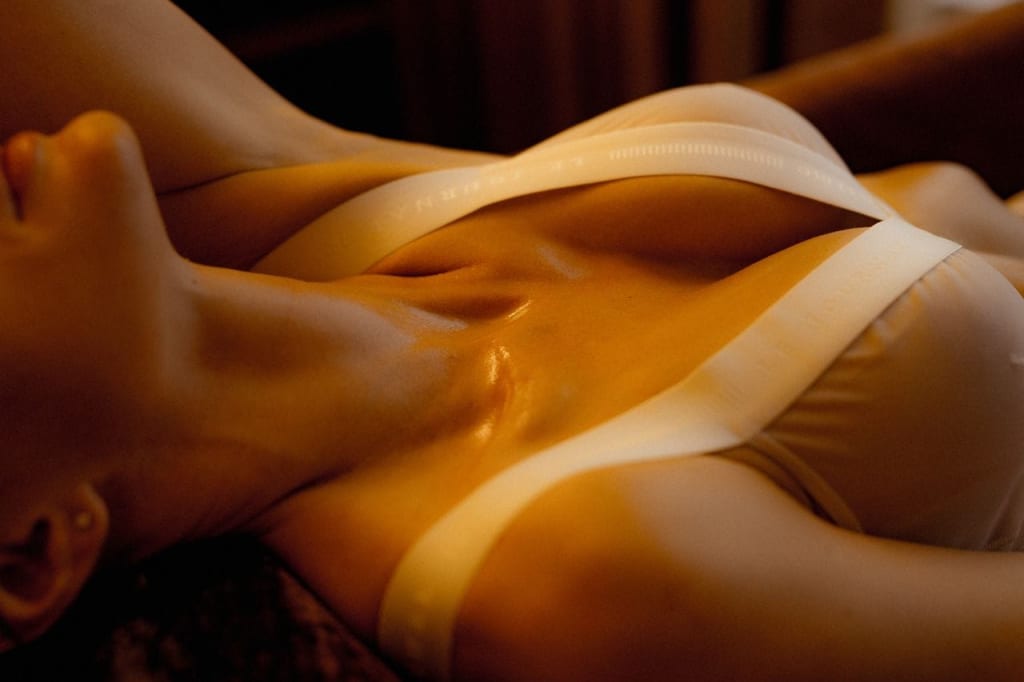
The Rise of “Erotic Luxury”: How Modern Design Is Making Intimacy Chic
For decades, products connected to intimacy were designed to be hidden.
They arrived in loud packaging, used exaggerated imagery and were sold in spaces that often felt secretive, intimidating or deliberately provocative.
The message was clear:
This part of life belonged behind closed doors.
Modern design is changing that message.
A new generation of designers, beauty companies, wellness brands, fashion houses and interior specialists is presenting intimacy through a very different visual language.
Soft architectural forms.
Premium materials.
Muted colours.
Elegant typography.
Sculptural silhouettes.
Discreet technology.
Beautiful packaging designed to sit comfortably beside perfume, skincare and jewellery.
This movement could be described as the rise of erotic luxury—a design philosophy that treats intimacy not as something embarrassing or crude, but as an important part of comfort, wellness, identity and personal expression.
It is not simply about making intimate products more expensive.
It is about making them thoughtful.
The most successful examples do not scream for attention. They integrate naturally into modern life, transforming private experiences into carefully designed rituals.
Intimacy is becoming chic because designers are finally treating it with the same seriousness given to fragrance, furniture, fashion and skincare.
What Does “Erotic Luxury” Mean?
Erotic luxury exists at the meeting point of intimacy, design and lifestyle.
It includes physical products, but the concept is much broader than any single category.
It may involve:
- Sculptural sexual-wellness devices
- Premium body oils and lubricants
- Elegant intimate-care packaging
- Sensual lighting and bedroom design
- High-quality bedding and textiles
- Carefully designed storage
- Fragrance and atmospheric candles
- Boutique hotels created around privacy and romance
- Fashion campaigns exploring desire
- Technology designed for discreet personal use
Traditional luxury often communicates status publicly.
Erotic luxury is different.
Its value is usually experienced privately.
The expensive handbag is carried outside.
The beautifully designed intimacy object may be used by only one person or one couple.
This makes erotic luxury unusually personal. It is less about showing others what someone owns and more about improving how private life feels.
From Novelty to Wellness
One of the most important changes has been the movement of intimacy products into the wellness category.
Rather than presenting pleasure as something separate from health and self-care, modern brands often place it beside sleep, skincare, massage, emotional connection and stress reduction.
The visual transition has been dramatic.
Older products were frequently packaged using bright colours, highly sexualised photography and gendered marketing.
Newer brands often resemble premium beauty companies.
Their websites use editorial photography.
Their packaging is clean and restrained.
Their products appear beside candles, bath oils, face serums and linen rather than theatrical adult-store displays.
The design language communicates calm rather than embarrassment.
This does not make intimacy less erotic.
It removes the assumption that eroticism must always look loud, artificial or secretive.
The Beauty Industry Changed the Conversation
Beauty brands helped create the conditions for erotic luxury.
Modern consumers are already familiar with paying premium prices for products that turn ordinary routines into rituals.
A cleanser is not merely soap.
It may be part of a ten-step skincare ceremony.
A candle is not merely a source of light.
It promises atmosphere, memory and emotional transformation.
A perfume is not just fragrance.
It represents identity.
Intimate-wellness brands adopted the same philosophy.
Packaging became tactile.
Product names became subtle.
Materials and formulations became part of the story.
Photography began resembling a luxury fragrance campaign rather than a novelty catalogue.
The bathroom shelf and dressing table became natural places for products that were once hidden at the back of a drawer.
This beauty-inspired presentation also made the category easier for mainstream retailers to embrace.
A carefully designed object can be displayed beside body care without visually disrupting the environment.
The store no longer needs to create a separate, uncomfortable corner for intimacy.
It can become another part of wellness.
When Intimate Products Become Sculptures
Perhaps the clearest expression of erotic luxury is the transformation of intimate devices into sculptural objects.
Many modern products avoid realistic anatomical forms.
Instead, they borrow from:
- Modernist sculpture
- River stones
- Jewellery
- Cosmetics
- Abstract ceramics
- Organic architecture
- Minimalist electronics
A device may resemble a polished pebble, decorative vase or small piece of contemporary art.
This approach serves several purposes.
It reduces visual stigma.
It allows products to remain visible without immediately revealing their function.
It also communicates intentionality. The object appears to have been designed rather than merely manufactured.
Shape becomes emotional language.
Rounded forms suggest softness and comfort.
Smooth uninterrupted surfaces communicate cleanliness.
Weighted bases suggest permanence and quality.
Muted tones avoid the aggressively gendered colours traditionally used in the category.
The result is something that can belong on a bedside table without looking out of place.
The New Colour Palette of Intimacy
Older intimate-product design often relied on predictable colours.
Bright pink for women.
Black for men.
Red for passion.
Purple for fantasy.
Modern design increasingly rejects those automatic associations.
The new palette is quieter and more architectural:
- Sand
- Stone
- Terracotta
- Sage
- Burgundy
- Cream
- Charcoal
- Deep green
- Warm brown
- Soft lilac
These colours resemble contemporary interiors, ceramics and cosmetics.
They are also more inclusive.
A gender-neutral palette allows the object to belong to an individual or couple without making assumptions about identity, anatomy or orientation.
This does not mean bright colour has disappeared.
Some brands use joyful yellows, cobalt blues or translucent finishes. The difference is that colour is now selected as part of a coherent design identity rather than as a simplistic signal of gender.
Packaging Without Shame
Packaging is one of the strongest tools in the transformation of intimacy.
A product may be beautifully designed, but if it arrives in embarrassing or explicit packaging, the experience immediately changes.
Luxury-oriented brands increasingly use boxes that resemble those created for perfume, jewellery or premium technology.
The exterior may reveal very little.
Inside, products are carefully positioned within fitted compartments. Instructions are clear. Charging cables, storage bags and care information are integrated neatly.
The unboxing experience communicates respect.
This matters because embarrassment often begins before a product is used.
It can occur while entering a store, accepting a delivery, opening a box or deciding where the product should be stored.
Discreet packaging removes unnecessary anxiety.
Beautiful packaging goes further by suggesting that the purchase deserves care rather than apology.
Luxury Is Also About Material Honesty

The appearance of luxury is not enough.
A polished object can still be poorly constructed.
Responsible erotic luxury should include transparency about materials, cleaning, charging, warranties and safe use.
Premium design increasingly emphasises:
- Smooth, nonporous surfaces
- Clearly identified materials
- Easy-to-clean construction
- Waterproof or water-resistant designs
- Reliable charging systems
- Quiet operation
- Repair or warranty information
- Secure storage
- Straightforward instructions
These details may not appear glamorous in an advertisement, but they determine whether a product actually feels luxurious over time.
True luxury is not merely visual.
It is the absence of friction.
The object should feel intuitive, comfortable and dependable. It should not require the user to fight confusing buttons, awkward charging ports or unclear care instructions.
Good design creates confidence.
 Imrul
Imrul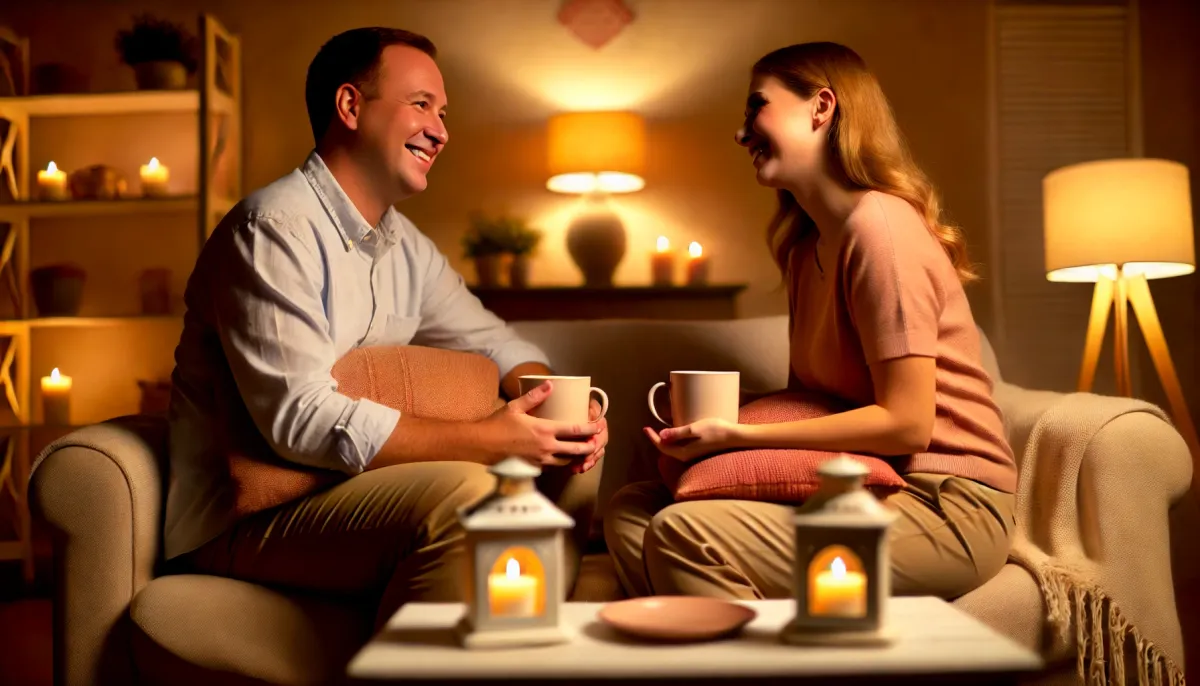
The Bedroom Is Becoming a Wellness Space
Erotic luxury is also changing interior design.
The bedroom has traditionally been treated as a place for sleep, storage and dressing.
Contemporary wellness design asks it to do more.
The modern bedroom may be designed as a restorative environment supporting:
- Sleep
- Emotional calm
- Physical intimacy
- Conversation
- Privacy
- Sensory comfort
- Personal rituals
This changes decisions about lighting, fabrics, acoustics and layout.
A harsh ceiling light may be practical, but it does little to create emotional warmth.
Layered lighting is more flexible.
Soft bedside lamps.
Indirect wall lighting.
Dimmable fixtures.
Warm pools of illumination.
Curtains that provide genuine privacy.
These features allow the space to shift between practical and intimate uses.
The room becomes responsive rather than static.
Sensual Design Is About the Senses
A sensual room is not necessarily filled with obvious symbols of romance.
Its effect comes from sensory coordination.
Touch
Textiles influence how a space feels against the body.
Soft linen, washed cotton, wool, velvet and smooth timber can create warmth without becoming theatrical.
The goal is not to cover everything in shiny satin.
It is to make surfaces feel inviting.
Light
Warm light tends to create a more relaxed atmosphere than bright, cool illumination.
Adjustability matters more than one supposedly perfect setting.
Sound
Heavy curtains, rugs and upholstered furniture can soften echoes and create a greater sense of privacy.
Music systems may be integrated without allowing visible technology to dominate the room.
Scent
Fragrance can shape memory and mood, but it should remain subtle.
Candles, incense, fresh flowers and carefully chosen room scents can create atmosphere without overwhelming the space.
Temperature
Comfort is essential.
A room that is too cold, too warm or poorly ventilated quickly breaks any sense of luxury.
Sensual design works because multiple small details support one another.
Privacy Is the New Status Symbol
Modern homes are filled with connected devices.
Phones listen for commands.
Televisions collect data.
Smart speakers occupy bedrooms.
Cameras monitor entrances and interiors.
Against this background, privacy itself is becoming luxurious.
An intimate space should feel protected from interruption and observation.
This may involve architectural choices such as:
- Better acoustic insulation
- Lockable doors
- Concealed storage
- Window treatments
- Separate dressing spaces
- Technology-free zones
It also includes digital decisions.
App-connected products may offer customisation, remote control or long-distance interaction, but they can introduce concerns about data collection and account security.
The most sophisticated approach to erotic technology is not connecting everything simply because connection is possible.
It is giving users meaningful control.
Discretion should exist in software as well as packaging.
Hidden Technology
Much of modern luxury design is moving away from visible screens and cables.
Technology remains present, but it becomes quieter.
Charging drawers hide devices.
Speakers disappear into walls.
Wireless controls reduce clutter.
Motorised shades support privacy without becoming visual features.
Lighting scenes can be adjusted without turning the room into a control centre.
This approach is sometimes described as invisible wellness.
The environment supports comfort without constantly announcing how technically advanced it is.
Erotic luxury benefits greatly from this philosophy.
Intimacy requires attention.
A room filled with blinking lights, notifications and obvious equipment competes for that attention.
Good technology should support the moment and then disappear.
Fashion Enters the Bedroom
Fashion’s interest in intimacy is another sign that the category has changed.
When a luxury fashion house places an intimate-wellness product beside a handbag, it does more than create an eye-catching campaign.
It declares that both objects belong to the same cultural conversation about form, identity, desire and personal style.
Fashion has always been connected to eroticism.
Clothing reveals and conceals.
It controls how the body is presented.
It allows people to experiment with identity, confidence and attraction.
The modern intimacy category extends that conversation beyond what is worn publicly.
Products become accessories for private identity.
The same person who carefully chooses jewellery, fragrance and clothing may now expect the objects used in intimate life to reflect similar standards of taste.
Museums Give Intimacy a Design History
The appearance of intimate-wellness products in museums and design exhibitions is culturally significant.
Museums decide which objects are worth examining as evidence of their time.
Placing a modern intimacy device beside furniture, fashion, domestic tools or historic personal objects reframes it.
It is no longer treated merely as merchandise.
It becomes part of the history of private life.
Such exhibitions raise deeper questions:
How have bedrooms changed?
When did privacy become a cultural expectation?
How have objects shaped relationships?
Why are some forms of pleasure considered acceptable while others remain hidden?
What does domestic design reveal about gender and power?
Erotic luxury is therefore not only a commercial trend.
It reflects changes in how society understands bodies, privacy and personal wellbeing.
Inclusivity as a Luxury Principle
Traditional intimate marketing was often narrowly gendered and overwhelmingly heterosexual.
Products were divided into simplistic categories for men and women. Advertising assumed particular relationships, bodies and desires.
Modern design is gradually becoming more inclusive.
Some brands use gender-neutral language.
Others focus on function and sensation rather than identity.
Couples are represented in more varied ways.
Products are photographed without attaching them to one required lifestyle.
This approach is not merely socially progressive branding.
It can improve design.
When a designer stops assuming that every user has the same body, hand strength, mobility or experience level, better questions emerge.
Is the control easy to reach?
Can it be operated with limited dexterity?
Are instructions understandable?
Does the product require unnecessary physical strength?
Can it be cleaned easily?
Inclusive design treats usability as part of dignity.
That is a far more meaningful form of luxury than decorative gold plating.
Why Minimalism Became So Dominant
Minimalism offered the intimacy industry an immediate way to escape its visual past.
Remove the explicit imagery.
Reduce the colours.
Simplify the shape.
Use clean typography.
Present the product against stone, silk or neutral backgrounds.
This formula worked because it communicated maturity and discretion.
However, minimalism can also become repetitive.
When every product is beige, pebble-shaped and photographed on travertine, individuality begins disappearing.
The next stage of erotic luxury may therefore move toward richer expression.
Pattern.
Ornament.
Deep colour.
Historical references.
Handcrafted materials.
Playful forms.
Luxury interiors are already moving away from universal neutral minimalism toward spaces with greater personality and emotional depth.
Intimacy design is likely to follow.
Discretion does not require visual emptiness.
The Return of Romanticism
After years of restrained minimalism, romantic design is returning in more sophisticated forms.
Not the clichéd bedroom filled with artificial rose petals and red satin.
Instead, contemporary romanticism may include:
- Deeply coloured walls
- Antique mirrors
- Richly textured headboards
- Draped fabrics
- Sculptural lighting
- Handmade ceramics
- Personal artwork
- Vintage furniture
- Layered bedding
- Objects carrying emotional history
This creates intimacy through atmosphere rather than decoration.
A room feels romantic because it appears personal, protected and emotionally expressive.
Erotic luxury becomes less like a hotel package and more like a private world.
Hospitality and the Designed Escape
Hotels have long understood the relationship between luxury and intimacy.
A hotel removes people from domestic responsibilities.
There are no dishes waiting in the kitchen.
No unfolded laundry.
No unfinished household project demanding attention.
Contemporary boutique hospitality builds on this psychological separation.
Rooms may use:
- Freestanding baths
- Adjustable mood lighting
- Concealed minibars
- Large beds
- Heavy curtains
- Privacy-focused layouts
- Sensory showers
- High-quality audio
- Carefully selected fragrance
The best spaces avoid becoming obviously themed.
They create permission to slow down.
This is one of the central ideas behind erotic luxury: desire is influenced by environment.
People may struggle to feel present when surrounded by clutter, stress, bright lighting and constant notifications.
Design cannot manufacture emotional connection, but it can remove obstacles.
Intimacy as Ritual
Luxury often transforms a practical activity into a ritual.
Tea becomes a ceremony.
Bathing becomes a spa treatment.
Sleep becomes a carefully engineered routine involving linen, fragrance and temperature.
Intimacy is now receiving similar attention.
The ritual may begin before physical contact:
Putting away phones.
Lowering the lights.
Taking a bath.
Applying body oil.
Choosing music.
Lighting a candle.
Changing into clothing that creates confidence.
Talking without distraction.
None of these actions is individually revolutionary.
Together, they signal a transition from ordinary time into intentional private time.
The value lies in attention.
Erotic luxury is ultimately less about objects than about what those objects encourage people to notice.
The Danger of Selling Empowerment
The trend is not free from criticism.
Luxury branding frequently attaches emotional promises to consumer products.
Buy this object and become confident.
Buy this oil and reconnect with your body.
Buy this expensive device and transform your relationship.
Design can reduce shame and improve experience.
It cannot solve every emotional, medical or relational difficulty.
There is also a danger that pleasure becomes presented as another premium lifestyle available mainly to wealthy consumers.
Intimacy should not require a marble bathroom, designer candle or expensive product.
People do not need luxury goods to experience closeness, desire or self-knowledge.
The most valuable contribution of the movement should be normalisation—not the suggestion that intimacy becomes respectable only after receiving luxury packaging.
When Luxury Becomes Exclusion
High prices can be justified by safer materials, stronger warranties, ethical manufacturing and better engineering.
They can also be created primarily through branding.
Consumers should be cautious when ordinary products are given dramatic price increases simply because they are photographed beautifully.
A genuinely premium product should be able to explain its value.
What materials are used?
Where was it manufactured?
How long is the warranty?
Can components be replaced?
How is the product cleaned?
What testing has been performed?
Is the packaging recyclable?
Does the technology protect user data?
Luxury without transparency is simply expense.
Sustainability Enters the Conversation
Erotic luxury also faces environmental questions.
Many products combine silicone, plastics, batteries, motors and electronic components. These materials can be difficult to recycle.
Premium design should consider the complete life of the object.
Durability matters.
A well-made product lasting years may be more responsible than a cheap product frequently replaced.
Rechargeable systems can reduce disposable battery use.
Minimal packaging can reduce waste.
Repairable components and take-back programmes could improve the category further.
The intimacy industry often speaks about caring for the body.
Its next challenge is demonstrating equal care for the environment.
Design Cannot Replace Communication
A beautiful bedroom can create comfort.
A carefully designed object can reduce awkwardness.
A thoughtful ritual can help people slow down.
None of these replaces communication.
Healthy intimacy depends on trust, consent, respect and the ability to discuss needs without pressure.
The most valuable design supports those conversations rather than pretending to eliminate them.
A product with clear instructions can encourage confidence.
Inclusive language can reduce assumptions.
Adjustable settings can support different preferences.
Thoughtful environments can make conversation feel safer.
Design should create possibilities, not expectations.
Luxury becomes meaningful when it gives people more control over their own experience.
The Future of Erotic Luxury
The category is likely to expand beyond individual products.
Future development may include:
- More accessible designs for people with disabilities
- Better privacy protections for connected technology
- Products developed with medical and therapeutic expertise
- Sustainable and repairable electronics
- Furniture integrating storage and charging
- Hotels offering intimacy-focused wellness experiences
- Greater collaboration with fashion and art
- More inclusive representations of age and body type
- Products addressing menopause, recovery and changing mobility
- Home environments supporting privacy and emotional wellbeing
The biggest transformation may be cultural rather than technological.
Intimacy may increasingly be discussed as part of lifelong wellbeing rather than as a subject relevant only to youth, romance or entertainment.
That would expand design far beyond conventional stereotypes.
Why the Trend Matters
Erotic luxury reveals how design can influence shame.
An object that looks crude or embarrassing communicates that the experience connected with it should also feel embarrassing.
An object designed with care communicates something different.
It says the user deserves comfort.
The experience deserves attention.
The subject can be discussed intelligently.
The product can be safe, attractive and thoughtfully made.
Design cannot remove centuries of cultural discomfort by itself.
But it can change the first emotional reaction.
That is where larger shifts often begin.
Final Thoughts
The rise of erotic luxury is not simply the arrival of expensive intimate products.
It represents a broader change in how private life is designed.
Sexual wellness is entering beauty stores.
Intimacy products are appearing in museums.
Fashion houses are placing them inside luxury campaigns.
Bedrooms are being reimagined as personalised wellness spaces.
Packaging is becoming elegant, discreet and inclusive.
Technology is becoming quieter.
Pleasure is being treated as a subject worthy of serious design.
The most successful version of this trend does not turn intimacy into another performance of wealth.
It uses design to remove shame, improve comfort and give people greater confidence within their private lives.
Luxury, in this context, is not a gold finish or an inflated price.
It is privacy.
Time.
Comfort.
Safety.
Attention.
And the freedom to experience intimacy without embarrassment.
That is why modern design is making intimacy chic.
It is not making private life more public.
It is finally treating private life as something worthy of beauty.
#EroticLuxury #ModernIntimacy #SexualWellness #LuxuryDesign #IntimateInteriors #WellnessDesign #BedroomDesign #SensualLiving #InclusiveDesign #ModernRomance #InteriorTrends #DesignCulture
Frequently Asked Questions
What is erotic luxury?
Erotic luxury is a design and lifestyle trend that presents intimacy through sophisticated products, premium materials, elegant environments and wellness-focused branding.
Is erotic luxury an official design category?
No. It is better understood as a descriptive term covering the intersection of intimacy, luxury, wellness, fashion and interior design.
Why are intimate-wellness products becoming more minimalist?
Minimalist forms and neutral colours help reduce stigma, avoid outdated stereotypes and allow products to fit naturally into modern homes and beauty routines.
Why are beauty retailers selling intimate products?
Many retailers increasingly categorise intimacy as part of wellness and body care rather than placing it in a completely separate adult category.
Are expensive intimate products automatically safer?
No. Price and packaging do not guarantee quality. Buyers should examine material transparency, care instructions, warranties, construction and manufacturer information.
How is interior design becoming more intimacy-focused?
Bedrooms increasingly use layered lighting, soft acoustics, tactile materials, concealed technology and stronger privacy to support comfort and emotional connection.
Does a sensual bedroom need red walls and satin sheets?
No. Sensuality usually comes from comfort, privacy, lighting, texture, scent and personal meaning rather than obvious romantic clichés.
Why does packaging matter so much?
Packaging shapes the emotional experience of purchasing, receiving, storing and using intimate products. Discreet and elegant packaging can reduce unnecessary embarrassment.
What is inclusive intimacy design?
It is design that avoids narrow assumptions about gender, sexuality, body shape, mobility and relationship type while making products easier and more dignified to use.
Are app-connected intimacy products private?
Privacy depends on the company, software and data practices involved. Users should review permissions, security policies and whether an account or internet connection is genuinely necessary.
Can luxury products improve a relationship?
Objects and environments may support comfort and communication, but they cannot replace trust, consent, honesty or emotional connection.
What will define the next stage of erotic luxury?
Accessibility, sustainability, privacy, repairability, medical collaboration and more expressive design are likely to become increasingly important.


