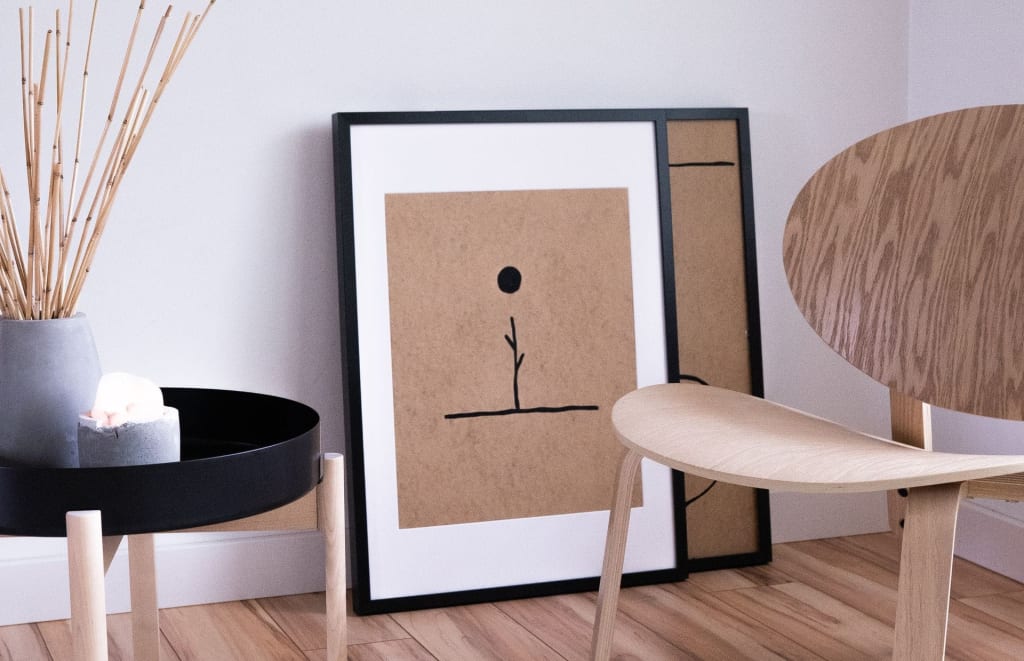
The Japandi Style Guide: Merging Japanese Minimalism With Scandinavian Comfort
Japandi interiors often look effortlessly calm.
Rooms are uncluttered without feeling empty. Furniture has clean, deliberate lines, yet the space remains soft enough for everyday living. Natural wood, stone, woven fibers, handmade ceramics, warm textiles, and quiet neutral colors create an atmosphere that feels both ordered and welcoming.
That balance is the heart of Japandi.
The name combines “Japan” and “Scandi,” referring to a contemporary fusion of Japanese and Scandinavian design sensibilities. From Japanese interiors, the style draws restraint, close relationships with nature, low visual profiles, craftsmanship, and an appreciation for materials that develop character with age.
From Scandinavian design, it takes functionality, approachable comfort, natural light, simple forms, and the idea that an attractive home should remain practical for ordinary life.
The result is not cold minimalism.
Nor is it merely a beige version of modern interior design.
A successful Japandi home feels purposeful. It contains fewer objects, but the objects present have clear functions, strong proportions, tactile materials, or personal meaning.
Architectural Digest describes Japandi as a fusion rooted in simplicity, functionality, natural materials, organic forms, craftsmanship, and connections with nature. Japan’s official tourism organization similarly presents the style as a meeting between Japanese wabi-sabi sensibilities and Scandinavian warmth, while emphasizing the traditions’ shared interest in quality and mindful living.
What Is Japandi Interior Design?
Japandi is a hybrid interior style that combines elements associated with Japanese and Scandinavian design.
Its most recognizable characteristics include:
- Clean, uncluttered layouts
- Natural wood and plant-based fibers
- Functional, well-made furniture
- Warm neutral colors
- Low-profile or visually grounded furniture
- Soft, comfortable textiles
- Simple organic shapes
- Handmade or visibly crafted objects
- Limited but meaningful decoration
- Strong connections between indoor and outdoor environments
- Appreciation for age, texture, variation, and imperfection
Although it is often marketed as a new trend, the relationship between Japanese and Danish design is much older than the term “Japandi.”
Design Museum Denmark has documented the long-standing relationship between Japanese and Danish craft traditions, including their shared reliance on wood, respect for material qualities, and interest in nature within furniture and architecture. Japanese art and objects also influenced Danish designers and museum collections well before the modern Japandi label appeared.
It is therefore more accurate to describe Japandi as a contemporary name for a design conversation with deeper historical roots.
Why Japanese and Scandinavian Design Work Together
Japan and Scandinavia are geographically distant, but several design values overlap.
Both traditions often prioritize:
- Function over unnecessary ornament
- Natural materials
- Strong craftsmanship
- Simplicity of form
- Respect for limited space
- Connection to seasonal and natural environments
- Objects designed for long-term use
- Calm, legible interiors
- Quality rather than quantity
Their differences also help create balance.
Japanese-inspired interiors may appear more restrained, asymmetrical, shadowed, textural, and grounded. Scandinavian interiors frequently introduce brighter woods, softer textiles, practical comfort, and greater visual warmth.
Japandi combines these qualities.
Japanese restraint prevents Scandinavian coziness from becoming cluttered.
Scandinavian comfort prevents Japanese-inspired minimalism from being interpreted as severe or unlivable.
Understanding Wabi-Sabi Without Reducing It to a Trend
Japandi articles frequently summarize wabi-sabi as “the beauty of imperfection.”
That is useful as an introduction but incomplete.
Wabi-sabi is a broad Japanese aesthetic sensibility connected with impermanence, modesty, natural processes, simplicity, age, incompleteness, and the quiet character objects acquire through use.
In interior design, this may appear through:
- Uneven ceramic glazing
- Visible wood grain
- Linen with natural creases
- Stone with irregular coloration
- Hand-applied plaster
- Vintage furniture with restrained wear
- Objects repaired rather than immediately discarded
- Forms that are slightly asymmetrical
Wabi-sabi does not mean intentionally damaging furniture or filling a house with badly made objects.
A poorly constructed table is not more meaningful merely because it is imperfect.
The principle is better expressed by allowing honest materials and genuine workmanship to show variation, rather than demanding flawless industrial uniformity.
Current design discussions continue to associate wabi-sabi with simplicity, irregularity, natural aging, and materials whose appearance becomes richer over time.
Understanding Hygge Beyond Blankets and Candles
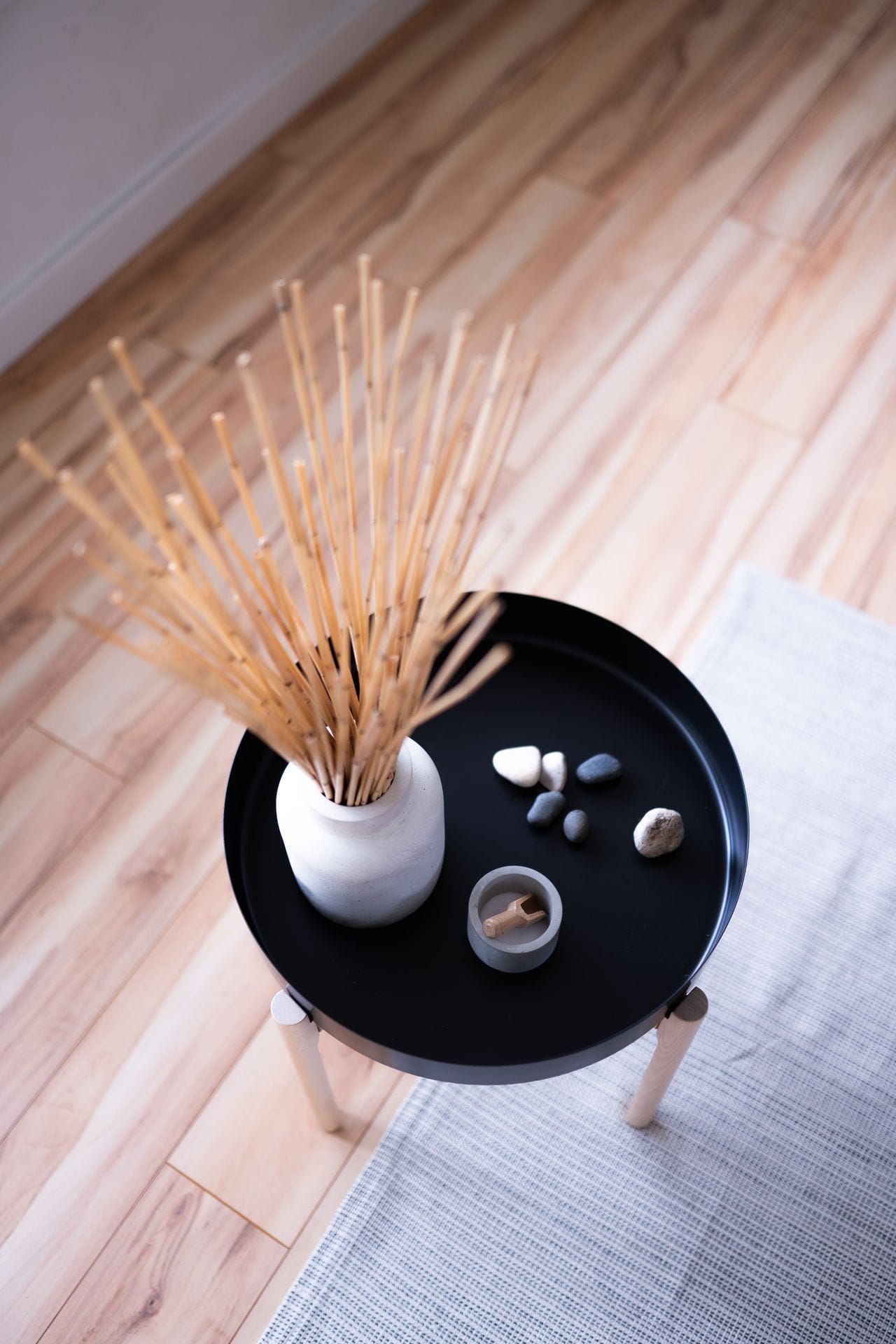
Japandi is also frequently connected with the Danish concept of hygge.
Hygge is often translated as coziness, but it also relates to comfort, ease, intimacy, contentment, and an atmosphere that encourages people to feel present and relaxed.
In interiors, hygge may be supported by:
- Comfortable seating
- Warm lighting
- Soft textiles
- Spaces designed for conversation
- A pleasant dining area
- Familiar objects
- Natural materials
- Protection from cold or harsh weather
- Small rituals such as reading, tea, shared meals, or quiet evenings
A room cannot become genuinely comfortable through decoration alone.
It also needs suitable temperature, supportive furniture, usable light, practical storage, and a layout that makes daily activities easy.
Japandi therefore works best when minimalism serves comfort rather than competing with it.
Japandi Is Not Simply Beige Minimalism
Many commercial versions of Japandi reduce the style to beige walls, pale wood, a cream sofa, and a branch in a ceramic vase.
Those elements can be part of the look, but they do not define it.
Authentic-looking Japandi interiors can include:
- Warm white
- Sand
- Taupe
- Mushroom
- Clay
- Terracotta
- Olive
- Moss green
- Charcoal
- Ink black
- Deep brown
- Muted blue
- Rust
- Soft gray
Japanese-inspired elements often introduce darker timber and stronger contrast than conventional Scandinavian interiors. Architectural Digest notes that Japandi commonly uses darker shades alongside the lighter woods and neutral palettes associated with Scandinavian design.
The goal is not to remove color.
It is to use color deliberately.
Start With Function, Not Decoration
Before selecting furniture or paint, define what the room must support.
A Japandi living room might need to accommodate:
- Conversation
- Reading
- Television
- Children
- Guests
- Remote work
- Storage
- Quiet relaxation
A bedroom may need:
- Comfortable sleep
- Clothing storage
- Reading light
- Space for dressing
- Reduced visual stimulation
- Access to charging points
A kitchen may require:
- Easy food preparation
- Durable surfaces
- Hidden small appliances
- Open storage for frequently used objects
- Good ventilation
- Dining space
Japandi interiors succeed because the layout appears intentional.
Every major object should answer a practical question.
Before buying anything, ask:
- What activity does this support?
- Where will it be used?
- Is it comfortable?
- Can it be maintained?
- Does it improve storage?
- Will it still be useful in five years?
- Is there already something in the home that serves the same purpose?
Minimalism begins with decisions, not disposal.
The Japandi Color Palette
A balanced Japandi palette usually combines a quiet background with natural material variation and a small number of darker accents.
Warm White and Cream
Warm whites create brightness without feeling clinical.
Look for undertones such as:
- Cream
- Ivory
- Oat
- Bone
- Parchment
- Soft limestone
Cool, blue-white paint can make natural wood and beige textiles appear dull. Warmer whites generally relate more naturally to oak, ash, linen, clay, and woven materials.
Beige, Taupe, and Mushroom
These shades form a calm middle ground between white and brown.
They are effective for:
- Walls
- Upholstery
- Rugs
- Curtains
- Bedding
- Plaster finishes
Use several textures to stop a neutral palette from feeling flat.
Earth and Clay Tones
Terracotta, muted rust, brown-red, and clay introduce warmth without creating visual noise.
Use them through:
- Ceramics
- Cushions
- Artwork
- Throws
- Small furniture
- Feature walls
Green
Muted greens reinforce the relationship with nature.
Suitable shades include:
- Sage
- Olive
- Moss
- Lichen
- Eucalyptus
- Deep forest green
Green can appear through plants, textiles, artwork, or painted cabinetry.
Charcoal and Black
Dark accents bring structure.
Use them in limited amounts through:
- Lighting
- Window frames
- Chair legs
- Ceramics
- Artwork
- Hardware
- One dark wooden piece
Without contrast, a pale Japandi room may feel washed out.
Build the Palette Around Materials
Instead of selecting several arbitrary paint colors, begin with the materials already present.
For example:
- Pale oak
- Warm white plaster
- Blackened steel
- Cream wool
- Brown ceramic
- Olive linen
These materials naturally create a coordinated palette.
The colors do not need to match perfectly. Slight variation makes the room feel more layered and authentic.
Use Natural Materials Honestly
Natural materials are central to Japandi because they provide texture, variation, and connection with the environment.
Common choices include:
- Oak
- Ash
- Beech
- Walnut
- Cedar
- Bamboo
- Rattan
- Cane
- Linen
- Wool
- Cotton
- Hemp
- Jute
- Stone
- Clay
- Paper
- Plaster
- Concrete
Architectural projects identified as Japandi frequently combine wood with plaster, concrete, limestone, woven fibers, greenery, and handmade furnishings rather than relying on smooth synthetic finishes alone.
Natural does not automatically mean sustainable.
A material’s environmental impact depends on factors such as:
- Source
- Manufacturing
- Transport
- Durability
- Repairability
- Chemical treatment
- End-of-life disposal
The most sustainable option may be the solid table already owned, a locally made piece, or a secondhand cabinet rather than a newly imported product marketed as natural.
Mix Light and Dark Wood Carefully
Scandinavian interiors often feature pale woods such as oak, ash, and beech.
Japanese interiors may use a wider tonal range, including deep brown or blackened timber.
Japandi can combine them successfully.
A practical method is to choose:
- One dominant wood tone
- One supporting tone
- One dark accent
For example:
- Dominant: pale oak floor
- Supporting: medium walnut table
- Accent: black-stained chair frame
Avoid trying to match every wood exactly.
Natural interiors often look more convincing when wood tones relate without being identical.
Repeat each tone at least twice so that it appears intentional.
Choose Furniture With Clear, Quiet Lines
Japandi furniture usually avoids excessive ornament.
Common characteristics include:
- Simple silhouettes
- Visible joinery
- Rounded or softened corners
- Low visual profiles
- Slender legs
- Solid construction
- Tactile upholstery
- Natural finishes
- Balanced proportions
The furniture should appear visually calm but not fragile.
Suitable pieces may include:
- Low wooden coffee tables
- Simple oak dining tables
- Upholstered lounge chairs
- Platform beds
- Wooden benches
- Cane-front cabinets
- Compact sideboards
- Rounded stools
- Modular shelving
- Linen-covered sofas
Low-slung furniture is often associated with Japanese-inspired interiors and can make a room feel grounded. Contemporary Japandi projects also use low-profile pieces to emphasize closeness to the floor and create visual openness.
However, very low furniture is not comfortable or accessible for everyone.
People with knee, hip, back, balance, or mobility difficulties may require higher seating and firmer support.
Japandi principles can be preserved through clean lines and natural materials without copying an unsuitable seat height.
Comfort Must Remain Visible
A minimalist sofa can look attractive while being uncomfortable.
Scandinavian influence helps keep Japandi livable through:
- Deep enough seating
- Supportive cushions
- Wool rugs
- Soft throws
- Upholstered chairs
- Comfortable dining seats
- Warm lighting
- Practical room temperature
The room should invite people to sit.
If every object appears too precious to touch, the design has lost its sense of comfort.
Leave Meaningful Empty Space
Empty space is a design element.
It allows the eye to rest and makes furniture, light, and texture easier to appreciate.
This does not mean pushing all furniture against walls or leaving large areas unusable.
Meaningful negative space might include:
- A clear path between rooms
- An undecorated section of wall
- An open area around a sculptural chair
- A mostly clear coffee table
- Space between objects on a shelf
- An uncluttered bedside surface
The objective is visual rhythm.
A room needs both objects and pauses.
Use Storage to Protect Visual Calm
Japandi homes are not necessarily homes without possessions.
They are homes where possessions have defined places.
Combine closed and open storage.
Closed Storage
Best for:
- Cables
- Documents
- Toys
- Cleaning products
- Spare bedding
- Packaging
- Small appliances
- Visual clutter
Open Storage
Best for:
- Frequently used books
- Ceramics
- Plants
- Attractive kitchenware
- A few personal objects
- Everyday tools that benefit from easy access
Open shelving should not be used merely to expose everything previously hidden in cabinets.
Display objects selectively and leave room around them.
The One-In, One-Out Rule
When storage is limited, consider removing or reassigning one object when a similar new object enters the home.
This works especially well for:
- Chairs
- Lamps
- Decorative vessels
- Cushions
- Kitchen gadgets
- Small tables
The rule should not become rigid or wasteful.
Its purpose is to make purchasing deliberate.
Layer Texture Instead of Clutter
Because Japandi uses restrained color, texture carries much of the visual interest.
Combine surfaces such as:
- Smooth wood
- Rough plaster
- Soft wool
- Wrinkled linen
- Woven cane
- Matte ceramic
- Brushed metal
- Natural stone
- Handmade paper
- Ribbed glass
A cream room can still feel complex when the surfaces respond differently to light.
For example:
- Linen curtains
- Bouclé chair
- Oak table
- Wool rug
- Unglazed ceramic vase
- Plaster wall
The palette remains quiet, but the room does not feel empty.
Choose Imperfect Objects Selectively
A handmade bowl with an irregular rim can look beautiful.
Ten deliberately distressed objects may look like a themed retail display.
Use imperfect pieces where their variation can be appreciated.
Suitable options include:
- Hand-thrown ceramics
- Naturally edged wooden boards
- Vintage stools
- Woven baskets
- Handwoven textiles
- Patinated metal
- Stone with visible veining
- Repaired personal objects
The most meaningful patina usually develops through time and use.
Lighting Is Central to Japandi
Japandi lighting should make the room calm while remaining practical.
Use several layers.
Natural Light
Allow daylight to enter without making windows feel exposed.
Suitable treatments include:
- Linen curtains
- Sheer fabric
- Woven blinds
- Paper-inspired shades
- Simple timber shutters
Japanese design traditions often treat light and shadow as changing elements rather than attempting to make every surface equally bright. Contemporary discussion of Japanese spatial lighting also emphasizes filtered light, framed views, natural materials, and transitions between brightness and shade.
Ambient Light
This provides general illumination.
Examples include:
- Paper pendants
- Woven shades
- Frosted-glass fixtures
- Indirect ceiling light
- Wall sconces
- Simple timber fixtures
Task Light
This supports reading, cooking, and work.
Examples include:
- Adjustable floor lamps
- Desk lamps
- Bedside lights
- Under-cabinet kitchen lighting
- Focused reading sconces
Accent Light
Use small pools of light to emphasize:
- Artwork
- Shelves
- Plants
- Textured walls
- Architectural details
Avoid relying on one harsh ceiling fixture.
A quiet room still needs enough light for the activities performed inside it.
Bring Nature Inside With Restraint
Plants can soften lines and reinforce a connection with nature.
Japandi rooms usually benefit from a few well-positioned plants rather than a dense indoor jungle.
Suitable choices may include:
- Ficus
- Olive tree
- Rubber plant
- Fern
- Bonsai
- Bamboo palm
- Pothos
- Snake plant
- Simple branches in water
- Seasonal cut foliage
Select plants according to the room’s actual light and humidity.
A dying plant does not create calm.
Natural references can also appear through:
- Views of trees
- Stone
- Timber
- Landscape art
- Dried grasses
- Branches
- Woven fibers
- Earth pigments
The indoor-outdoor connection is a recurring feature of contemporary Japandi interiors, often expressed through large windows, greenery, natural landscaping, and materials that visually continue between interior and exterior spaces.
Select Decoration With Intention
Japandi is not decoration-free.
It simply uses fewer decorative objects.
Suitable pieces include:
- Handmade ceramics
- A sculptural lamp
- One large artwork
- Woven baskets
- Wooden bowls
- A simple wall hanging
- Stone objects
- Books
- Personal photographs
- A carefully chosen vintage item
- Ikebana-inspired plant arrangements
Each object should have space around it.
A shelf may contain:
- Three books
- One bowl
- One small branch
It does not need to contain fifteen unrelated accessories.
Avoid Turning Japanese Culture Into Surface Decoration
Japandi should not be interpreted as permission to place random Japanese words, imitation calligraphy, miniature pagodas, or unrelated Zen symbols throughout a Scandinavian room.
A respectful approach focuses on design principles:
- Craftsmanship
- Material honesty
- Restraint
- Nature
- Proportion
- Light
- Adaptability
- Appreciation for age and use
Traditional items such as shoji screens, tatami, or Japanese ceramics can be appropriate when their function, construction, and cultural context are understood.
They should not be treated merely as props.
Japandi Living Room
A Japandi living room should support relaxation and social connection.
Start with:
- A comfortable sofa in a neutral fabric
- A natural-fiber or wool rug
- A low or visually simple coffee table
- One supportive chair
- Closed storage
- Warm layered lighting
- A few plants or natural branches
Keep the center of the room open enough for movement.
Use contrast through one darker object, such as:
- A walnut cabinet
- A charcoal chair
- A black lamp
- A dark ceramic vessel
Do not cover the sofa with so many cushions that it becomes difficult to use.
Comfort should be simple, not overstyled.
Japandi Bedroom
The bedroom benefits naturally from Japandi restraint.
Use:
- A platform or visually simple bed
- Plain bedding in linen or cotton
- Warm bedside lighting
- Closed clothing storage
- Minimal electronics
- A soft rug
- One or two pieces of art
- Muted natural colors
The bed does not need to be extremely low.
A standard-height bed can still feel Japandi when the frame is visually simple and constructed from natural material.
Keep bedside surfaces mostly clear.
One lamp, one book, and one useful personal item may be enough.
Japandi Kitchen
Japandi kitchens combine simplicity with durable functionality.
Consider:
- Flat-front cabinetry
- Wood veneer or painted wood
- Stone or restrained composite worktops
- Integrated appliances
- Open shelving used sparingly
- Simple hardware
- Warm under-cabinet lighting
- Ceramic and wooden kitchenware
- Uncluttered preparation surfaces
A kitchen cannot remain realistic if every appliance must be hidden after every use.
Keep genuinely useful objects accessible while preventing rarely used equipment from dominating the counters.
Use natural wood carefully around water and heat, with finishes suitable for the environment.
Japandi Dining Room
The dining area should encourage relaxed meals.
A useful arrangement includes:
- A well-proportioned wooden table
- Comfortable chairs
- A pendant positioned above the table
- One ceramic bowl or vase
- Soft lighting
- A rug only when it can be cleaned easily
Mixing chair styles can work when the pieces share:
- Material
- Color
- Proportion
- Seat height
An imperfectly matched set may feel more personal than a complete showroom collection.
Japandi Bathroom
Bathrooms can use Japandi principles through:
- Stone-like surfaces
- Warm wood tones
- Simple storage
- Neutral towels
- Matte hardware
- Diffused light
- One plant suited to humidity
- Limited products on display
Do not use untreated timber where constant moisture will damage it.
The visual idea of natural material must be supported by appropriate construction and ventilation.
Japandi Home Office
A Japandi office should reduce visual distraction without sacrificing ergonomics.
Use:
- A solid desk
- A genuinely supportive chair
- Concealed cable management
- Task lighting
- Closed document storage
- One open shelf for useful books
- A neutral background
- A small amount of greenery
An ergonomic chair does not need to be replaced merely because it appears too modern.
Choose a restrained color or place it within a warmer setting.
Health and working comfort are more important than maintaining a perfect photograph.
Japandi in a Small Apartment
Japandi is well suited to small spaces because it values multifunctionality and visual order.
Use:
- Furniture with built-in storage
- Wall-mounted shelving
- Nesting tables
- Benches with hidden compartments
- Light-filtering curtains
- Consistent flooring
- A limited material palette
- Furniture with visible floor space beneath it
- One strong artwork rather than many small pieces
Do not automatically fill a small apartment with tiny furniture.
A few correctly scaled pieces can make the room feel calmer than many miniature items.
Keep major pathways clear.
Japandi for Renters
Renters can create the style without permanent renovation.
Focus on portable elements:
- Linen curtains
- Natural rugs
- Freestanding wood shelving
- Warm lamps
- Neutral slipcovers
- Handmade ceramics
- Removable wallpaper
- Woven baskets
- Low visual clutter
- Plants
- Simple framed artwork
Use removable adhesive products cautiously and test them in an inconspicuous location.
A calm layout and good lighting can create more impact than temporary architectural imitation.
Creating Japandi on a Budget
Japandi does not require designer furniture.
The philosophy actually supports slower, more selective purchasing.
Begin with what you already own.
You may be able to:
- Remove unnecessary objects
- Rearrange the furniture
- Replace cold light bulbs
- Refinish a solid wooden table
- Add linen curtains
- Re-cover cushions
- Purchase secondhand ceramics
- Introduce a natural-fiber rug
- Paint one wall
- Improve storage
Look for secondhand:
- Solid wood tables
- Benches
- Stools
- Cabinets
- Ceramic vessels
- Woven baskets
- Simple lamps
- Linen or wool textiles
One well-made vintage table may contribute more to the room than several inexpensive accessories labeled “Japandi.”
Where to Spend and Where to Save
Spend More On
- Frequently used seating
- Mattress and bed
- Durable dining table
- Good lighting
- Quality curtains
- Long-lasting storage
- Professional construction work
Save On
- Small ceramic accessories
- Baskets
- Simple artwork
- Branches and seasonal foliage
- Cushion covers
- Secondhand side tables
- Decorative bowls
The expensive element should usually be something touched or used regularly.
Common Japandi Design Mistakes
Making Everything the Same Shade of Beige
Without contrast, texture, and wood variation, the room may feel unfinished.
Add charcoal, dark brown, muted green, clay, or black.
Removing Too Much
A completely empty room is not automatically peaceful.
Keep useful, meaningful, and beautiful objects.
Buying Too Many Trend Pieces
A coordinated set of mass-produced “Japandi” furniture can make the room feel temporary.
Mix new pieces with existing, vintage, local, and handmade objects.
Choosing Appearance Over Comfort
An elegant low chair is not useful when nobody can sit comfortably in it.
Test furniture where possible.
Hiding Every Sign of Life
A home does not need to resemble an unused showroom.
A book, blanket, tea tray, child’s object, or work in progress can exist without destroying the aesthetic.
Using Natural Materials Impractically
Untreated wood, delicate paper shades, and porous stone may not suit every wet, hot, or high-traffic area.
Adapt the material to the room.
Filling the Room With Cultural Symbols
Japandi is strongest when it adopts compatible design values rather than superficial cultural imagery.
Forgetting Lighting
A neutral room under harsh blue-white light will rarely feel warm.
Layer ambient and task lighting.
Treating Minimalism as Constant Self-Denial
The purpose is to support a more usable home, not to create anxiety around owning ordinary possessions.
A Seven-Step Japandi Transformation Plan
Step 1: Remove Visual Noise
Clear surfaces and identify objects that need storage, repair, relocation, donation, or disposal.
Step 2: Define the Room’s Main Activity
Decide what the room must do exceptionally well.
Step 3: Select a Material Palette
Choose three to five main materials, such as oak, linen, wool, ceramic, and black metal.
Step 4: Establish the Color Palette
Use warm neutrals, natural wood, and a controlled darker accent.
Step 5: Improve the Lighting
Replace harsh bulbs, add task lighting, and use curtains that filter rather than eliminate daylight.
Step 6: Add Texture and Nature
Introduce a rug, textiles, ceramics, plants, stone, or handcrafted objects.
Step 7: Edit Again
Remove anything that feels unnecessary, overly themed, uncomfortable, or visually competitive.
Live with the room before buying more.
Is Japandi Still Popular?
Japandi remains visible in current design coverage rather than disappearing as a brief social-media trend.
Architectural Digest continued to include Japandi among significant interior styles in 2025, while Japan’s national tourism organization published a dedicated 2025 feature highlighting the aesthetic’s combination of Japanese minimalism and Scandinavian warmth.
Its endurance may come from the fact that its main elements are not dependent on a highly specific fashion:
- Functional furniture
- Natural materials
- Calm layouts
- Craftsmanship
- Comfortable textiles
- Thoughtful consumption
- Connection to nature
These ideas can evolve even when particular furniture shapes or color trends change.
Frequently Asked Questions
What does Japandi mean?
Japandi is a modern term combining “Japan” and “Scandi.” It describes interiors influenced by Japanese restraint, natural materials, and craftsmanship together with Scandinavian functionality, light, and comfort.
Is Japandi a Japanese design style?
Not exactly. It is a contemporary international fusion inspired by selected Japanese and Scandinavian design principles. It should not be treated as a complete representation of either culture.
When did Japandi begin?
The modern label is relatively recent, but Japanese and Danish design have influenced one another since at least the nineteenth century. Design Museum Denmark documents long-standing connections involving craft, wood, architecture, nature, and Japanese art.
What colors are used in Japandi interiors?
Common colors include warm white, cream, beige, taupe, mushroom, gray, clay, muted green, brown, charcoal, and black.
Can Japandi include dark colors?
Yes. Dark wood, charcoal, ink black, deep brown, green, and muted blue can provide contrast and reflect the Japanese side of the fusion.
What materials suit Japandi?
Wood, stone, linen, cotton, wool, hemp, jute, cane, bamboo, clay, paper, plaster, and matte metal are commonly used.
Is Japandi the same as Scandinavian design?
No. Scandinavian design often uses lighter woods, brighter palettes, and pronounced coziness. Japandi adds stronger Japanese influence through restraint, low profiles, asymmetry, deeper tones, and appreciation for weathered or handmade materials.
Is Japandi the same as wabi-sabi?
No. Wabi-sabi is a much broader Japanese aesthetic and philosophical concept. Japandi borrows simplified elements associated with it, such as natural aging, irregularity, modesty, and material honesty.
Does Japandi require low furniture?
No. Low furniture can create a grounded look, but accessibility and comfort are more important. Standard-height furniture can still fit the style.
Can Japandi be colorful?
Yes, although the colors are usually subdued or nature-inspired. Muted green, rust, ochre, brown-red, blue, and charcoal can all work.
How do I stop Japandi from looking boring?
Layer different textures, mix light and dark wood, add sculptural forms, use handmade objects, introduce plants, and include one or two darker accents.
Is Japandi suitable for families?
Yes. Its focus on functionality and storage can suit family homes. Choose washable fabrics, rounded furniture, durable finishes, and realistic storage rather than delicate showroom styling.
Can Japandi work in a small apartment?
Yes. Its uncluttered layouts, multifunctional furniture, and visual consistency are especially useful in small homes.
Can renters create Japandi interiors?
Yes. Lighting, rugs, curtains, freestanding furniture, ceramics, plants, baskets, and removable wall treatments can create the atmosphere without structural changes.
Does Japandi have to be expensive?
No. Decluttering, rearranging, refinishing, buying secondhand, and choosing a few durable objects can be more effective than purchasing an entire new furniture collection.
Is IKEA furniture suitable for Japandi?
Some simple Scandinavian furniture can provide a useful foundation, particularly pieces made with restrained shapes and natural-looking finishes. Mixing them with handmade, vintage, darker, or textural objects prevents the room from feeling overly uniform.
What kind of art works in a Japandi room?
Simple abstract art, landscapes, textile pieces, ink work, natural photography, handmade paper, ceramics, and personal artwork can all work. Choose fewer pieces with enough visual space around them.
What plants are best for Japandi decor?
The best plant is one suited to the home’s actual light and climate. Ficus, olive trees, rubber plants, ferns, pothos, bonsai, snake plants, and simple branches are common choices.
How do I make a Japandi room feel cozy?
Add warm lighting, wool or natural-fiber rugs, linen curtains, comfortable upholstery, tactile throws, wood, and objects connected with daily rituals.
Is Japandi sustainable?
It can support more sustainable habits when it encourages durable materials, repair, secondhand purchasing, local craftsmanship, and fewer considered possessions. Buying large amounts of trend-driven decor is not sustainable simply because it has a natural appearance.
Final Thoughts
Japandi works because it solves a tension found in many modern homes.
People want less clutter, but they do not want emptiness.
They want clean lines, but they still need softness.
They want beautiful spaces, but those spaces must survive ordinary life.
They want simplicity, but not sterility.
Japanese-inspired restraint brings clarity, material awareness, asymmetry, and a close relationship with nature.
Scandinavian design adds approachable functionality, light, warmth, and physical comfort.
Together, they create interiors that feel calm without becoming cold and minimal without becoming joyless.
The most convincing Japandi room is not the one with the most recognizable trend pieces.
It is the one where every major object has earned its place.
The chair is comfortable.
The lighting supports reading.
The table is strong enough to age well.
Storage protects the room from daily disorder.
Materials feel pleasant to touch.
A handmade object carries visible evidence of the person who made it.
A few signs of time and use are accepted rather than immediately hidden.
Creating that environment does not require rebuilding an entire home.
Start by removing one source of visual noise.
Improve one light.
Keep one meaningful object instead of five generic decorations.
Choose one durable piece of furniture.
Bring in one natural texture.
Leave part of the room open.
Japandi is not ultimately about making a home look Japanese or Scandinavian.
It is about creating a quieter relationship between people, objects, and space—a home that gives enough structure to feel peaceful and enough warmth to feel genuinely lived in.