Conscious Parenting: Moving Away from Traditional Discipline Strategies
Parenting is changing. More families are questioning old discipline methods that relied heavily on punishment, fear, obedience, shame, yelling, spanking, isolation, and control. Instead, many parents are looking for approaches that help children build emotional regulation, responsibility, empathy, cooperation, and confidence.
This shift has led to growing interest in conscious parenting.
Conscious parenting is not about letting children do whatever they want. It is not about avoiding rules. It is not about being permissive, weak, or afraid to say no. At its best, conscious parenting is a thoughtful approach that combines connection with boundaries, empathy with accountability, and emotional awareness with consistent guidance.
Traditional discipline often asks, “How do I stop this behaviour right now?”
Conscious parenting asks a deeper question: “What is this behaviour communicating, and how can I guide my child while protecting our relationship?”
That difference matters.
Children need limits. They need structure. They need adults who can teach them how to behave safely and respectfully. But they also need adults who understand that behaviour is often the surface layer of a deeper need, skill gap, emotion, or developmental stage.
Moving away from traditional discipline does not mean abandoning discipline. It means redefining discipline as teaching rather than punishing.
What Is Conscious Parenting?
Conscious parenting is a parenting approach based on awareness, connection, emotional regulation, and respectful guidance. It encourages parents to look not only at a child’s behaviour, but also at their own reactions, expectations, triggers, and patterns.
The word “conscious” is important.
It means parenting with intention rather than automatic reaction.
A conscious parent tries to notice:
- What is my child really feeling?
- What skill does my child still need to learn?
- Am I reacting from fear, anger, embarrassment, or control?
- Is my expectation realistic for my child’s age?
- Am I teaching or simply punishing?
- What boundary is needed here?
- How can I stay calm while still being firm?
- What does my child need from me in this moment?
Conscious parenting does not mean parents are always calm, perfect, or gentle. No parent is. It means parents are willing to pause, reflect, repair, and grow.
Traditional Discipline: What Many Parents Are Moving Away From
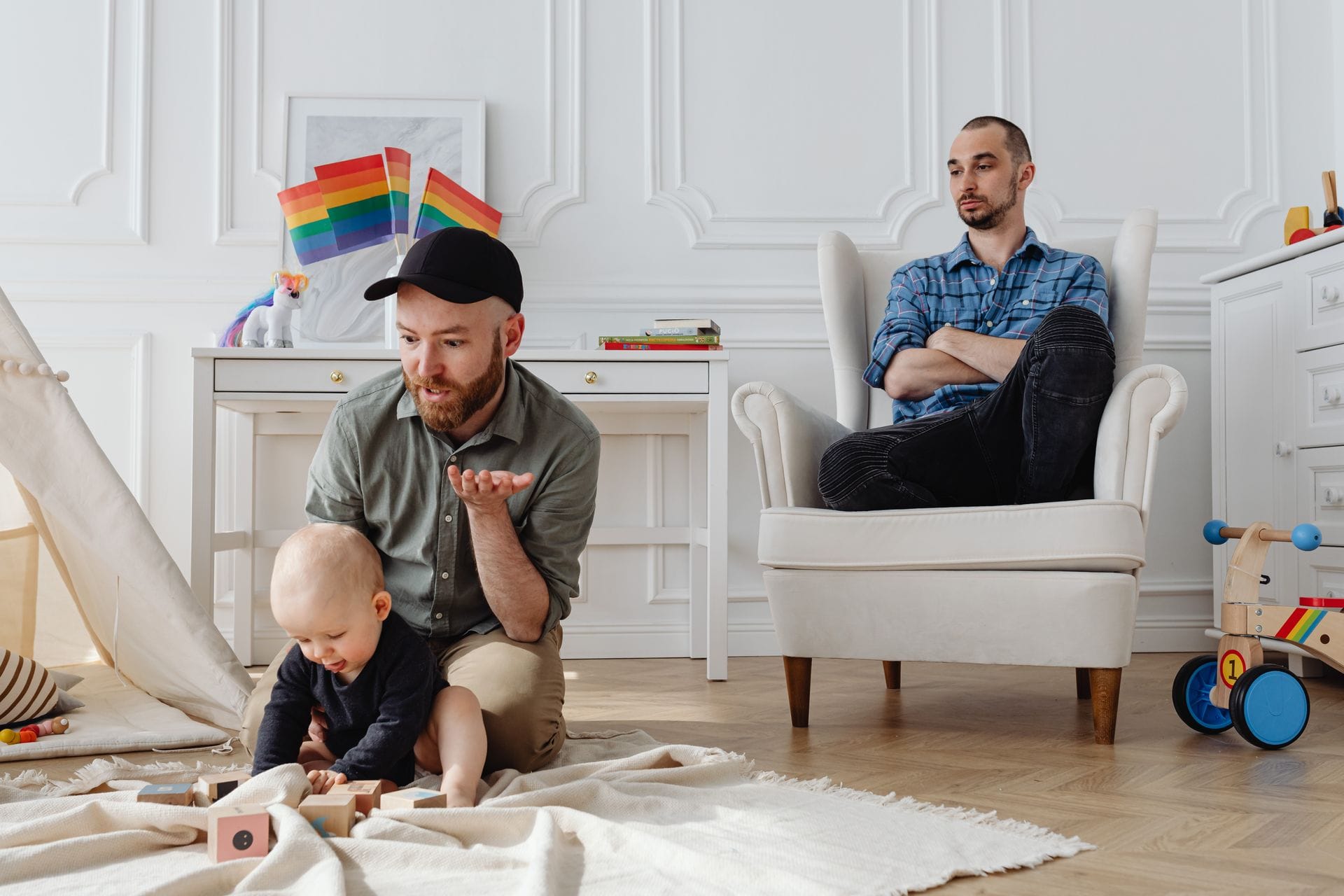
Traditional discipline strategies vary across families and cultures, but they often focus on adult control and child compliance.
Common traditional strategies include:
- Spanking or physical punishment
- Yelling
- Threats
- Shaming
- Forced apologies
- Harsh time-outs
- Taking away affection
- Humiliation
- Fear-based obedience
- Punishment without explanation
- “Because I said so” parenting
- Comparing children to others
- Labeling children as bad, lazy, naughty, or difficult
Many of these strategies can stop behaviour temporarily. A child may obey because they are afraid of consequences. But short-term obedience is not the same as long-term learning.
A child who is yelled at may stop crying, but that does not mean they learned emotional regulation. A child who is hit may stop the behaviour in the moment, but they may also learn that power and pain are acceptable ways to solve problems. A child who is shamed may comply, but they may internalize the belief that they are bad rather than understanding what they should do differently.
Major child-health organizations increasingly recommend positive, nonviolent discipline approaches. The American Academy of Pediatrics advises against spanking, hitting, slapping, threatening, insulting, humiliating, or shaming children, and recommends positive discipline instead. UNICEF also emphasizes respectful, kind, and consistent guidance over harsh discipline, noting that yelling or hitting may stop behaviour briefly but can harm trust and emotional well-being.
Discipline Means Teaching, Not Punishment
The word discipline comes from the idea of teaching and learning. Yet in many homes, discipline has become almost synonymous with punishment.
Conscious parenting returns discipline to its original purpose.
Discipline should help a child learn:
- What happened?
- Why was it unsafe, unkind, or inappropriate?
- What should I do instead?
- How can I repair the harm?
- How can I handle this feeling next time?
- What boundary must I respect?
- What skill do I need to practice?
Punishment often focuses on making a child suffer for what they did.
Teaching focuses on helping the child understand, practice, and grow.
This does not mean there are no consequences. Consequences are part of life. But conscious parenting favours consequences that are connected, respectful, and instructive rather than random, humiliating, or fear-based.
Conscious Parenting Is Not Permissive Parenting
One common misunderstanding is that conscious parenting means children get no rules.
That is false.
Permissive parenting avoids boundaries. Conscious parenting uses boundaries carefully and consistently.
A permissive parent may say:
“Do whatever you want.”
A conscious parent may say:
“I understand you are angry, but I will not let you hit your sister.”
A permissive parent may ignore harmful behaviour.
A conscious parent responds with calm firmness.
A permissive parent may avoid conflict to keep the child happy.
A conscious parent accepts that children will sometimes be upset when limits are set.
The difference is that conscious parenting sets limits without attacking the child’s dignity.
Children need boundaries to feel safe. They need adults who are strong enough to say no, patient enough to explain, and calm enough to guide.
Why Children Misbehave
A key idea in conscious parenting is that behaviour is communication.
This does not mean all behaviour is acceptable. It means behaviour often tells us something about what the child is experiencing or lacking.
Children may misbehave because they are:
- Tired
- Hungry
- Overstimulated
- Frustrated
- Scared
- Seeking attention
- Testing limits
- Lacking language skills
- Struggling with impulse control
- Feeling disconnected
- Copying behaviour they have seen
- Trying to gain control
- Unable to manage big emotions
- Developmentally immature
- Needing movement or sensory input
A toddler who throws a toy is not necessarily being “bad.” They may be overwhelmed and unable to express frustration. A child who refuses homework may be anxious, tired, confused, or seeking control. A teenager who talks back may be struggling for independence, respect, or emotional space.
The behaviour still needs guidance. But understanding the cause helps the parent respond more effectively.
The Problem With Fear-Based Obedience
Fear can create fast compliance.
That is why traditional discipline often seems effective in the short term. If a child fears being hit, yelled at, embarrassed, or rejected, they may stop the behaviour quickly.
But fear-based obedience has limits.
It may teach children to avoid getting caught rather than to make wise choices. It may damage trust. It may increase secrecy. It may create resentment. It may teach children that power decides what is right. It may also make children more anxious, aggressive, or emotionally withdrawn.
Conscious parenting aims for cooperation instead of fear.
Cooperation grows when children feel safe, respected, understood, and guided. They are more likely to listen when the relationship feels secure.
This does not mean children will always agree. They will not. But over time, a child who trusts their parent is more likely to internalize values rather than simply obey external pressure.
Emotional Regulation Starts With the Parent
One of the hardest truths of conscious parenting is this: parents must regulate themselves before they can teach children regulation.
Children learn emotional regulation through repeated experiences with adults who help them calm down, name emotions, solve problems, and recover.
If a parent screams every time a child screams, the child learns that big emotions create bigger explosions. If a parent stays firm but calm, the child gradually learns that emotions can be handled without losing control.
This does not mean parents should never feel angry. Anger is normal. Frustration is normal. Exhaustion is normal.
The goal is not emotional perfection. The goal is emotional responsibility.
A conscious parent may say:
“I am feeling very frustrated, so I am going to take a breath before I respond.”
Or:
“I yelled earlier. That was not okay. I was upset, but I should not have shouted at you. Let’s try again.”
This kind of repair teaches children accountability more powerfully than lectures.
Connection Before Correction
A central conscious parenting principle is connection before correction.
When children are emotionally overwhelmed, they cannot process long explanations well. Their brain is focused on distress, fear, anger, shame, or frustration. In that state, lectures often fail.
Connection helps calm the nervous system so learning becomes possible.
Connection may look like:
- Getting down to the child’s level
- Speaking calmly
- Naming the emotion
- Offering physical comfort if welcome
- Listening before correcting
- Validating feelings without approving harmful behaviour
- Using fewer words during intense moments
- Waiting until the child is calm before teaching
For example:
“You really wanted that toy, and you felt angry when your brother took it. I understand. I will not let you hit. Let’s move your hands away and figure out what to do.”
This response connects and sets a boundary.
Connection is not a reward for bad behaviour. It is the foundation that makes guidance possible.
Boundaries Still Matter
Conscious parenting without boundaries becomes confusion.
Children need clear limits. They need to know what is safe, respectful, and acceptable. Boundaries help children understand the structure of family life.
Good boundaries are:
- Clear
- Consistent
- Age-appropriate
- Respectful
- Enforceable
- Connected to safety or values
- Explained when possible
- Followed by adults too
Examples of healthy boundaries include:
“You may be angry, but you may not hit.”
“Screens are finished for tonight.”
“Food stays at the table.”
“We speak respectfully in this family.”
“You can choose the blue shirt or the green shirt. We are still getting dressed.”
“I will not let you run into the road.”
“You can be upset. The answer is still no.”
The child may cry, protest, or argue. That does not mean the boundary is wrong.
Conscious parenting allows feelings while holding limits.
The Difference Between Consequences and Punishments
Consequences and punishments are often confused.
A consequence is connected to the behaviour and helps the child learn responsibility.
A punishment is often imposed to make the child suffer or “pay” for behaviour.
For example, if a child throws blocks, a connected consequence would be:
“Blocks are for building, not throwing. I am putting them away for now because someone could get hurt.”
A disconnected punishment would be:
“You threw blocks, so no bedtime story tonight.”
The first teaches safety and responsibility. The second may create resentment without helping the child understand the issue.
Effective consequences should be:
- Related to the behaviour
- Respectful
- Reasonable
- Revealed in advance when possible
- Followed through calmly
- Focused on learning
Consequences should not humiliate or frighten the child.
Natural Consequences
Natural consequences happen without the parent creating them.
If a child refuses to wear a coat, they may feel cold. If they leave a toy outside, it may get wet. If they spend their allowance immediately, they may not have money for something else later.
Natural consequences can be powerful teachers when safety is not at risk.
However, parents should not use natural consequences in dangerous situations. A child should not learn road safety by running into traffic. A toddler should not learn about burns by touching a hot stove.
Natural consequences work best when the risk is low and the lesson is clear.
Logical Consequences
Logical consequences are created by the parent but directly related to the behaviour.
Examples:
If a child draws on the wall, they help clean it.
If a child refuses to put away a game, the game is unavailable for a while.
If siblings fight over a toy and cannot use it safely, the toy takes a break.
If a teenager breaks phone rules, phone access is limited until trust is rebuilt.
Logical consequences teach responsibility without revenge.
The tone matters. A logical consequence delivered with anger can feel like punishment. A logical consequence delivered calmly feels like structure.
Repair Instead of Shame
Traditional discipline often uses shame to force compliance.
Shame says:
“You are bad.”
Repair says:
“You made a mistake. Now let’s make it right.”
Repair teaches accountability without attacking identity.
If a child hurts someone, repair may include:
- Checking on the person who was hurt
- Saying sorry when ready and meaningful
- Helping fix what was damaged
- Replacing a broken item
- Drawing a kind note
- Practicing what to do next time
- Making a plan for future behaviour
Forced apologies are often less useful than guided repair. A child who mutters “sorry” while angry may not learn empathy. A better approach is helping them understand the impact of their behaviour.
“You grabbed the toy and your sister cried. Her hand hurt. What can we do to help her feel better?”
This teaches responsibility and empathy together.
Teaching Emotional Vocabulary
Children cannot manage feelings they cannot name.
A child who only knows “mad” may hit, scream, or throw. A child who can identify “frustrated,” “jealous,” “disappointed,” “embarrassed,” “worried,” or “left out” has more tools.
Parents can teach emotional vocabulary through everyday moments.
Examples:
“You look disappointed that we cannot go to the park.”
“You were embarrassed when everyone laughed.”
“You seem frustrated because the puzzle is hard.”
“You are sad that Grandma had to leave.”
“You felt jealous when the baby got attention.”
Naming emotions does not excuse behaviour. It helps children understand what is happening inside them.
Once a child can name a feeling, they can begin learning what to do with it.
Coaching Children Through Big Feelings
Conscious parenting treats emotional outbursts as teaching moments.
A child having a meltdown is not choosing calm defiance. They are overwhelmed. The parent’s role is to protect safety, reduce stimulation, and guide regulation.
Helpful steps include:
1. Stay Calm
Your calm helps the child borrow regulation from you.
2. Ensure Safety
Stop hitting, throwing, running, or unsafe behaviour.
3. Use Simple Words
During intense emotions, children cannot process long speeches.
4. Name the Feeling
“You are really angry.”
5. Hold the Boundary
“I will not let you hit.”
6. Offer Support
“I am here. We can breathe together.”
7. Teach Later
After the child is calm, talk about what happened and what to try next time.
The lesson comes after regulation, not during the peak of the storm.
Conscious Parenting for Toddlers
Toddlers are not miniature adults. Their brains are still developing impulse control, language, patience, and emotional regulation.
Traditional discipline often expects toddlers to behave with more self-control than they developmentally possess.
For toddlers, conscious parenting focuses on prevention, redirection, simple language, and calm repetition.
Useful strategies include:
- Childproof the environment
- Offer limited choices
- Keep routines predictable
- Use short instructions
- Redirect unsafe behaviour
- Name emotions
- Avoid long lectures
- Use physical guidance gently
- Stay close during transitions
- Praise positive behaviour
- Protect sleep and meals
Example:
Instead of:
“Stop being naughty! Why do you always throw things?”
Try:
“Blocks are not for throwing. They can hurt someone. You can throw this soft ball into the basket.”
Toddlers need repetition. A boundary may need to be taught many times.
Conscious Parenting for Preschoolers
Preschoolers are learning independence, imagination, cooperation, and early problem-solving. They still have limited impulse control and can become overwhelmed easily.
Helpful strategies include:
- Clear routines
- Visual charts
- Simple explanations
- Playful cooperation
- Choices within limits
- Practice scripts
- Calm consequences
- Repair after harm
- Emotional coaching
- Positive attention
Example:
“You want to keep playing. It is hard to stop. We are leaving in five minutes. Do you want to hop to the door or march like a dinosaur?”
Playfulness often works better than power struggles at this age.
Conscious Parenting for School-Age Children
School-age children can understand rules, fairness, responsibility, and consequences more clearly.
They benefit from problem-solving conversations.
Instead of only saying:
“You never do your homework. No TV for a week.”
Try:
“Homework has been difficult this week. What is getting in the way? Are you confused, tired, or distracted? Let’s make a plan.”
A plan may include:
- Snack after school
- Short break
- Homework timer
- Phone away
- Parent check-in
- Clear consequence if work is avoided
- Praise for effort
School-age children need both accountability and support.
Conscious Parenting for Teenagers
Teenagers need respect, privacy, guidance, and firm boundaries. Traditional discipline that relies on control often becomes less effective during adolescence because teens are naturally moving toward independence.
Conscious parenting with teens focuses on relationship, trust, collaboration, and real-world responsibility.
Helpful strategies include:
- Listen before lecturing
- Set clear non-negotiables
- Explain the reason behind rules
- Involve teens in problem-solving
- Use trust-based privileges
- Avoid humiliation
- Respect privacy while maintaining safety
- Discuss values, not only rules
- Allow natural consequences when safe
- Repair after conflict
Example:
Instead of:
“You are grounded because you are irresponsible.”
Try:
“You came home an hour late and did not answer your phone. That affects trust and safety. We need to talk about what happened and what needs to change before you go out again.”
Teenagers are more likely to cooperate when they feel respected, even if they dislike the boundary.
The Role of Positive Reinforcement
Children often receive the most attention when they misbehave. Conscious parenting encourages parents to notice positive behaviour too.
Positive reinforcement does not mean fake praise or bribery. It means acknowledging effort, kindness, responsibility, and growth.
Examples:
“You stopped yourself from hitting. That took control.”
“You put your shoes away without being reminded. Thank you.”
“You were frustrated, but you used words.”
“You helped your brother. That was thoughtful.”
“You kept trying even though it was hard.”
This helps children understand what behaviour to repeat.
Positive attention is powerful because children naturally seek connection. When good behaviour brings connection, it becomes more likely to continue.
Replacing Commands With Collaboration
Many daily conflicts come from constant commands.
“Get dressed.”
“Brush your teeth.”
“Hurry up.”
“Stop that.”
“Clean your room.”
“Do your homework.”
Children may resist because they feel controlled. Collaboration can reduce power struggles.
This does not mean the child controls everything. It means the parent invites participation.
Examples:
“What do you need to finish before school?”
“Do you want to brush teeth before or after pajamas?”
“How can we make cleanup easier?”
“What is your plan for homework today?”
“You need to put the toys away. Do you want music while we clean?”
Collaboration builds responsibility and problem-solving skills.
When Children Say No
Children saying no is not always disrespect. Sometimes it is a sign of developing independence.
Of course, children cannot say no to every responsibility. But parents can respond with curiosity and structure.
If a child refuses, ask:
- Are they tired?
- Are they hungry?
- Is the task too hard?
- Do they need help starting?
- Are they seeking control?
- Is the transition too sudden?
- Is there a sensory issue?
- Is the expectation clear?
Then respond with a boundary and support.
“You do not want to clean up. I understand. The toys still need to go away. I will help with the first five pieces.”
This teaches that feelings are allowed, but responsibilities remain.
Conscious Parenting Does Not Remove Conflict
Even with the best parenting, children will still cry, argue, test limits, refuse, make mistakes, and have meltdowns.
A peaceful home does not mean a conflict-free home.
It means conflict is handled with more awareness.
Conscious parenting does not promise instant obedience. In fact, it may look slower at first because it focuses on long-term skill building rather than quick fear-based control.
The goal is not to prevent every difficult moment. The goal is to respond in ways that teach and protect the relationship.
Parent Triggers: The Hidden Side of Discipline
Sometimes a child’s behaviour feels bigger to the parent than the situation itself.
A child spilling water may trigger rage. A child talking back may feel deeply disrespectful. A child crying may make a parent anxious. A child refusing food may feel like rejection.
These reactions often come from the parent’s own history, stress, exhaustion, cultural beliefs, or unmet needs.
Conscious parenting asks parents to notice their triggers.
Questions to ask:
- Why does this behaviour upset me so much?
- What story am I telling myself about my child?
- Am I afraid they will become spoiled, weak, rude, or unsuccessful?
- Did adults respond harshly to me when I acted this way?
- Am I reacting to this moment or to old pain?
- Do I need rest, support, or repair?
This reflection is not about blaming parents. It is about giving parents more freedom to choose their response.
Repairing After You Lose Control
Every parent makes mistakes.
You may yell. You may threaten. You may say something unfair. You may react too harshly. Conscious parenting does not require perfection. It requires repair.
Repair might sound like:
“I yelled earlier. That was not okay. I was angry, but I should have used a calmer voice.”
“I am sorry I scared you. I am working on taking a breath before I speak.”
“You did need a boundary, but I did not handle it well.”
“Let’s try that conversation again.”
Repair teaches children that mistakes can be acknowledged and relationships can heal.
It also models accountability. Children learn to apologize not because they are forced, but because they experience sincere repair from adults.
Common Conscious Parenting Phrases
Helpful language can make difficult moments easier.
For Big Emotions
“You are having a hard time.”
“I see you are angry.”
“It is okay to cry.”
“I am here with you.”
“Your feelings are allowed.”
For Boundaries
“I will not let you hit.”
“The answer is no.”
“You can be upset, and the rule still stands.”
“It is my job to keep you safe.”
“I hear you. We are still leaving.”
For Teaching
“What can we do differently next time?”
“How can we repair this?”
“What was your plan?”
“What happened before you made that choice?”
“What do you think would help?”
For Encouragement
“You worked hard on that.”
“You remembered the rule.”
“You used words instead of hitting.”
“You made a responsible choice.”
“That took patience.”
Language does not need to be perfect. Calm, clear, respectful words are enough.
Conscious Parenting and Cultural Pressure
Many parents face criticism when they move away from traditional discipline.
Relatives may say:
“You are too soft.”
“That child needs stricter discipline.”
“We were spanked and turned out fine.”
“Kids today have no respect.”
“You are letting them control you.”
These comments can be difficult, especially when they come from family elders.
A simple response may help:
“We are still setting boundaries. We are just choosing not to use fear or physical punishment.”
Or:
“We are focusing on teaching, not shaming.”
Or:
“This approach works better for our child and our family.”
Parents do not need to argue with everyone. But they do need confidence in their values.
Conscious Parenting in Public
Public meltdowns are hard because parents feel watched and judged.
Traditional discipline often becomes harsher in public because parents want to prove they are in control.
Conscious parenting asks parents to focus on the child, not the audience.
If a child melts down in a store:
- Stay calm
- Move to a quieter space if possible
- Keep words simple
- Hold the boundary
- Leave if necessary
- Teach later
Example:
“You really wanted the toy. I said no. You are upset. I will help you calm down, but we are not buying it.”
The goal is not to impress strangers. The goal is to parent the child in front of you.
Conscious Parenting and Screens
Screen time is a common discipline battleground.
Traditional discipline may use screens as constant rewards and punishments. Conscious parenting uses clear digital boundaries and teaches self-regulation.
Examples:
“Screens turn off at 7:30.”
“You are upset because the game ended. It is hard to stop. We will try again tomorrow.”
“If you cannot turn it off when the timer ends, we need a shorter screen time next time.”
“Phones charge outside bedrooms because sleep matters.”
The child may protest. The boundary remains.
Screen discipline works best when rules are predictable and adults model healthy screen use too.
Conscious Parenting and Sibling Conflict
Sibling conflict is one of the hardest areas for parents.
Traditional discipline often asks, “Who started it?” and punishes one child.
Conscious parenting looks at safety, fairness, and skill-building.
Steps:
- Stop unsafe behaviour.
- Separate if needed.
- Listen to both children.
- Name feelings.
- Identify the problem.
- Guide repair.
- Teach a future strategy.
Example:
“You both wanted the same toy. Grabbing and pushing are not safe. Let’s pause. You can take turns, choose a timer, or I can put the toy away until you are ready.”
The goal is not to become a courtroom judge. The goal is to teach conflict resolution.
Conscious Parenting and Chores
Chores teach responsibility, cooperation, and life skills.
Conscious parenting does not mean children avoid chores. It means chores are taught respectfully.
Helpful strategies:
- Start small
- Make expectations clear
- Do chores together first
- Use visual lists
- Avoid using chores only as punishment
- Connect chores to family contribution
- Praise effort
- Keep tasks age-appropriate
Instead of:
“You are lazy. Clean this now.”
Try:
“In our family, everyone helps. Your job is to put the laundry in the basket before dinner.”
Chores should build responsibility, not shame.
Conscious Parenting and School Problems
When a child struggles at school, traditional discipline may focus only on grades or punishment.
Conscious parenting asks what support is needed.
A child may struggle because of:
- Learning difficulties
- Anxiety
- Bullying
- Lack of sleep
- Poor organization skills
- Attention challenges
- Confusing instructions
- Too much pressure
- Low confidence
- Family stress
Instead of immediately punishing poor grades, parents can investigate.
“What part feels hardest?”
“Do you understand the work?”
“Are you avoiding it because it feels overwhelming?”
“Do we need to talk to the teacher?”
“What plan can we create?”
Accountability still matters. But support comes before judgment.
Conscious Parenting Does Not Mean No Time-Outs Ever
Time-outs are debated in parenting communities.
Some parents avoid them completely because they can feel isolating or shame-based. Others use brief time-outs as a calm reset when a child is unsafe or overwhelmed.
The key is how they are used.
A harsh time-out says:
“Go away until you are acceptable.”
A conscious reset says:
“You are having trouble keeping your body safe. We need to pause. I will help you calm down.”
For many children, a “time-in” works better than a time-out. A time-in means the parent stays nearby and helps the child regulate.
The goal is not isolation. The goal is safety and calming.
Building Internal Motivation
Traditional discipline often relies on external control: rewards, punishments, threats, and approval.
Conscious parenting aims to build internal motivation.
Children gradually learn:
- I tell the truth because honesty matters.
- I clean up because I contribute to the family.
- I apologize because repair matters.
- I use gentle hands because people deserve safety.
- I do homework because learning matters.
- I follow rules because they protect people.
This takes time.
Young children still need external structure. But the long-term goal is for values to become internal, not dependent on fear.
What Conscious Parenting Looks Like in Real Life
Conscious parenting is not always soft, quiet, or perfectly calm.
Sometimes it looks like carrying a screaming toddler out of a store while staying as calm as possible.
Sometimes it looks like taking the phone away because the rule was broken.
Sometimes it looks like letting a child cry because the answer is still no.
Sometimes it looks like apologizing after yelling.
Sometimes it looks like repeating the same boundary ten times.
Sometimes it looks like leaving a party early.
Sometimes it looks like saying, “I love you too much to let you speak to me that way.”
Conscious parenting is not passive. It is active, thoughtful, and often difficult.
Practical Steps to Start Conscious Parenting
Parents do not need to change everything overnight.
Start with small shifts.
Step 1: Pause Before Reacting
Take one breath before responding to misbehaviour.
Step 2: Name the Feeling
Help your child understand what they may be feeling.
Step 3: Set the Boundary Clearly
Use simple, firm language.
Step 4: Teach the Replacement Behaviour
Tell the child what to do instead.
Step 5: Use Connected Consequences
Choose consequences that relate to the behaviour.
Step 6: Repair When Needed
Apologize when you respond poorly.
Step 7: Reflect on Patterns
Notice repeated triggers, difficult times of day, and unmet needs.
Small changes repeated daily can transform the parent-child relationship.
Examples of Traditional Discipline vs. Conscious Parenting
Situation: Child Hits a Sibling
Traditional response:
“Bad boy! Go to your room. No TV tonight.”
Conscious response:
“I will not let you hit. Hitting hurts. You were angry because she took your toy. You can say, ‘I was using that.’ Let’s check if she is okay.”
Situation: Child Refuses Bedtime
Traditional response:
“If you do not sleep now, you are in trouble.”
Conscious response:
“You want more playtime. Bedtime is still now. Do you want one book or two short songs?”
Situation: Child Breaks Something
Traditional response:
“You are so careless. You ruin everything.”
Conscious response:
“The vase broke. We need to clean it safely. Next time, throwing balls inside is not allowed. Balls are for outside.”
Situation: Teen Misses Curfew
Traditional response:
“You are grounded for a month. You cannot be trusted.”
Conscious response:
“You came home late and did not communicate. That affects trust. We need to pause weekend plans until we agree on how this will be handled next time.”
Situation: Child Lies
Traditional response:
“You are a liar. I cannot believe anything you say.”
Conscious response:
“You were afraid to tell the truth. I want honesty, even when you make a mistake. Let’s talk about what happened and how to fix it.”
The Long-Term Benefits of Conscious Parenting
Conscious parenting aims to help children develop:
- Emotional regulation
- Self-awareness
- Empathy
- Responsibility
- Problem-solving skills
- Secure attachment
- Healthy communication
- Internal motivation
- Respect for boundaries
- Confidence
- Accountability
- Trust in caregivers
These qualities are not built through fear alone. They are built through repeated experiences of guidance, repair, structure, and connection.
Children who feel safe are more open to learning.
Children who are respected learn to respect others.
Children who experience repair learn to repair.
Children who are guided through emotions learn to handle emotions.
Challenges of Conscious Parenting
Conscious parenting is meaningful, but it is not easy.
Challenges include:
- It takes patience
- Results may not be immediate
- Parents must manage their own triggers
- Other adults may criticize the approach
- Children may still resist boundaries
- It can feel exhausting during stressful seasons
- It requires consistency
- It may bring up painful memories from the parent’s childhood
Parents need support too.
A parent who is overwhelmed, isolated, sleep-deprived, or unsupported will struggle to stay calm. Conscious parenting should not become another impossible standard.
Parents need rest, community, information, and compassion.
When Extra Help Is Needed
Sometimes parenting strategies are not enough on their own.
Consider seeking professional support if a child shows:
- Extreme aggression
- Ongoing anxiety
- Severe sleep problems
- Self-harm behaviour
- Persistent school refusal
- Developmental concerns
- Trauma symptoms
- Dangerous impulsivity
- Major mood changes
- Intense behaviour that disrupts family life
Parents may also benefit from support if they feel constantly angry, depressed, overwhelmed, or unable to cope.
Seeking help is not failure. It is responsible care.
Conscious Parenting Is a Practice, Not a Personality Type
No one becomes a conscious parent permanently after reading one book or article.
It is a practice.
You will forget. You will react. You will apologize. You will try again. Some days will be easier than others.
The point is not to become a perfect parent.
The point is to become a more aware parent.
A conscious parent keeps learning.
A conscious parent repairs.
A conscious parent takes responsibility.
A conscious parent sees discipline as teaching.
A conscious parent understands that children are still developing.
A conscious parent can be warm and firm at the same time.
Final Thoughts: A Healthier Way to Guide Children
Moving away from traditional discipline does not mean moving away from discipline itself. Children still need guidance, boundaries, structure, correction, and accountability.
What changes is the method.
Instead of fear, conscious parenting uses connection.
Instead of shame, it uses repair.
Instead of control, it uses guidance.
Instead of punishment alone, it uses teaching.
Instead of asking only how to stop behaviour, it asks what the child needs to learn.
This approach is not always easy. It requires patience, self-awareness, and consistency. It asks parents to regulate themselves while helping children learn to regulate too. It asks adults to hold boundaries without losing compassion.
But the reward is powerful.
A child raised with conscious discipline does not simply learn to obey. They learn to understand themselves, respect others, repair mistakes, handle emotions, and trust their caregivers.
That is the heart of conscious parenting.
It is not about raising children who never misbehave. It is about raising children who gradually learn how to behave because they feel safe, guided, respected, and loved.