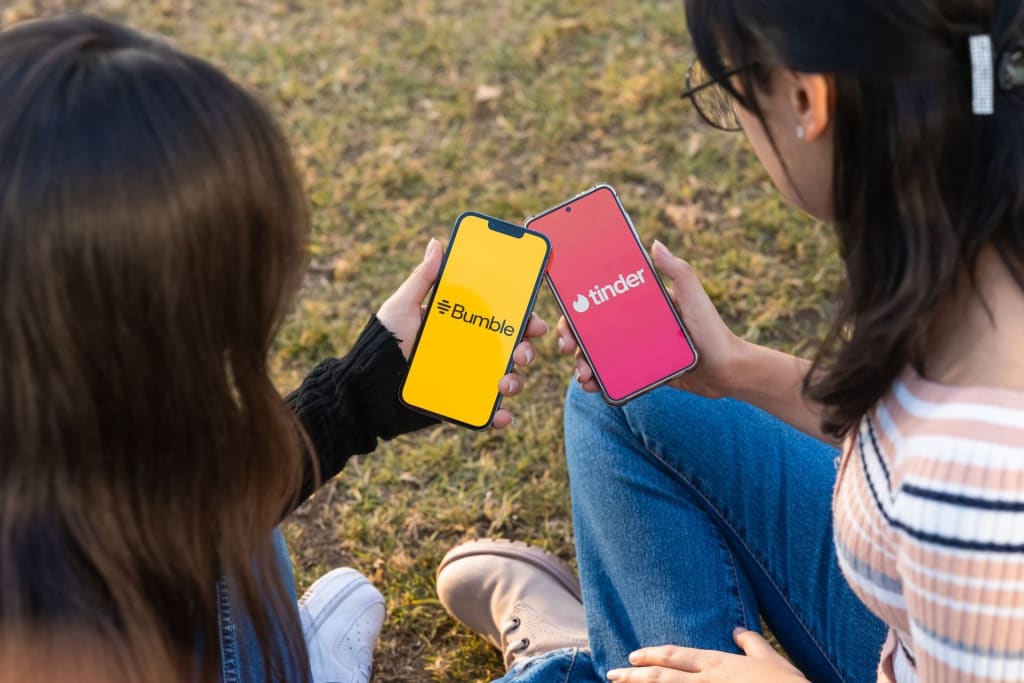
Dating App Fatigue: Why Singles Are Looking Beyond the Swipe
Swiping can offer connection and disappointment in equal measure; meeting people offline requires its own realistic expectations and care.
A dating app promises access to people you might never meet otherwise. Yet after enough nearly identical conversations, abandoned chats and uncertain expectations, the same convenience can feel exhausting. Dating app fatigue is a useful name for that experience, but it is not proof that everyone is abandoning online dating or that meeting strangers offline is automatically easier. The more interesting change is personal: some singles want romance to feel less like managing a queue and more like getting to know a human being.
Why the swipe can start to feel like work
Dating platforms make it possible to evaluate many potential connections quickly, but abundance comes with cognitive and emotional costs. Users may spend time selecting photographs, writing introductions, checking messages and interpreting silence, all before an actual conversation becomes meaningful. When the process repeats without clear progress, dating can begin to resemble an unpaid administrative task. The interface is efficient at presenting options, but an endless flow of options does not guarantee the patience needed for connection.
Part of the frustration comes from uncertainty. A conversation that ends abruptly may reflect distraction, competing priorities, incompatibility or lack of interest. Apps rarely explain the reason. People may fill that silence with personal conclusions, especially after repeated disappointments. Healthy distance from the platform can help prevent a pattern of normal dating ambiguity from becoming a verdict on self-worth.
What the survey evidence actually tells us
Pew Research Center's 2023 U.S. study found that 30 percent of adults had ever used a dating site or app, and among users, roughly half described their overall experiences positively. Its survey also found considerable frustration among current or recent users, alongside excitement and successful connections. That mixed picture is important because headlines can imply a universal crisis even when experiences differ substantially by age, identity and individual circumstances.
The survey describes people in the United States at the time it was conducted, not every country or the market in 2026. Cultural norms, safety concerns, family expectations and available platforms vary. Some couples form lasting relationships online, while others find the environment stressful or unsuitable. A sensible conclusion is neither that dating apps are broken for everyone nor that people who dislike them have failed to adapt.
Why meet-cutes feel emotionally different
An offline meeting can provide context that a profile cannot: a shared interest, a conversation in a familiar place, or a sense of how someone behaves around other people. Meeting through a class, volunteer project or mutual friend may create a gradual foundation rather than an immediate demand for romantic evaluation. People sometimes experience that slower path as more natural because they can discover chemistry without deciding everything from a set of photographs.
Yet the romantic meet-cute has its own mythology. Offline spaces can be socially difficult, and not every environment is appropriate for approaching strangers. Good boundaries, consent and respect for another person's time still matter. The goal is not to force romantic possibility into every grocery queue or gym session. It is to create genuine opportunities for conversation and community without making every interaction a test.
For additional evidence and background, see Pew Research Center, Online Dating in the United States.
The role of rejection, safety and personal identity
Online dating exposes people to unfamiliar social risks, including harassment, scams and unpleasant interactions. Pew documented concerns about those experiences, especially for certain users. Safety practices such as protecting personal information, using public meeting places and telling a trusted person about early dates are sensible regardless of where a connection begins. A decision to take an app break can be about safety and comfort as much as emotional burnout.
The experience can also intersect with identity and social expectations. Someone seeking a serious commitment may tire of unclear intentions, while a person interested in casual dating might find the same platform useful. Different gender and sexual-orientation groups can report different experiences. Advice that presumes every dater wants the same relationship, has the same safety profile or enjoys the same social spaces is unlikely to help.
 Imrul

Taking an intentional break without turning it into a verdict
A break can be as simple as removing notifications for a month, pausing a profile or setting a limited weekly window for checking messages. The purpose should be defined: perhaps you want to recover enthusiasm, rethink what you are seeking or spend more time with friends. Without a clear reason, a pause can become another rule that produces guilt when you eventually return to an app.
It helps to replace the old routine with something meaningful. Join a regular activity, reconnect with friends or explore places where shared interests produce conversation naturally. This may or may not lead to a date, and that is okay. Building a satisfying social life is valuable even when it does not immediately provide a romantic partner. Dating should be one part of life, not the measure of whether life is working.
What good app use can still look like
For people who choose to continue, quality may matter more than volume. A clear profile, a manageable number of conversations and a willingness to move from messaging to an appropriate real-world meeting can reduce some friction. Set reasonable expectations about response times and do not assume a perfect app conversation predicts an equally strong connection face to face. Human compatibility takes more time than a match notification.
It is also fair to stop an interaction that feels one-sided, pushy or unsafe. Courtesy does not require unlimited availability. At the same time, treating every delayed reply as deliberate mistreatment makes an already uncertain process harder. A little generosity and clear communication can improve the experience without demanding that anyone tolerate behavior that crosses their boundaries.
For additional evidence and background, see Pew Research Center, The Experiences of U.S. Online Daters.
An offline future that includes digital connection
The most realistic future is probably not a complete return to pre-app dating. Digital platforms can be particularly useful for people with limited local social circles, demanding schedules or a need to meet compatible partners beyond their immediate environment. Offline communities can add depth and context, while apps can expand reach. The two modes need not compete for exclusive legitimacy.
What matters is the relationship between the method and the person using it. If swiping produces stress and resentment, another approach deserves a try. If online dating helps someone meet respectful, compatible partners, there is no reason to abandon it for trend reasons. Connection remains the goal; the interface is only a means.
Why dating habits need a personal definition of success
Success on a dating app is often presented as the number of matches, messages or dates secured. But those metrics can reward activity without measuring whether anyone feels respected or genuinely compatible. Someone who has one thoughtful conversation in a month may be making more meaningful progress toward a long-term relationship than a person juggling dozens of exchanges. Another user may simply be exploring casually and consider a pleasant evening a satisfying outcome. Both deserve to define the experience according to their actual intentions.
A useful reset begins by identifying what you want at this point in life. Do you seek commitment, a low-pressure social connection or time to understand your preferences? Then evaluate whether the platform and your habits support that goal. If conversations linger for weeks without movement, consider whether you would prefer to suggest a brief, safe meeting. If you feel compelled to check notifications every few minutes, schedule a specific time instead. These changes do not guarantee a partner, but they return some control to the user.
 Abir Ahmed Tipu

Offline dating deserves the same clarity. Joining a club solely to find someone can make both yourself and others uncomfortable when no romance develops. Instead, choose communities you genuinely enjoy and practice being interested in people without an immediate outcome. An ordinary social life is not the consolation prize for failed dating. It can make the search for a partner healthier, more sustainable and less likely to swallow your sense of worth.
A realistic thirty-day reset from swiping
Choose a clear period for the experiment and decide whether to pause or simply limit app use. Write down what you hope to change, such as reducing compulsive checking or having more relaxed conversations. Each week, attend one recurring social activity that you would value even if no romantic possibility arises. Think local classes, language exchanges, creative groups, volunteering or existing friendships.
Practice making ordinary conversation without treating the other person as a potential match to be assessed immediately. Notice how you feel after an evening of in-person connection compared with a long session of messaging. At the end of the month, evaluate energy, confidence and practical results without demanding a new relationship as proof of success. The experiment is about finding a healthier process, not delivering a romantic miracle on a deadline.
Final Takeaway
Dating app fatigue does not signal the death of digital romance. It reminds us that people want more than access to endless profiles: they want attention, safety, chemistry and the possibility of being known beyond a screen.
Frequently Asked Questions
Are dating apps becoming useless?
No. Many people still find worthwhile connections, although experiences vary.
What causes dating app fatigue?
Repeated uncertainty, excessive options, emotional disappointment and the work of managing conversations can contribute.
How can I meet people offline?
Regular interest-based activities and existing social networks can create natural opportunities for conversation.