Meal Prep for Busy Professionals: 5 Days of Healthy Lunches in 1 Hour
Busy professionals often face the same lunch problem every week. The workday gets full, meetings run longer than expected, deadlines pile up, and suddenly lunch becomes whatever is fastest, closest, or easiest to order. At first, it may not feel like a big deal. But after a few weeks, expensive takeout, skipped meals, vending machine snacks, and rushed eating can affect energy, focus, productivity, mood, and long-term health.
Meal prep solves this problem before it happens.
With a smart plan, it is possible to prepare five days of healthy lunches in just one hour. You do not need complicated recipes, expensive ingredients, or a full Sunday spent in the kitchen. The key is choosing simple meals that use overlapping ingredients, cook quickly, store well, and stay enjoyable throughout the week.
Meal prepping is not about eating boring food from identical containers. It is about making workweek lunches easier, healthier, cheaper, and less stressful.
This guide shows how busy professionals can prepare five balanced lunches in one focused cooking session. It includes planning strategies, grocery ideas, a one-hour workflow, healthy lunch combinations, storage tips, and practical ways to keep meals fresh and satisfying.
Why Meal Prep Matters for Busy Professionals
A demanding work schedule can make healthy eating feel difficult. When your calendar is full, lunch often becomes an afterthought. But food directly affects how you perform throughout the day.
A balanced lunch can help support:
- Stable energy
- Better concentration
- Fewer afternoon crashes
- Improved mood
- Better portion control
- Less unnecessary snacking
- Lower food spending
- Reduced decision fatigue
For professionals who spend long hours at a desk, commute daily, attend meetings, or manage high-pressure responsibilities, lunch should be practical fuel, not another daily problem.
Meal prep helps by removing repeated decisions. Instead of asking, “What should I eat today?” every afternoon, you already have a prepared lunch ready to go.
That small change can save time, money, and mental energy.
The Main Goal: 5 Lunches in 1 Hour
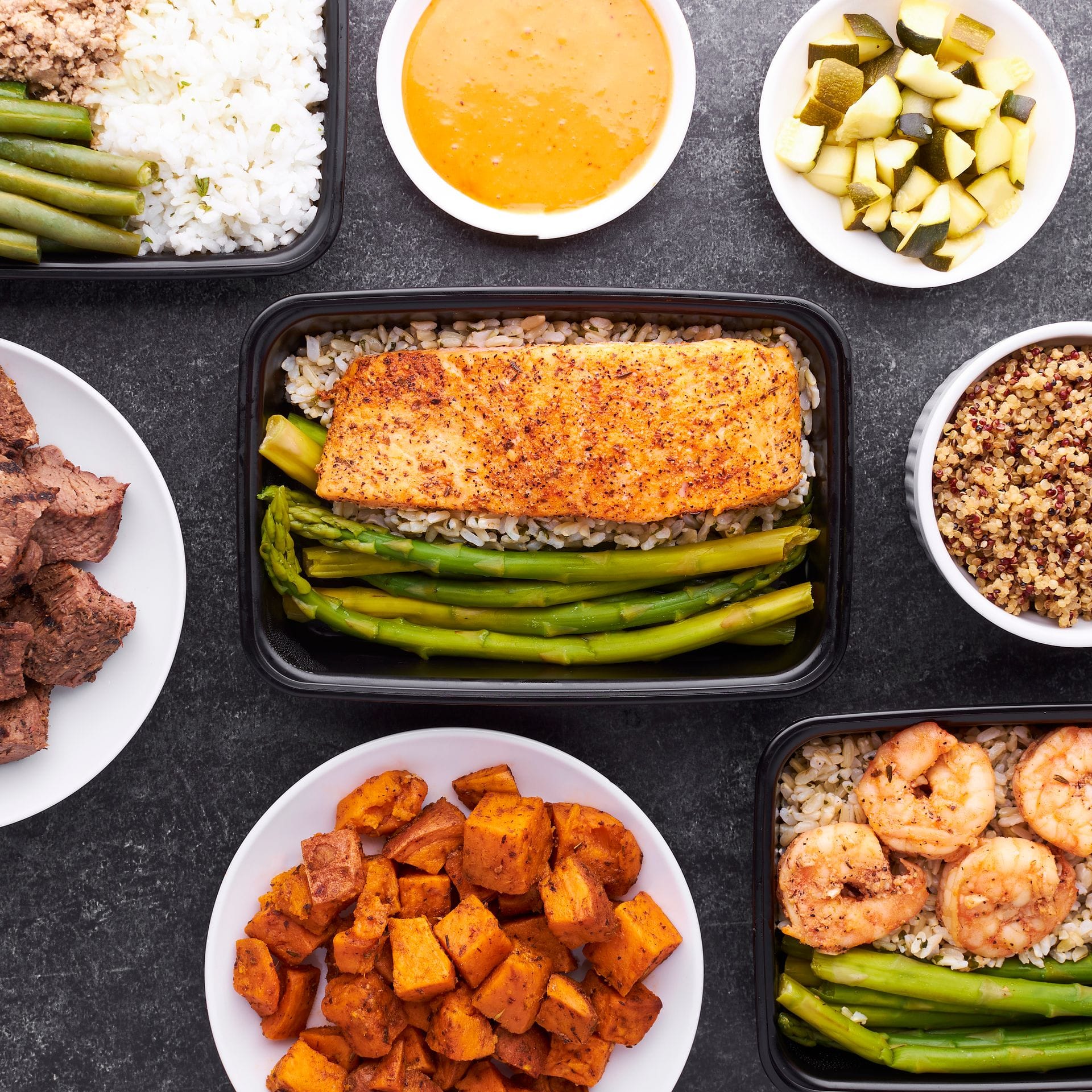
The goal is simple: prepare five healthy lunches for the workweek in about one hour.
To make this realistic, the meals should follow a basic structure:
Protein + Complex Carbohydrate + Vegetables + Healthy Fat + Sauce or Seasoning
This formula works because it is flexible and nutritionally balanced.
A strong meal prep lunch usually includes:
- A protein source for fullness and muscle support
- A complex carbohydrate for steady energy
- Vegetables for fibre, vitamins, and minerals
- Healthy fat for satisfaction and flavour
- A sauce or seasoning to prevent blandness
Once you understand this structure, you can create many lunch combinations without needing a new recipe every time.
The Best Meal Prep Method for Professionals
The most efficient method is called batch cooking.
Batch cooking means preparing several ingredients at once, then combining them into different meals. Instead of cooking five completely separate lunches, you cook a few core ingredients and mix them in smart ways.
For example, in one hour you can prepare:
- Grilled or baked chicken
- Brown rice or quinoa
- Roasted vegetables
- Fresh salad ingredients
- A simple sauce
- Boiled eggs or chickpeas
- Snack portions if needed
From those ingredients, you can create several lunch variations.
This saves time because ingredients cook together, preparation steps overlap, and cleanup is reduced.
What Makes a Good Meal Prep Lunch?
Not every meal works well for meal prep. Some foods become soggy, dry, or unpleasant after sitting in the fridge. The best meal prep lunches are meals that hold their texture and flavour for several days.
Good meal prep lunches should be:
- Easy to reheat or enjoyable cold
- Balanced in nutrients
- Simple to pack
- Resistant to becoming soggy
- Flavourful even after storage
- Affordable
- Customizable
Meals built around grains, lean proteins, roasted vegetables, beans, lentils, eggs, pasta, wraps, and hearty salads usually work very well.
Meals that rely heavily on crispy textures, delicate greens, or fresh sauces mixed too early may not hold up as well.
Meal Prep Containers: What You Need
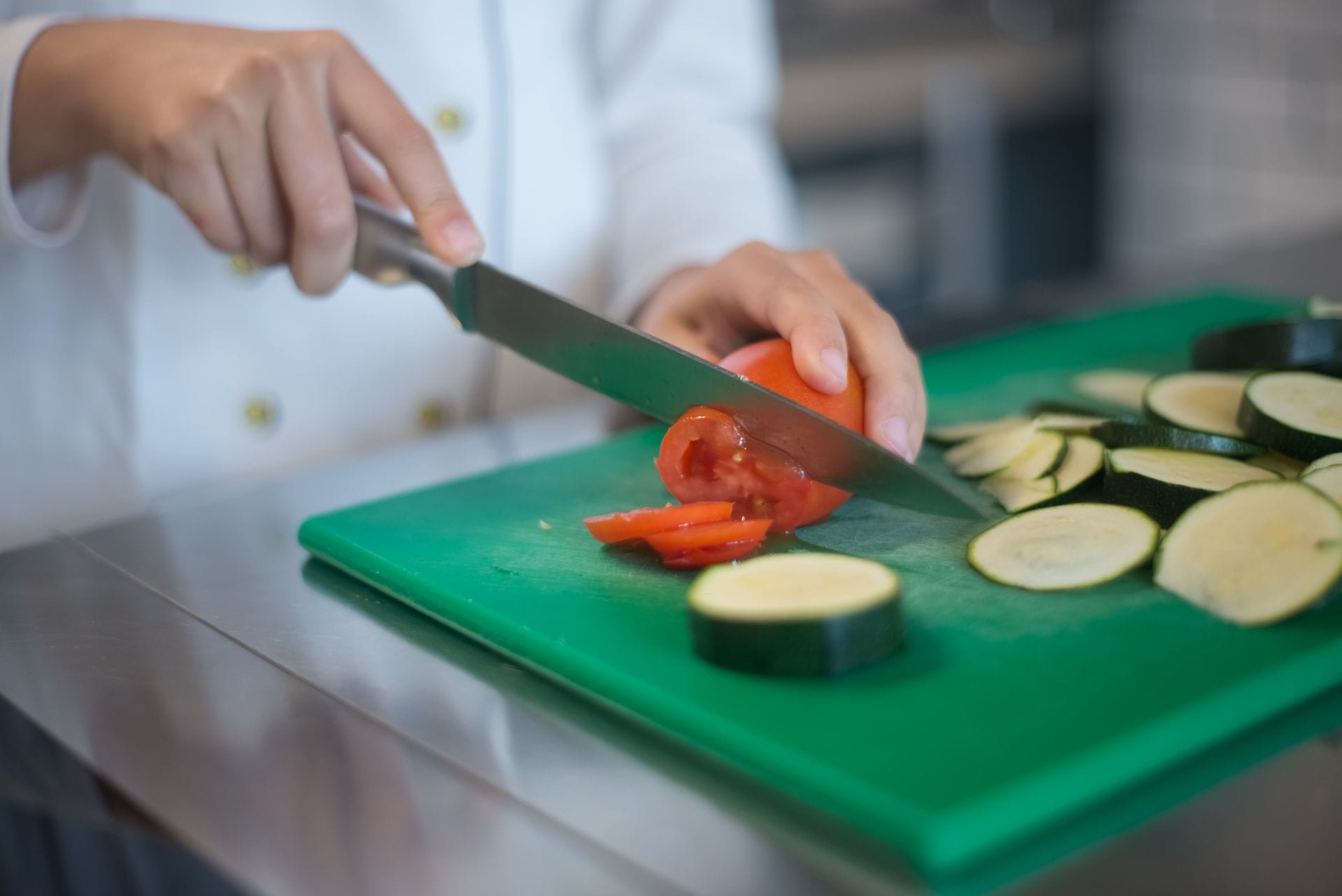
You do not need fancy equipment to meal prep successfully, but good containers make a big difference.
Useful items include:
- Five airtight lunch containers
- Small sauce containers
- A large baking tray
- A pot for grains
- A sharp knife
- A cutting board
- Measuring cups or spoons
- A mixing bowl
- Optional: food scale
Glass containers are durable and reheat well. Plastic containers are lighter and easier to carry. Bento-style containers are helpful if you prefer to keep ingredients separate.
The most important feature is an airtight seal. Good containers help food stay fresh and prevent leaks in your work bag.
The 1-Hour Meal Prep Strategy
To prepare five lunches in one hour, you need to avoid cooking one thing at a time. The secret is overlapping tasks.
A good workflow looks like this:
- Start grains first because they take time to cook.
- Prepare protein while grains cook.
- Chop vegetables while protein cooks.
- Roast or sauté vegetables.
- Mix sauces while everything finishes.
- Portion meals into containers.
- Let food cool before sealing.
This approach keeps you active without wasting time.
You are not rushing. You are simply using the cooking time efficiently.
The 5-Day Healthy Lunch Plan
This plan uses simple ingredients that can be mixed into five different lunches. It is designed for busy professionals who want healthy meals without complicated cooking.
The meals include:
Monday: Chicken rice bowl with roasted vegetables
Tuesday: Chickpea quinoa salad bowl
Wednesday: Turkey or chicken wrap with crunchy vegetables
Thursday: Mediterranean pasta salad
Friday: Egg and vegetable power bowl
These lunches are varied enough to avoid boredom but similar enough to prepare efficiently.
Grocery List for 5 Healthy Lunches
This grocery list is designed for one person for five work lunches.
Protein
- 2 chicken breasts or 400–500g cooked chicken
- 1 can chickpeas
- 2–3 boiled eggs
- Optional: sliced turkey, tuna, tofu, or paneer
Carbohydrates
- 1 cup brown rice or basmati rice
- 1 cup quinoa
- 1–2 whole wheat wraps
- 1 cup whole wheat pasta
Vegetables
- 2 bell peppers
- 1 cucumber
- 1 carrot
- 1 zucchini
- 1 broccoli head
- Cherry tomatoes
- Mixed salad greens or spinach
- Red onion
- Sweet corn or peas
Healthy Fats
- Olive oil
- Avocado
- Nuts or seeds
- Hummus
- Greek yogurt dressing
Sauces and Flavour
- Lemon juice
- Garlic
- Black pepper
- Salt
- Paprika
- Cumin
- Chili flakes
- Mustard
- Greek yogurt
- Soy sauce or low-sodium dressing
- Fresh herbs if available
You can adjust this list based on your taste, budget, dietary restrictions, or local availability.
The Core Meal Prep Ingredients
For the fastest prep, focus on six core components.
1. Cooked Grain Base
Prepare rice, quinoa, or both. Grains provide long-lasting energy and make lunches more filling.
Rice is affordable and versatile. Quinoa adds extra protein and works well in cold salads. Whole wheat pasta is another option for variety.
2. Lean Protein
Chicken is one of the easiest meal prep proteins because it cooks quickly and pairs with many flavours.
Other options include:
- Eggs
- Tuna
- Turkey
- Tofu
- Chickpeas
- Lentils
- Beans
- Paneer
- Greek yogurt-based protein bowls
The goal is to include enough protein to keep you full during the workday.
3. Roasted or Sautéed Vegetables
Vegetables add fibre, colour, and nutrients. Roasting is ideal because it requires little attention and improves flavour.
Good meal prep vegetables include:
- Broccoli
- Carrots
- Bell peppers
- Zucchini
- Cauliflower
- Sweet potato
- Green beans
- Mushrooms
4. Fresh Crunch
Fresh vegetables keep meals from feeling heavy.
Use ingredients such as:
- Cucumber
- Lettuce
- Spinach
- Carrot sticks
- Tomatoes
- Red onion
- Cabbage
For best results, keep delicate fresh vegetables separate from hot ingredients until serving.
5. Healthy Fat
Healthy fat improves flavour and satisfaction.
Good options include:
- Olive oil
- Avocado
- Hummus
- Nuts
- Seeds
- Tahini
- Yogurt dressing
A small amount is usually enough.
6. Sauce or Dressing
Sauce is what makes meal prep enjoyable.
Without sauce, meal prep can quickly feel dry and boring. A simple dressing can completely change the meal.
Easy options include:
- Lemon olive oil dressing
- Garlic yogurt sauce
- Honey mustard dressing
- Soy ginger sauce
- Spicy yogurt sauce
- Hummus lemon sauce
Keep sauces separate until lunchtime when possible.
1-Hour Cooking Timeline
Here is a practical timeline for preparing all five lunches in about one hour.
Minutes 0–10: Start the Base
Rinse rice or quinoa.
Add it to a pot with water and begin cooking.
At the same time, preheat the oven if roasting vegetables.
Place eggs in a small pot to boil if using them.
Minutes 10–20: Prepare Protein
Season chicken with olive oil, salt, pepper, paprika, garlic, and lemon juice.
Place it on a baking tray or cook it in a pan.
If using tofu, chickpeas, or paneer, season and cook them quickly in a skillet.
Minutes 20–35: Chop Vegetables
Chop broccoli, carrots, bell peppers, zucchini, cucumber, onion, and tomatoes.
Place roasting vegetables on a tray with olive oil and seasoning.
Keep fresh vegetables separate.
Minutes 35–45: Prepare Sauces
While everything cooks, mix two simple sauces.
Lemon Yogurt Sauce
Mix Greek yogurt, lemon juice, garlic, salt, pepper, and a little olive oil.
Soy Ginger Sauce
Mix soy sauce, ginger, garlic, a little honey, and chili flakes.
These two sauces can create different flavours across the week.
Minutes 45–55: Portion Meals
Drain pasta if using.
Fluff rice or quinoa.
Slice chicken.
Peel boiled eggs.
Divide ingredients into five containers.
Minutes 55–60: Cool and Store
Let hot foods cool slightly before sealing containers.
Add sauces in separate small containers.
Label meals if helpful.
Place everything in the fridge.
Lunch 1: Chicken Rice Bowl With Roasted Vegetables
This is the classic meal prep lunch because it is simple, filling, and reliable.
Ingredients
- Cooked rice
- Sliced chicken breast
- Roasted broccoli
- Roasted carrots
- Bell peppers
- Lemon yogurt sauce
- Optional avocado or seeds
Why It Works
This lunch has a strong balance of protein, carbohydrates, fibre, and flavour. The rice keeps you energized, the chicken keeps you full, and the roasted vegetables add texture and nutrients.
Pro Tip
Keep the sauce separate until eating. This prevents the rice from becoming soggy.
Lunch 2: Chickpea Quinoa Salad Bowl
This meal is perfect for professionals who prefer a lighter lunch or want a plant-based option.
Ingredients
- Cooked quinoa
- Chickpeas
- Cucumber
- Cherry tomatoes
- Red onion
- Spinach
- Olive oil
- Lemon juice
- Black pepper
- Optional feta or avocado
Why It Works
Chickpeas and quinoa provide plant-based protein and fibre. Fresh vegetables add crunch, while lemon and olive oil keep the flavour bright.
This lunch can be eaten cold, making it ideal for offices without microwave access.
Pro Tip
Add spinach at the top of the container instead of mixing it too early. This helps it stay fresher.
Lunch 3: Turkey or Chicken Wrap With Crunchy Vegetables
A wrap is fast, portable, and easy to eat during a short lunch break.
Ingredients
- Whole wheat wrap
- Sliced turkey or chicken
- Lettuce or spinach
- Cucumber
- Carrot strips
- Hummus or yogurt sauce
- Optional cheese
Why It Works
Wraps are convenient and satisfying without feeling too heavy. They also provide variety in a meal prep plan that might otherwise rely heavily on bowls.
Pro Tip
To avoid sogginess, spread hummus or sauce in a thin layer and keep wet ingredients away from the wrap surface. You can also pack the filling separately and assemble at work.
Lunch 4: Mediterranean Pasta Salad
Pasta salad is one of the best make-ahead lunches because it stores well and tastes good cold.
Ingredients
- Whole wheat pasta
- Cherry tomatoes
- Cucumber
- Chickpeas or chicken
- Red onion
- Olive oil
- Lemon juice
- Black pepper
- Herbs
- Optional olives or feta
Why It Works
This lunch is filling but fresh. Whole wheat pasta provides energy, vegetables add freshness, and chickpeas or chicken increase protein.
Pro Tip
Use a small amount of dressing at first, then add more before eating if needed. Pasta absorbs dressing during storage.
Lunch 5: Egg and Vegetable Power Bowl
This is a simple high-protein lunch that works well at the end of the week.
Ingredients
- Cooked rice or quinoa
- Boiled eggs
- Roasted vegetables
- Spinach
- Hummus or yogurt sauce
- Seeds or nuts
- Chili flakes
Why It Works
Eggs are affordable, nutritious, and easy to prepare in advance. Combined with grains and vegetables, they create a balanced lunch that feels satisfying without being complicated.
Pro Tip
Keep boiled eggs in the shell until the night before or morning of use for better freshness.
How to Keep Meal Prep From Getting Boring
One common complaint about meal prep is repetition. Eating the same lunch five days in a row can become boring, even if the meal is healthy.
The solution is variety through small changes.
You do not need five separate recipes. You need different sauces, textures, and combinations.
Change the Sauce
The same rice, chicken, and vegetables can taste completely different with different sauces.
Try:
- Lemon yogurt sauce
- Teriyaki sauce
- Garlic tahini
- Spicy chili sauce
- Honey mustard
- Pesto
- Hummus dressing
Change the Base
Rotate between:
- Rice
- Quinoa
- Pasta
- Wraps
- Salad greens
- Sweet potato
Change the Protein
Use:
- Chicken
- Eggs
- Chickpeas
- Tuna
- Tofu
- Turkey
- Lentils
Add Fresh Toppings
Fresh toppings make prepared meals feel more alive.
Try:
- Fresh herbs
- Lemon wedges
- Nuts
- Seeds
- Pickled onions
- Cucumber
- Avocado
- Yogurt drizzle
These small changes keep meal prep enjoyable without adding much extra time.
Best Proteins for Fast Meal Prep
Protein is essential for a satisfying lunch. Without enough protein, you may feel hungry again within an hour or two.
Good meal prep proteins include:
Chicken Breast
Lean, versatile, and easy to season.
Eggs
Affordable and quick to prepare.
Chickpeas
Great for plant-based meals, salads, and bowls.
Lentils
High in fibre and excellent for soups or bowls.
Tuna
Convenient and requires no cooking.
Tofu
Good plant-based protein that absorbs flavour well.
Turkey Slices
Fast option for wraps and sandwiches.
Greek Yogurt
Useful for sauces, bowls, and high-protein dressings.
The best protein is the one you will actually eat consistently.
Best Carbohydrates for Work Lunches
Carbohydrates are not the enemy. For busy professionals, the right carbohydrates help support focus and energy.
Good options include:
- Brown rice
- Basmati rice
- Quinoa
- Whole wheat pasta
- Sweet potatoes
- Whole grain wraps
- Oats
- Lentils
- Beans
Complex carbohydrates digest more slowly and help prevent sharp energy crashes.
Portion size matters, but completely avoiding carbohydrates can make lunches less satisfying and may lead to snacking later.
Best Vegetables for Meal Prep
Some vegetables store better than others.
Best vegetables for cooked meal prep include:
- Broccoli
- Carrots
- Bell peppers
- Cauliflower
- Zucchini
- Mushrooms
- Green beans
- Sweet potato
Best fresh vegetables include:
- Cucumber
- Cherry tomatoes
- Carrots
- Cabbage
- Lettuce
- Spinach
- Red onion
Avoid mixing delicate greens with hot food too early. Let cooked foods cool before adding fresh ingredients.
Meal Prep for Weight Management
Meal prep can support weight management because it helps control portions and reduce impulsive food choices.
When lunch is already prepared, you are less likely to order oversized takeout meals or snack through the afternoon.
A weight-conscious lunch should include:
- Lean protein
- Plenty of vegetables
- Moderate complex carbohydrates
- Healthy fat in controlled portions
- Minimal sugary sauces
- Enough volume to feel full
The goal is not to make lunch too small. A lunch that is too light may lead to cravings later. A balanced meal is easier to sustain.
Meal Prep for Muscle and Fitness Goals
Professionals who train regularly need lunches that support recovery and performance.
A fitness-focused meal prep lunch should include:
- Higher protein
- Quality carbohydrates
- Vegetables
- Electrolyte-rich foods
- Enough calories for activity level
Good combinations include:
- Chicken, rice, and vegetables
- Tuna pasta salad
- Egg quinoa bowl
- Tofu rice bowl
- Turkey wrap with hummus
- Lentil and sweet potato bowl
Meal prep makes it easier to hit nutrition goals without constantly calculating meals during the workday.
Meal Prep for Budget Savings
Buying lunch every workday can become expensive quickly. Even modest takeout costs add up over a month.
Meal prep saves money because you buy ingredients in larger portions and use them across multiple meals.
Budget-friendly ingredients include:
- Rice
- Eggs
- Chickpeas
- Lentils
- Frozen vegetables
- Canned tuna
- Pasta
- Seasonal vegetables
- Chicken thighs
- Beans
- Cabbage
- Carrots
A homemade lunch often costs far less than restaurant meals while giving you better control over ingredients.
How to Store Meal Prep Safely
Food safety is important when preparing several days of lunches.
Follow these basic rules:
- Cool cooked food before sealing containers
- Store meals in the fridge promptly
- Keep sauces separate when possible
- Use airtight containers
- Reheat food thoroughly
- Avoid leaving lunch unrefrigerated for long periods
- Use an insulated lunch bag if needed
Most cooked meal prep lunches are best eaten within three to five days when stored properly in the refrigerator.
If you are concerned about freshness, prepare three lunches for the fridge and freeze two portions for later in the week.
Foods That Do Not Meal Prep Well
Some foods are better made fresh.
Be careful with:
- Crispy fried foods
- Delicate lettuce mixed with dressing
- Sliced avocado stored too long
- Watery vegetables mixed with sauces
- Seafood stored for several days
- Bread already filled with wet ingredients
- Crispy toppings mixed too early
This does not mean you cannot use these foods. Just store them separately and add them right before eating.
The Best Sauces for Healthy Lunch Meal Prep
Sauces turn basic ingredients into satisfying meals.
Lemon Garlic Yogurt Sauce
Best with chicken, rice bowls, wraps, and roasted vegetables.
Ingredients
- Greek yogurt
- Lemon juice
- Garlic
- Salt
- Black pepper
- Olive oil
Hummus Dressing
Best with chickpea bowls, wraps, and salads.
Ingredients
- Hummus
- Lemon juice
- Water
- Olive oil
- Paprika
Soy Ginger Sauce
Best with rice bowls, tofu, chicken, and vegetables.
Ingredients
- Soy sauce
- Ginger
- Garlic
- Honey
- Chili flakes
Honey Mustard Dressing
Best with wraps, salads, chicken, and eggs.
Ingredients
- Mustard
- Honey
- Yogurt or olive oil
- Lemon juice
- Black pepper
Spicy Chili Yogurt Sauce
Best with rice bowls, eggs, chicken, and roasted vegetables.
Ingredients
- Greek yogurt
- Chili sauce
- Garlic
- Lemon juice
- Salt
Keep sauces in small containers to preserve texture and freshness.
How to Pack Lunch for the Office
A good packed lunch should be easy to carry, easy to eat, and unlikely to leak.
Office lunch packing tips:
- Use leakproof containers
- Pack sauces separately
- Keep wraps wrapped tightly in foil or paper
- Use an insulated lunch bag if commuting
- Add an ice pack if refrigeration is limited
- Keep utensils at your desk
- Store backup snacks like nuts or fruit
- Label containers if sharing a fridge
The easier your lunch is to eat, the more likely you are to stick with meal prep.
Healthy Snacks to Add With Lunch
Some professionals need a snack in addition to lunch, especially during long workdays.
Good snack options include:
- Greek yogurt
- Fruit
- Nuts
- Boiled eggs
- Carrot sticks
- Hummus
- Cottage cheese
- Protein bar
- Roasted chickpeas
- Apple with peanut butter
A planned snack is better than an emergency snack from a vending machine.
Common Meal Prep Mistakes
Meal prep is simple, but a few mistakes can make it frustrating.
Making Too Much Food
Start with five lunches, not a full week of every meal. Keep it realistic.
Choosing Complicated Recipes
Busy professionals need repeatable systems, not difficult recipes.
Forgetting Sauce
Dry food becomes boring quickly.
Not Adding Enough Protein
Low-protein lunches may leave you hungry.
Ignoring Texture
Add crunch through fresh vegetables, nuts, seeds, or toppings.
Packing Hot Food Too Quickly
Sealing very hot food can create excess moisture and affect freshness.
Eating the Same Meal Every Day
Use different sauces and bases to create variety.
A Simple 5-Day Meal Prep Menu
Here is a complete weekly lunch menu using overlapping ingredients.
Monday
Chicken rice bowl with roasted broccoli, carrots, bell peppers, and lemon yogurt sauce.
Tuesday
Chickpea quinoa salad with cucumber, tomatoes, spinach, red onion, and olive oil lemon dressing.
Wednesday
Whole wheat chicken wrap with hummus, lettuce, cucumber, carrot strips, and yogurt sauce.
Thursday
Mediterranean pasta salad with chickpeas, tomatoes, cucumber, onion, herbs, and lemon dressing.
Friday
Egg and vegetable power bowl with quinoa, boiled eggs, roasted vegetables, spinach, seeds, and spicy yogurt sauce.
This menu gives variety without requiring five separate cooking sessions.
Vegetarian Meal Prep Version
For a vegetarian version, replace chicken and turkey with:
- Chickpeas
- Lentils
- Tofu
- Paneer
- Eggs
- Beans
- Greek yogurt
- Tempeh
A vegetarian five-day plan could include:
- Chickpea rice bowl
- Lentil quinoa salad
- Egg wrap
- Tofu pasta salad
- Paneer vegetable bowl
The same one-hour strategy still works.
Low-Carb Meal Prep Version
For a lower-carb version, reduce rice, pasta, and wraps.
Use more:
- Leafy greens
- Eggs
- Chicken
- Tuna
- Tofu
- Roasted vegetables
- Cabbage
- Cauliflower rice
- Avocado
- Greek yogurt sauces
Low-carb meal prep can work well, but lunches should still be filling enough to prevent afternoon cravings.
High-Protein Meal Prep Version
For higher protein needs, increase portions of:
- Chicken
- Eggs
- Greek yogurt
- Tuna
- Tofu
- Lentils
- Turkey
- Cottage cheese
A high-protein lunch could include chicken, quinoa, roasted vegetables, boiled egg, and yogurt sauce.
How to Meal Prep Without Cooking Everything
If you have an extremely busy week, semi-prep can still help.
Instead of cooking full meals, prepare components:
- Wash and chop vegetables
- Cook rice or quinoa
- Boil eggs
- Make sauce
- Portion snacks
- Marinate chicken
- Drain and rinse chickpeas
This reduces weekday cooking time dramatically.
Even partial meal prep is better than no plan at all.
How to Build the Habit
Meal prep works best when it becomes routine.
Choose a consistent prep time each week. For many professionals, Sunday evening works well. Others prefer Monday morning, Saturday afternoon, or a weekday night.
Make the habit easier by:
- Keeping a repeating grocery list
- Using simple recipes
- Buying reliable containers
- Cooking familiar meals
- Prepping at the same time each week
- Keeping sauces interesting
- Starting with only three lunches if five feels too much
Consistency matters more than perfection.
Final Thoughts
Meal prep is one of the most practical health habits for busy professionals. It saves time, reduces stress, supports better nutrition, and makes workdays easier.
Preparing five healthy lunches in one hour is completely realistic when you use simple ingredients, overlapping recipes, and an efficient cooking workflow.
The best approach is not complicated. Cook a grain, prepare a protein, roast vegetables, chop fresh toppings, mix sauces, and portion everything into containers. From that foundation, you can create a full week of satisfying lunches without spending hours in the kitchen.
Healthy eating does not need to be expensive, boring, or time-consuming. With a little planning, your lunch can become one of the easiest parts of your workday.
Instead of relying on takeout, skipping meals, or rushing through unhealthy options, you can open the fridge each morning and know your lunch is ready.
That is the real power of meal prep: fewer decisions, better food, more energy, and a smoother workweek.