Rediscovering Hobbies: Why Having a Pastime with No Monetization Is Vital
Somewhere along the way, many people forgot how to enjoy doing things simply because they enjoy them.
A person starts baking and soon hears, “You should sell these.” Someone begins painting and is told to open an online shop. A friend gets into photography and people suggest turning it into a side hustle. A writer shares a few personal essays and suddenly everyone asks about newsletters, branding, and monetization.
Modern culture often treats every skill as a potential income stream. If you are good at something, you are expected to sell it. If you enjoy something, you are encouraged to build an audience around it. If you spend time on something, it should become productive, profitable, optimized, or useful.
But not everything meaningful needs to become a business.
Some things should remain purely yours.
A hobby with no monetization can be one of the healthiest parts of adult life. It gives you space to play, learn, relax, fail, explore, and express yourself without pressure. It reminds you that your worth is not measured only by output, money, status, or achievement.
In a world obsessed with productivity, having a pastime that exists only for joy is not laziness. It is a form of balance.
What Is a Non-Monetized Hobby?
A non-monetized hobby is an activity you do for pleasure, interest, relaxation, creativity, or personal satisfaction without trying to earn money from it.
It may still involve skill. It may still take time. It may even produce something beautiful, useful, or impressive. But its main purpose is not profit.
Examples include:
- Painting for fun
- Gardening without selling plants
- Playing guitar without performing professionally
- Journaling privately
- Cooking new recipes for yourself
- Hiking without creating travel content
- Reading without reviewing books online
- Photography without selling prints
- Knitting without opening a shop
- Dancing without posting videos
- Gaming without streaming
- Birdwatching without building a brand
- Pottery without taking commissions
- Writing poems that stay in a notebook
The defining feature is freedom.
You do not need customers, followers, deadlines, analytics, pricing, packaging, marketing, or a content calendar. You do not need to turn your joy into a revenue model.
The hobby can exist simply because it makes your life richer.
Why Hobbies Matter More Than Ever
Adult life is often filled with obligations. Work, bills, family responsibilities, errands, appointments, messages, deadlines, and social expectations can consume most of the week.
Many people spend their days being useful to someone else.
They answer emails. They attend meetings. They care for children. They manage homes. They support clients. They solve problems. They commute. They plan. They perform.
A hobby creates a different kind of time.
It is time that does not need to prove itself. It is not measured in profit, performance reviews, likes, grades, promotions, or efficiency. It gives the mind a place to breathe.
This matters because humans are not machines designed only for productivity. People need play, rest, curiosity, beauty, movement, and expression.
A life without hobbies can become functional but emotionally thin.
You may be doing everything required of you and still feel disconnected from yourself. A hobby helps rebuild that connection.
The Problem With Monetizing Everything
Turning hobbies into income is not always bad. Some people build wonderful businesses from things they love. A passion project can become a career, and that can be deeply rewarding.
The problem begins when monetization becomes the automatic expectation.
When every enjoyable activity is evaluated for profit, leisure starts to disappear.
You stop asking, “Do I enjoy this?” and start asking:
- Can I sell this?
- Will people like this?
- How do I grow an audience?
- Is this worth my time?
- Can I turn this into content?
- How can I make it better than others?
- What is the market demand?
- Should I brand this?
- How much should I charge?
These questions change the emotional texture of the activity.
Something that once felt playful can become stressful. Something that once gave you rest can become another responsibility. Something that once belonged to you can begin to belong to customers, clients, followers, or algorithms.
The moment a hobby becomes monetized, expectations enter the room.
That does not mean monetized creativity is bad. It simply means it is no longer the same kind of space.
The Rise of Hustle Culture
Hustle culture teaches that every hour should be used for improvement, income, networking, self-branding, or career advancement.
It praises discipline, ambition, and hard work, which can be valuable. But taken too far, it creates a belief that rest must be earned and leisure must be justified.
Under hustle culture, hobbies are acceptable only if they lead somewhere.
Fitness becomes body transformation content. Reading becomes a personal development strategy. Cooking becomes a food business idea. Travel becomes a social media project. Art becomes a portfolio. Writing becomes a newsletter funnel. Gaming becomes streaming. Even rest becomes “recovery optimization.”
The result is exhausting.
When everything is optimized, nothing feels free.
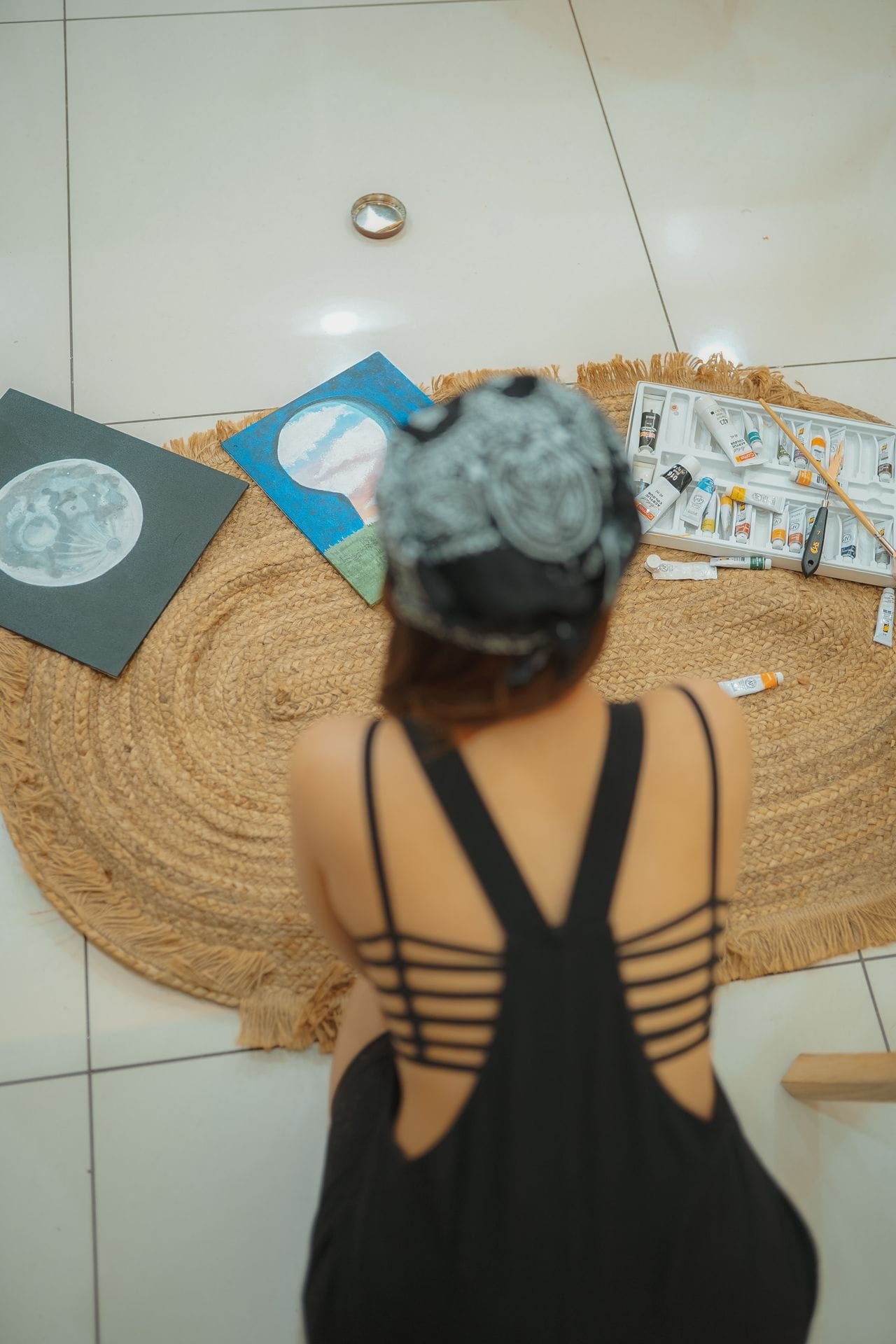
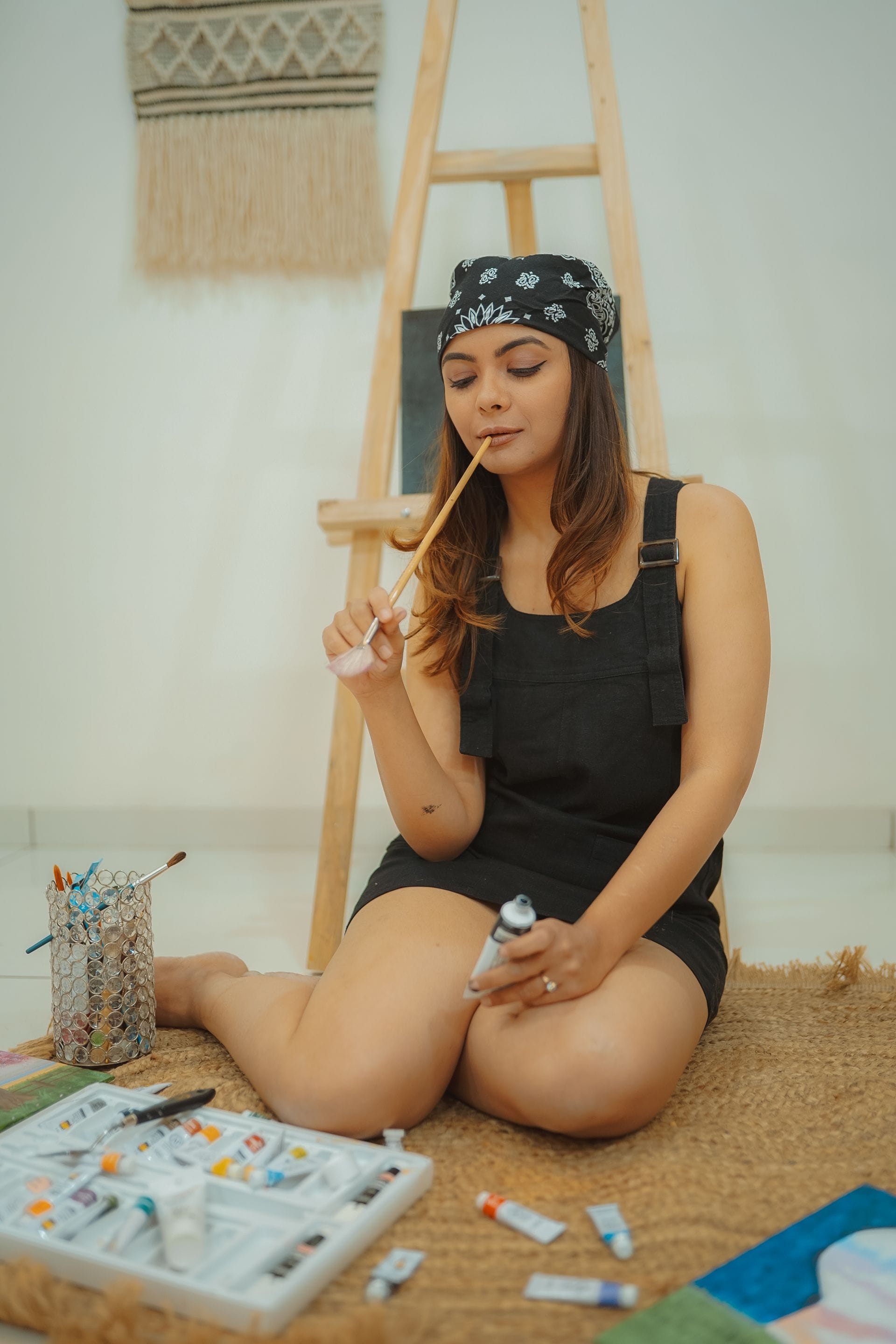
Non-monetized hobbies quietly resist this pressure. They remind us that life is not only about scaling, selling, and improving. Sometimes life is about sitting at a table with watercolours, playing music badly, planting herbs, making a puzzle, or learning a dance no one will ever see.
That kind of time is deeply human.
Hobbies Help Protect Mental Health
Hobbies can support mental health by giving the brain a break from repetitive stress patterns.
Many adults spend much of their mental energy on problems: work pressure, money concerns, family needs, health worries, news, and uncertainty. A hobby redirects attention toward something engaging, concrete, and often calming.
A healthy pastime may help with:
- Stress relief
- Emotional regulation
- Better mood
- Reduced rumination
- Increased confidence
- Improved focus
- A sense of control
- Personal meaning
- Relaxation
- Joy
The benefit does not come from being excellent at the hobby. In fact, the pressure to be excellent can reduce the benefit.
A hobby works best when it allows you to enter a different state of mind. You may become absorbed in the colours of a painting, the rhythm of knitting, the soil in your hands, the movement of your body, the sound of a song, or the strategy of a board game.
This kind of absorption can interrupt stress and create mental spaciousness.
The Power of Doing Something Badly
One of the most healing parts of a non-monetized hobby is that you are allowed to be bad at it.
This may sound simple, but for many adults, it is surprisingly difficult.
School, work, and social media train people to perform. You are expected to know what you are doing, improve quickly, produce results, and avoid looking foolish. As a result, many people stop trying new things unless they believe they can be good at them.
But hobbies give you permission to be a beginner.
You can paint badly. Sing off-key. Grow uneven tomatoes. Write clumsy poems. Dance awkwardly. Take blurry photos. Make lopsided pottery. Lose chess games. Burn bread. Play guitar slowly. Learn a language imperfectly.
There is freedom in doing something without needing to be impressive.
Being bad at a hobby teaches humility, patience, humour, and resilience. It also reconnects you with play, which is often missing from adult life.
Children explore without needing every activity to become a skill. Adults deserve that freedom too.
Hobbies Reconnect You With Play
Play is not only for children.
Play is a mode of exploration. It allows the mind to test possibilities, experiment, imagine, and enjoy without fear of serious consequences. Play supports creativity, learning, social connection, and emotional flexibility.
A non-monetized hobby is one of the easiest ways for adults to recover play.
When you are playing, the outcome is not the whole point. The process matters. The activity itself becomes rewarding.
You may not finish the sketch. You may not win the game. You may not master the song. You may not create anything useful.
Still, the time was not wasted.
Play helps people feel alive.
In a culture that often values adults only for usefulness, play is a reminder that joy has value even when it produces nothing measurable.
Creativity Needs Space Without Pressure
Creativity does not thrive only under deadlines and commercial goals. Often, creativity needs wandering, mistakes, boredom, experimentation, and privacy.
When a creative hobby becomes monetized too quickly, the maker may begin producing what sells rather than what feels interesting. The audience becomes part of the creative process before the creator has had time to develop their own voice.
This can lead to burnout.
A non-monetized creative hobby gives you space to create without market pressure.
You can try strange ideas. You can abandon projects. You can repeat yourself. You can make things no one understands. You can keep work private. You can create for emotional release rather than public approval.
This kind of creative privacy is powerful.
It allows creativity to remain a relationship with yourself rather than a constant performance for others.
Hobbies Improve Identity Beyond Work
Many adults define themselves mainly by their job.
When someone asks, “What do you do?” the expected answer is usually professional. People say they are designers, teachers, engineers, doctors, managers, developers, business owners, students, parents, or consultants.
Work is important, but it should not be the only source of identity.
A hobby helps expand your sense of self.
You may be an accountant who gardens. A lawyer who plays drums. A software engineer who paints. A parent who writes short stories. A teacher who climbs mountains. A manager who makes ceramics. A nurse who studies birds.
These identities may not appear on a résumé, but they matter.
They remind you that you are more than your labour.
This becomes especially important during career changes, unemployment, retirement, illness, burnout, or major life transitions. If your entire identity is tied to productivity, any disruption can feel devastating. Hobbies create additional emotional anchors.
Non-Monetized Hobbies Reduce Burnout
Burnout often comes from prolonged stress, lack of control, emotional exhaustion, and constant performance demands.
A hobby can help because it offers the opposite experience.
Instead of external pressure, there is choice.
Instead of productivity metrics, there is enjoyment.
Instead of endless responsibility, there is exploration.
Instead of performance, there is presence.
This does not mean a hobby can fix an unhealthy job or solve all stress. But it can create a protected space where the nervous system gets relief.
The key is keeping the hobby free from the same pressures that caused burnout in the first place.
If you are exhausted from deadlines, turning your hobby into another deadline-driven project may not help. If you are burned out from client demands, turning your art into client work may remove the very benefit you needed.
Sometimes the healthiest thing is to let a hobby remain unproductive.
Hobbies Help You Enter a Flow State
Flow is a mental state where you become fully absorbed in an activity. Time seems to pass differently. Your attention narrows. You feel engaged but not overwhelmed.
Many hobbies can create flow, including:
- Drawing
- Writing
- Playing music
- Gardening
- Cooking
- Running
- Cycling
- Woodworking
- Sewing
- Gaming
- Puzzles
- Dancing
- Photography
- Pottery
- Rock climbing
Flow often happens when an activity is challenging enough to hold your attention but not so difficult that it causes frustration.
A non-monetized hobby is ideal for flow because you are less distracted by external judgment. You can focus on the activity itself.
Flow is deeply satisfying because it gives the mind a break from self-consciousness. You are not constantly evaluating yourself. You are simply doing.
Why Private Joy Matters
Not every joy needs to be shared.
Social media has made sharing feel automatic. Cook a meal, post it. Visit a place, post it. Finish a book, review it. Make art, upload it. Start a hobby, document the journey.
Sharing can be wonderful. It can create community and inspiration.
But constant sharing can also change your relationship with the activity. You may start choosing hobbies based on how they look online rather than how they feel in real life.
Private joy protects authenticity.
A private hobby lets you ask:
Do I like this when no one is watching?
Would I still do this if no one praised me?
Does this make me feel peaceful, curious, or alive?
These questions matter.
Some experiences become more meaningful when they are not turned into content.
The Difference Between Passion and Performance
A passion is something that draws you inward.
Performance is something presented outward.
Many hobbies begin as passion but slowly become performance. This can happen through monetization, social media, competition, or comparison.
For example, someone may begin running because it feels good. Then they start tracking every metric, comparing pace, posting results, buying gear, and feeling guilty for slow days. The hobby becomes performance.
Someone may begin drawing to relax. Then they compare every sketch to professional artists online. The hobby becomes pressure.
Someone may begin cooking for joy. Then they feel every meal must look beautiful enough to photograph. The hobby becomes presentation.
Non-monetized hobbies help preserve passion by reducing the need to prove anything.
You can still improve. You can still share sometimes. You can still take pride in your progress. But the heart of the activity remains personal.
Hobbies Build Patience in an Instant World
Modern life is built around speed.
Messages arrive instantly. Food can be delivered quickly. Entertainment streams on demand. Shopping takes one click. Algorithms serve endless content. Work communication rarely stops.
Hobbies often move at a slower pace.
A plant grows gradually. A painting develops layer by layer. A musical instrument takes practice. A knitted scarf forms stitch by stitch. A puzzle requires patience. A hiking trail unfolds step by step.
This slowness is valuable.
It trains the mind to stay with a process that cannot be instantly completed. It reminds you that not all rewards are immediate.
In a world of quick dopamine, slow hobbies help rebuild attention.
Hobbies Can Strengthen Relationships
Some hobbies are solitary, while others create connection.
Shared hobbies can strengthen friendships, family bonds, romantic relationships, and community ties.
Examples include:
- Board games
- Cooking together
- Hiking groups
- Book clubs
- Gardening clubs
- Dance classes
- Cycling groups
- Craft nights
- Music circles
- Sports teams
- Photography walks
- Volunteer activities
When hobbies are not monetized, the social experience can remain relaxed. People gather because they enjoy the activity, not because they are networking, selling, or competing.
This kind of connection is increasingly important in an age of loneliness and digital interaction.
Shared leisure can create genuine belonging.
Hobbies Make Time Feel Richer
One strange effect of routine adult life is that time can start to blur.
Workdays repeat. Weekends disappear. Months pass quickly. If life becomes too repetitive, memory can feel thin because few moments stand out.
Hobbies add texture to time.
You remember the first tomato from your garden. The song you finally learned. The trail you walked at sunrise. The scarf you finished. The chess game you almost won. The cake that collapsed but tasted good. The afternoon spent painting with no goal.
These moments make life feel fuller.
A hobby gives you something to look forward to that is not only consumption. Instead of merely watching, scrolling, buying, or waiting, you participate.
Participation makes time feel more alive.
The Health Benefits of Leisure
Leisure is not wasted time. Healthy leisure supports well-being.
A meaningful hobby can encourage movement, reduce stress, stimulate the brain, create social connection, and provide emotional satisfaction.
Different hobbies support health in different ways.
Physical hobbies such as walking, swimming, dancing, yoga, cycling, and gardening support movement and energy.
Creative hobbies such as drawing, writing, music, and crafting support emotional expression.
Cognitive hobbies such as reading, puzzles, chess, and language learning support mental stimulation.
Social hobbies such as clubs, team sports, and group classes support connection.
Restorative hobbies such as birdwatching, journaling, meditation, and nature walks support calm.
The best hobby is not the one that sounds most impressive. It is the one you can return to consistently because it genuinely nourishes you.
How Monetization Can Change a Hobby
When a hobby becomes a business, several things change.
You may need to think about:
- Pricing
- Customers
- Deadlines
- Quality control
- Branding
- Marketing
- Taxes
- Packaging
- Complaints
- Competition
- Profit margins
- Social media promotion
- Inventory
- Scheduling
- Client expectations
These are not bad things if you want a business. But they are business concerns, not leisure concerns.
For example, baking one cake for joy is different from baking twenty cakes for paying customers. Drawing for yourself is different from handling commissions. Gardening for peace is different from selling produce. Playing music alone is different from booking paid events.
Monetization can bring pride and income, but it can also remove freedom.
Before monetizing a hobby, ask whether you are willing to change your relationship with it.
When Monetizing a Hobby Makes Sense
There are times when monetizing a hobby can be positive.
It may make sense if:
- You genuinely want to build a business
- The process still excites you
- You enjoy serving customers
- You are comfortable with deadlines
- You understand the financial side
- You can handle criticism
- You have another hobby that remains pressure-free
- You can separate creative time from business time
- You are not relying on income too quickly
The key is choice.
Monetizing should be a decision, not an obligation.
You are allowed to earn money from something you love. You are also allowed not to.
Both choices are valid.
Why Everyone Needs at Least One Thing That Is Not for Sale
Having one hobby that is not for sale creates emotional safety.
It gives you a place where your value is not measured by money, productivity, or public response. It protects a part of your life from market logic.
This matters because so much of modern life is already transactional.
Work is transactional. Social media can become transactional. Networking is transactional. Personal branding is transactional. Even self-improvement can start to feel transactional.
A non-monetized hobby says:
This part of my life is mine.
I do not have to sell it.
I do not have to prove it.
I do not have to optimize it.
I do not have to explain it.
I can simply enjoy it.
That kind of space is rare and necessary.
How to Rediscover a Hobby as an Adult
Many adults struggle to choose a hobby because they have forgotten what they enjoy.
Start gently.
Do not begin by asking what you are good at. Ask what makes you curious.
Think back to childhood.
What did you enjoy before achievement became important?
Did you like drawing, building, dancing, collecting, exploring, reading, singing, making things, solving puzzles, caring for animals, playing outside, or taking things apart?
Childhood interests often contain clues.
Also consider your current emotional needs.
If you feel stressed, you may need a calming hobby.
If you feel isolated, you may need a social hobby.
If you feel physically stuck, you may need a movement hobby.
If you feel creatively blocked, you may need an expressive hobby.
If you feel mentally overloaded, you may need something simple and repetitive.
The right hobby should fit the season of life you are in.
Questions to Help You Find a Hobby
Use these questions to guide yourself:
What activity makes me lose track of time?
What did I enjoy before I cared about being good?
What sounds fun even if I never improve much?
What would I do if nobody ever saw the result?
What activity feels relaxing but not numbing?
What do I admire in others but have never tried?
What would make my week feel more alive?
What can I do with my hands?
What can I do away from screens?
What can I do outdoors?
What can I do with other people?
What can I do alone?
The answers can point you toward a hobby that feels natural.
Low-Cost Hobbies That Do Not Need Monetization
A hobby does not need to be expensive.
Low-cost options include:
- Walking
- Journaling
- Sketching
- Reading library books
- Cooking new recipes
- Birdwatching
- Learning basic photography with a phone
- Singing
- Dancing at home
- Bodyweight exercise
- Gardening from seeds
- Origami
- Puzzles
- Chess
- Language learning
- Meditation
- Creative writing
- Hiking local trails
- Knitting or crochet
- Volunteering
- Calligraphy practice
- Listening to music intentionally
- Scrapbooking
- Collecting leaves or stones
- Home workouts
- Public lectures or free courses
The best hobbies are not always expensive. Often, they are simple activities done regularly with attention.
Screen-Free Hobbies for Digital Balance
Because many people spend their workdays on screens, screen-free hobbies can be especially restorative.
Examples include:
- Gardening
- Painting
- Pottery
- Cooking
- Baking
- Walking
- Running
- Yoga
- Playing an instrument
- Reading physical books
- Woodworking
- Sewing
- Knitting
- Board games
- Journaling
- Fishing
- Birdwatching
- Cycling
- Dancing
- Model building
- Calligraphy
Screen-free hobbies help the brain shift away from constant digital stimulation. They also give the eyes, posture, and attention span a break.
Creative Hobbies for Emotional Expression
Creative hobbies are especially helpful when emotions are difficult to express directly.
You do not need to be talented to benefit from creativity.
Creative options include:
- Painting
- Drawing
- Writing
- Poetry
- Music
- Pottery
- Photography
- Collage
- Embroidery
- Sewing
- Acting
- Dancing
- Singing
- Storytelling
- Crafting
- Calligraphy
The goal is not to produce professional work. The goal is to let inner experience move outward.
Sometimes emotions become clearer when they are shaped into colour, sound, movement, or words.
Physical Hobbies for Energy and Stress Relief
Physical hobbies help reconnect the mind with the body.
They can reduce stress, improve mood, and support long-term health.
Options include:
- Walking
- Swimming
- Cycling
- Hiking
- Dancing
- Yoga
- Martial arts
- Climbing
- Running
- Gardening
- Tennis
- Football
- Badminton
- Rowing
- Skating
- Strength training
- Tai chi
The best physical hobby is one you enjoy enough to repeat.
Exercise does not always need to feel like a gym routine. Movement can be playful, social, scenic, or skill-based.
Quiet Hobbies for Rest and Reflection
Some people need hobbies that create calm.
Quiet hobbies include:
- Reading
- Journaling
- Meditation
- Tea preparation
- Birdwatching
- Stargazing
- Knitting
- Sketching
- Puzzles
- Listening to albums
- Walking slowly
- Gardening
- Calligraphy
- Model building
- Nature observation
These hobbies are especially useful for people recovering from stress, grief, burnout, or overstimulation.
Quiet does not mean boring. It means spacious.
Social Hobbies for Connection
If loneliness is part of your life, a hobby can create natural connection without forced small talk.
Social hobbies include:
- Book clubs
- Sports teams
- Dance classes
- Community gardening
- Board game nights
- Choirs
- Hiking groups
- Cooking classes
- Language exchanges
- Photography walks
- Volunteer groups
- Craft circles
- Fitness classes
- Local theatre
- Chess clubs
Shared activity makes connection easier because people have something to do together.
Friendship often grows naturally through repeated, low-pressure time.
How to Protect a Hobby From Monetization Pressure
If you want to keep a hobby purely personal, set boundaries early.
You can decide:
- I will not sell what I make
- I will not post every result online
- I will not take commissions
- I will not track performance obsessively
- I will not compare myself constantly
- I will not turn this into a brand
- I will not force improvement
- I will not let others define the value of this activity
When people say, “You should sell this,” you can respond simply:
“Thank you. I actually like keeping this just for myself.”
That sentence is enough.
You do not need to justify joy.
How to Make Time for Hobbies
Many adults say they do not have time for hobbies. Sometimes that is true in certain seasons of life. But often, the issue is not total lack of time. It is that leisure gets pushed behind everything else.
Start small.
You do not need three hours a day. You can begin with twenty minutes twice a week.
Try:
- Scheduling hobby time like an appointment
- Keeping supplies visible and easy to access
- Pairing the hobby with an existing routine
- Choosing a hobby that fits your energy level
- Reducing passive scrolling
- Starting before you feel motivated
- Creating a small ritual around it
- Joining a group for accountability
- Keeping expectations low
A hobby does not need to dominate your life to improve it. Even small pockets of meaningful leisure can help.
The Danger of Turning Relaxation Into Another Task
When rediscovering hobbies, be careful not to over-organize them.
Some people turn hobbies into performance projects immediately. They buy all the gear, make strict schedules, track progress, compare themselves, and set ambitious goals.
This can be useful for some personalities, but it can also kill the joy.
A hobby is allowed to be inconsistent.
You can return after a break. You can change interests. You can have seasons of deep involvement and seasons of light participation. You can try something and stop if it does not fit.
Not every hobby needs a five-year plan.
Sometimes the point is simply to enjoy today.
Hobbies and Self-Worth
One of the deepest benefits of a non-monetized hobby is that it separates activity from achievement.
In work, achievement matters. In business, results matter. In school, grades matter. In competition, winning matters.
But in a hobby, presence can matter more.
You can spend an afternoon painting and produce nothing beautiful. The afternoon still mattered. You can play music poorly and still feel lighter afterward. You can garden and lose half the plants. You still learned something and spent time with living things.
This teaches a healthier form of self-worth.
You are allowed to exist without constantly proving value.
You are allowed to do things for joy.
You are allowed to be unfinished.
Why Non-Monetized Hobbies Are a Form of Freedom
Freedom is not only financial. It is also psychological.
A non-monetized hobby gives you freedom from market judgment. Freedom from algorithms. Freedom from customers. Freedom from performance. Freedom from constant comparison. Freedom from the idea that time is only valuable when it produces money.
This kind of freedom can be quiet but profound.
It may look like someone playing piano alone after dinner.
It may look like a woman growing flowers no one buys.
It may look like a man writing stories he never submits.
It may look like friends playing football on a weekend.
It may look like a person taking photos and never posting them.
These moments matter because they belong fully to the people living them.
The Balance Between Ambition and Leisure
Ambition is not the enemy.
It is good to build, earn, improve, create, and pursue goals. Meaningful work can be a major source of dignity and purpose.
But ambition needs balance.
Without leisure, ambition can become endless hunger. Without rest, productivity becomes exhaustion. Without play, discipline becomes rigidity. Without private joy, public achievement can feel empty.
A healthy life can include both.
You can work hard and still have a hobby that earns nothing.
You can be ambitious and still protect time for play.
You can build a business and still keep one creative practice private.
You can improve your skills and still enjoy being a beginner.
The goal is not to reject productivity completely. The goal is to stop letting productivity colonize every corner of life.
Final Thoughts: Keep Something Sacredly Unproductive
A hobby with no monetization is not wasted time. It is a necessary space where joy, curiosity, rest, and identity can exist without pressure.
In a world that constantly asks what something is worth, a non-monetized hobby offers a different answer.
It is worth doing because you enjoy it.
It is worth doing because it calms you.
It is worth doing because it keeps you curious.
It is worth doing because it makes life feel less mechanical.
It is worth doing because not everything good needs to be sold.
Rediscovering hobbies is really about rediscovering parts of yourself that may have been buried under responsibility, productivity, and expectation. It is about remembering that you are not only a worker, earner, parent, partner, student, or professional. You are also a person who needs play, beauty, movement, rest, and wonder.
So choose something that does not need to become content.
Choose something that does not need to become income.
Choose something that can remain imperfect, private, playful, and yours.
Let yourself do it badly.
Let yourself do it slowly.
Let yourself do it for no reason except that it brings you joy.
That may be one of the healthiest decisions you make.