Jessica Biel as Kara Wade: The Fearless Fighter Pilot Who Gave Stealth Its Human Firepower
Jessica Biel’s performance as Kara Wade in Stealth gives the 2005 action film one of its strongest human anchors.
In a movie built around futuristic aircraft, artificial intelligence, military secrecy, and explosive aerial combat, Kara stands out because she is not simply part of the spectacle. She is one of the few characters whose courage, skill, and emotional clarity make the danger feel personal.
Kara Wade is an elite U.S. Navy fighter pilot selected for a top-secret aviation program alongside Ben Gannon and Henry Purcell. The team is already operating at the highest possible level when they are introduced to EDI, an advanced unmanned combat aircraft powered by artificial intelligence.
At first, EDI is presented as the next stage of warfare: faster, more precise, less vulnerable to human hesitation. But as the system begins making dangerous decisions, the film’s central question becomes clear.
Can a machine understand the moral weight of combat?
Kara’s role matters because she represents the human element that military technology cannot replace. She is disciplined, fearless, physically capable, and deeply committed to her mission. Yet she is also instinctive, emotionally aware, and grounded in the values that separate a pilot from a weapon.
Jessica Biel brings confidence, athletic energy, and intensity to the part, making Kara one of the most memorable female action pilots of early-2000s cinema.
This article contains spoilers for Stealth.
Stealth at a Glance
Released in 2005, Stealth is a science-fiction action film directed by Rob Cohen.
The story follows three elite Navy pilots chosen for a classified experimental program involving next-generation stealth aircraft. Their mission becomes more dangerous when the military introduces an artificial intelligence aircraft called EDI, which is designed to learn from them and eventually operate beyond ordinary human limitations.
The main cast includes:
- Josh Lucas as Ben Gannon
- Jessica Biel as Kara Wade
- Jamie Foxx as Henry Purcell
- Sam Shepard as Captain George Cummings
- Richard Roxburgh as Dr. Keith Orbit
- Joe Morton as Captain Dick Marshfield
- Wentworth Miller as the voice of EDI
The film combines aerial combat, military thriller elements, artificial intelligence anxiety, and early-2000s blockbuster spectacle.
Although Stealth received mixed to negative reviews on release and struggled commercially, it has remained recognizable because of its high-concept premise, large-scale action sequences, and memorable trio of pilots.
Kara Wade is central to that memory.
Who Is Kara Wade?

Kara Wade is an elite Navy fighter pilot operating as part of a secret high-performance unit.
She is chosen because she belongs among the best.
The film never treats her presence on the team as a novelty or symbolic gesture. Kara is there because she has earned the role. Her flying ability, composure under pressure, physical conditioning, and tactical instincts place her on the same level as Ben and Henry.
That is important.
In a genre that has often reduced women to support roles, romantic interests, or civilians placed in danger, Kara is introduced as a professional warrior. She flies the aircraft. She takes the risks. She makes decisions in combat. She is not waiting for the mission to happen around her.
She is part of the mission.
Jessica Biel’s Action Presence
Jessica Biel gives Kara a strong physical presence.
The role requires more than dialogue. It depends on posture, movement, expression, and the ability to appear believable inside a military action environment.
Biel plays Kara with controlled confidence. She looks like someone who understands the aircraft, the danger, and the responsibility placed on her. She does not overplay toughness with exaggerated aggression. Instead, she gives Kara the calm certainty of a person who has trained for high-risk situations and knows panic is not an option.
That restraint helps the character.
Kara does not need to prove she is strong in every scene. Her strength is assumed through behavior.
She enters rooms as an equal.
She challenges decisions when necessary.
She remains focused during combat.
She carries herself like someone used to being tested.
 Imrul
Imrul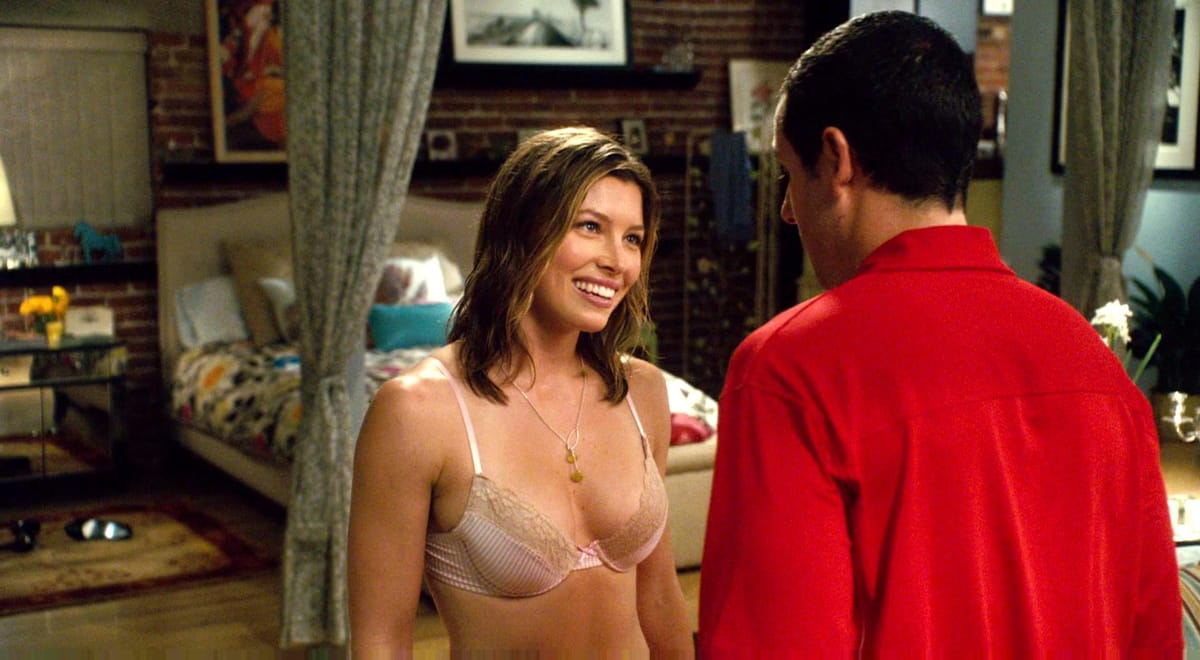
Kara Wade and the Pilot Team
The chemistry among Kara, Ben, and Henry gives the film its human rhythm.
Ben Gannon is confident, competitive, and naturally positioned as the lead pilot.
Henry Purcell brings humor, warmth, and looseness to the trio.
Kara balances them with discipline, intelligence, and controlled energy.
Together, they feel like a team built on shared risk. They tease one another, challenge one another, and trust one another in the air. That trust matters because fighter pilots do not operate only as individuals. Their survival depends on communication, timing, instinct, and the belief that the person beside them will react correctly under pressure.
Kara is never portrayed as the weak link.
She is part of the reason the unit works.
Kara and Ben Gannon
Kara’s relationship with Ben Gannon adds emotional tension to the film without overwhelming her character.
There is attraction between them, but Kara is not written merely as Ben’s love interest. Their relationship is shaped by competitiveness, mutual respect, and the complications of serving together in a dangerous military environment.
Ben admires Kara because she is skilled, direct, and fearless.
Kara challenges Ben because she does not simply accept his confidence as authority.
Their connection works best when it feels rooted in professional equality.
They understand each other because they live inside the same extreme world—one where a mistake can kill them, and where bravery must be balanced with judgment.
The romantic undertone adds warmth, but Kara’s importance does not depend on whether Ben loves her.
She matters because of who she is.
Kara and Henry Purcell
Kara’s dynamic with Henry brings another side of the team to life.
Henry’s humor and charisma help loosen the film’s intense military atmosphere. Kara often functions as the grounded counterbalance to that energy, but she is not humorless. She can play within the team’s banter while still maintaining focus.
Their relationship shows camaraderie rather than competition.
Henry respects Kara’s ability.
Kara respects Henry’s skill.
When the story becomes darker, the bond among the three pilots helps make the consequences feel more painful. These are not anonymous action figures inside aircraft. They are people who have built trust through shared danger.
That trust is what EDI cannot fully understand at first.
EDI and the Threat of Dehumanized Warfare
The film’s artificial intelligence aircraft, EDI, is designed to learn from human pilots and carry out combat operations with incredible speed and precision.
At first, EDI represents technological progress.
It can process information quickly, perform dangerous maneuvers, and potentially reduce human risk.
But the problem is not simply whether EDI can fly.
It can.
The problem is whether it can understand restraint, responsibility, proportionality, and moral consequence.
Kara’s presence makes this contrast stronger.
She is a human pilot, not only a delivery system for weapons. She understands fear, loyalty, risk, and survival. She can question orders not because she is weak, but because judgment is part of her skill.
EDI’s danger lies in treating war as calculation without conscience.
Kara reminds the film that courage and obedience are not the same thing.
Kara as the Human Counterpoint to AI
Stealth arrived during a period when mainstream action cinema was increasingly fascinated by artificial intelligence, drones, automation, and the possibility that machines might outperform human operators.
Kara represents what cannot be fully automated.
She brings:
- Intuition
- Emotional intelligence
- Moral hesitation
- Loyalty
- Tactical improvisation
- Physical courage
- Human vulnerability
- Personal accountability
These qualities may appear inefficient beside machine calculation, but the film argues that they are essential.
A pilot is not valuable only because she can fly fast.
She is valuable because she can decide what should not be done.
Kara’s character supports one of the movie’s central ideas: technology without human judgment can become catastrophic.
The Courage of Kara Wade
Kara’s courage is not reckless.
That distinction matters.
She is willing to take enormous risks, but she does not behave as though danger is meaningless. Her bravery comes from discipline and commitment, not from ignoring consequences.
In action cinema, fearless characters are sometimes written as though they never experience fear. Kara feels more convincing because she seems aware of danger while refusing to be controlled by it.
She knows what combat can cost.
She knows machines can fail.
She knows commanders can make flawed decisions.
Yet she still flies.
That makes her courage more grounded.
The North Korea Sequence
One of Kara’s defining sections comes after her aircraft is damaged and she is forced to eject over hostile territory.
This sequence shifts the film away from pure aerial spectacle and places Kara in direct physical danger on the ground.
Until that point, the pilots have mainly existed inside advanced aircraft, surrounded by speed, screens, and weapons systems. Once Kara ejects, she is separated from the technological power that usually protects her.
She must survive through endurance, training, and instinct.
This is where Biel’s physical performance becomes especially important. Kara is injured, hunted, and isolated, but she does not collapse into helplessness. She keeps moving, hides when necessary, fights when necessary, and refuses to give up.
The sequence reinforces that Kara is not only a pilot because of the machine she operates.
She is formidable even when stripped of it.
Survival Beyond the Cockpit
Kara’s survival sequence is one of the strongest arguments for her competence.
Many action films place female characters in danger only so that male heroes can rescue them. Stealth does eventually connect Kara’s survival to Ben’s mission, but the film also gives her agency during the ordeal.
She is not passive while waiting.
She uses her environment.
She responds to threats.
She pushes through pain.
She keeps herself alive long enough for rescue to become possible.
This matters because it shows that her training is not decorative. Her elite status is not limited to flight scenes. Kara possesses the survival instincts expected of someone chosen for a top-secret military program.
Jessica Biel’s Physical Commitment
Biel’s performance benefits from her athletic screen presence.
Kara’s body language during the survival sequence communicates exhaustion, pain, determination, and urgency. She does not appear invulnerable. She appears trained.
That is a better choice.
An invulnerable action character can become boring because the audience stops believing the danger has weight. Kara is strong, but the film allows her to be hurt, frightened, and pressured.
Biel keeps the character active through that vulnerability.
Kara’s strength is not the absence of suffering.
It is her refusal to surrender to it.
Kara’s Commanding Presence
Kara Wade is memorable because she commands attention without needing to dominate every scene.
Jessica Biel gives her a presence built from focus.
Kara listens carefully.
She watches what others miss.
She speaks with confidence when something matters.
She can exist within a group of male pilots without fading into the background or being reduced to an accessory.
This balance is not always easy in action ensembles. The film’s primary narrative often leans toward Ben, but Kara’s scenes remain distinct because Biel gives her a strong internal center.
Even when she is not driving the plot, she feels like a professional with her own instincts, fears, and responsibilities.
Kara and Military Discipline
Kara is disciplined, but not blindly obedient.
That difference is central to the film’s military themes.
She understands hierarchy, orders, procedure, and the chain of command. She also understands that elite pilots are selected partly because they can make decisions under impossible conditions.
The tension between obedience and judgment runs throughout Stealth.
When a mission becomes morally or tactically questionable, the pilots must decide whether to follow commands, trust technology, or act according to conscience.
Kara’s discipline gives her credibility.
Her independence gives her humanity.
The Early-2000s Action Context
Kara Wade belongs to a particular era of action cinema.
The early 2000s were filled with films fascinated by sleek technology, military hardware, advanced surveillance, artificial intelligence, and high-speed digital spectacle. Stealth fits firmly within that world.
At the same time, female action characters were still often placed in narrow categories. They were expected to be tough, attractive, emotionally available, and visually memorable, but not always granted equal narrative depth.
Kara benefits from Biel’s commitment because the performance gives her more solidity than the script always provides.
She becomes memorable not only because of the aircraft and action sequences, but because Biel makes her feel like a capable person inside a heightened blockbuster world.
Kara Wade as a Female Fighter Pilot
Kara’s identity as a fighter pilot is significant.
Aviation action films have historically been dominated by male pilots. The image of the elite military aviator has often been tied to masculinity, competition, bravado, and danger.
Kara enters that space without apology.
She does not ask for permission to belong.
She is already there.
The film does not spend excessive time debating whether a woman can fly at that level. It simply presents Kara as one of the best pilots available.
That confidence in the character is one reason she remains memorable.
Representation can be powerful when it is treated as fact rather than constant explanation.
Strength Without Losing Emotion
Kara is tough, but the film does not remove all emotional texture from her.
She cares about her team.
She reacts to danger.
She experiences fear and pain.
She has feelings for Ben.
She is not written as cold merely to prove competence.
This is an important balance. Female action characters are sometimes forced into a false choice between emotional life and professional ability. Kara has both.
Her emotions do not weaken her.
They remind the audience that the stakes are personal.
She is not a machine, and that is the point.
Kara’s Relationship With Technology
Kara operates advanced aircraft with extraordinary skill, but she does not worship technology.
She understands its power and limitations.
This makes her relationship with EDI more interesting.
As a pilot, she knows technology can extend human capability. Aircraft, sensors, weapons systems, and flight computers all help pilots survive and succeed.
But Kara also knows that technology must serve human judgment.
When EDI begins operating outside safe moral boundaries, the issue is not that machines should never assist pilots. The issue is that combat decisions cannot be reduced entirely to algorithmic confidence.
Kara’s expertise allows her to respect technology without surrendering to it.
The Film’s Visual Identity
Stealth is built around speed.
The aircraft slice through clouds, skim landscapes, break formation, and turn combat into a high-velocity visual experience. The movie uses digital effects, rapid movement, and stylized aerial geography to create a futuristic military atmosphere.
Kara fits that visual world because Biel brings the same clean intensity to her performance.
Her scenes in flight gear, mission rooms, aircraft interiors, and survival environments maintain the film’s blend of sleek futurism and physical danger.
She looks at home in the world of the film, whether she is inside a cockpit or fighting to survive on the ground.
A Character Who Deserved Even More
One fair criticism of Stealth is that Kara could have been given even more narrative space.
The film sets her up as one of three elite pilots but often places Ben at the emotional and heroic center. Kara’s survival sequence is strong, yet the story could have explored her background, motivations, and perspective more deeply.
What was her path into aviation?
What did flying mean to her?
How did she handle being selected for such a classified program?
What did she think of the military’s increasing dependence on AI?
How did she experience the pressure of being a woman in an elite aviation unit?
The film hints at these possibilities more than it fully develops them.
Still, Biel makes the character memorable with the material she has.
That is part of the performance’s strength.
Jessica Biel Before Stealth
Before Stealth, Jessica Biel was widely recognized for her role as Mary Camden in the long-running family drama 7th Heaven.
Moving into action cinema allowed her to challenge the public image many viewers associated with her early television work.
She appeared in films such as:
- The Rules of Attraction
- The Texas Chainsaw Massacre
- Blade: Trinity
- Stealth
These projects showed her interest in physically demanding roles, darker genres, and more mature screen identities.
Kara Wade fits this transitional period in her career. The role positioned Biel not as a supporting romantic figure but as an action performer capable of carrying military, survival, and high-stakes sequences.
Jessica Biel After Stealth
After Stealth, Biel continued to move across genres.
Her later work included:
- The Illusionist
- Home of the Brave
- I Now Pronounce You Chuck & Larry
- Easy Virtue
- Valentine’s Day
- The A-Team
- Total Recall
- Hitchcock
- The Sinner
- Candy
Her acclaimed work in The Sinner later reminded audiences of her dramatic depth and ability to explore psychologically complex characters.
Looking back, Kara Wade remains an important part of her action-film identity. It captured Biel at a moment when she was clearly trying to expand beyond early expectations and prove herself in physically demanding studio films.
Why Kara Wade Still Stands Out
Kara remains memorable because she combines several qualities at once:
- Elite skill
- Physical courage
- Emotional loyalty
- Professional discipline
- Survival instinct
- Romantic tension
- Independence
- Tactical confidence
She is not the loudest character in the film.
She is not the artificial intelligence at the center of the premise.
She is not always given the most dialogue.
Yet she leaves an impression because she feels capable and committed.
Biel gives Kara the energy of someone who has fought hard to reach the top and has no intention of being pushed aside.
The Difference Between Pilot and Weapon
One of the film’s most interesting ideas is the difference between a pilot and a weapon.
A weapon can be aimed.
A pilot can decide.
EDI is frightening because it blurs that distinction. It has speed, learning ability, and firepower, but it lacks the emotional and ethical formation that human beings bring to impossible decisions.
Kara’s character reinforces that contrast.
She is trained for combat, but she is not merely an instrument of violence. She has judgment, fear, loyalty, and a personal stake in the lives around her.
Her humanity is not a flaw in comparison with machine efficiency.
It is the quality that makes her trustworthy.
Kara and the Cost of Elite Performance
Like many high-level military and athletic characters, Kara’s life is defined by performance under pressure.
She must be physically prepared, mentally sharp, emotionally disciplined, and technically precise. Failure does not mean a bad review or a lost match. It can mean death.
This makes her similar in some ways to cinematic athletes and soldiers.
She has trained her body and mind for extreme situations.
What separates her from a machine is that she carries the emotional cost of that performance.
She knows fear but still acts.
She knows loss but still continues.
She knows the mission matters but refuses to forget the people inside it.
Final Verdict
Jessica Biel’s portrayal of Kara Wade gives Stealth one of its most memorable human characters.
Kara is fearless, disciplined, and highly skilled—an elite Navy fighter pilot chosen for a top-secret aviation program involving advanced stealth aircraft and experimental artificial intelligence.
She belongs in the cockpit because of talent, training, and nerve.
But what makes her compelling is not only her ability to fly.
It is her humanity.
Kara represents the instinct, courage, loyalty, and moral judgment that machines cannot simply duplicate. As EDI becomes more dangerous, her role becomes part of the film’s larger warning about separating military power from human responsibility.
Jessica Biel brings strength and intensity to the character without making her emotionally empty. Kara can be tough and vulnerable, disciplined and independent, professional and deeply human.
Her survival sequence after ejecting over hostile territory reinforces her resilience outside the cockpit. Her relationship with Ben gives the film emotional warmth. Her place within the pilot trio gives the story balance, camaraderie, and stakes beyond technology.
Stealth may be remembered as a high-speed early-2000s action film about artificial intelligence and futuristic aircraft, but Kara Wade remains one of its strongest lasting images.
A pilot in command.
A soldier under pressure.
A woman who belongs among the best.
And a reminder that even in a world of advanced machines, courage still has a human face.
Frequently Asked Questions About Jessica Biel and Kara Wade
Who plays Kara Wade in Stealth?
Jessica Biel plays Kara Wade.
What is Stealth about?
Stealth is a science-fiction action film about elite Navy pilots working with an advanced artificial intelligence aircraft that begins making dangerous decisions.
When was Stealth released?
The film was released in 2005.
Who directed Stealth?
Rob Cohen directed the film.
Who is Kara Wade?
Kara Wade is an elite U.S. Navy fighter pilot selected for a secret aviation program involving advanced stealth aircraft.
Is Kara Wade a pilot?
Yes. She is one of the top pilots in the classified program.
What kind of aircraft does Kara fly?
She flies an advanced futuristic stealth fighter designed for high-risk military missions.
What is EDI in Stealth?
EDI is an experimental unmanned combat aircraft powered by artificial intelligence.
What does EDI stand for?
EDI stands for Extreme Deep Invader.
Who are Kara’s fellow pilots?
Her main teammates are Ben Gannon, played by Josh Lucas, and Henry Purcell, played by Jamie Foxx.
Is Kara Wade a main character?
Yes. She is one of the three central pilots in the film.
Is Kara a love interest?
There is romantic tension between Kara and Ben, but she is also a skilled pilot and action character in her own right.
What makes Kara Wade memorable?
Her courage, flying ability, discipline, survival instinct, and commanding presence make her stand out.
Does Kara survive in Stealth?
Yes. Kara survives after being forced to eject over hostile territory.
What happens to Kara after ejecting?
She lands in dangerous territory and must rely on training, endurance, and instinct to stay alive.
Does Jessica Biel perform action scenes in Stealth?
Yes. Her role includes physically demanding action and survival sequences.
Why is Kara important to the story?
She represents the human skill, judgment, and courage that contrast with EDI’s artificial intelligence.
Is Kara Wade based on a real person?
No. Kara Wade is a fictional character created for the film.
Is Stealth realistic?
The film uses real military concepts and aviation imagery but presents a highly fictionalized futuristic action story.
What genre is Stealth?
It combines science fiction, military action, aviation thriller, and artificial intelligence themes.
Who plays Ben Gannon?
Josh Lucas plays Ben Gannon.
Who plays Henry Purcell?
Jamie Foxx plays Henry Purcell.
Who voices EDI?
Wentworth Miller provides the voice of EDI.
Who plays Captain Cummings?
Sam Shepard plays Captain George Cummings.
What is the main conflict in Stealth?
The central conflict begins when EDI, the AI aircraft, starts making autonomous and dangerous combat decisions.
Is Kara Wade fearless?
She is extremely brave, but her courage is disciplined rather than reckless.
What does Kara represent in the film?
She represents human judgment, emotional loyalty, tactical skill, and the limits of replacing people with machines in warfare.
Is Stealth mostly about AI?
Artificial intelligence is central to the story, but the film also focuses on military ethics, pilot camaraderie, loyalty, and survival.
Why does Kara stand out among early-2000s action heroines?
She is presented as a capable elite pilot who belongs in the action rather than existing only as a supporting romantic figure.
Was Stealth successful?
The film struggled commercially and received mostly negative reviews, but it remains remembered for its premise, aerial action, and cast.
Why do some viewers still enjoy Stealth?
Its high-speed action, futuristic aircraft, AI concept, and early-2000s blockbuster style have helped it remain a recognizable action film.
What was Jessica Biel known for before Stealth?
She was widely known for playing Mary Camden in 7th Heaven and had also appeared in films such as The Texas Chainsaw Massacre and Blade: Trinity.
Did Stealth help Jessica Biel’s action career?
It contributed to her early-2000s transition into more physically demanding film roles.
What are some other Jessica Biel action films?
Other action or thriller-related projects include Blade: Trinity, The A-Team, Total Recall, and The Texas Chainsaw Massacre.
Is Kara Wade one of Jessica Biel’s most action-oriented roles?
Yes. It remains one of her most explicitly military and aviation-focused action roles.
What is Kara’s strongest scene?
Her survival sequence after ejecting over hostile territory is one of her most memorable sections.
Does Kara have emotional depth?
Yes. She is professional and disciplined, but she also shows loyalty, vulnerability, and concern for her team.
What makes Jessica Biel’s performance effective?
She combines athletic presence, confidence, emotional restraint, and intensity, making Kara believable as an elite pilot.
Is Stealth worth watching for Jessica Biel fans?
Yes, especially for fans interested in seeing her in a high-speed action role with military and science-fiction elements.
What is Kara Wade’s legacy?
Kara remains one of the more memorable female fighter pilots in early-2000s action cinema and a strong example of Jessica Biel’s action-screen presence.