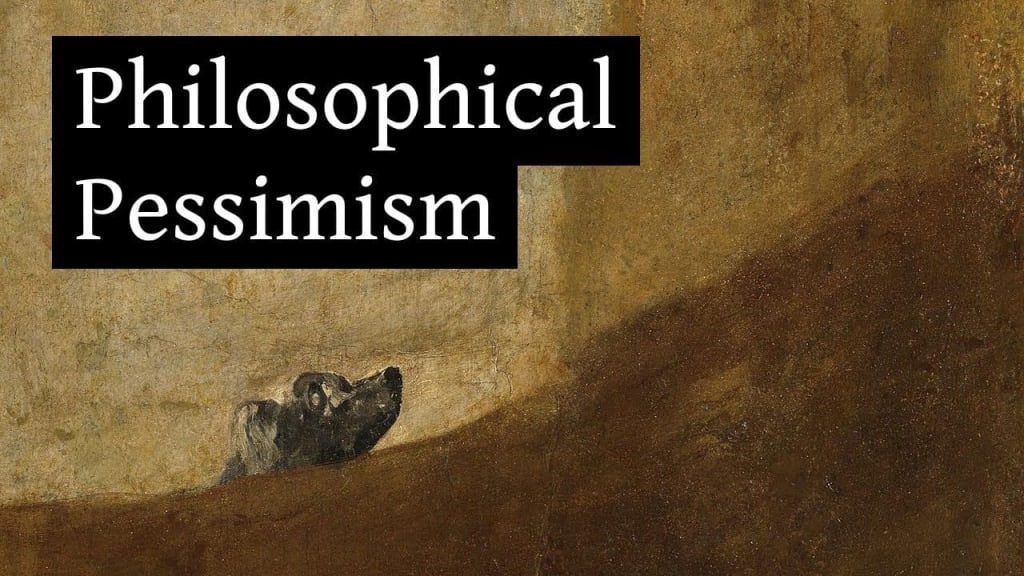
Philosophical Pessimism vs. Toxic Positivity: Finding Balance
Can admitting life is difficult be liberating? Explore philosophical pessimism, toxic positivity, and a kinder approach to realistic hope. Read on.
Someone tells a grieving friend to look on the bright side. A motivational video insists every setback is an opportunity in disguise. The words are intended to comfort, but they can also erase real suffering. Philosophical pessimism versus toxic positivity is not a simple contest between sadness and happiness. It is a disagreement about whether a good life requires us to look honestly at pain or to keep manufacturing reassurance.
Philosophers have long argued that desire, loss and uncertainty are ordinary parts of existence. Modern self-help culture sometimes responds by making optimism feel compulsory. Yet acknowledging difficulty does not mean welcoming despair. A more useful approach combines clear-eyed realism with room for hope, care and practical action. The aim is to stop treating unwanted feelings as evidence that someone is failing at life.
What philosophical pessimism means
Philosophical pessimism is a family of views that emphasize suffering, frustration or limits in the human condition. Arthur Schopenhauer, one of its best-known figures, argued that endless striving repeatedly renews dissatisfaction. The Stanford Encyclopedia's account of his philosophy explains how desire, aesthetic experience and compassion figure within his wider system.
This is more specific than simply having a bad day or expecting the worst. A philosophical pessimist may think the structure of existence makes suffering unavoidable, and then ask what moral attitudes follow. Schopenhauer's account is deeply disputed, but it can challenge the cheerful assumption that every frustration is a temporary obstacle on the way to permanent fulfillment. Sometimes hardship is not a puzzle that personal enthusiasm will solve.
The problem with compulsory optimism
Positive thinking can be helpful when it encourages realistic action or reminds someone that circumstances may change. Toxic positivity, by contrast, is a popular term for pressure to avoid or conceal negative emotions regardless of context. It may appear when a person receives a slogan instead of empathy, or when an employer promotes cheerful attitudes while ignoring dangerous conditions.
The harm is not merely that a phrase sounds shallow. People need room to describe difficulties accurately before they can seek appropriate help. Telling someone that everything happens for a reason may impose a meaning they do not share. Requiring constant gratitude can also make it harder to recognize injustice. A good emotional culture should not demand that every honest account end with a cheerful moral.
Why suffering deserves serious attention
Loss, illness, insecurity and disappointment are not always failures of attitude. Some are conditions of finite life, while others are produced by institutions and choices that can be changed. Treating all pain as a matter of mindset obscures that difference. A person facing discrimination or an unsafe workplace may require collective action or practical protection, not another exercise in gratitude.
Philosophical pessimism can be valuable when it reminds us that suffering is worthy of moral attention. But there is a danger in moving from recognizing suffering to believing nothing can improve. Some hardships can be reduced, and people often find meaning alongside them. The challenge is to understand limits without turning limits into an argument against every possible form of progress.
Epicurus offers a different response
The ancient philosopher Epicurus is often misunderstood as advocating endless luxury. In fact, his ethics distinguished necessary desires from endless status-seeking and valued freedom from disturbance. The Stanford Encyclopedia's account explains how some pleasures can create further distress when pursued without measure. His response to human vulnerability was not compulsory joy but a thoughtful examination of what genuinely satisfies need.
This offers a useful contrast. If a person is unhappy because they cannot achieve every imagined future, expanding desire may not solve the problem. Friendship, basic security and limits on restless comparison may matter more than constant excitement. Yet Epicurean simplicity should not be used to dismiss people struggling with actual poverty or unmet healthcare needs. The distinction between reducing empty craving and accepting deprivation is ethically important.
Hope without denial
Hope becomes more trustworthy when it acknowledges uncertainty. A person may hope that treatment helps while recognizing that results cannot be guaranteed. A community may work toward justice while admitting that progress is slow. Such hope has a practical orientation: it motivates action without demanding a false prediction. It allows people to speak truthfully about suffering while preserving reasons to continue.
Compulsory optimism often confuses confidence with courage. Courage can exist precisely where success is uncertain. A caregiver, student or activist may act because the effort matters, not because the outcome is assured. That distinction protects hope from becoming a performance. People should not have to pretend they are certain in order to be considered strong.
The moral role of listening
One of the most useful responses to distress is a willingness to hear what someone is actually saying. A friend who complains about exhaustion might need companionship, practical help or permission to rest. The listener cannot know which without asking. Instant reassurance can interrupt that discovery. It may signal that uncomfortable feelings are unwelcome, even when the intention is kind.
A better response leaves space for complexity. “That sounds hard” does not deny the possibility of improvement. “Would you like advice or just someone to listen?” treats the person as an agent rather than a problem to be corrected. Philosophy becomes practical here: recognizing suffering can be a form of respect, not a celebration of misery.
When realism turns into resignation
Pessimism also needs scrutiny. Constantly anticipating defeat can narrow attention to evidence of failure and discourage experiments worth trying. A philosophical claim about the difficulty of life is not a prediction about every individual future. People can make choices, institutions can reform and relationships can deepen. If a worldview prevents us from recognizing those possibilities, it may no longer be helping us understand reality.
The goal is not to find a perfectly balanced mood in every circumstance. It is to remain responsive to evidence. When things are bad, we should be able to say so. When a realistic opportunity appears, we should be able to notice it. Neither responsiveness requires treating happiness as a moral obligation.
A kinder emotional realism
Imagine advice that begins by acknowledging reality: this is difficult, you may not control every part of it, and you deserve support. From there, ask which actions are possible and which forms of care would make a difference. Such advice does not need to promise that everything will work out. It respects people enough to tell the truth while staying alongside them.
Philosophical pessimism and optimism both become less useful when turned into rigid identities. The best lesson may be that honesty and hope are not enemies. We can face suffering without worshipping it, value joy without demanding it, and build lives that have room for more than one emotional season.
Responding to hardship without forcing cheerfulness
Suppose a friend says that a difficult period has left them frightened and discouraged. An automatic reply such as “everything happens for a reason” may be intended as kindness, but it can make the friend's suffering feel invisible. A different response begins by acknowledging the situation: that sounds exhausting, and I can understand why it is hard. The listener is not required to endorse every interpretation, only to recognize what is being endured.
After recognition comes the question of what kind of help is welcome. The person may want practical assistance, a quiet companion, useful information or simply space to speak. Offering unsolicited optimism can become another demand: now they must reassure others that they are improving. A thoughtful friend can express hope without insisting on a timeline or predetermined emotional outcome.
Philosophically, this is neither pessimistic surrender nor compulsory cheerfulness. It treats hardship as real while leaving open the possibility of effective action. Sometimes action means pursuing justice or changing material conditions. Sometimes it means rest, treatment or accepting help. The most humane form of hope does not deny uncertainty. It accompanies people through uncertainty while preserving their dignity and agency, even when no uplifting conclusion is immediately available.
Frequently asked questions
Is philosophical pessimism the same as depression?
No. It is a family of philosophical positions about life and suffering, not a mental-health diagnosis. People with different moods can study or reject it.
What is toxic positivity?
A popular term for pressure to maintain a positive outlook even when doing so dismisses pain, injustice or appropriate concern.
Can optimism still be helpful?
Yes. Realistic optimism can support action and coping. The problem arises when optimism becomes compulsory or disconnects from evidence.
How can I support someone without empty reassurance?
Acknowledge the difficulty, ask what kind of support is wanted, and avoid forcing a cheerful interpretation onto their experience.
Sources and further reading
- Stanford Encyclopedia of Philosophy — Schopenhauer
- Stanford Encyclopedia of Philosophy — Epicurus
- Stanford Encyclopedia of Philosophy — Aristotle’s Ethics
Image credits: All three illustrations were created for REVLOX and uploaded to Cloudinary; they are conceptual artwork, not photographs or empirical visualizations.