
Ocean-Cleaning Tech: Can Robots Stop Plastic Waste?
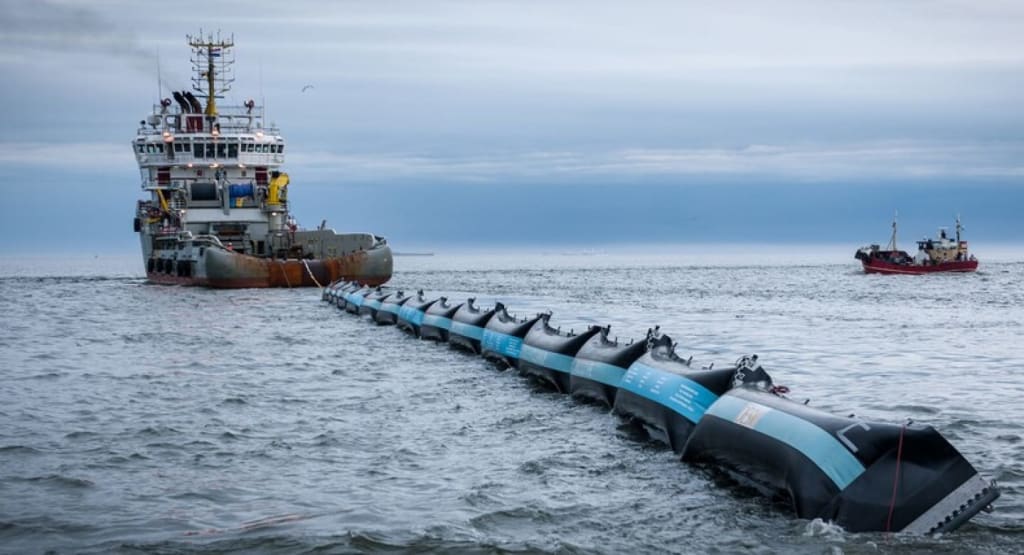
Ocean-cleaning technology is often pictured as a futuristic robot collecting bottles from the open sea. In practice, some of the most useful interventions happen much closer to land. Floating barriers, river interceptors and targeted cleanup vessels can capture larger debris before it breaks into sm
Ocean-cleaning technology is often pictured as a futuristic robot collecting bottles from the open sea. In practice, some of the most useful interventions happen much closer to land. Floating barriers, river interceptors and targeted cleanup vessels can capture larger debris before it breaks into smaller fragments or reaches the ocean. The crucial question is whether these systems remove meaningful quantities safely while addressing the ongoing sources of pollution.
Why rivers are strategic locations
Plastic discarded on land can enter drains and waterways, eventually traveling toward coastlines. Intercepting waste in a river or canal may be easier than tracking individual pieces across a vast ocean. Systems can use barriers to guide debris into collection points where operators remove and sort it. Their performance depends heavily on local river conditions, flooding, boat traffic, maintenance and waste collection infrastructure. A barrier that traps trash but is never emptied is not a lasting solution.
Autonomous systems help, but need operators
Some designs use sensors, solar power or automated conveyor systems to move debris into storage. Drones and computer vision can map hotspots or track floating waste. Automation can reduce repetitive work, yet still requires human supervision, repair crews and safe disposal pathways. Devices must avoid obstructing navigation or harming aquatic life. A successful pilot in a calm canal may not transfer directly to a fast, heavily flooded river.
Revlox editorial illustration: ocean cleaning technology.
What cleanup numbers mean
The Ocean Cleanup reported collecting more than 25 million kilograms of trash from aquatic environments during 2025. That is the organization’s own operational reporting and includes different cleanup activities, not a universal measure of how much plastic has been prevented from reaching the sea. Independent evaluation should examine sustained capture, material composition, ecological effects and the share of local waste actually intercepted. Large headline totals need context.
Prevention has to work upstream
Cleanup cannot keep pace indefinitely if plastic waste continues to enter waterways unchecked. Better waste collection, product design, deposit-return systems and reduced leakage tackle the source. Even recovered plastic may be contaminated or hard to recycle economically. The broader goal is not simply to fill collection barges; it is to reduce the amount of waste entering ecosystems in the first place.
Revlox editorial illustration: ocean cleaning technology.
What a credible project should publish
Useful evidence includes collection methods, measured weights, operating days, downtime, treatment of bycatch and where the collected material ultimately goes. Local communities should understand who maintains the system and how it performs during severe weather. A promising ocean-cleaning device is one component in a waste-management system, not a technological excuse to keep producing and discarding plastic without consequence.
How to compare cleanup claims
Compare not just tonnes collected, but operating cost per tonne, local leakage reduction, contamination levels and verified disposal destinations. Consider flood performance and whether equipment blocks fish or boats. Projects should publish baselines so their progress can be interpreted against the surrounding waste stream. A responsible program measures prevention as well as recovery, because a cleaner river is ultimately more important than a larger pile of intercepted trash.
Key takeaway
Ocean-Cleaning Tech deserves attention because technology changes more than what devices can do. It changes costs, incentives and the choices available to people. The most useful approach is to separate demonstrated results from ambitious claims, consider real-world constraints and ask who benefits, who bears the risks and how progress will be measured.
Frequently asked questions
Can ocean-cleaning robots remove microplastics?
Most barrier and interceptor systems primarily target larger floating debris; dispersed microplastics are much harder to remove.
Is cleanup enough to solve ocean plastic pollution?
No. Effective waste prevention and collection on land are essential alongside responsible cleanup projects.


