Beyond Bali: 8 Underrated Travel Destinations in Indonesia That Deserve Your Next Trip
Bali still earns its fame. The beaches are beautiful, the villas are seductive, the food scene is polished, and the island has become the easiest shorthand for an Indonesian escape. But Bali is also a distortion. Indonesia is the world’s largest archipelago, with more than 17,000 islands, and once you step outside Bali’s orbit, the country starts to feel less like one destination and more like an entire continent of moods: spice-island history, highland ritual landscapes, empty reefs, savannah roads, granite beaches, and villages that still move to older rhythms.
That is why the best Indonesia trip in 2026 may not be Bali at all. It may be a quieter island with giant granite boulders off Sumatra. It may be a marine park north of Java. It may be a village in Flores reached only after a long trek. Or it may be a forgotten old port in Maluku, where nutmeg once changed the world and the sea still arrives in impossible shades of blue. Official Indonesian tourism pages and current travel guides keep pointing in the same direction: there is a far richer map waiting beyond the country’s most famous island.
This is a guide to the best underrated travel destinations in Indonesia except Bali: places that still feel fresh, textured, and rewarding for travelers who want more than the standard feed-friendly itinerary. Some are easy to reach. Some require patience. All of them are worth the detour.
Why travel beyond Bali now?
Because Indonesia gets better when it gets less obvious.
Bali is built for immediate gratification. Much of the rest of Indonesia is built for discovery. The difference is not just about crowd levels. It is about atmosphere. Beyond Bali, you trade polished convenience for places that still feel shaped by geography, weather, local ritual, and the sheer scale of the archipelago. Rough Guides’ current coverage of “Indonesia beyond Bali” highlights exactly this broader appeal, steering travelers toward places like the Togean Islands and Tana Toraja for experiences Bali simply cannot replicate.
You also get contrast. In one country, you can move from Belitung’s brilliant white beaches and granite formations to Toraja’s funeral culture and mountain villages, then onward to Banda Neira’s spice-trade history or Sumba’s megalithic tombs and horse-country landscapes. That kind of variety is the real Indonesian luxury.
1. Belitung: white sand, giant granite, and a gentler island pace
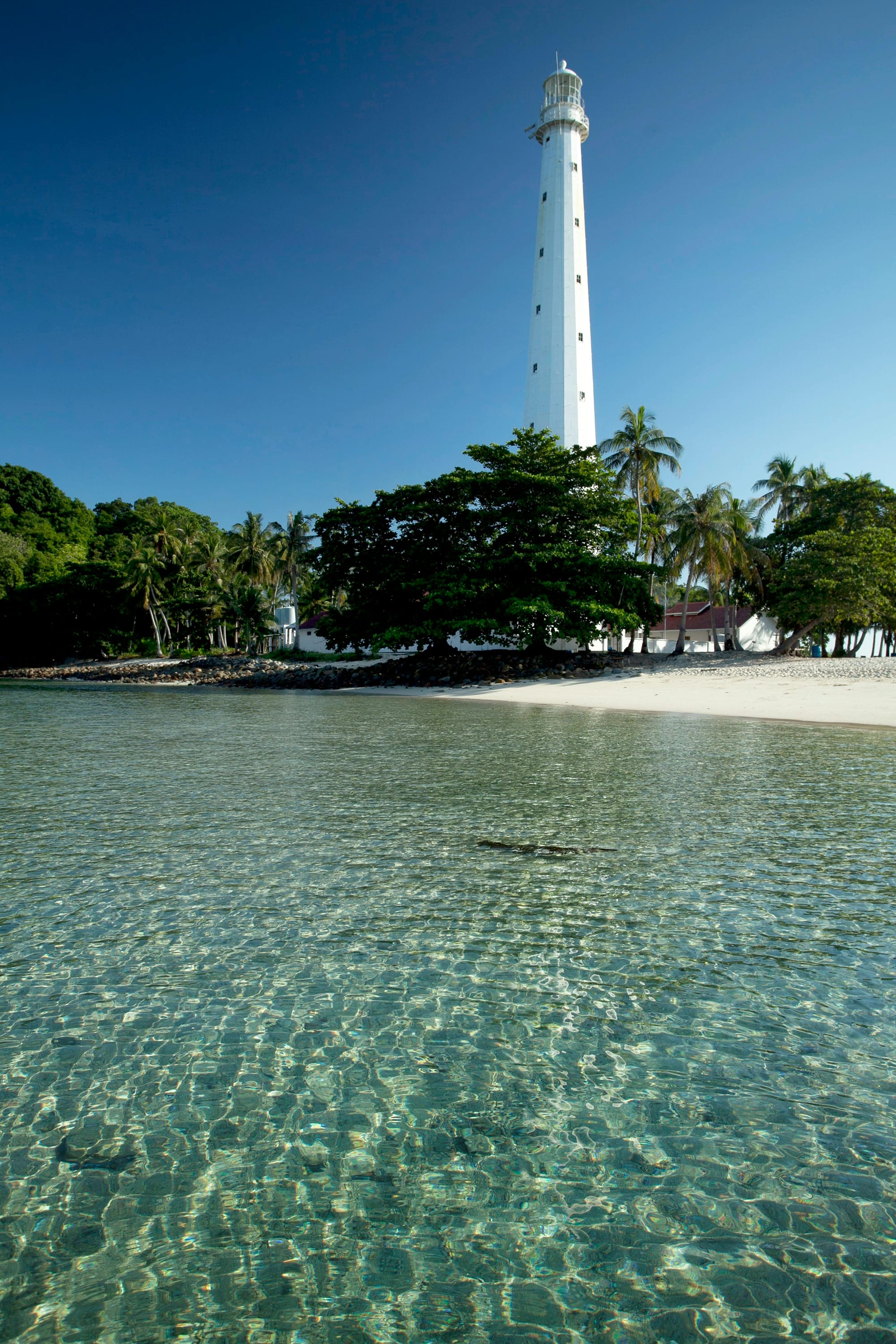
If you want the tropical beauty people chase in Bali but with far fewer people elbowing for the same sunset, start with Belitung. Official tourism material describes the island as blessed with divine beaches, unsullied sea, and striking granite boulder formations, especially around Tanjung Kelayang, where the coast looks almost sculpted rather than naturally formed. Time Out’s recent guide makes the same point more stylishly: Belitung feels peaceful, photogenic, and still oddly underexposed for a place this pretty.
What makes Belitung special is not just the beach itself, but the texture around it. The huge granite slabs turn the shoreline into something halfway between geology and fantasy. Boat trips out toward Lengkuas Island remain a big part of the appeal, and the island’s quieter energy makes it a strong fit for couples, families, and travelers who want sea views without Bali’s constant performance of leisure.
Belitung works especially well as a short escape. It is the kind of place where a long lunch by the water, a slow island-hop, and one excellent sunrise can feel like enough.
2. Karimunjawa: Java’s underrated marine escape
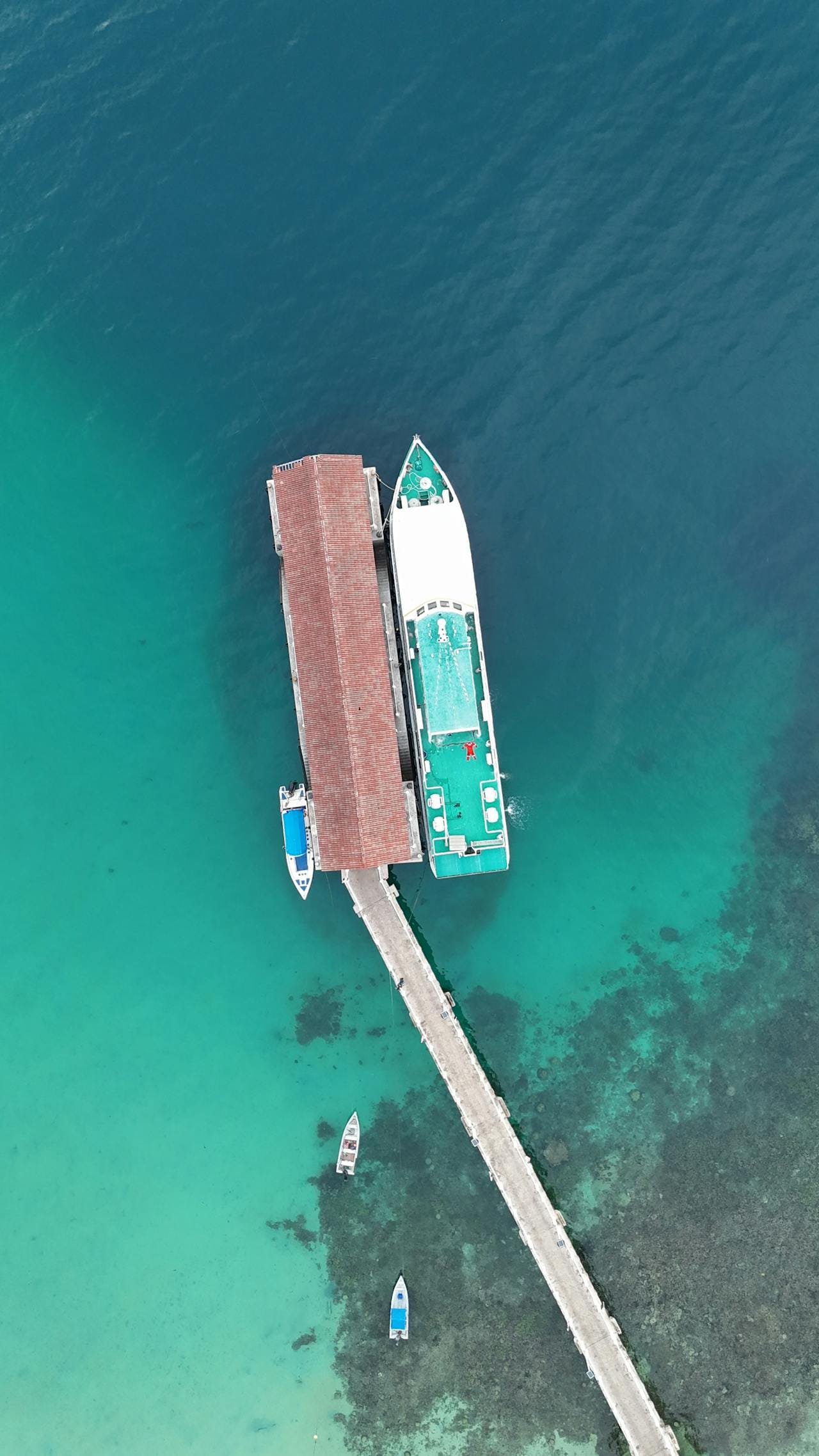
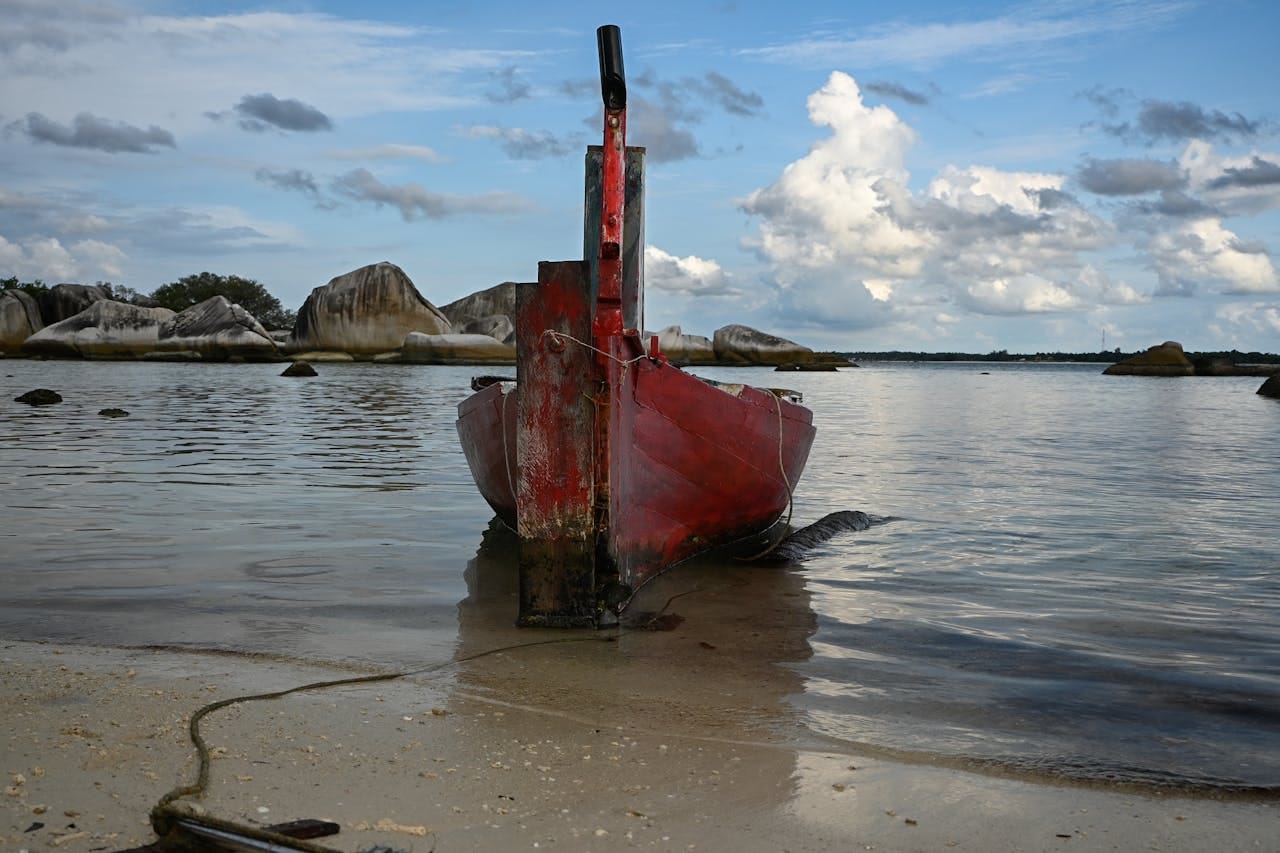
For travelers who want an island break without going deep into eastern Indonesia, Karimunjawa is one of the smartest picks in the country. Official tourism information describes it as a 27-island archipelago in the Java Sea with white-sand beaches, coral reefs, and strong marine biodiversity, developed as a marine-park destination but still far less internationally saturated than Bali or the Gilis.
The appeal here is simplicity. Karimunjawa is about snorkeling, slow boats, beach time, coral gardens, and the kind of sea-day rhythm that does not require much explanation. It is not trying to be fashionable. That helps. For many travelers, it feels like the version of island Indonesia that existed before every coastal destination learned to market itself as a lifestyle brand.
Official guidance also notes that the calmer-weather window generally runs from April to October, which helps if your trip is built around reef time and ferries rather than culture-heavy inland stops. If Bali feels overdesigned to you, Karimunjawa may be the reset button.
3. Wae Rebo: the mountain village above the clouds
Some places earn their mythology. Wae Rebo is one of them.
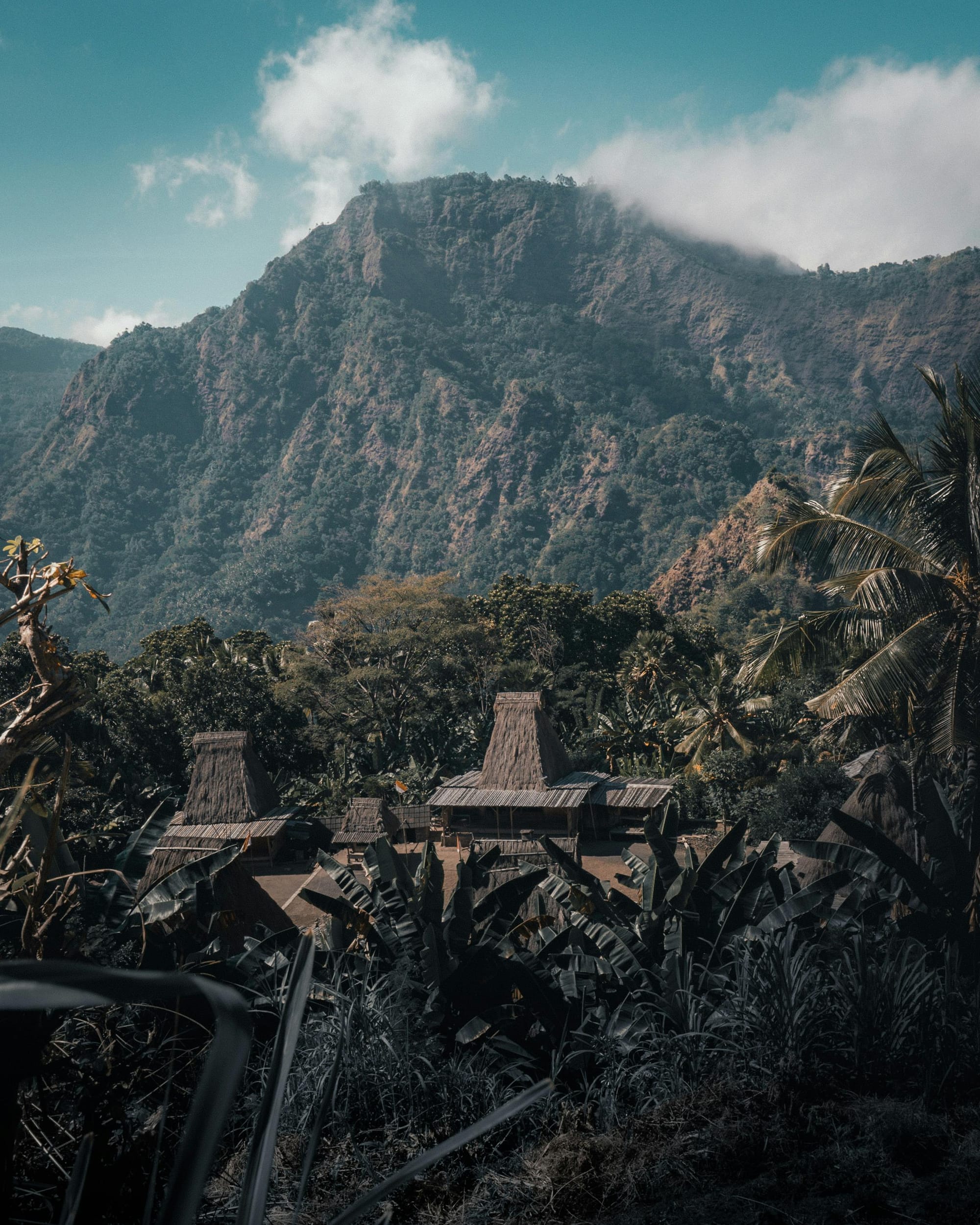
Official Indonesian tourism coverage calls it “the land above the clouds,” and the phrase does not feel like marketing fluff once you see the setting: a traditional Manggarai village hidden in the mountains of Flores, sitting at around 1,088 meters above sea level, surrounded by mist, green hills, and a silence that feels carefully protected rather than accidental. The village is known for its seven cone-shaped Mbaru Niang houses and for preserving ancestral customs in a setting that still feels genuinely remote.
This is not a casual stop. Reaching Wae Rebo still involves effort, and that effort is part of the destination’s meaning. You do not roll in by beach shuttle and leave with a smoothie photo. You arrive more slowly, which makes the place feel less consumed by tourism than many “cultural experiences” elsewhere in Southeast Asia.
Wae Rebo is one of the best answers to the question, Where in Indonesia still feels sacred? Not sacred in the polished resort sense. Sacred in the older sense: elevated, remote, carefully held.
4. Tana Toraja: one of Indonesia’s most unforgettable cultural landscapes
Tana Toraja is not underrated because it is unknown. It is underrated because far too many Indonesia itineraries still skip it.
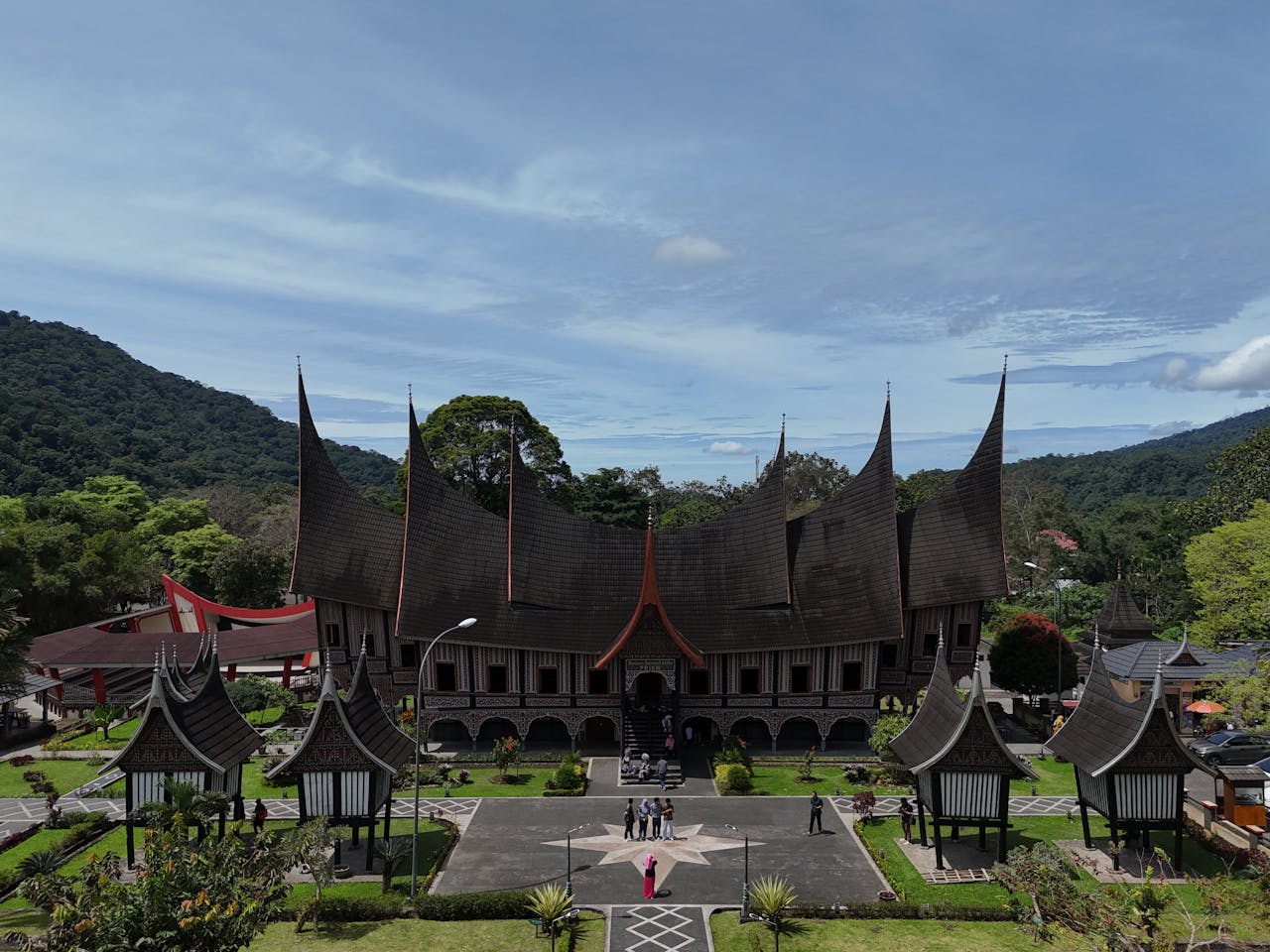
Official tourism pages describe Toraja as a highland region in South Sulawesi where age-old beliefs, rituals, and traditions still shape life, even as the area has opened to the outside world. The landscape alone is enough to justify the trip: central highlands, granite cliffs, rice terraces, and villages with dramatic tongkonan houses whose roofs lift like carved prows. But the real reason travelers come is culture. Toraja’s ceremonial life, especially its death rites and funerary traditions, remains among the most distinctive cultural experiences in Indonesia.
That said, Toraja is not a spectacle park, and it should not be treated like one. The strongest current travel writing around the region emphasizes etiquette, respect, and the fact that ceremonies are living communal events rather than tourist shows. Visit with curiosity, yes, but also with restraint.
Toraja rewards travelers who want more than beaches. It gives you Indonesia at its most layered: landscape, architecture, ritual, memory, and belief all folded into the same mountain air.
5. Togean Islands: the castaway dream that still feels earned
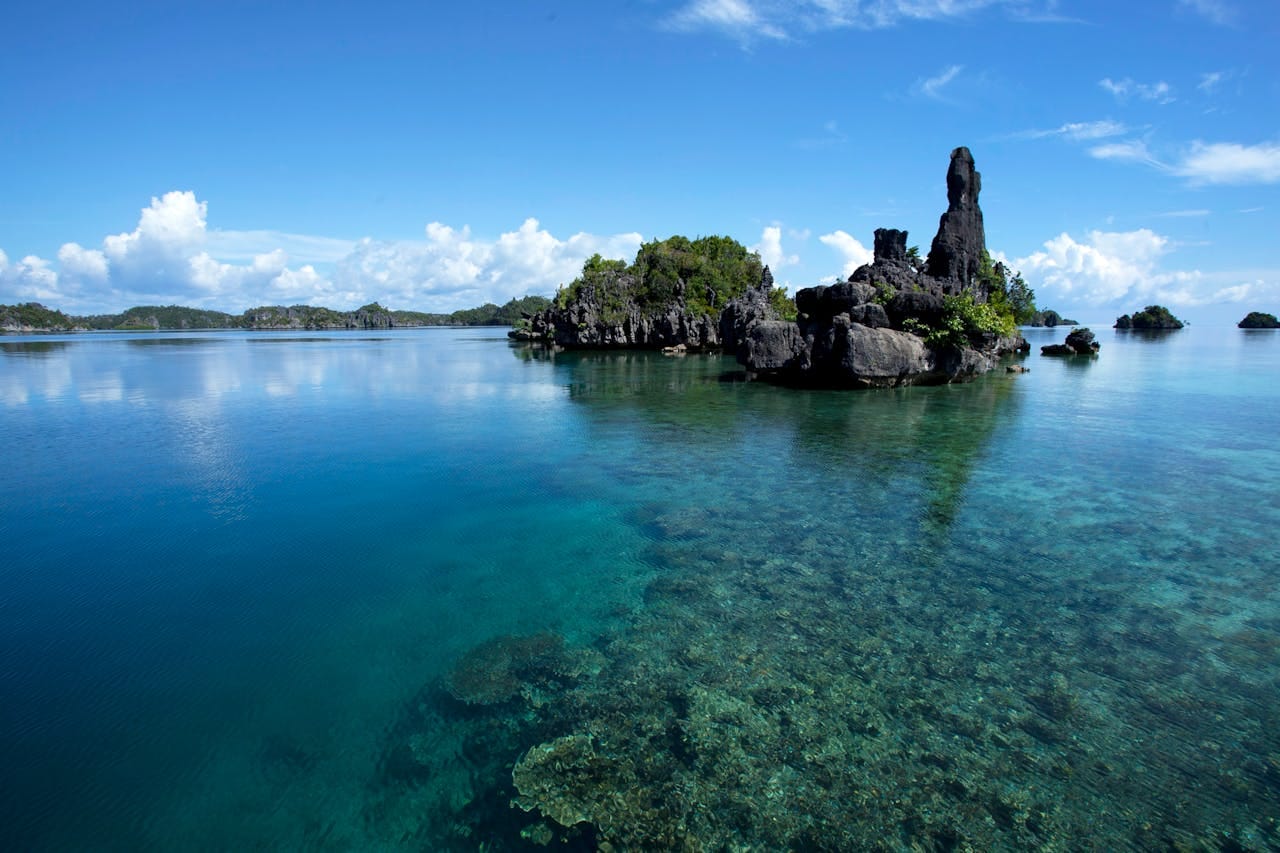
If you want a true hidden gem in Indonesia, the Togean Islands are one of the strongest cases.
Official tourism material describes the archipelago as one of the jewels of Central Sulawesi, with reefs, isolated white-sand beaches, rainforest, and traditional Bajau fishing communities. Rough Guides calls the Togeans one of the country’s most beautiful island groups and notes, correctly, that getting there still takes commitment. That logistical friction is a big reason they remain underrated. Mass tourism rarely goes where transfers are annoying.
The reward is remoteness with texture. You get island-hopping, reef life, village encounters, and the specific pleasure of being somewhere that still feels more backpacker-lore than algorithmic obsession. The Togeans are not polished. That is part of their beauty.
This is the place for travelers who like a little unpredictability in exchange for a much stronger sense of having actually gone somewhere.
6. Derawan Islands: sea turtles, Kakaban, and one of Indonesia’s most underrated marine worlds
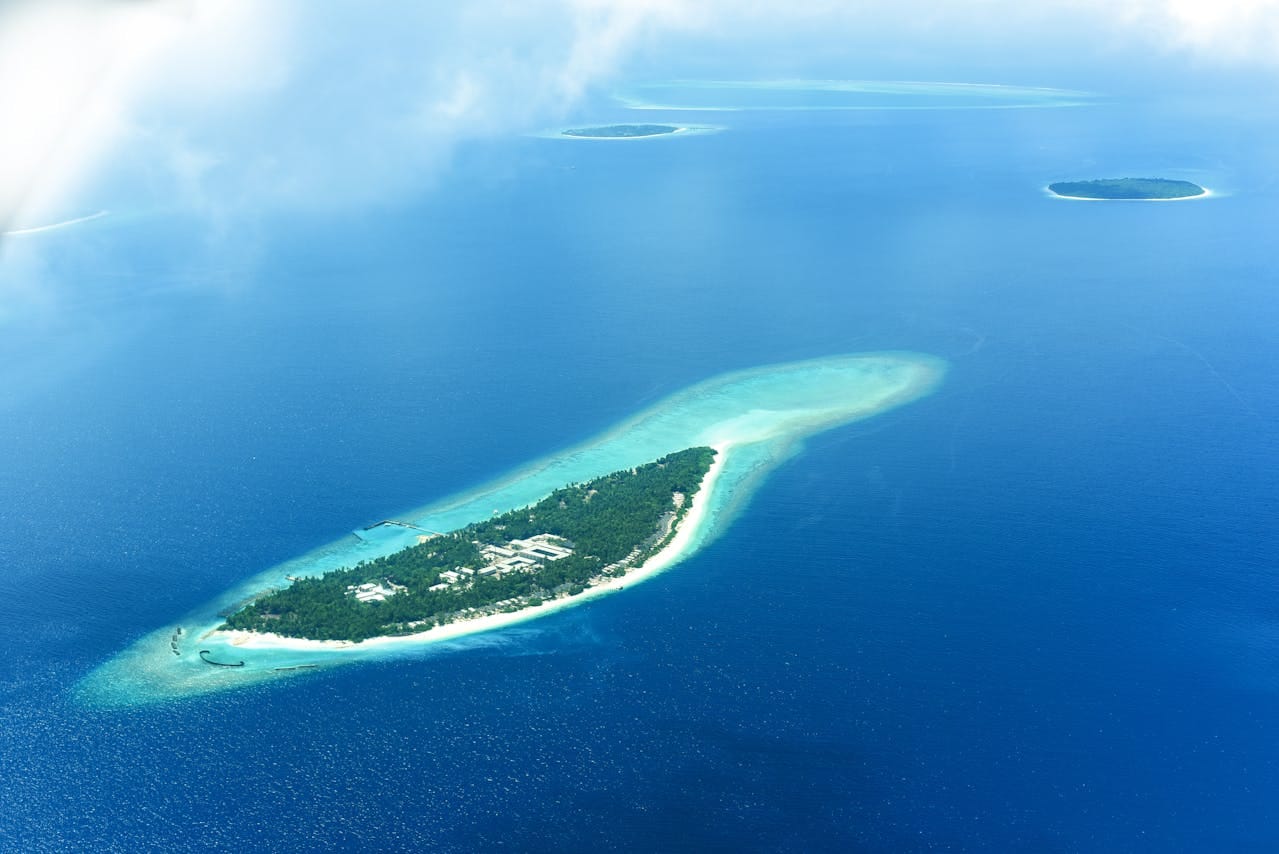
The Derawan Archipelago deserves to be much more famous than it is. Official Indonesian tourism material describes it as a 31-island cluster off East Kalimantan, known for giant green turtles, hawksbill turtles, extensive marine conservation waters, high coral diversity, and standout islands such as Derawan, Maratua, Sangalaki, and Kakaban.
If that sounds good already, the headline attraction makes it even better: Kakaban Island, where official tourism pages highlight the rare chance to swim with stingless jellyfish in a landlocked lake formed within a coral atoll. It is one of those experiences that sounds invented until you are actually in the water.
What makes Derawan especially compelling is that it can satisfy both the laid-back island traveler and the diver or snorkeler chasing serious marine life. It has turtles, reef systems, remote-island energy, and just enough difficulty in access to keep the vibe from tipping into overdevelopment. Indonesia has many beautiful seas. Derawan is one of the least overtalked.
7. Sumba: Indonesia’s wild, cinematic answer to Bali fatigue
If Bali feels too finished for you, Sumba may be the island you are really looking for.
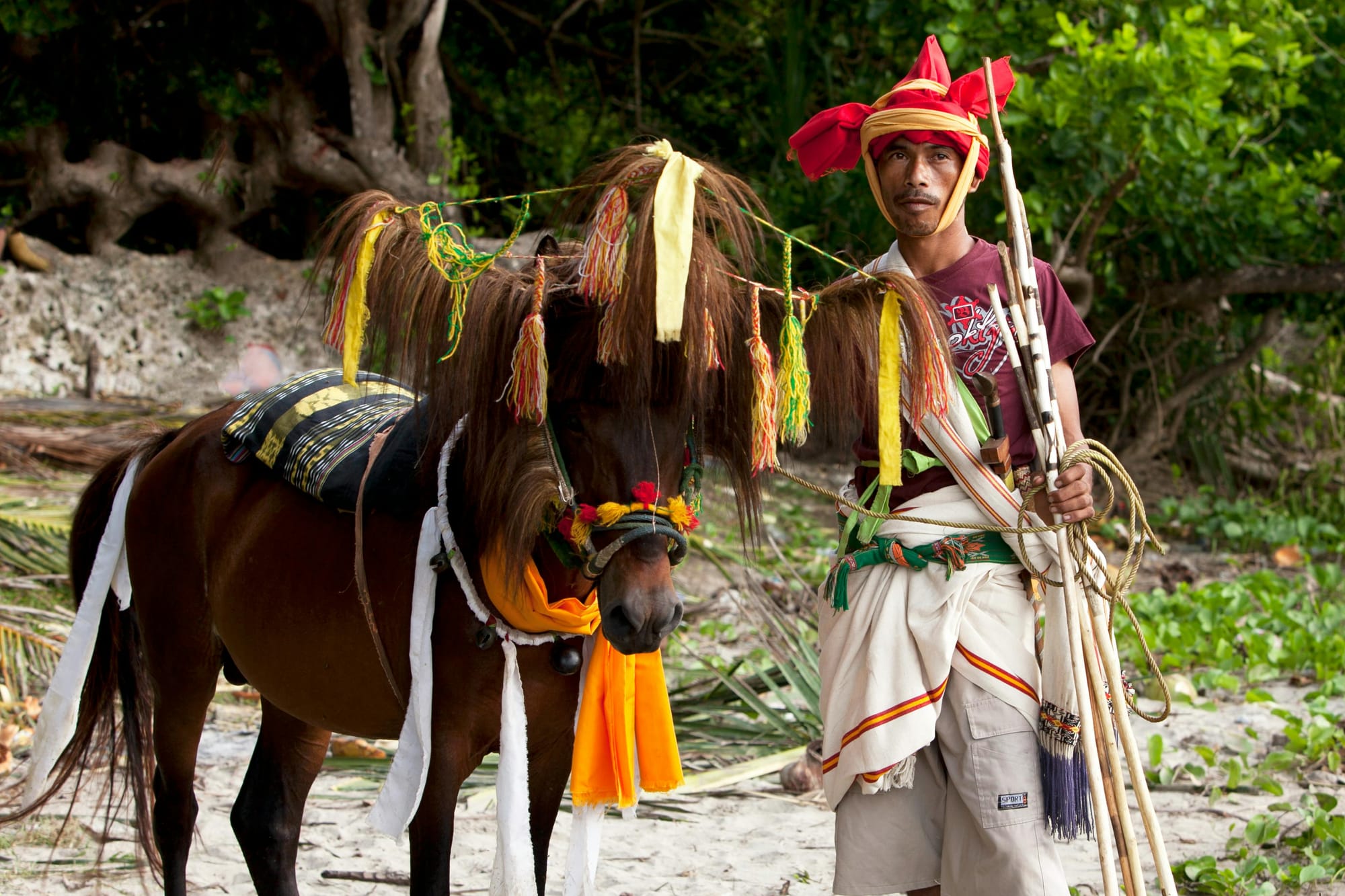
Official Indonesian tourism material describes Sumba through its undulating savannah, low limestone hills, hilltop villages, megalithic tombs, Marapu belief, tenun ikat weaving, and its direct exposure to the Indian Ocean. Vogue’s travel coverage frames the island as a place for in-the-know travelers, one that still feels culturally preserved, visually dramatic, and largely free of Bali-style tourist clutter.
What makes Sumba so seductive is the contrast. It is dry where Bali is lush, spacious where Bali can feel compressed, and older in atmosphere. Villages do not feel curated into existence for visitors. They feel lived. The roads run through savannahs and coastal cliffs rather than endless café corridors. Even when luxury resorts enter the story, they exist against a much bigger island personality.
Sumba is also one of the most photogenic islands in Indonesia without feeling overprocessed. It is good for road trips, weaving villages, horses, dramatic coastlines, and travelers who like their beauty with a little dust still on it.
8. Banda Neira: history, nutmeg, and a spectacular sense of distance
If your taste runs toward places with deep historical atmosphere, Banda Neira may be the most rewarding destination on this list.
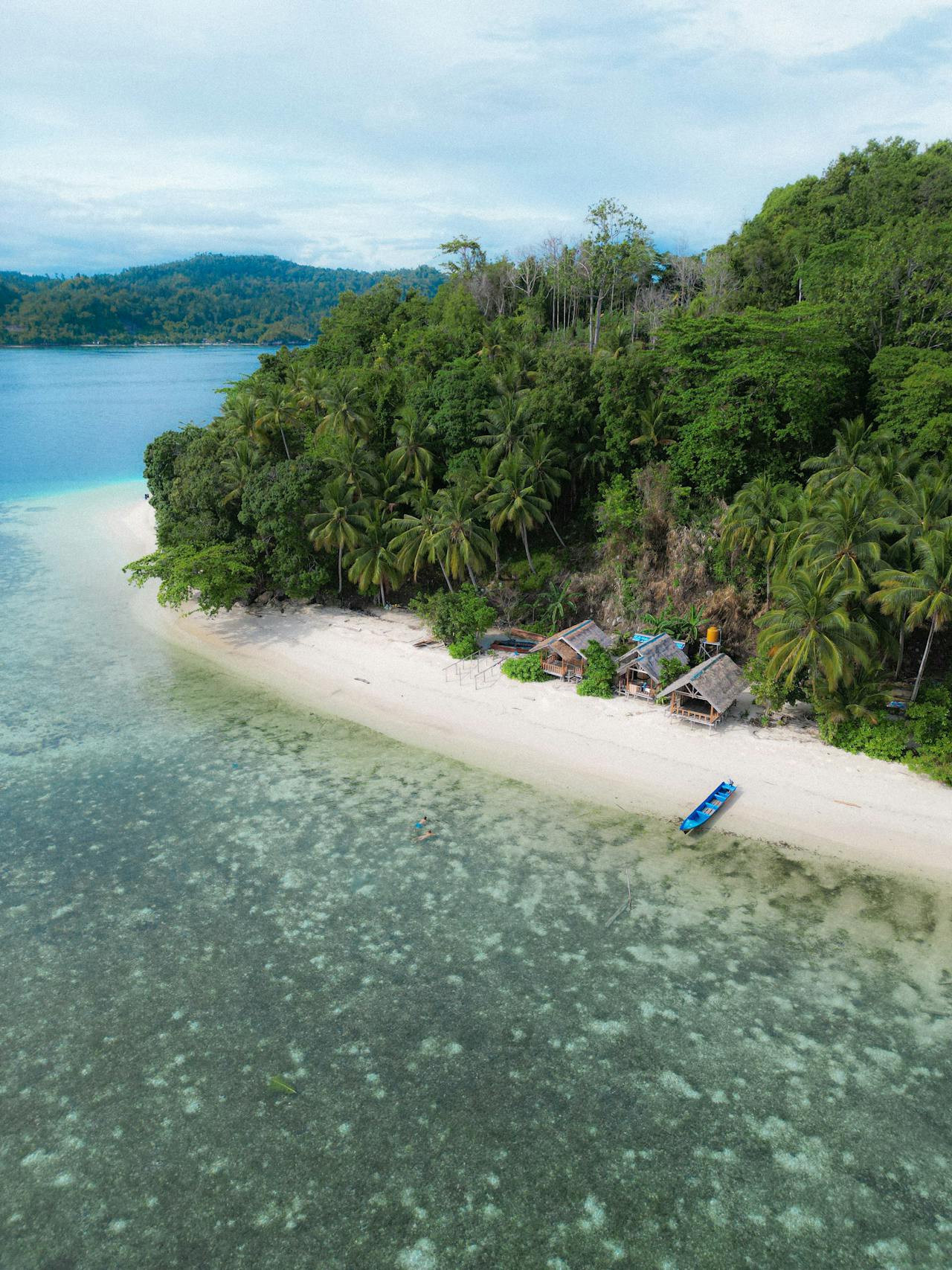
Official Indonesian tourism pages describe Banda Neira as one of the volcanic islands of the Banda Archipelago, the old Spice Islands, where nutmeg and mace once made these islands globally consequential. Today, the same pages pitch Banda as both a historically significant destination and an internationally recognized diving spot, surrounded by clear water, coral, and old-world atmosphere.
This is not a beach holiday in the Bali mold. It is a place of forts, harbor views, clove-and-nutmeg memory, slow boats, and the kind of historical weight that changes how you see the landscape. Rough Guides describes Banda among the most beautiful and unspoilt island destinations in Indonesia, and that feels right. The beauty is there, but so is the sense that the place has outlived several empires and is not especially interested in hurrying for you now.
The only catch is access. Official tourism guidance is clear that most travelers route through Ambon, and that weather and schedule unpredictability remain part of the experience. But for many travelers, that only adds to Banda’s appeal. Remote places are rarely unforgettable by accident.
How to choose the right underrated Indonesian destination for your trip
The best destination depends on what kind of traveler you are.
If you want an easy tropical escape, start with Belitung or Karimunjawa. If you want culture and altitude, choose Wae Rebo or Tana Toraja. If you want reef-heavy remoteness, look at the Togeans or Derawan. If you want a road-trip island with strong identity, choose Sumba. And if you want history with your sea views, make it Banda Neira.
The bigger planning tip is to resist trying to do too much. Indonesia’s scale punishes overambition. Rough Guides’ trip-planning advice recommends keeping a 10–14 day itinerary to just a few regions instead of trying to cram the entire country into one trip. That advice is especially important once you leave Bali, because the magic of these places often lies in the slower edges: ferries, village roads, reef days, and weather delays that become part of the story.
Final word: the best Indonesia trip may be the one nobody suggested first
The problem with Bali is not Bali. It is the way Bali has come to stand in for Indonesia itself.
Once you move past that habit, the country opens up beautifully. Belitung gives you beaches without the circus. Karimunjawa gives you Java’s island calm. Wae Rebo offers mountain stillness and cultural depth. Toraja gives you one of Southeast Asia’s most haunting cultural landscapes. The Togeans and Derawan turn remoteness into reward. Sumba feels wild in the best way. Banda Neira reminds you that some of the most extraordinary places in the world are still hard enough to reach that they have not been flattened into sameness.
So if you are planning an Indonesia trip and asking where to go beyond Bali, take that question seriously. It may be the smartest travel decision you make all year.