The American Bison Is Breeding Again in Sonora—A Small Birth With Big Ecological Meaning
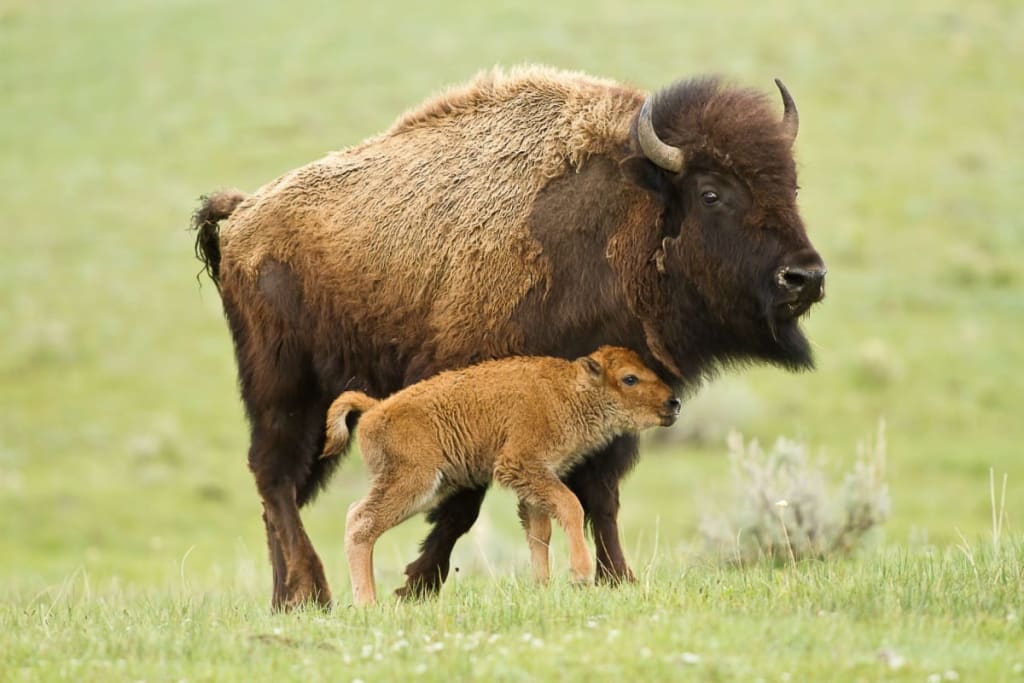
After more than two centuries of absence from this part of northern Mexico, the American bison is breeding again in Sonora. In April 2026, conservationists confirmed the birth of the first bison calf recorded in the wild in Sonora within a newly reintroduced herd at Cuenca Los Ojos, near Agua Prieta. Local reporting says the herd had arrived from the Janos Biosphere Reserve in Chihuahua, and with the calf’s arrival the Sonora group rose from 29 to 30 animals.
That may sound like a small milestone—just one calf in one herd—but ecologically it is much bigger than that. A first birth is not only a feel-good conservation headline. It is evidence that the animals are doing more than merely surviving after relocation. It suggests that the habitat, timing, forage, and stress conditions are good enough for the herd to begin establishing itself. In other words, the project is no longer only about moving bison into Sonora. It is now about whether bison can begin to belong there again.
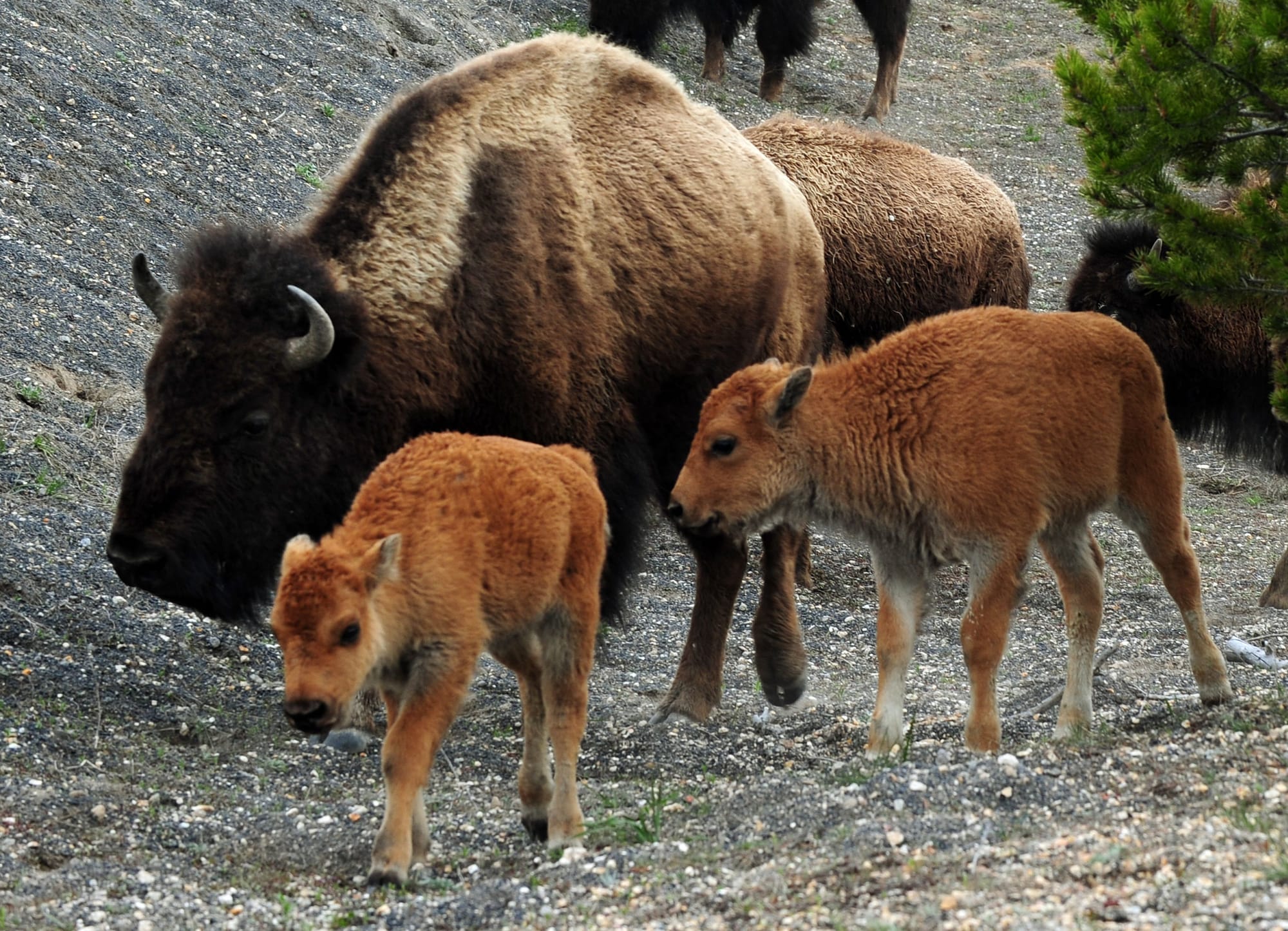
The Sonora herd is part of a broader northern Mexico restoration story tied to the recovery of bison in and around Janos, where conservation efforts have rebuilt a much larger population over the past two decades. Recent reporting from El País noted that bison reintroduced to the Janos region had grown to more than 500 animals by 2025, turning the area into one of the most important bison strongholds in Mexico. That wider success matters because it explains why Janos could serve as a source population for newer reintroduction work in neighboring landscapes.
What makes the Sonora calf especially meaningful is that bison are not just symbolic animals. They are often described as ecosystem engineers. Reporting on the Sonora birth quoted reserve leadership explaining that bison help restore grassland systems through their grazing, movement, and nutrient cycling. As they feed and move, they influence vegetation structure, disturb soil, spread seeds, and help maintain healthier prairie dynamics. That is why bison restoration is usually about more than the species itself. It is also about reviving the ecological processes of open grasslands.
This matters especially in northern Mexico, where prairie and grassland systems have long been under pressure. The Janos region has been described as Mexico’s last great prairie, and conservationists have repeatedly emphasized that healthy bison populations support broader biodiversity, including predators, migratory birds, and other grassland species. A newborn calf in Sonora therefore represents not just population growth, but the possibility of restoring a more connected northern grassland landscape across state lines.
There is one detail worth clarifying, though. Some of the celebratory summaries online suggest that the calf proves the herd has already fully adapted to Sonora. That should be stated more carefully. Local reporting notes that the mother likely arrived already pregnant from Chihuahua, given the roughly nine-month gestation period of bison. So the calf is not proof that breeding began only after arrival in Sonora. But it is still an important sign that the relocated herd remained healthy and undisturbed enough for the pregnancy to continue successfully and for the calf to be born under wild conditions there.
That nuance does not diminish the achievement. If anything, it makes the conservation story more mature. Ecological restoration is rarely a single dramatic moment. It is usually a chain of careful steps: habitat protection, source-population recovery, translocation, adaptation, monitoring, and then, if things go well, reproduction. The calf in Sonora belongs to that longer chain. It is not the end of the story. It is the first sign that the next chapter may be possible.
And that is why this birth matters so much. After roughly 200 years of absence from Sonora, the American bison is no longer only a returning animal. It is becoming, however slowly, a living part of the landscape again. One calf is not a restored ecosystem. But in conservation, one calf can be the difference between a herd that was placed somewhere and a herd that has started to make a future there.