
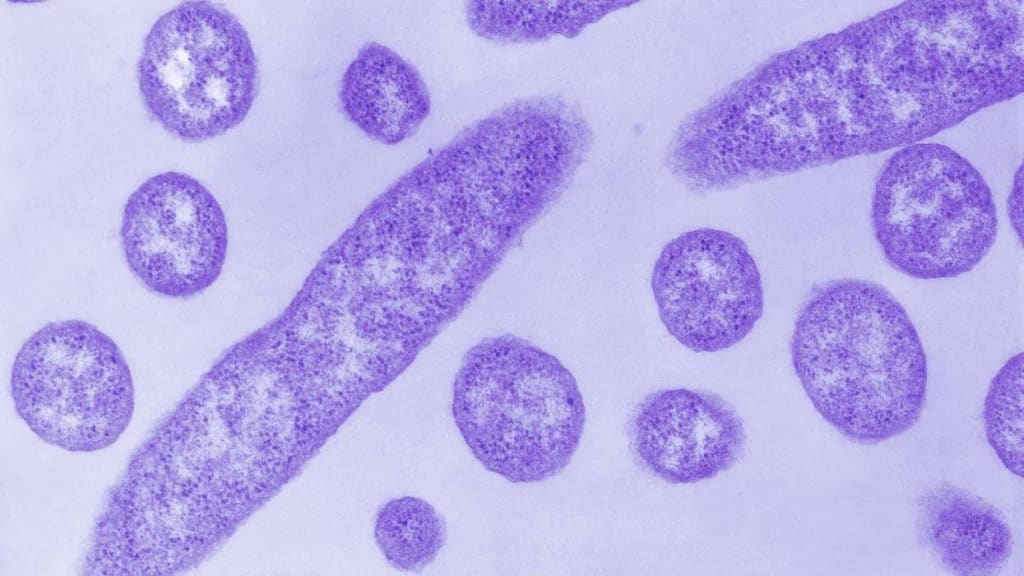
NYC Legionnaires’ Disease Outbreak: Four Dead as Cooling Towers Come Under Scrutiny
A localized outbreak of Legionnaires’ disease on Manhattan’s Upper East Side has now killed four people, with at least 76 cases identified as of July 21, 2026.
The latest official figures have therefore overtaken earlier reports that listed three deaths and 74 cases. Seven patients remained hospitalized, while 53 had been discharged after treatment. Health officials said no new infections had been reported for more than a week, suggesting that the source of exposure had probably been eliminated.
The outbreak has primarily affected the Carnegie Hill and Yorkville areas, including ZIP codes:
- 10028
- 10075
- 10128
Investigators found evidence of Legionella bacteria in numerous cooling towers throughout the area. Buildings with positive preliminary tests were ordered to clean and disinfect their systems, while inspections and enforcement actions continued.
Legionnaires’ disease is a potentially severe form of pneumonia caused by inhaling tiny water droplets containing Legionella bacteria.
It is not usually transmitted from one person to another.
Instead, outbreaks generally occur when the bacteria grow inside human-made water systems and are released into the air as mist.
The current cluster has renewed concern about cooling-tower maintenance, aging infrastructure and the wider national rise in reported Legionnaires’ disease.
What Is the Current Death Toll?
The outbreak’s death toll reached four on July 21, according to the New York City Health Department and updated reporting from ABC News.
At least 76 people had been diagnosed. Of those, seven remained hospitalized, 53 had been discharged, and others either recovered without hospitalization or were continuing to recuperate at home.
The situation changed rapidly.
Earlier reports issued on July 19 and July 20 stated that three people had died. That figure was correct at the time but became outdated when a fourth death was confirmed.
This is an important reminder that public-health outbreak numbers can change from one day to the next.
Residents should rely on the latest New York City Health Department updates rather than older social-media posts or news summaries.
Where Is the Outbreak Happening?
The main investigation zone covers portions of Manhattan’s Upper East Side, particularly Carnegie Hill and Yorkville.
The affected ZIP codes are 10028, 10075 and 10128.
The city reported that approximately 160 cooling towers were registered across these ZIP codes, although not all were operating or located inside the immediate investigation zone. Officials described the area as having a particularly high concentration of cooling towers.
Testing identified Legionella in dozens of cooling towers associated with apartment buildings, schools, museums and other properties.
The positive preliminary results did not necessarily prove that every tower caused human infections. Molecular and culture testing is needed to identify live bacteria and determine whether a particular strain matches organisms recovered from patients.
Nevertheless, buildings with positive screening results were ordered to clean and disinfect their cooling towers immediately.
Has the Source Been Eliminated?
Health officials believe the likely source of exposure has been eliminated.
The number of new cases fell sharply after the mid-July peak, and no new symptom-onset cases had been reported for more than a week by the latest update. All towers ordered to undergo remediation had reportedly completed the required cleaning and disinfection.
That does not mean the investigation is completely finished.
Officials are continuing to inspect systems, review maintenance records and determine which contaminated cooling tower—or towers—was directly responsible.
It also takes time for Legionnaires’ cases to appear because symptoms usually develop between two and 14 days after exposure, although longer incubation periods can occur.
A decline in new cases is encouraging, but public-health teams must continue monitoring until the expected incubation window has passed.
What Causes Legionnaires’ Disease?
Legionnaires’ disease is caused by bacteria belonging to the genus Legionella, most commonly Legionella pneumophila.
The bacteria occur naturally in freshwater environments such as lakes and streams, usually in concentrations too low to cause widespread illness.
The greater risk begins when Legionella enters a human-made water system where conditions allow it to multiply.
Potential sources include:
- Cooling towers
- Large plumbing networks
- Hot-water tanks and heaters
- Decorative fountains
- Hot tubs
- Shower systems
- Certain medical water devices
- Poorly maintained building-water systems
Warm temperatures, stagnant water, scale, sediment and biofilm can create favourable conditions for bacterial growth.
A person becomes infected by breathing contaminated mist or small water droplets into the lungs.
Why Are Cooling Towers a Risk?
Cooling towers are used in some large air-conditioning and industrial systems to remove heat from buildings.
Water circulates through the tower, and part of it is released as fine mist or vapour.
When a tower is contaminated with Legionella, that mist can carry bacteria into the surrounding air.
Depending on weather, tower design and wind conditions, contaminated droplets may travel beyond the building where they originated.
This is why a community outbreak may affect people who never entered the contaminated property.
Cooling towers are not inherently dangerous. The risk increases when they are poorly maintained or when water-management procedures fail.
CDC guidance emphasizes regular cleaning, control of scale and corrosion, sediment management, disinfection and consistent monitoring.
Is Ordinary Air Conditioning Dangerous?
No.
New York City officials have emphasized that residents can continue using ordinary air-conditioning systems.
Most residential window units and household air conditioners do not use cooling towers and do not spread Legionella through cooled air.
The city also says people in the affected ZIP codes can safely:
- Drink tap water
- Cook with tap water
- Shower
- Bathe
- Use household air conditioning
Legionnaires’ disease is not normally acquired by drinking water, and the outbreak has not been linked to New York City’s public drinking-water supply.
Does Legionnaires’ Disease Spread Between People?
Legionnaires’ disease is generally not contagious.
People do not typically acquire it by:
- Shaking hands
- Hugging
- Sharing a room
- Coughing near another person
- Sharing food
- Touching contaminated individuals
The usual route is inhalation of contaminated water mist.
Very rare person-to-person transmission has been discussed in medical literature, but it is not the way ordinary community outbreaks spread.
Residents do not need to avoid friends, colleagues or neighbours simply because someone has been diagnosed.
What Are the Symptoms?
Legionnaires’ disease produces symptoms similar to other forms of pneumonia.
Common symptoms include:
- Cough
- Fever
- Shortness of breath
- Headache
- Muscle aches
- Chills
Some people may also experience:
- Confusion
- Diarrhea
- Nausea
- Loss of appetite
- Fatigue
- Chest discomfort
Symptoms usually begin two to 14 days after exposure.
Because the early illness can resemble influenza, COVID-19 or another respiratory infection, laboratory testing is often needed to confirm the diagnosis.
Anyone who spent time in the affected Upper East Side neighbourhoods and develops fever, cough or difficulty breathing should contact a healthcare professional promptly.
They should mention the possible exposure to the Upper East Side Legionnaires’ outbreak.
Who Is Most at Risk?
Most healthy people exposed to Legionella do not become ill.
The risk of developing serious disease is greater among:
- Adults aged 50 or older
- Current smokers
- Former smokers
- People with chronic lung disease
- People with weakened immune systems
- Organ-transplant recipients
- People receiving immune-suppressing medication
- People with cancer
- People with diabetes
- People with chronic kidney or liver disease
Older adults and people with underlying medical conditions are also more likely to experience severe complications.
A healthy younger adult may still become infected, but serious illness is more strongly concentrated among vulnerable groups.
When Should Someone Seek Medical Care?
Anyone who recently spent time in the affected ZIP codes should seek medical advice if they develop symptoms consistent with pneumonia, especially:
- Fever
- Persistent cough
- Shortness of breath
- Chest pain
- Confusion
- Severe weakness
Difficulty breathing, blue or grey lips, severe confusion, fainting or rapidly worsening symptoms require urgent medical attention.
Early diagnosis matters because Legionnaires’ disease can usually be treated effectively with antibiotics.
Delaying care can allow pneumonia to become more severe, particularly in older or medically vulnerable patients.
How Is Legionnaires’ Disease Diagnosed?
A clinician may begin with a physical examination and chest imaging to look for pneumonia.
Specific testing can include:
Urinary Antigen Test
This test detects part of Legionella pneumophila serogroup 1, the strain responsible for many outbreaks.
It is fast and widely used, but it does not detect every type of Legionella.
Respiratory Culture
Sputum or another respiratory sample can be grown in a laboratory.
Culture is especially valuable during outbreaks because it allows health officials to compare bacteria from patients with bacteria found in environmental samples.
Molecular Testing
PCR tests may detect bacterial genetic material in respiratory or water samples.
Different tests serve different purposes, and clinicians may use more than one.
How Is the Disease Treated?
Legionnaires’ disease is treated with antibiotics.
Treatment often begins as soon as the disease is suspected, particularly in a high-risk patient with pneumonia and a known possible exposure.
Some people can recover with outpatient care, while others require hospitalization, oxygen support or intensive care.
The illness can cause:
- Respiratory failure
- Sepsis
- Kidney injury
- Neurological complications
- Death
The CDC estimates that approximately one in ten people who develop Legionnaires’ disease die from the illness, although the risk is higher among people infected in healthcare settings or those with significant underlying disease.
What Is Pontiac Fever?
Exposure to Legionella can also cause a milder illness known as Pontiac fever.
Pontiac fever may cause:
- Fever
- Headache
- Muscle aches
- Fatigue
Unlike Legionnaires’ disease, it does not cause pneumonia and usually resolves without antibiotic treatment.
The two illnesses are collectively called legionellosis, but the severe pneumonia form is the primary concern in the current NYC outbreak.
Were More Than 70 Cooling Towers Contaminated?
Testing detected evidence of Legionella in approximately 75 or 76 cooling towers during the investigation.
That number needs context.
Some early testing used PCR screening, which can detect bacterial genetic material. A positive PCR result does not always prove that large amounts of live bacteria were present or that the tower caused the outbreak.
The city nevertheless ordered rapid remediation because waiting for every culture result could leave the public exposed.
Cleaning all towers with positive screening results is a precautionary response intended to remove possible sources as quickly as possible.
Investigators must still determine whether one tower, several towers or a wider maintenance problem was responsible.
Why Did So Many Buildings Test Positive?
Legionella can exist at low levels in many complex water systems.
Cooling towers provide conditions where it can multiply if water-treatment and maintenance programmes are inadequate.
A high number of positive preliminary tests may reflect:
- Dense concentration of towers
- Warm summer temperatures
- Inadequate maintenance
- Scale or biofilm accumulation
- Failures in chemical treatment
- Infrequent monitoring
- Detection of nonviable bacterial material through PCR
- Wider problems with compliance
The presence of bacterial material is not identical to proven transmission.
However, the scale of the findings has raised questions about whether existing inspection and maintenance requirements are being followed consistently.
Are Building Owners Legally Required to Maintain Cooling Towers?
Yes.
New York City has regulations requiring cooling-tower registration, inspection, monitoring, cleaning and maintenance.
The city strengthened its rules after a major 2015 Legionnaires’ outbreak in the South Bronx.
Building owners are expected to maintain water-management programmes and respond promptly when tests reveal unsafe bacterial levels.
The current outbreak has triggered renewed calls for stronger enforcement, greater transparency and more frequent testing during warm months.
Officials have said property owners who fail to comply may face enforcement action.
Why Are Cases Rising Nationwide?
Reported Legionnaires’ disease cases in the United States have increased substantially over recent decades.
Several factors may be contributing:
- Greater clinical awareness and testing
- Aging plumbing and water infrastructure
- More large, complex building-water systems
- An aging population
- More people living with immune-compromising conditions
- Improved outbreak detection
- Water stagnation in underused buildings
- Warmer environmental conditions
It is difficult to attribute the increase to one single cause.
Better detection can increase reported cases even if part of the underlying risk remains unchanged.
At the same time, aging infrastructure and poor water management create genuine opportunities for Legionella growth.
Does Climate Change Increase Legionella Risk?
Warmer temperatures may contribute to environments favourable to Legionella, but the relationship is complex.
The bacteria multiply particularly well in warm water.
Hotter summers can raise water temperatures, increase demand on cooling systems and create conditions in which poorly managed systems become more vulnerable.
Heavy rainfall, flooding and humidity may also influence water systems and environmental exposure.
However, a particular outbreak cannot be blamed on climate change without specific evidence.
Building maintenance, water stagnation, treatment failures and regulatory compliance usually remain more immediate and controllable factors.
Climate change may increase the background risk, while infrastructure failures determine whether that risk becomes an outbreak.
Why Aging Infrastructure Matters
Large municipal and building-water systems contain pipes, storage tanks, heaters and devices that can accumulate scale, corrosion and biofilm over time.
Biofilm is a layer of microorganisms and organic material that forms on wet surfaces.
Legionella can survive within this protective environment and multiply inside other microorganisms, including amoebae.
Older systems may also have:
- Dead-end pipes
- Irregular water flow
- Inconsistent temperatures
- Low disinfectant levels
- Sections that are difficult to inspect
- Years of sediment accumulation
Infrastructure age alone does not cause Legionnaires’ disease.
Well-managed older systems can remain safe.
The problem arises when design weaknesses and aging equipment are combined with inadequate maintenance.
Did the Metropolitan Museum and Guggenheim Test Positive?
Preliminary testing detected Legionella genetic material in cooling towers connected with numerous Upper East Side properties, including prominent cultural institutions such as the Metropolitan Museum of Art and the Guggenheim Museum.
The institutions were among buildings ordered to clean and disinfect affected systems.
A positive tower result does not prove that visitors contracted the disease at that property.
The purpose of the investigation is to identify and eliminate every plausible source while laboratory teams compare environmental and patient samples.
People should not infer that an individual institution caused the outbreak unless health officials make that determination.
Is It Safe to Visit the Upper East Side?
Health officials believe the source has been removed and have reported no new symptom-onset cases for more than a week.
Ordinary activities in the neighbourhood are therefore not currently being restricted.
People can:
- Walk through the area
- Enter businesses
- Use household water
- Ride public transportation
- Visit local institutions
- Use air conditioning
Anyone who spent time there during the likely exposure period should remain alert for symptoms for up to approximately two weeks after their last possible exposure.
People at higher risk should contact a clinician promptly if symptoms appear.
What Residents Should Not Do
Residents do not need to:
- Boil tap water because of this cooling-tower outbreak
- Stop showering
- Turn off ordinary household air conditioners
- Avoid contact with diagnosed patients
- Leave the neighbourhood
- Take antibiotics without symptoms or medical advice
- Purchase unproven home Legionella tests
- Attempt to inspect commercial cooling towers themselves
Unnecessary actions can create fear without reducing risk.
The priority is symptom awareness, rapid medical evaluation and proper professional maintenance of building-water systems.
What Building Managers Should Do
Building owners and facility managers should follow local law and established water-management guidance.
Important measures include:
- Registering cooling towers
- Conducting required inspections
- Maintaining water-treatment records
- Monitoring disinfectant levels
- Preventing scale and corrosion
- Removing sediment
- Cleaning and disinfecting systems
- Responding immediately to positive tests
- Keeping maintenance staff appropriately trained
- Reporting required results to public-health authorities
Cooling-tower maintenance is not a cosmetic building issue.
It is a public-health responsibility because contaminated mist can expose people outside the property.
What the Original Report Got Right
The original account correctly stated that:
- The outbreak is centred on the Upper East Side.
- Cooling towers are the suspected source.
- Legionnaires’ disease is a severe form of pneumonia.
- It usually spreads through inhaled contaminated water droplets rather than between people.
- Older adults, smokers and immune-compromised people face greater risk.
- Fever, cough and shortness of breath require prompt attention.
- Aging infrastructure and warmer conditions may contribute to increasing risk.
These are broadly consistent with guidance from the NYC Health Department and CDC.
What Needs Updating or Clarification
The Death Toll Is Now Four
The cited July 20 report discussed a third death, but a fourth death was confirmed by July 21.
Not Every Positive Cooling Tower Is a Proven Source
Preliminary environmental testing identified many towers requiring remediation, but the exact tower or towers responsible may not yet have been conclusively identified.
The Immediate Source Appears Controlled
Officials say the steep decline in cases and absence of new infections for more than a week indicate that exposure has probably ended.
Tap Water and Household Air Conditioning Remain Safe
Residents do not need to avoid drinking water, showering or using ordinary residential air conditioners.
Climate Is Only Part of the Explanation
Warmer conditions may support bacterial growth, but maintenance failures, water stagnation and infrastructure management remain critical factors.
Final Thoughts
The Upper East Side Legionnaires’ outbreak is a serious public-health event, but it is not a reason for widespread panic.
Four people have died, at least 76 cases have been identified and several patients remain hospitalized. The human cost is significant, particularly because the disease can often be prevented through proper maintenance of cooling towers and other complex water systems.
The encouraging news is that officials believe the source of exposure has been eliminated.
Contaminated towers were ordered to undergo cleaning and disinfection, new cases have slowed sharply, and no new symptom-onset cases had been reported for more than a week at the time of the latest update.
Residents should continue normal daily activities while remaining alert for symptoms.
Anyone who recently spent time in ZIP codes 10028, 10075 or 10128 and develops fever, cough or shortness of breath should seek medical care promptly and mention possible Legionella exposure.
The broader lesson extends beyond one Manhattan neighbourhood.
Cooling towers and large building-water systems require continuous monitoring. When maintenance fails, bacteria growing inside one property can become a health threat to an entire community.
Legionnaires’ disease is not spread by fear, casual contact or ordinary tap water.
It spreads when preventable infrastructure risks are allowed to remain invisible.
Frequently Asked Questions
How many people have died in the NYC Legionnaires’ outbreak?
Four deaths had been confirmed as of July 21, 2026.
How many cases have been reported?
At least 76 cases had been identified. Seven people remained hospitalized and 53 had been discharged.
Which neighbourhoods are affected?
The cluster primarily involves Carnegie Hill and Yorkville on Manhattan’s Upper East Side.
Which ZIP codes are included?
The investigation covers 10028, 10075 and 10128.
What caused the outbreak?
Health officials believe contaminated cooling towers were the likely source, although the precise tower or towers responsible may still be under investigation.
Has the source been eliminated?
Officials believe the source of exposure has likely been eliminated because all identified towers were remediated and new cases declined sharply.
Is Legionnaires’ disease contagious?
It is not normally spread from one person to another.
How do people catch it?
People usually become infected by inhaling mist or small water droplets containing Legionella bacteria.
Can someone catch it by drinking tap water?
Legionnaires’ disease is not normally acquired by drinking water. NYC officials say tap water remains safe.
Is it safe to shower?
Yes. The city says residents may continue showering and bathing normally.
Is household air conditioning safe?
Yes. Ordinary home air conditioners do not spread bacteria from external cooling towers.
What are the symptoms?
Symptoms can include fever, cough, shortness of breath, headache, muscle aches, chills, confusion, diarrhea and nausea.
How long after exposure do symptoms appear?
Symptoms usually begin between two and 14 days after exposure, although they may occasionally take longer.
Who faces the highest risk?
Adults over 50, smokers, former smokers and people with chronic lung disease or weakened immune systems are at greater risk.
Can healthy young people become ill?
Yes, but severe disease is less common among healthy younger adults.
How is Legionnaires’ disease treated?
It is treated with antibiotics. Severe cases may require hospitalization and respiratory support.
What is the fatality rate?
Approximately one in ten people who develop Legionnaires’ disease die, although the risk varies by age, health and place of exposure.
Did all 76 cooling towers cause infections?
No. Positive preliminary tests do not prove that every tower transmitted disease. All potentially contaminated systems were nevertheless ordered to undergo remediation.
Why were so many towers cleaned?
The city acted preventively to remove every plausible source rather than waiting for complete laboratory confirmation.
Can residents safely visit museums and businesses?
Officials have not advised people to avoid normal activities in the area, and the source is believed to have been controlled.
Should exposed people take antibiotics preventively?
Not unless prescribed by a healthcare professional. People without symptoms should monitor their health and seek advice if symptoms develop.
When should someone seek urgent help?
Urgent care is required for severe shortness of breath, chest pain, confusion, fainting, blue or grey lips or rapidly worsening illness.
Why are Legionnaires’ disease cases increasing?
Possible factors include better detection, aging infrastructure, complex building-water systems, an aging population and warmer environmental conditions.
Can Legionnaires’ outbreaks be prevented?
Many outbreaks can be prevented through well-designed water-management programmes, regular testing, cleaning, disinfection and prompt remediation of contaminated systems.


