Tinned Fish Is Having a Moment—Here’s How to Choose and Eat It Well
Once treated as an emergency pantry meal, tinned fish is now appearing on restaurant menus, elaborate “seacuterie” boards, and viral social media recipes. The renewed attention is justified: sardines, salmon, mackerel, anchovies, herring, and tuna can provide protein, omega-3 fats, vitamin B12, vitamin D, selenium, and other valuable nutrients.
However, every tin is not nutritionally identical. The species, mercury level, sodium content, packing liquid, added ingredients, and serving method all matter. Choosing wisely can turn an inexpensive cupboard staple into one of the easiest nutrient-dense meals available.
Why Tinned Fish Has Suddenly Become So Popular
Tinned fish never disappeared from supermarkets, but its image has changed dramatically.
For decades, canned tuna was associated with quick sandwiches, while sardines and anchovies were often treated as old-fashioned or overly pungent foods. Social media has helped reposition these products as attractive, flavorful ingredients rather than compromises.
Creators now serve colorful assortments of seafood with bread, pickles, herbs, cheese, vegetables, and sauces. These seafood-focused grazing platters are frequently called “seacuterie” boards—a playful variation on charcuterie.
Other popular preparations include:
- Sardines on sourdough toast
- Tinned mussels with potato chips
- Mackerel rice bowls
- Anchovy butter
- Tuna mixed with chili crisp
- Smoked fish pâté
- Salmon pasta
- Mediterranean-style fish salads
- Tinned seafood served directly from decorative tins
National Geographic reported in July 2026 that viral recipes, smoked sardines, and seacuterie boards have helped transform tinned fish into a major food trend. Nutrition experts interviewed for the report also emphasized its affordability, year-round availability, and broad nutritional value.
The appeal goes beyond aesthetics. Tinned fish solves several everyday food problems at once.
It is usually:
- Ready to eat
- Easy to store
- Quick to serve
- Rich in protein
- Available in single-person portions
- Less perishable than fresh seafood
- Useful for breakfasts, lunches, dinners, and snacks
- More affordable than many fresh fish options
That combination makes it attractive to busy professionals, students, travelers, home cooks, athletes, and anyone trying to prepare balanced meals with minimal effort.
What Exactly Is Tinned Fish?
“Tinned fish” and “canned fish” generally describe the same category of shelf-stable seafood.
The word “tinned” is especially common in British and European food culture, even though modern containers may be made from steel, aluminum, or other food-safe materials rather than traditional tin-coated metal.
During commercial canning, fish is prepared, sealed in an airtight container, and heated to make it shelf-stable. Depending on the product, the fish may be packed in:
- Water
- Brine
- Olive oil
- Other vegetable oils
- Tomato sauce
- Mustard sauce
- Chili oil
- Herb-infused oil
- Curry or spiced sauces
Some products are smoked, grilled, seasoned, or marinated before packaging.
Because commercially tinned fish is already cooked, most varieties can be eaten directly from the container. Heating is optional unless the product label provides different instructions.
Is Tinned Fish Actually Healthy?
For most people, tinned fish can be an excellent component of a varied diet.
Its nutritional profile depends heavily on the species. Fatty fish such as sardines, salmon, herring, anchovies, and certain mackerel varieties generally contain more omega-3 fatty acids than leaner fish.
The USDA’s WIC nutrition resources describe canned salmon, sardines, mackerel, and light tuna as protein-dense foods that may provide omega-3 fats, vitamin D, vitamin B12, choline, iron, zinc, and iodine. Fish canned with edible bones can also supply calcium.
The key is to think of tinned fish as a category, not a single food. Tuna in spring water, sardines in olive oil, and anchovies in salty brine have different strengths and limitations.
The Main Health Benefits of Tinned Fish
It Provides High-Quality Protein
Fish contains complete protein, meaning it provides the essential amino acids the body cannot produce independently.
Protein supports:
- Muscle maintenance
- Tissue repair
- Enzyme production
- Immune function
- Hormone production
- Recovery after physical activity
- Satiety between meals
Because the fish is already cooked, a tin can add protein to a meal without chopping raw meat, using a frying pan, or waiting for food to cook.
This convenience can be especially helpful when a lack of time would otherwise lead to a low-protein snack or heavily processed takeaway meal.
Fatty Varieties Contain EPA and DHA Omega-3s
Fish is one of the main dietary sources of the long-chain omega-3 fatty acids EPA and DHA.
These fats are structural components of cells and are involved in cardiovascular, neurological, and inflammatory processes. The National Institutes of Health notes that EPA and DHA occur primarily in fish and seafood, particularly fatty fish. Research into their health effects is extensive, although the strength of evidence differs depending on the condition being studied.
The American Heart Association recommends eating two servings of fish per week, with an emphasis on fatty fish. Sardines, salmon, herring, anchovies, and mackerel are among the seafood options naturally rich in omega-3s.
Eating fish is not a guaranteed method of preventing heart disease or cognitive decline. Its benefits depend on the overall diet, lifestyle, existing health conditions, and what the fish replaces.
For example, replacing a meal high in processed meat and saturated fat with salmon, vegetables, and whole grains is likely to be more meaningful than simply adding fish to an otherwise unbalanced diet.
It Can Supply Vitamin B12
Vitamin B12 supports red blood cell formation, DNA synthesis, and healthy neurological function.
Fish and other animal foods are among the primary natural dietary sources of B12. Sardines, salmon, tuna, herring, and mackerel can all contribute meaningful amounts, although exact levels vary by species and serving size.
B12 is particularly important for older adults and people whose diets contain few animal products. Anyone with a diagnosed deficiency should follow professional medical guidance rather than relying on one food alone.
Some Varieties Provide Vitamin D
Vitamin D supports calcium absorption, bone health, muscle function, and immune processes.
Relatively few foods naturally contain substantial vitamin D, which makes fatty fish valuable. Tinned salmon, sardines, mackerel, and some tuna products can contribute vitamin D, though amounts vary.
A tin should not automatically be assumed to provide an entire day’s requirement. Check the nutrition label where vitamin D information is supplied.
 Imrul
Imrul
Sardines and Bone-In Salmon Can Be Rich in Calcium
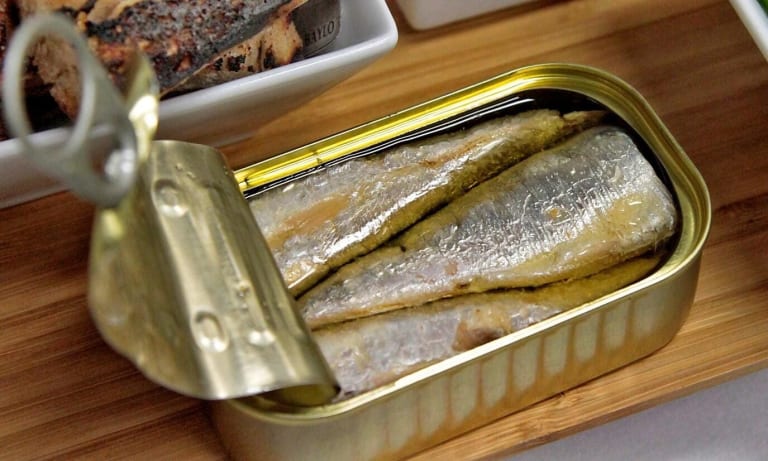
The soft bones found in canned sardines and some canned salmon products are edible.
Because the canning process softens them, the bones can usually be mashed into the fish without creating an unpleasant texture. They provide calcium and other minerals associated with the skeletal structure.
This makes bone-in tinned fish useful for people who consume little dairy. USDA nutrition guidance specifically identifies canned sardines and salmon with bones as calcium-containing foods.
Boneless varieties remain nutritious, but they generally contain less calcium.
It Contains Selenium and Other Micronutrients
Many types of seafood contain selenium, a mineral involved in antioxidant defense, thyroid hormone metabolism, and normal immune function.
Depending on the species, tinned fish may also provide:
- Iodine
- Choline
- Iron
- Zinc
- Phosphorus
- Potassium
- Taurine
- Vitamin A
- Vitamin K
No single tin supplies every nutrient in ideal quantities. The strongest approach is to rotate varieties and eat the fish with vegetables, legumes, whole grains, fruit, herbs, and other minimally processed foods.
It Can Make Nutritious Eating More Practical
Convenience is a legitimate nutritional benefit.
A food cannot improve someone’s diet if it is too expensive, inaccessible, difficult to prepare, or consistently wasted. Fresh fish may spoil quickly, require refrigeration, and involve more cooking.
Tinned fish can remain available for days when:
- The refrigerator is nearly empty
- There is no time to cook
- A fast lunch is needed
- Fresh seafood is unavailable
- One person needs a small portion
- Power or kitchen access is limited
- A shelf-stable protein is useful for travel
Commercially canned fish can remain pantry-stable for years when stored properly, although consumers should follow the product’s date and storage instructions. USDA guidance notes that commercially canned fish such as tuna may retain pantry quality for up to five years.
Is Tinned Fish as Good as Fresh Fish?
Fresh and tinned fish can both be nutritious. One is not universally superior to the other.
Tinned fish retains protein, fats, and many minerals. Depending on the product, it may offer advantages that fresh fish does not.
For example:
- Bone-in canned salmon may contain more calcium than a boneless fresh fillet.
- Tinned sardines can be eaten immediately without cooking.
- A small tin may prevent the food waste associated with a large fresh portion.
- Tinned fish is available throughout the year.
- Canned seafood may be less expensive than fresh seafood.
Fresh fish offers greater control over seasoning, cooking method, and added sodium. It may also have a milder flavor and different texture.
The better choice depends on availability, budget, dietary needs, and personal preference. A healthy diet can contain both.
Which Tinned Fish Is Best?
A popular memory aid is “SMASH”:
- Salmon
- Mackerel
- Anchovies
- Sardines
- Herring
These fatty fish are often selected because they tend to provide omega-3 fats while many varieties are relatively low in mercury. National Geographic highlighted this acronym when discussing nutrient-dense tinned seafood choices.
However, “best” depends on what you need.
Someone prioritizing calcium may choose bone-in sardines. Someone seeking mild, lean protein may prefer tuna. Someone building an intensely flavored pasta sauce may choose anchovies.
Sardines: A Nutrient-Dense All-Rounder
Sardines are one of the strongest all-purpose choices.
They commonly provide:
- Protein
- EPA and DHA omega-3s
- Vitamin B12
- Vitamin D
- Selenium
- Calcium when bones are included
Sardines are small fish with relatively short lifespans. Because they are lower on the marine food chain, they generally accumulate less mercury than large predatory fish.
The FDA places sardines in its “Best Choice” category for people who are pregnant or breastfeeding and for children, based on mercury levels.
For beginners, boneless and skinless sardines may feel more approachable. Whole sardines with skin and bones usually offer a broader nutrient profile.
Salmon: Mild, Versatile, and Family-Friendly
Tinned salmon has a familiar flavor and works in many of the same recipes as canned tuna.
It can be used in:
- Fish cakes
- Sandwich fillings
- Pasta
- Rice bowls
- Salads
- Omelets
- Soups
- Potato dishes
Salmon is a fatty fish that provides protein and omega-3s. Products containing softened bones can also contribute calcium.
The FDA lists salmon as a “Best Choice” lower-mercury fish.
Check whether the tin contains skin and bones. These are edible, but people who prefer a smoother texture may want to mash them thoroughly or purchase a boneless product.
Mackerel: Excellent, but the Species Matters
Mackerel is flavorful, rich, and often high in omega-3s.
However, “mackerel” is not one uniform mercury category.
The FDA identifies Atlantic mackerel and Pacific chub mackerel as “Best Choices.” Spanish mackerel is categorized as a “Good Choice,” while king mackerel is placed in the “Choice to Avoid” category for groups particularly vulnerable to mercury exposure.
This distinction is important.
Do not rely only on the word “mackerel” on the front of the package. Look for the species or a more precise common name in the product information.
Anchovies: Small Fish With Big Flavor
Anchovies provide concentrated savory flavor and are usually used in smaller quantities than sardines or salmon.
They can be blended into:
- Tomato sauces
- Salad dressings
- Garlic butter
- Pasta sauces
- Bean dishes
- Roasted vegetable toppings
- Dips
- Marinades
Anchovies dissolve into sauces when gently cooked, adding depth without necessarily making the final dish taste strongly fishy.
They are included in the FDA’s “Best Choice” lower-mercury category.
Their main limitation is often sodium. Salt-cured anchovies can be extremely salty, so use them as a seasoning rather than automatically treating an entire tin as one serving.
Herring: Rich, Soft, and Often Underrated
Herring is an oily fish that can provide omega-3 fats and vitamin B12.
Tinned herring may be sold:
- Smoked
- In oil
- In mustard sauce
- In tomato sauce
- Pickled or seasoned
- With chili or herbs
Its flavor is generally richer than tuna but can be milder than some sardines.
The FDA classifies herring as a “Best Choice” based on mercury levels.
Tuna: Convenient Protein With Mercury Considerations
Tuna remains the most familiar canned fish in many households.
It has a relatively mild flavor, firm texture, and high protein content. It works in sandwiches, pasta, salads, rice dishes, casseroles, wraps, and stuffed vegetables.
The main consideration is mercury.
Different tuna species contain different average mercury levels. Larger, longer-lived tuna tend to accumulate more mercury than smaller tuna.
The FDA categorizes:
- Canned light tuna, including skipjack, as a “Best Choice”
- Albacore or white tuna as a “Good Choice”
- Yellowfin tuna as a “Good Choice”
- Bigeye tuna as a “Choice to Avoid” for higher-risk groups
Canned light tuna is generally the better frequent option for people who need to limit mercury. Albacore has a firmer texture and lighter appearance, but it typically contains more mercury.
Tinned Mussels and Oysters: Worth Considering
Although technically shellfish rather than finfish, tinned mussels and oysters belong in the same pantry conversation.
They may provide:
- Protein
- Iron
- Zinc
- Vitamin B12
- Selenium
- Omega-3 fats
They are especially useful on snack boards, toast, rice, pasta, or crackers.
People with shellfish allergies must avoid them, and sodium can be high in smoked or seasoned varieties.
Oil, Water, or Brine: Which Packing Medium Is Best?
The packing medium changes flavor, texture, calories, and sodium.
There is no universally correct choice.
Fish Packed in Water
Water-packed fish usually has a clean flavor and fewer added calories than fish packed in oil.
It works well when:
- You plan to add mayonnaise or dressing
- You want a lighter sandwich filling
- The fish will be mixed into a strongly flavored dish
- You want control over the added fat
Water-packed tuna can become dry if heavily drained. A little olive oil, yogurt, mustard, avocado, or lemon juice can improve the texture.
Fish Packed in Olive Oil
Olive oil can enhance richness and keep fish moist.
It is particularly suitable for:
- Toast
- Pasta
- Salads
- Snack boards
- Mediterranean dishes
- Serving directly from the tin
The oil can often be reused in dressings or sauces when the flavor is pleasant and the product has been handled safely.
Oil-packed products contain more calories than water-packed alternatives, but that does not automatically make them unhealthy. Portion size and the rest of the meal matter.
Read the ingredient list carefully. A package that visually suggests olive oil may contain a blend of olive oil and cheaper refined oils.
Fish Packed in Brine
Brine helps preserve flavor and texture but can add substantial sodium.
People managing high blood pressure, kidney disease, heart failure, or another sodium-sensitive condition should compare labels and follow individualized medical guidance.
Draining the fish may remove some surface liquid, but it does not remove all the sodium absorbed during processing.
Fish Packed in Tomato or Flavored Sauce
Tomato, mustard, chili, curry, and herb sauces can make tinned fish easier for beginners to enjoy.
However, flavored sauces may contain:
- Added sugar
- Extra salt
- Refined oils
- Thickeners
- Preservatives
None of these automatically makes the product unsuitable. The ingredient list and nutrition label reveal whether the sauce fits your needs.
How to Read a Tinned Fish Label
The decorative front of the package tells only part of the story.
Before buying, inspect the following information.
The Exact Species
This matters most for tuna and mackerel because mercury levels and sustainability can differ between species.
Look for names such as:
- Skipjack tuna
- Albacore tuna
- Atlantic mackerel
- Pacific chub mackerel
- King mackerel
- Pink salmon
- Sockeye salmon
A vague label gives you less information for making a careful choice.
Serving Size
A small tin may contain one serving, while a larger can may contain two or more.
Nutrition values are usually calculated per listed serving, not automatically for the entire container.
Sodium
Compare sodium between brands, especially for anchovies, smoked fish, brined products, and flavored sauces.
A product marketed as premium or natural can still be high in salt.
Packing Oil
Check whether the fish is packed in:
- Extra-virgin olive oil
- Refined olive oil
- Sunflower oil
- Soybean oil
- Canola oil
- A mixed vegetable oil
The best choice depends on taste, dietary needs, and how you plan to use the fish.
Bones and Skin
“Boneless and skinless” may appeal to beginners, but removing the bones lowers the calcium content.
The skin contains fats and other nutrients and is safe to eat in commercially prepared products.
Added Ingredients
A simple product may contain only fish, water or oil, and salt.
Flavored products can include spices, vegetables, smoke flavor, sugar, starches, and preservatives. Choose according to your needs rather than assuming fewer ingredients are always required.
Origin and Traceability
Sustainability cannot be determined from the species name alone. The health of a fish population depends on the particular stock, fishing location, harvest method, and management system.
The Marine Stewardship Council emphasizes that fisheries and fish stocks—not entire species in every location—are evaluated for sustainability. Its blue label indicates that a product comes from a certified fishery and has passed through a traceable chain of custody.
Certification is one tool rather than the only possible indicator. Detailed information about species, capture area, gear type, and producer traceability can also help.
Mercury in Tinned Fish: What You Need to Know
Nearly all fish contain at least trace amounts of methylmercury. The concern is not that every fish meal is dangerous, but that mercury levels differ significantly between species.
Large predatory fish tend to contain more because mercury accumulates through the food chain.
For most adults, eating a variety of lower-mercury seafood in recommended portions offers nutritional benefits without requiring fear of fish.
The FDA and EPA recommend choosing variety rather than repeatedly eating one species. Their lower-mercury “Best Choices” include sardines, salmon, anchovies, herring, Atlantic mackerel, Pacific chub mackerel, and canned light tuna.
People who are pregnant, may become pregnant, or are breastfeeding are advised to eat 8 to 12 ounces of lower-mercury seafood per week. Children should receive smaller, age-appropriate portions.
Recommendations may vary by country, so consumers outside the United States should also consult local public-health guidance.
How Much Tinned Fish Should You Eat?
There is no rule requiring every person to eat a specific number of tins.
The American Heart Association recommends two servings of fish per week, particularly fatty fish. A typical serving is roughly 3.5 to 4 ounces, although package sizes vary.
A practical weekly pattern might include:
- One serving of sardines, salmon, herring, or Atlantic mackerel
- One serving of canned light tuna or another lower-mercury seafood
- Different plant and animal protein sources during the remaining meals
Variety prevents dependence on one nutrient profile and reduces the likelihood of excessive exposure to sodium or mercury from a single product.
How to Make Tinned Fish Taste Better
Many people reject tinned fish after eating it plain and unseasoned. The problem may be presentation rather than the fish itself.
The most successful preparations balance five elements:
- Acidity
- Freshness
- Texture
- Heat
- Creaminess
Add Acidity
Acid cuts through oiliness and softens strong marine flavors.
Try:
- Lemon juice
- Lime juice
- Vinegar
- Pickled onions
- Capers
- Cornichons
- Kimchi
- Pickled chilies
Add Fresh Herbs
Fresh herbs make tinned fish taste brighter.
Good options include:
- Parsley
- Dill
- Coriander
- Chives
- Mint
- Basil
- Spring onion
Add Crunch
Because tinned fish is soft, a crisp element improves the eating experience.
Use:
- Toast
- Crackers
- Cucumber
- Radish
- Celery
- Roasted chickpeas
- Toasted nuts
- Crispy potatoes
- Shredded cabbage
Add a Creamy Ingredient
Creaminess can mellow saltiness and intensity.
Try:
- Greek yogurt
- Mayonnaise
- Avocado
- Labneh
- Cream cheese
- Tahini
- Mashed white beans
- Hummus
Add Heat
Chili can transform a fish that tastes overly rich or flat.
Options include:
- Chili crisp
- Fresh chilies
- Sriracha
- Harissa
- Hot sauce
- Black pepper
- Smoked paprika
- Mustard
Easy Tinned Fish Meal Ideas
Sardines on Toast
Toast thick bread and rub it with a cut garlic clove. Add mashed avocado or tomato, then place sardines on top.
Finish with lemon, black pepper, parsley, and pickled onion.
Mediterranean Tuna and Bean Salad
Combine canned light tuna with white beans, cucumber, tomato, olives, parsley, and red onion.
Dress with lemon juice, olive oil, garlic, and black pepper.
Salmon Fish Cakes
Mix drained canned salmon with mashed potato, spring onion, herbs, mustard, and an egg.
Shape into patties and cook until golden.
Mackerel Rice Bowl
Serve Atlantic mackerel over warm rice with cucumber, shredded carrot, avocado, spring onion, sesame seeds, and a lime-soy dressing.
Check the sodium in the fish before adding extra soy sauce.
Anchovy Tomato Pasta
Gently cook garlic and anchovies in olive oil until the anchovies dissolve.
Add tomatoes, chili, and pasta water, then toss with cooked pasta and parsley.
Tinned Fish Omelet
Fold salmon, sardines, or tuna into an omelet with spinach, herbs, tomato, and a small amount of cheese.
This works particularly well for breakfast or a fast dinner.
Sardine and Potato Salad
Combine warm boiled potatoes with sardines, green beans, mustard, lemon, herbs, and capers.
The potatoes absorb the flavorful oil from the tin.
Tuna-Stuffed Avocado
Mix tuna with yogurt, mustard, celery, herbs, and lemon.
Spoon it into avocado halves for a quick meal.
Spicy Salmon Noodles
Add canned salmon to noodles with chili crisp, sesame oil, cucumber, spring onion, and lime.
Include edamame or vegetables for additional fiber.
Tinned Fish Tacos
Fill warm tortillas with mackerel, sardines, or salmon.
Add cabbage, avocado, lime, coriander, and yogurt sauce.
How to Build a Seacuterie Board
A good seacuterie board should include contrast rather than several similar tins placed next to each other.
Choose two or three seafood options, such as:
- Sardines in olive oil
- Smoked mussels
- Mackerel in tomato sauce
- Anchovies
- Tinned salmon
- Spiced tuna
Add something acidic:
- Pickled onions
- Capers
- Cornichons
- Lemon wedges
- Marinated peppers
Add fresh vegetables:
- Cucumber
- Radishes
- Cherry tomatoes
- Celery
- Endive leaves
Add bread or another base:
- Sourdough toast
- Crackers
- Flatbread
- Potato chips
- Boiled baby potatoes
Add one or two sauces:
- Mustard
- Garlic yogurt
- Herb mayonnaise
- Chili crisp
- Romesco
- Hummus
Avoid leaving opened seafood at room temperature for extended periods. Serve smaller quantities and refrigerate leftovers promptly.
Tinned Fish Safety and Storage
Commercially canned fish is shelf-stable before opening, but the container must be intact.
Do not use a tin that is:
- Bulging
- Leaking
- Punctured
- Deeply rusted
- Cracked
- Severely crushed
- Badly dented around a seam
The FDA advises discarding canned food when the container shows swelling, leakage, punctures, deep rusting, or severe damage.
Store unopened tins in a cool, dry place away from excessive heat and direct sunlight.
After opening, refrigerate unused fish promptly. USDA guidance states that opened low-acid canned foods, including fish, can generally be refrigerated for three to four days.
Use a clean, covered food-storage container if the original tin cannot be properly covered. Follow any more restrictive instructions printed on the product.
Who May Need to Be More Careful?
Tinned fish is suitable for many people, but certain situations require extra attention.
People Who Are Pregnant or Breastfeeding
Choose lower-mercury species and follow current public-health serving guidance.
Canned light tuna, sardines, salmon, anchovies, herring, Atlantic mackerel, and Pacific chub mackerel appear among the FDA’s lower-mercury choices. Albacore tuna should be eaten less frequently than canned light tuna under the FDA’s category system.
Young Children
Fish can provide nutrients important for growth, but portions should be smaller and appropriate for the child’s age and body size.
Remove any hard or unexpected bone fragments and select lower-mercury varieties.
People Limiting Sodium
Anchovies, brined fish, smoked fish, and products in seasoned sauces may be high in sodium.
Compare nutrition labels rather than judging by brand reputation or packaging style.
People With Fish or Shellfish Allergies
Fish and shellfish allergies can cause serious reactions.
Someone allergic to finfish may not necessarily be allergic to shellfish, and the reverse may also be true, but this should be assessed by a qualified medical professional rather than through experimentation.
People With Specific Medical Conditions
People with kidney disease, gout, heart failure, uncontrolled hypertension, or medically prescribed dietary restrictions may need individualized guidance about sodium, protein, purines, or portion sizes.
Common Mistakes to Avoid
Eating Only Tuna
Tuna is convenient, but relying on it exclusively limits variety and may increase mercury exposure compared with rotating lower-mercury fish.
Include sardines, salmon, herring, anchovies, or appropriate mackerel varieties.
Ignoring the Type of Mackerel
Atlantic mackerel and king mackerel do not belong to the same mercury category.
Always check the species.
Assuming Every Olive-Oil Tin Is Identical
The quality and amount of oil vary. Some tins contain extra-virgin olive oil, while others use refined oil or blends.
Read the ingredient list.
Adding Salt Before Tasting
Tinned fish may already contain significant sodium.
Taste the complete dish before adding salt, soy sauce, cheese, olives, or other salty ingredients.
Throwing Away the Edible Bones Automatically
Soft sardine and salmon bones are a source of calcium.
Mash them into the fish before deciding that the texture is unsuitable.
Overcomplicating the Recipe
Tinned fish does not require elaborate cooking.
Lemon, herbs, toast, and a crunchy vegetable may be enough.
The Bottom Line
Tinned fish deserves its return to the spotlight, but its greatest value is not that it looks fashionable on a grazing board.
It is a practical, shelf-stable source of protein and, in fatty varieties, EPA and DHA omega-3 fats. Depending on the species, it may also provide vitamin B12, vitamin D, selenium, iodine, choline, and calcium.
Sardines, salmon, anchovies, herring, Atlantic mackerel, Pacific chub mackerel, and canned light tuna are strong lower-mercury choices under current FDA guidance. The right option still depends on sodium, packing liquid, serving size, dietary needs, and personal taste.
The easiest strategy is to rotate several varieties, read labels carefully, and pair the fish with vegetables, whole grains, legumes, herbs, and acidic ingredients. Done well, a simple tin can become one of the fastest and most satisfying meals in the cupboard.
Frequently Asked Questions
Is it healthy to eat tinned fish every day?
Some people can include tinned fish regularly, but eating the same product daily may lead to excessive sodium or higher mercury exposure, depending on the species. Rotating lower-mercury fish with other protein sources is generally more balanced.
Which tinned fish is healthiest?
Sardines are among the most nutrient-dense choices because they provide protein, omega-3 fats, vitamin B12, and calcium when their soft bones are eaten. Salmon, herring, anchovies, Atlantic mackerel, and Pacific chub mackerel are also strong options.
Is tinned fish considered processed food?
Yes, tinned fish is processed because it has been cooked, sealed, and preserved. However, “processed” does not automatically mean nutritionally poor. A simple tin containing fish, olive oil or water, and salt can remain a nutrient-dense whole-food option.
Is canned tuna high in mercury?
Mercury depends on the tuna species. Canned light tuna, usually containing skipjack, is generally lower in mercury than albacore or white tuna. The FDA lists canned light tuna as a “Best Choice” and albacore as a “Good Choice” for higher-risk groups.
Are sardines healthier than tuna?
Sardines generally contain more omega-3 fat and, when eaten with bones, more calcium than tuna. They are also typically lower in mercury. Tuna may offer a milder flavor and a high proportion of protein, so both can have a place in a varied diet.
Should I drain the oil from tinned fish?
Draining is optional. Keeping the oil adds flavor and calories and may make the fish more satisfying. The oil can also be used in a dressing or pasta sauce. Drain some or all of it when you prefer a lighter dish.
Can I eat tinned fish directly from the can?
Commercially canned fish is normally fully cooked and can generally be eaten directly from the container. Check the label, inspect the package for damage, and use clean utensils.
Are the bones in canned sardines safe to eat?
Yes. Commercial canning softens sardine bones, making them edible for most adults. They can be mashed into the fish and provide calcium. Take additional care when serving children or anyone with swallowing difficulties.
Is tinned fish good for weight loss?
Tinned fish can support a calorie-controlled diet because its protein may improve fullness. However, total calories vary. Fish packed in oil or rich sauces can contain more calories than fish packed in water.
Is tinned fish good for building muscle?
Yes. Fish provides complete protein needed for muscle repair and maintenance. It works best as part of a diet containing sufficient total calories, protein, carbohydrates, micronutrients, and appropriate resistance training.
Can pregnant women eat tinned fish?
Yes, and public-health authorities encourage appropriate seafood intake during pregnancy. The FDA recommends 8 to 12 ounces per week from lower-mercury choices. Sardines, salmon, canned light tuna, anchovies, herring, Atlantic mackerel, and Pacific chub mackerel are among its “Best Choices.”
Which canned tuna has the least mercury?
Canned light tuna, which commonly contains skipjack, generally has less mercury than albacore or white tuna. Product composition can vary, so check the species on the label.
Is canned mackerel safe to eat?
Many canned mackerel products are lower-mercury choices, but the species matters. Atlantic mackerel and Pacific chub mackerel are FDA “Best Choices,” while king mackerel is in the highest-mercury category to avoid for pregnant or breastfeeding people and children.
How long does opened tinned fish last in the refrigerator?
Opened canned fish should generally be refrigerated and used within three to four days. Store it in a clean, covered container and follow any stricter instructions printed by the manufacturer.
How can I make sardines taste less fishy?
Add acid, herbs, and crunchy ingredients. Lemon juice, pickled onions, parsley, cucumber, mustard, chili, tomato, and toasted bread can balance the strong flavor.
Is tinned fish cheaper than fresh fish?
It often is, particularly when storage life, preparation time, and reduced food waste are considered. Prices vary by species, origin, brand, certification, sauce, and packaging.
What is a seacuterie board?
A seacuterie board is a seafood-based grazing platter inspired by charcuterie. It typically combines tinned fish or shellfish with bread, crackers, pickles, vegetables, sauces, herbs, and lemon.
Does rinsing canned fish remove sodium?
Rinsing may remove some sodium from the surface, but it will not eliminate sodium absorbed into the fish. Choosing a lower-sodium product is more reliable than trying to remove the salt afterward.
Is tinned fish sustainable?
It can be, but sustainability depends on the specific fish stock, harvesting location, fishing method, and management system—not merely the species. Look for detailed sourcing information and credible independent certification when available.