
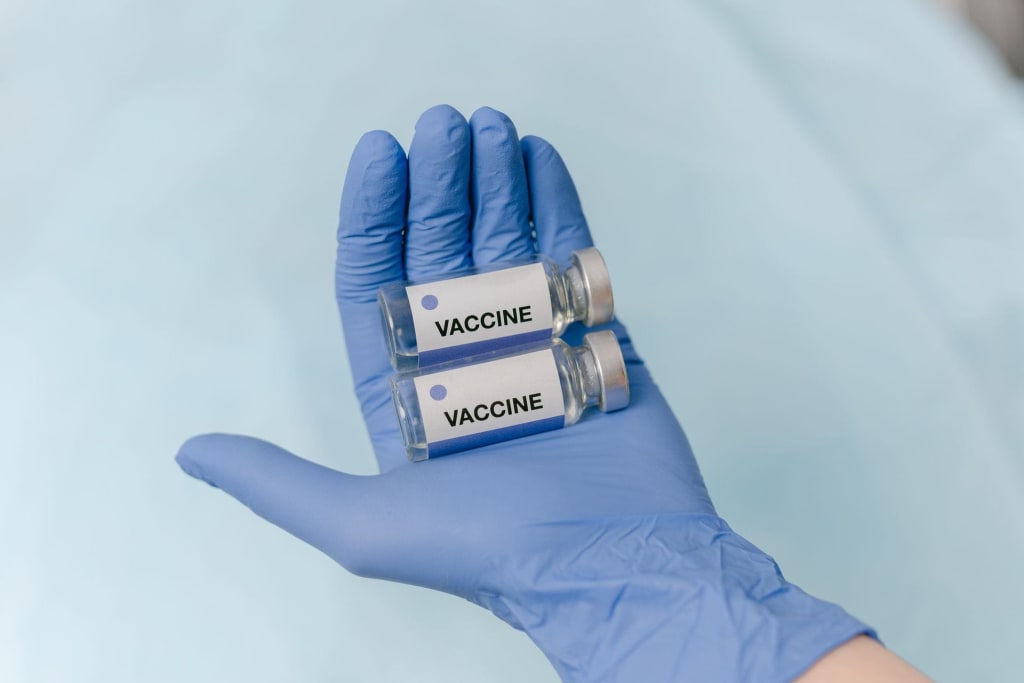
Two New Plague Vaccines Protected Every Mouse—Here Is Why the Result Matters
Plague is often imagined as a medieval horror that disappeared with plague doctors and crowded European cities. It did not.
The bacterium Yersinia pestis still circulates among wild rodents and fleas, causing human infections in several parts of the world. Antibiotics can cure the disease when treatment begins quickly, but pneumonic plague can progress so rapidly that delayed diagnosis may become fatal within 18 to 24 hours.
Researchers at the University of Texas Medical Branch at Galveston have now reported striking preclinical results from two experimental vaccines called LMA and LMP. After a two-dose vaccination schedule, every vaccinated mouse survived an initial lethal exposure to pneumonic plague, while every unvaccinated control animal died within four days. Most vaccinated groups also survived an extraordinarily high second exposure.
The finding is highly encouraging, but it is not yet a human vaccine breakthrough. These were carefully controlled experiments in mice. Nonhuman-primate studies, safety testing, manufacturing work, and clinical trials will still be required before either vaccine could become available to people.
What Did the Researchers Discover?
The University of Texas Medical Branch team evaluated two live-attenuated plague vaccine candidates:
- LMA
- LMP
Both vaccines were created from the virulent Yersinia pestis CO92 strain, but scientists deleted three genes involved in the bacterium’s ability to cause disease.
The weakened bacteria remained recognizable to the immune system while losing key mechanisms needed for full virulence. This allowed them to act as biological training targets without causing plague in the vaccinated animals.
The researchers tested LMA and LMP alone and in combination with a separate adenovirus-based vaccine called Ad5-YFV.
The mice received an intramuscular injection followed by a second dose 21 days later. Depending on the experimental group, the booster was either:
- Another intramuscular dose of LMA or LMP
- An intranasal dose of the Ad5-YFV vaccine
Thirty-two days after the second vaccination, the animals were exposed through the nose to a lethal dose of fully virulent Y. pestis CO92, reproducing the respiratory route associated with pneumonic plague.
Every vaccinated mouse survived.
Every unvaccinated control mouse died within four days.
The research was published in Science Translational Medicine on July 23, 2026. Its central finding was that two doses of the live-attenuated vaccines, either alone or in combination with the adenovirus-based nasal vaccine, could provide complete protection in the initial mouse challenge.
Why “100 Percent Effective” Needs Careful Interpretation
Headlines describing the vaccines as “100 percent effective” refer specifically to survival among vaccinated mice during the first lethal challenge.
That does not mean the vaccines are already proven to be:
- 100 percent effective in humans
- Completely free of side effects
- Suitable for children or pregnant people
- Safe for immunocompromised patients
- Capable of producing lifelong protection
- Ready for emergency distribution
- Able to prevent every form of infection or transmission
In vaccine research, survival is an important outcome, but it is not the only one.
Scientists must also determine whether a vaccine:
- Prevents infection entirely
- Reduces bacterial growth
- Prevents severe disease
- Stops transmission
- Produces durable immune memory
- Works across different ages and genetic backgrounds
- Remains safe at larger scales
The most accurate conclusion is therefore that LMA and LMP produced complete initial protection against lethal pneumonic plague in the tested mouse models.
That is an impressive result—not proof of equivalent human effectiveness.
The Second “Monster Dose” Made the Results More Striking
The researchers did not stop after the first challenge.
Approximately one week later, the surviving vaccinated mice were exposed again, this time to an extremely high dose of virulent plague bacteria.
Most vaccine groups again achieved 100 percent survival.
Protection fell to 80 percent in one particular set of animals: genetically modified mice unable to produce interferon-gamma that had received two intramuscular doses of LMA or LMP without the nasal adenovirus booster.
This second challenge was far more severe than an ordinary environmental exposure would be expected to be. Its purpose was to place exceptional pressure on the vaccine-induced immune response.
Survival under those conditions suggests that the vaccines generated more than a weak or narrowly timed response.
However, challenge doses in laboratory studies are designed for scientific comparison. They should not be interpreted as direct replicas of typical human exposure.
Why Plague Still Matters in the Twenty-First Century
Plague no longer causes medieval-scale mortality, but it remains a serious zoonotic disease.
Yersinia pestis persists in natural cycles involving rodents and fleas. Humans can become infected through:
- The bite of an infected flea
- Contact with infected animal tissue or bodily fluids
- Respiratory droplets from a person or animal with pneumonic plague
Plague exists in animal populations on every continent except Oceania. Since the 1990s, most reported human cases have occurred in Africa, particularly in countries where limited access to healthcare can delay diagnosis and treatment.
The Democratic Republic of the Congo, Madagascar, and Peru have historically been among the countries reporting recurring human infections.
Cases also occur periodically in parts of Asia and the Americas, including rural areas of the western United States.
The disease is uncommon compared with malaria, tuberculosis, influenza, or dengue. Its importance comes from its combination of:
- Rapid progression
- High untreated fatality
- Animal reservoirs that cannot be completely eliminated
- Potential respiratory transmission
- Difficult early diagnosis
- Documented antibiotic resistance
- Potential misuse as a biological threat
Plague is therefore rare but not irrelevant.
The Three Main Forms of Plague
Plague is classified according to where the bacteria establish infection in the body.
Bubonic Plague
Bubonic plague is the most familiar form.
It usually begins after the bite of an infected flea. The bacteria enter the body and travel through the lymphatic system to nearby lymph nodes.
Patients may develop:
- Sudden fever
- Chills
- Headache
- Weakness
- Muscle pain
- Painful, swollen lymph nodes
The swollen lymph nodes are called buboes, which gave bubonic plague its name.
Without treatment, the bacteria can spread from the lymphatic system into the blood or lungs.
Septicemic Plague
Septicemic plague occurs when Y. pestis multiplies in the bloodstream.
It can develop independently or as a complication of untreated bubonic plague.
Possible symptoms include:
- Fever and chills
- Severe weakness
- Abdominal pain
- Shock
- Bleeding beneath the skin
- Tissue death in fingers, toes, or other extremities
The darkened tissue associated with severe bloodstream infection may have contributed to the historical term “Black Death.”
Pneumonic Plague
Pneumonic plague affects the lungs.
It may develop when bacteria spread to the lungs from bubonic or septicemic infection. It can also begin after a person directly inhales infectious respiratory droplets.
Symptoms can include:
- Rapidly developing pneumonia
- Fever
- Headache
- Severe weakness
- Chest pain
- Shortness of breath
- Cough
- Bloody or watery mucus
Pneumonic plague is the only form capable of sustained person-to-person transmission through respiratory droplets under the right conditions.
It is also the form most relevant to the new vaccine research.
Why Pneumonic Plague Is Especially Dangerous
Pneumonic plague can worsen with extraordinary speed.
The World Health Organization warns that untreated pneumonic plague may become fatal within 18 to 24 hours after disease onset. Early antibiotics and supportive treatment can be effective, but the window for intervention may be extremely narrow.
Early symptoms may initially resemble other respiratory infections.
A patient may appear to have influenza, bacterial pneumonia, or another febrile illness. Unless clinicians know that the person has been exposed to infected animals, fleas, patients, or an endemic environment, plague may not be immediately suspected.
That creates a dangerous sequence:
- Symptoms begin.
- The disease progresses rapidly.
- Diagnosis is delayed.
- The patient becomes critically ill.
- Respiratory transmission may expose close contacts.
- Treatment begins too late to prevent severe complications.
A vaccine capable of preventing pneumonic disease could therefore offer protection before anyone realizes exposure has occurred.
How LMA and LMP Were Genetically Weakened
LMA and LMP are triple-deletion mutants.
That means scientists removed three genes from each vaccine strain rather than relying on a naturally weak form of the bacterium.
Both vaccine candidates lack genes called lpp and msbB. Their third deletion differs:
- LMA also lacks ail
- LMP also lacks pla
The deleted genes contribute to inflammation, bacterial survival, tissue invasion, immune evasion, or the ability of Y. pestis to spread through the host.
LMA stands for the combination involving deletions of lpp, msbB, and ail.
LMP refers to deletion of lpp, msbB, and pla.
Previous research showed that these weakened strains were rapidly cleared from vaccinated rodents while still stimulating both antibody-based and cell-mediated immune responses.
Using multiple deletions is important.
A live vaccine with only one disabling mutation might theoretically regain harmful activity if that mutation changed or was compensated for. Removing several independent virulence mechanisms creates a larger biological barrier against reversion.
That does not eliminate every safety concern, but it makes accidental restoration of full virulence less likely.
What Is a Live-Attenuated Vaccine?
A live-attenuated vaccine contains a living version of a pathogen that has been weakened so it cannot cause normal disease in healthy recipients.
Because the vaccine organism temporarily resembles a natural infection, it can stimulate several layers of immunity.
These may include:
- Antibodies
- Helper T cells
- Killer T cells
- Memory B cells
- Memory T cells
- Responses against multiple bacterial antigens
Live-attenuated vaccines can sometimes produce stronger and broader immunity than vaccines containing only one purified protein.
That breadth may be useful against Y. pestis, a complex bacterium with numerous mechanisms for entering tissues and disrupting immune defenses.
The trade-off is safety.
Researchers must prove that a live vaccine:
- Cannot regain dangerous virulence
- Is cleared from the body
- Does not spread to close contacts
- Does not persist in organs
- Does not cause serious inflammation
- Remains safe in vulnerable populations
- Can be manufactured consistently
A plague vaccine must meet an exceptionally high safety standard because the organism from which it is derived is so dangerous.
What Is the Ad5-YFV Nasal Vaccine?
The research team also used a second vaccine platform called Ad5-YFV.
Despite the letters “YFV,” this is not a yellow fever vaccine.
The name refers to three plague-related antigens carried by the vaccine:
- YscF
- F1
- LcrV, commonly called V antigen
The vaccine uses a replication-defective adenovirus type 5 vector. It is engineered to deliver genetic instructions for these plague antigens without reproducing as a normal adenovirus infection.
After administration, cells briefly produce the target antigens, allowing the immune system to learn to recognize them.
Each component serves as a recognizable marker connected to important bacterial structures or virulence mechanisms.
F1 and LcrV have been studied extensively as plague-vaccine targets, while YscF is associated with the bacterium’s type III secretion system—molecular machinery used to interfere with host immune cells.
The advantage of combining three antigens is that immunity does not depend entirely on recognizing one bacterial target.
Why Deliver the Booster Through the Nose?
The nasal booster was designed to strengthen immunity at the respiratory surfaces where pneumonic plague is likely to enter.
This is sometimes described as a prime-pull strategy.
The first intramuscular vaccine primes the immune system by activating circulating immune cells and establishing memory.
The intranasal booster then helps pull or concentrate immune activity toward mucosal tissues in the nose and respiratory tract.
This matters because immune protection is not distributed uniformly throughout the body.
An injection may produce strong antibodies in the blood while generating a weaker response in the mucus lining the airways. A respiratory pathogen can begin multiplying at that surface before circulating antibodies reach it in sufficient numbers.
A mucosal booster may encourage:
- Antibodies in airway secretions
- Tissue-resident memory cells
- Faster recognition at the infection site
- Earlier control of bacterial replication
- Reduced progression into the lungs
The mouse experiments detected strong antibody responses not only in serum but also in bronchoalveolar lavage fluid collected from the respiratory system.
This supports the idea that vaccination generated both systemic and lung-associated immunity.
Why Combine Two Different Vaccine Platforms?
Using one vaccine type for the first dose and another for the booster is known as a heterologous prime-boost strategy.
Instead of repeating the same immune signal, the approach presents the pathogen through two complementary platforms.
The live-attenuated vaccine exposes the immune system to a broad collection of plague antigens in a weakened bacterial context.
The adenovirus vaccine focuses immunity on three selected antigens while directing the booster toward the respiratory mucosa.
The potential benefits include:
- Broader antigen recognition
- Stronger mucosal immunity
- More diverse T-cell responses
- Better immune memory
- Reduced dependence on one protective mechanism
- Improved protection in people with variable immune responses
Previous mouse research found that LMA or LMP combined with Ad5-YFV generated strong humoral and cellular responses and provided 80 to 100 percent protection under highly lethal challenge conditions.
The newly published work extends that evidence with additional immune analysis and severe rechallenge experiments.
What Do Antibodies Tell Researchers?
Antibodies are proteins produced by B cells that bind to specific targets.
After vaccination, researchers measured antibodies in:
- Blood serum
- Respiratory mucus
- Bronchoalveolar lavage fluid
- Other collected biological samples
Strong antibody responses suggested that the vaccinated animals had learned to recognize plague antigens.
Antibodies may help by:
- Binding to bacterial surfaces
- Blocking bacterial attachment
- Interfering with virulence proteins
- Marking bacteria for destruction
- Helping immune cells engulf the pathogen
- Limiting spread through tissues
However, a high antibody level does not automatically prove protection.
Researchers must compare antibody findings with actual outcomes after exposure. In this study, the immune measurements were supported by survival during lethal challenges.
That combination makes the result more meaningful than antibody data alone.
Why T Cells and B Cells Matter
The vaccines also stimulated cellular immunity.
B cells produce antibodies and can develop into long-lived memory cells. If the pathogen appears later, memory B cells can rapidly generate new antibody-producing cells.
T cells coordinate immune responses and help activate other immune cells.
Researchers observed signs of:
- Activated T cells
- Memory T cells
- Germinal-center B-cell activity
- Multiple cytokine-producing T-cell populations
- Antigen-specific immune recognition
A broad immune response is valuable because Y. pestis actively suppresses parts of the host’s early defense system.
Protection may require more than one antibody or one cell type. The strongest vaccine may be the one that creates several overlapping defenses, making it harder for the bacterium to escape.
Why Test Mice Without Interferon-Gamma?
Some of the mice were genetically engineered so they could not produce interferon-gamma, commonly abbreviated IFN-γ.
Interferon-gamma is a signaling protein that helps coordinate immunity against many intracellular and bacterial pathogens. It activates macrophages and influences both innate and adaptive immune responses.
Testing IFN-γ knockout mice allowed the researchers to investigate whether the vaccines depended entirely on this one immune pathway.
The vaccines still protected most of these animals, including against extremely severe challenges.
This suggests that vaccine-induced protection involved multiple compensating immune mechanisms rather than relying exclusively on interferon-gamma. Earlier research also found that removing interferon-gamma did not completely eliminate protection generated by these vaccine strategies.
That is scientifically important.
It does not prove that the vaccines will be safe or effective in immunocompromised humans. A genetically modified mouse lacking one signaling molecule is not equivalent to a person with cancer, HIV, an organ transplant, congenital immune disease, or immunosuppressive treatment.
It does show that the protective response may be more resilient than expected.
Why Antibiotics Are Not Enough
Modern antibiotics transformed plague from an almost certain killer into a treatable infection.
The CDC states that plague can be cured when appropriate antibiotics are administered promptly.
The challenge is the word “promptly.”
Antibiotics cannot help a patient who:
- Cannot access medical care
- Is diagnosed too late
- Has nonspecific early symptoms
- Lives far from a treatment facility
- Is exposed during a large outbreak
- Receives an ineffective drug
- Encounters an antibiotic-resistant strain
Antibiotic-resistant Y. pestis remains uncommon, but resistant strains have been documented.
Plague bacteria can acquire or carry resistance mechanisms, creating concern that a future strain could become more difficult to treat. Vaccine researchers therefore argue that prevention should complement antibiotics rather than depend on them as the only line of defense.
Vaccination could also reduce the need to distribute antibiotics preventively to large numbers of exposed people during an emergency.
Why Plague Is Considered a Bioterror Concern
Pneumonic plague has characteristics that make it relevant to biodefense planning.
The bacterium can cause severe disease after respiratory exposure, symptoms may initially resemble common infections, and untreated illness can progress rapidly.
A deliberately released aerosol could potentially expose many people before the source was identified.
A vaccine could protect:
- Laboratory workers
- Emergency responders
- Healthcare personnel
- Military personnel
- Outbreak investigation teams
- People in highly endemic areas
The goal would not necessarily be routine vaccination of the entire world.
A stockpiled vaccine could instead be used for selected high-risk populations or rapid emergency campaigns after a credible threat.
The new study’s authors specifically called for testing whether combined vaccine strategies could create rapid protection suitable for reactive or emergency scenarios.
Why Is There No Widely Available Plague Vaccine?
Several plague vaccines have existed historically.
Killed whole-cell vaccines were used in some settings but often caused strong local reactions and offered limited protection against pneumonic disease.
Live vaccines derived from weakened strains have been used in parts of the world, particularly in the former Soviet Union and some Asian countries. However, concerns have included:
- Fever and systemic reactions
- Inconsistent effectiveness
- Limited evidence from controlled trials
- Safety in vulnerable people
- Standardization problems
- Regulatory requirements
- Uncertain protection against lung infection
The United States currently has no commercially available plague vaccine. The CDC states that new candidates remain under development but are not expected to be available immediately.
The World Health Organization does not recommend routine plague vaccination. It limits its recommendation to people at unusually high occupational risk, such as certain laboratory personnel and healthcare workers.
A modern vaccine would need to offer a better balance of safety, reliability, and pneumonic protection than earlier products.
What Must Happen Before Human Trials?
The mouse results are an early but important stage of development.
The next major step is testing in nonhuman primates.
Primate studies can provide information about:
- Safety in a physiology closer to humans
- Effective dose
- Lung and airway immunity
- Duration of protection
- Body-wide bacterial spread
- Adverse inflammatory reactions
- Protection against respiratory exposure
Plague vaccine development has sometimes produced different results across animal species. A formulation that protects mice may perform less consistently in particular primate models.
Researchers will therefore need to show reproducible protection across more than one experimental system.
Before human trials, they must also establish:
- Stable manufacturing procedures
- Genetic consistency of the vaccine strains
- Absence of dangerous contamination
- Appropriate storage conditions
- Reliable potency testing
- A plan for monitoring bacterial clearance
- Evidence that the vaccine does not regain virulence
Only then could carefully controlled phase 1 trials begin in human volunteers.
What Human Clinical Trials Would Need to Prove
Early human trials would focus mainly on safety.
Researchers would monitor participants for:
- Fever
- Injection-site reactions
- Respiratory symptoms
- Abnormal inflammation
- Changes in blood counts
- Organ complications
- Persistence of the vaccine organism
- Unexpected immune reactions
Later trials would evaluate dose, timing, antibody responses, cellular immunity, and durability.
Directly testing human volunteers by deliberately exposing them to lethal Y. pestis would be unethical.
Developers may therefore need to rely on a combination of:
- Animal protection data
- Human immune-response data
- Biological markers linked to protection
- Manufacturing consistency
- Post-approval surveillance
Identifying a reliable correlate of protection will be crucial. Scientists need to know which antibody levels, T-cell profiles, or mucosal responses are likely to predict survival in humans.
The Safety Questions Live Vaccines Must Answer
Live-attenuated vaccines can produce powerful immunity, but they require special caution.
Researchers must determine whether LMA and LMP could pose risks to:
- Pregnant people
- Infants
- Older adults
- People receiving chemotherapy
- Transplant recipients
- People taking immune-suppressing medicines
- People with inherited immune disorders
A vaccine safe for healthy laboratory mice may not be safe for a person with weakened immunity.
Scientists must also study whether the weakened bacteria can:
- Remain in tissues longer than expected
- Be released into the environment
- Transfer genetic material
- Interact with naturally circulating bacteria
- Cause disease under unusual biological conditions
The triple-deletion design is intended to reduce these risks, but long-term evidence is still needed.
How Durable Is the Protection?
The published challenge occurred weeks after the vaccination series.
That confirms short-term protection during the tested period, but it does not answer how long immunity lasts.
A useful plague vaccine might need to protect for:
- Several months during an outbreak
- Multiple years for laboratory workers
- Long periods for people in endemic regions
- Rapidly after emergency administration
Researchers must measure immune responses over time and conduct challenge studies months or years after vaccination.
They will also need to determine whether boosters are necessary.
An emergency vaccine that works quickly but fades within months could still be valuable. A routine occupational vaccine would ideally provide much longer protection.
Could One Dose Be Enough?
Earlier work suggested that one dose of these live-attenuated candidates could provide approximately 70 to 80 percent protection in rodents, while two doses produced full protection in several experiments.
One-dose protection would be valuable during an emergency because a two-dose schedule requires more time, personnel, and vaccine supply.
However, 70 to 80 percent survival in an animal model may not be enough for regulatory approval or high-risk human use.
Future studies may examine:
- Higher or lower first doses
- Shorter intervals between doses
- Intranasal delivery alone
- Live vaccine followed by nasal booster
- Nasal vaccine followed by live booster
- Adjuvants that accelerate immunity
- Alternative viral vectors
The ideal schedule would create strong protection quickly while maintaining acceptable safety.
What the Study Does Not Show
The results do not prove that:
- Plague has been eradicated
- A public vaccine is now available
- Vaccination can replace antibiotics
- The candidates are safe for humans
- One dose guarantees protection
- Immunity will last for years
- Vaccinated individuals cannot carry bacteria
- Every strain of Y. pestis will be equally controlled
- A nasal booster is essential for every recipient
These unanswered questions are not failures.
They are normal stages in vaccine development.
The purpose of a mouse study is to identify candidates strong enough to justify more demanding research. LMA and LMP have now crossed an important threshold by protecting animals against lethal respiratory exposure.
How Plague Is Currently Prevented
Until an approved vaccine becomes available, plague prevention relies on reducing exposure and treating suspected cases immediately.
Recommended precautions include:
- Avoiding contact with sick or dead wild animals
- Controlling rodents around homes
- Removing food and shelter that attract rodents
- Using insect repellent in plague-endemic areas
- Protecting pets from fleas
- Preventing cats and dogs from hunting rodents
- Wearing protective equipment when handling suspected animals
- Isolating suspected pneumonic plague patients
- Giving preventive antibiotics to close contacts when medically indicated
Anyone who develops fever, swollen lymph nodes, severe weakness, or respiratory symptoms after possible plague exposure requires urgent medical assessment.
Waiting to see whether the symptoms improve can be dangerous.
Why This Study Represents Real Progress
Plague vaccine development has struggled with a difficult target.
A successful product must protect against both flea-associated disease and direct respiratory exposure. It must act quickly, produce broad immunity, remain stable, and meet extremely strict safety requirements.
The new research offers several encouraging features:
- Two independently engineered live-vaccine candidates worked.
- Complete protection followed a two-dose schedule.
- The vaccines protected against intranasal challenge.
- Most groups survived an exceptionally high second dose.
- Antibodies appeared in both blood and respiratory secretions.
- Cellular and memory responses were activated.
- Protection persisted even when a major immune pathway was absent.
- A mixed injectable-and-nasal strategy performed strongly.
No single feature guarantees human success.
Together, however, they make LMA, LMP, and the Ad5-YFV combination serious candidates for further development.
The Bottom Line
Two experimental vaccines developed at the University of Texas Medical Branch protected every vaccinated mouse from an initial lethal pneumonic plague challenge.
LMA and LMP use genetically weakened versions of Yersinia pestis to stimulate broad immunity. A nasal adenovirus-based booster can add targeted protection at the respiratory surfaces where pneumonic plague begins.
The vaccines also protected most animals from a second, extraordinarily high exposure and triggered strong antibody and cellular responses.
The achievement is scientifically significant, but the phrase “100 percent effective” must remain attached to its proper context: mice, under controlled laboratory conditions, during a defined observation period.
The candidates still require nonhuman-primate testing, extensive safety evaluation, manufacturing development, and human clinical trials.
Plague has not returned as a medieval pandemic, but it has never fully left. A safe vaccine capable of stopping pneumonic disease could protect communities in endemic regions, laboratory workers, outbreak responders, and populations facing an intentional biological threat.
For the first time in years, researchers may have more than one promising path toward that goal.
Frequently Asked Questions
What are the two new plague vaccines?
The vaccines are called LMA and LMP. They contain living but weakened Yersinia pestis bacteria from which scientists removed three virulence-related genes.
Did the new plague vaccines achieve 100 percent effectiveness?
Every vaccinated mouse survived the first lethal pneumonic plague challenge. That represents 100 percent survival in the tested mouse groups, not proven 100 percent effectiveness in humans.
Are the plague vaccines available to the public?
No. LMA and LMP remain experimental preclinical vaccines. They have not been approved for public use.
Who developed LMA and LMP?
Researchers at the University of Texas Medical Branch at Galveston developed and evaluated the vaccine candidates.
What is a live-attenuated vaccine?
A live-attenuated vaccine contains a weakened form of a pathogen that can stimulate immunity without causing normal disease in healthy recipients.
Can the vaccine bacteria cause plague?
The strains were genetically modified to remove multiple virulence mechanisms and were avirulent in the tested animal models. Human safety has not yet been established.
What genes were removed from LMA?
LMA lacks the lpp, msbB, and ail genes, all of which are connected to bacterial virulence or interaction with the host immune system.
What genes were removed from LMP?
LMP lacks the lpp, msbB, and pla genes. The pla gene produces a protease that contributes to the spread and severity of plague infection.
What is the Ad5-YFV vaccine?
Ad5-YFV is a replication-defective adenovirus vaccine carrying three plague antigens: YscF, F1, and LcrV. It was delivered through the nose as a booster in some experimental groups.
Why was the booster given through the nose?
Intranasal delivery was intended to strengthen mucosal immunity in the respiratory tract, where pneumonic plague bacteria enter and begin infection.
What is a prime-pull vaccination strategy?
A prime-pull strategy first activates systemic immunity and then directs or strengthens immune responses at the likely site of infection, such as the nasal and lung tissues.
How many doses did the mice receive?
The mice received two doses given 21 days apart. The second dose was either another intramuscular live vaccine or an intranasal Ad5-YFV booster.
What happened to the unvaccinated mice?
All unvaccinated control mice died within four days after the lethal pneumonic plague exposure.
Did the vaccinated mice survive a second exposure?
Most vaccinated groups had 100 percent survival after an extremely high second challenge. One group of interferon-gamma-deficient mice had 80 percent survival.
Why were interferon-gamma-deficient mice included?
They helped researchers determine whether vaccine protection depended completely on interferon-gamma, an important immune-signaling protein. Most remained protected, suggesting that several immune mechanisms were involved.
Does that mean the vaccines are safe for immunocompromised people?
No. A mouse lacking one immune molecule does not represent every form of human immune suppression. Dedicated safety studies would be required.
What type of plague did the vaccines prevent?
The researchers tested protection against pneumonic plague caused by intranasal exposure to virulent Yersinia pestis.
Why is pneumonic plague so dangerous?
It infects the lungs, progresses rapidly, and can spread through respiratory droplets. Without treatment, it may become fatal within 18 to 24 hours after symptoms begin.
Can plague be treated with antibiotics?
Yes. Appropriate antibiotics are usually effective when administered promptly. Delayed treatment greatly increases the risk of severe illness and death.
Is antibiotic-resistant plague real?
Yes. Resistant strains have been documented, although resistance is not currently typical of most plague cases. Their existence strengthens the case for effective vaccines and continued surveillance.
Does plague still exist today?
Yes. Yersinia pestis remains established in wild animal populations, and human cases continue to occur, particularly in Africa and in smaller numbers across Asia and the Americas.
Is there currently an approved plague vaccine?
There is no commercially available plague vaccine in the United States, and no vaccine is widely used for routine public immunization in most countries.
Does the World Health Organization recommend plague vaccination?
WHO does not recommend routine plague vaccination. It considers vaccination mainly for people at high occupational risk, such as certain laboratory and healthcare workers.
What must happen before the vaccines reach humans?
The candidates require nonhuman-primate studies, additional safety testing, manufacturing development, regulatory review, and several phases of human clinical trials.
How long could development take?
No reliable approval date can yet be predicted. Vaccine development may take years, particularly when extensive safety evidence and specialized animal models are required.
Could these vaccines help during a bioterror attack?
Potentially. A fast and effective pneumonic plague vaccine could protect emergency personnel or exposed populations, but the current candidates are not yet approved or ready for emergency deployment.
Could the vaccines replace antibiotics?
No. Even with vaccination, antibiotics, diagnosis, isolation, contact tracing, and supportive medical care would remain essential during suspected plague cases or outbreaks.
What is the biggest unanswered question?
The most important question is whether the strong protection seen in mice can be reproduced safely in nonhuman primates and eventually in people.


