Beyond Meditation: Modern Mindfulness Practices for Restless Minds
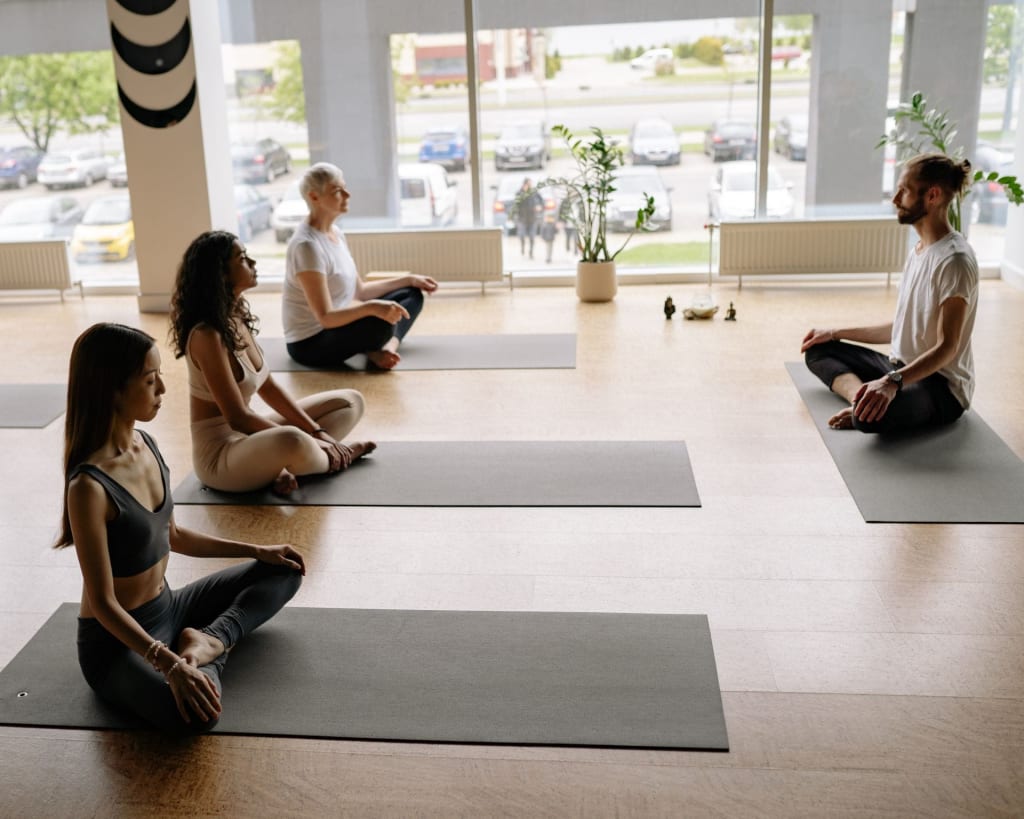
Meditation is often presented as the heart of mindfulness. Sit still. Close your eyes. Focus on your breath. Watch your thoughts pass by like clouds. Return to the present moment.
For some people, this practice is deeply helpful.
For others, it feels almost impossible.
A restless mind does not always settle just because the body is still. The moment some people close their eyes, thoughts become louder. To-do lists appear. Old conversations replay. Future worries arrive. The body fidgets. Silence feels uncomfortable. Instead of feeling peaceful, meditation can feel like sitting inside a room full of mental noise.
This does not mean mindfulness is not for you.
It may simply mean traditional seated meditation is not the best starting point.
Mindfulness is bigger than meditation. It is the practice of paying attention to the present moment with awareness, curiosity, and less judgment. That can happen while walking, cooking, stretching, cleaning, breathing, listening, writing, creating, eating, showering, gardening, or even using technology more intentionally.
Modern mindfulness recognizes that people live busy, overstimulated lives. Not everyone can sit silently for 30 minutes. Not everyone feels safe closing their eyes. Not everyone connects with stillness immediately. Restless minds often need movement, texture, sound, structure, or sensory anchors.
The goal is not to force calm.
The goal is to return to presence in a way your nervous system can actually receive.
What Is Mindfulness?
Mindfulness is the practice of being aware of what is happening now.
It can include awareness of:
- Thoughts
- Emotions
- Body sensations
- Breathing
- Sounds
- Surroundings
- Movement
- Habits
- Reactions
- Choices
- Relationships
- Daily routines
Mindfulness does not mean having no thoughts. It does not mean being peaceful all the time. It does not mean becoming detached from life.
It means noticing what is happening without immediately running away from it, judging it, or reacting automatically.
A mindful moment might be as simple as realizing:
I am tense.
I am rushing.
I am hungry.
I am anxious.
I am scrolling because I feel lonely.
I am holding my breath.
I am not listening fully.
That small moment of noticing creates space. In that space, you can choose a better response.
Why Traditional Meditation Does Not Work for Everyone
Traditional meditation can be powerful, but it is not always easy.
Some people struggle with meditation because:
- Their mind feels too active
- Sitting still feels uncomfortable
- Silence increases anxiety
- They expect instant calm
- They judge themselves for having thoughts
- They do not know what to focus on
- Their body needs movement first
- They have trauma or nervous system sensitivity
- They fall asleep
- They feel bored
- They think they are “doing it wrong”
Many people quit mindfulness because they believe meditation is the only path. They try sitting silently, feel restless, and decide mindfulness is not for them.
But mindfulness is flexible.
If the mind is restless, the practice can meet the mind where it is.
Instead of forcing stillness, modern mindfulness offers many doors into awareness.
The Restless Mind in the Digital Age
Restlessness is not only personal. It is cultural.
Modern life trains attention to jump quickly.
A person may check messages, read headlines, answer emails, scroll social media, switch tabs, watch short videos, compare lives, respond to notifications, and absorb dozens of emotional signals before breakfast.
The brain becomes used to stimulation.
Then, when everything gets quiet, the mind does not immediately relax. It searches for the next input.
This is why many people feel restless when they try to meditate. Their attention has been trained to expect constant novelty.
Modern mindfulness helps retrain attention gently.
It does not shame the restless mind. It gives it healthier anchors.
Also Read: Mindfulness and Meditation Practices in 2025: The Path to Inner Clarity in a Noisy World
Mindfulness Beyond Sitting Still
Mindfulness can happen anywhere.
You can practice mindfulness while:
- Walking
- Washing dishes
- Drinking tea
- Stretching
- Breathing
- Listening to music
- Taking a shower
- Journaling
- Drawing
- Eating
- Cleaning
- Gardening
- Exercising
- Talking with someone
- Waiting in line
- Commuting
- Resting before sleep
The key is attention.
Are you present for what you are doing?
Or is your body in one place while your mind is somewhere else?
A restless mind often benefits from mindfulness practices that include physical action. Movement gives the mind something to follow.
Practice 1: Mindful Walking
Mindful walking is one of the best mindfulness practices for restless minds.
Instead of sitting still, you bring awareness to movement.
You can practice indoors, outside, in a hallway, in a garden, on a quiet street, or even while walking from one room to another.
Notice:
- Your feet touching the ground
- The rhythm of your steps
- The movement of your legs
- The swing of your arms
- The air on your skin
- Sounds around you
- Your breathing
- The colours you see
- The feeling of moving through space
You do not need to walk slowly unless you want to. You simply walk with awareness.
If your mind wanders, gently return to your steps.
Mindful walking is especially helpful when anxiety makes stillness difficult.
Practice 2: The Five-Senses Grounding Method
The five-senses method brings attention back to the present through sensory awareness.
It is simple and useful during stress, anxiety, overthinking, or emotional overwhelm.
Notice:
- Five things you can see
- Four things you can feel
- Three things you can hear
- Two things you can smell
- One thing you can taste
This practice works because it moves attention from mental spirals into immediate reality.
For example:
I see the window, my cup, the table, my hands, and a plant.
I feel my chair, my shirt, my feet on the floor, and the air on my face.
I hear traffic, a fan, and birds.
I smell coffee and soap.
I taste mint.
The mind returns to now.
Practice 3: Mindful Breathing Without Pressure
Breath awareness is a classic mindfulness practice, but many people make it too strict.
You do not need to breathe perfectly.
You do not need to force deep breaths.
You do not need to count for a long time.
Start with one simple instruction:
Notice one breath.
Feel the inhale.
Feel the exhale.
That is enough.
If helpful, try:
- Inhale gently through the nose
- Exhale slowly through the mouth
- Repeat three times
- Let the shoulders drop
For restless minds, short breath practices often work better than long sessions.
One mindful breath before replying to a message can change the entire tone of a conversation.
Practice 4: Box Breathing
Box breathing gives structure to the restless mind.
The pattern is:
- Inhale for 4 counts
- Hold for 4 counts
- Exhale for 4 counts
- Hold for 4 counts
Repeat for a few rounds.
The counting gives the mind something to do. This can make it easier than open-ended meditation.
Box breathing is useful before meetings, difficult conversations, exams, travel, or sleep.
If holding the breath feels uncomfortable, shorten the count or skip the hold. Mindfulness should support the body, not stress it.
Practice 5: The One-Minute Reset
A restless mind may resist long practices, so start with one minute.
Set a timer for 60 seconds.
During that minute:
- Put both feet on the floor
- Relax your jaw
- Notice your breathing
- Feel your hands
- Look around the room
- Name what you are feeling
- Let the body settle slightly
One minute may seem too small, but small practices are powerful because they are repeatable.
A one-minute reset can be used between tasks, after a phone call, before eating, or when emotions rise.
Mindfulness does not need to be long to be real.
Practice 6: Mindful Journaling
Some minds need words before they can find calm.
Mindful journaling allows thoughts to move out of the head and onto paper.
You can write:
- What am I feeling right now?
- What is my body telling me?
- What thought keeps repeating?
- What do I need today?
- What am I avoiding?
- What is one thing I can release?
- What is one small next step?
- What is actually true right now?
Do not worry about grammar or style. The goal is awareness.
A restless mind often becomes quieter when it feels heard.
Journaling can turn mental noise into visible patterns.
Practice 7: Brain Dumping
A brain dump is a practical mindfulness tool for busy minds.
Write down everything occupying your attention.
This may include:
- Tasks
- Worries
- Ideas
- Reminders
- Emotions
- Questions
- Random thoughts
- Appointments
- Unfinished conversations
- Things to buy
- Things to fix
- Things you fear forgetting
Once everything is on paper, the mind often relaxes.
A brain dump does not solve everything immediately, but it reduces the pressure of carrying everything internally.
After writing, choose one next action.
Mindfulness becomes easier when the mind is less cluttered.
Practice 8: Mindful Cleaning
Cleaning can become a mindfulness practice when done with full attention.
Choose one small task:
- Washing a cup
- Folding clothes
- Wiping a table
- Sweeping the floor
- Making the bed
- Organizing a drawer
Notice:
- The movement of your hands
- The texture of the object
- The smell of soap
- The sound of water
- The rhythm of folding
- The visual change from messy to clear
Mindful cleaning works well for restless minds because it combines movement, sensory awareness, and visible progress.
The goal is not to clean the entire house.
The goal is to be present with one task.
Practice 9: Mindful Eating
Many people eat while scrolling, watching, working, or rushing.
Mindful eating invites you to return to the experience of food.
Try one meal or snack without a screen.
Notice:
- Colour
- Smell
- Texture
- Temperature
- First bite
- Chewing
- Flavour changes
- Hunger level
- Fullness
- Gratitude
You do not need to eat slowly forever. Start with the first three bites.
Mindful eating can improve awareness of hunger, satisfaction, and emotional eating patterns.
It also turns an ordinary moment into a grounding ritual.
Practice 10: Tea or Coffee Mindfulness
A cup of tea or coffee can become a simple daily mindfulness practice.
Instead of drinking automatically, pause.
Notice:
- The warmth of the cup
- The steam
- The smell
- The first sip
- The taste
- The pause between sips
- The feeling in your body
Let this be a moment where nothing else is required.
No phone.
No rushing.
No multitasking.
Just one drink, fully experienced.
For restless minds, attaching mindfulness to an existing habit makes practice easier.
Practice 11: Mindful Showering
A shower is a natural place for mindfulness because it is already sensory.
Notice:
- Water temperature
- Sound of water
- Feeling on skin
- Scent of soap
- Movement of hands
- Steam
- Breath
- The transition from tired to refreshed
You can also imagine the water helping you release the day.
A mindful shower can become a reset between work and evening, or between stress and sleep.
It is simple, private, and easy to repeat.
Practice 12: Music Listening as Mindfulness
For people who dislike silence, music can be a doorway into mindfulness.
Choose one song.
Listen without multitasking.
Notice:
- Instruments
- Rhythm
- Lyrics
- Bass
- Melody
- Breath in the singer’s voice
- Emotional response
- Memories that arise
- Body movement
- Silence after the song ends
Music gives the restless mind something rich to focus on.
This practice is especially helpful for people who connect strongly with sound.
Practice 13: Sound Bath or Ambient Listening
Sound-based mindfulness uses tones, vibrations, or ambient sound to anchor awareness.
You can use:
- Singing bowl recordings
- Rain sounds
- Ocean waves
- Soft instrumental music
- Wind sounds
- Chimes
- Brown noise
- White noise
- Gentle sound bath audio
Lie down or sit comfortably and allow the sound to guide attention.
If thoughts wander, return to hearing.
This is useful for people who find breath focus uncomfortable.
Sound can hold attention gently.
Practice 14: Mindful Stretching
Stretching can bring awareness back into the body.
Choose slow, simple movements:
- Neck rolls
- Shoulder circles
- Gentle side stretch
- Forward fold
- Cat-cow stretch
- Wrist stretch
- Hip stretch
- Child’s pose
- Legs up the wall
Notice sensation without forcing.
Ask:
Where do I feel tight?
Where do I feel ease?
Am I holding my breath?
Can I soften slightly?
Mindful stretching is not about flexibility. It is about listening.
Practice 15: Yoga for Restless Minds
Yoga can be mindfulness in motion.
For restless minds, yoga may be easier than seated meditation because the body has something to do.
Gentle yoga, yin yoga, restorative yoga, or slow flow can help connect breath, movement, and awareness.
During yoga, focus on:
- Breath
- Alignment
- Sensation
- Balance
- Transitions
- Muscle engagement
- Relaxation
- Emotional shifts
You do not need advanced poses.
A few mindful movements can bring the mind back into the body.
Practice 16: Mindful Running or Exercise
Exercise can become mindfulness when attention is present.
Instead of using movement only to escape thoughts, use it to notice the body.
During walking, running, cycling, swimming, or strength training, notice:
- Breath rhythm
- Muscle effort
- Heartbeat
- Sweat
- Footsteps
- Posture
- Energy level
- Resistance
- Recovery
- The moment you want to quit
- The moment you feel strong
Mindful exercise connects physical effort with mental awareness.
For some people, movement is the most natural form of meditation.
Practice 17: Creative Mindfulness
Creativity is a powerful mindfulness practice.
Try:
- Drawing
- Painting
- Writing
- Photography
- Pottery
- Knitting
- Cooking
- Playing music
- Collage
- Gardening
- Crafting
- Decorating
- Calligraphy
The goal is not perfection.
The goal is attention.
Notice colour, texture, shape, sound, movement, and feeling.
Creative mindfulness helps restless minds because it gives energy somewhere meaningful to go.
You are not suppressing thoughts. You are transforming attention into expression.
Practice 18: Mindful Photography
Mindful photography trains you to see.
Take a walk with your phone or camera, but do not use it for scrolling.
Look for:
- Light
- Shadows
- Reflections
- Small details
- Textures
- Colours
- Patterns
- Ordinary beauty
- Faces of buildings
- Leaves
- Doors
- Sky
- Hands
- Morning light
Take photos slowly.
This practice turns the act of seeing into meditation.
It can help restless minds become curious instead of scattered.
Practice 19: Mindful Gardening
Gardening naturally invites mindfulness.
You work with soil, water, plants, sunlight, seasons, and patience.
Notice:
- Soil texture
- Leaf shape
- Plant growth
- Water sound
- Insects
- Smell of earth
- Weather
- Small changes over time
Even caring for one indoor plant can become a mindful ritual.
Gardening reminds the restless mind that not everything grows instantly.
Some things need time.
Practice 20: Digital Mindfulness
Modern mindfulness must include technology.
Digital mindfulness means using devices with awareness instead of automatic habit.
Ask before opening an app:
Why am I opening this?
What am I looking for?
How do I feel right now?
Will this help me or drain me?
Set small boundaries:
- No phone during meals
- No social media before sleep
- Notifications off for non-essential apps
- One screen-free hour daily
- App limits
- Phone outside the bedroom
- Unfollow accounts that trigger comparison
- Check messages at set times
- Single-task instead of multitasking
Digital mindfulness is not about hating technology.
It is about not letting technology control your attention.
Practice 21: Mindful Scrolling
If you are going to scroll, scroll mindfully.
Notice:
- What content pulls you in?
- What makes you compare?
- What makes you anxious?
- What inspires you?
- What makes you angry?
- What do you feel in your body?
- When do you lose track of time?
- Why do you keep scrolling?
After a few minutes, pause and ask:
Do I want to continue?
This small question brings choice back into the habit.
Mindful scrolling may sound strange, but it can help reduce automatic digital consumption.
Practice 22: Single-Tasking
A restless mind often jumps because it is trained by multitasking.
Single-tasking is a mindfulness practice.
Choose one task and do only that task for a short period.
For example:
- Write one email
- Wash dishes
- Read one page
- Fold clothes
- Drink tea
- Walk outside
- Reply to one message
- Prepare one meal
When the mind wants to switch, notice the impulse.
Then return.
Single-tasking builds attention like a muscle.
Practice 23: Mindful Listening
Mindful listening improves relationships and presence.
During a conversation, practice listening without preparing your response.
Notice:
- The person’s words
- Tone of voice
- Facial expression
- Emotion underneath the words
- Your urge to interrupt
- Your assumptions
- Your body reaction
Then respond more slowly.
Mindful listening says:
I am here with you.
This practice can reduce conflict because people feel heard.
For restless minds, mindful listening provides an external anchor: the other person.
Practice 24: Mindful Speaking
Mindful speaking means pausing before words leave your mouth.
Ask:
Is this true?
Is this necessary?
Is this kind?
Is this the right time?
Am I reacting or responding?
This is especially useful during conflict.
A single mindful pause can prevent regret.
Restless minds often speak quickly to release emotion. Mindful speaking helps emotion move through awareness first.
Practice 25: Emotional Labeling
Sometimes mindfulness begins with naming the feeling.
Instead of saying, “I am overwhelmed,” get specific.
Maybe you feel:
- Anxious
- Sad
- Angry
- Lonely
- Embarrassed
- Disappointed
- Jealous
- Tired
- Pressured
- Afraid
- Restless
- Confused
- Hurt
Naming emotion helps create distance from it.
Instead of being swallowed by the feeling, you observe it.
Try:
“This is anxiety.”
“This is loneliness.”
“This is frustration.”
“This is fear.”
A named emotion is easier to work with than a vague storm.
Practice 26: Body Scan for People Who Cannot Sit Still
A traditional body scan can feel long, but you can make it short.
Try a 30-second body scan.
Ask:
Is my jaw tight?
Are my shoulders raised?
Am I clenching my hands?
Is my stomach tense?
Are my feet grounded?
Am I breathing shallowly?
Then soften one area.
Just one.
Relax your jaw.
Lower your shoulders.
Unclench your hands.
This is mindfulness in daily life.
Practice 27: The Hand-on-Heart Pause
Place one hand on your heart or chest.
Take one slow breath.
Say silently:
I am here.
This is hard, but I am here.
I can take one moment.
This practice combines touch, breath, and self-compassion.
It is helpful during emotional overwhelm, grief, stress, or self-criticism.
Restless minds often need reassurance, not discipline.
Practice 28: Mindful Waiting
Waiting often triggers phone checking.
Waiting in line, waiting for food, waiting for a reply, waiting for transport, waiting for an appointment — these are chances to practice.
Instead of reaching for your phone immediately, notice:
- Your breath
- Your posture
- Sounds around you
- People moving
- Light in the room
- Your impatience
- The urge to be entertained
Waiting becomes a mindfulness gym.
You practice being where you are without needing to escape.
Practice 29: Micro-Mindfulness
Micro-mindfulness means practicing for a few seconds many times a day.
Examples:
- One breath before opening email
- Feel your feet before standing up
- Notice water while washing hands
- Pause before answering a call
- Relax shoulders at every red light
- Take three breaths before eating
- Look out the window for ten seconds
- Notice the first sip of coffee
- Feel the door handle before entering home
- Exhale before replying to a message
These tiny practices train attention gently.
For restless minds, micro-mindfulness is often more sustainable than long meditation.
Practice 30: Mindful Transitions
Many people rush from one thing to the next without mentally arriving.
Mindful transitions create a pause between roles.
For example:
- Before starting work
- After ending work
- Before entering home
- Before calling someone
- After a stressful meeting
- Before sleep
- After waking
- Before driving
- After exercise
Try a transition ritual:
Pause.
Breathe.
Notice where you are.
Ask, “What am I moving into now?”
This helps the mind change gears instead of carrying stress everywhere.
Practice 31: Gratitude With Specificity
Gratitude can become vague if practiced mechanically.
Instead of writing “I am grateful for my life,” get specific.
Try:
I am grateful for the warm light in my room.
I am grateful for the message my friend sent.
I am grateful that my body carried me through today.
I am grateful for clean water.
I am grateful for the meal I ate.
Specific gratitude brings attention to real moments.
It trains the mind to notice what is already present.
Practice 32: Mindful Self-Compassion
Restless minds are often harsh with themselves.
They say:
Why can’t I relax?
Why am I like this?
Why am I so distracted?
I am terrible at mindfulness.
Self-compassion changes the tone.
Try saying:
My mind is busy because I am human.
I can begin again.
I do not need to do this perfectly.
A restless mind still deserves kindness.
This moment is enough practice.
Mindfulness without compassion can become another form of self-criticism.
Real mindfulness is gentle.
Practice 33: Nature Mindfulness
Nature naturally supports awareness.
You do not need a forest. A small plant, sky, breeze, bird, tree, or patch of sunlight can help.
Try noticing:
- Cloud movement
- Leaf patterns
- Birdsong
- Wind
- Temperature
- Shadows
- Soil
- Water
- Insects
- Tree bark
- Sunlight on a wall
Nature moves at a different pace than digital life.
Spending even a few minutes with natural details can soften mental restlessness.
Practice 34: Mindful Breathing While Walking Outside
Combine walking, breath, and nature.
Try:
Inhale for three steps.
Exhale for four steps.
Repeat gently.
Or simply notice how your breath changes as you walk.
This gives the restless mind structure while the body moves.
It is especially useful when seated meditation feels impossible.
Practice 35: Mindful Decluttering
Decluttering can become mindfulness when done slowly and honestly.
Choose one small area:
- Desk drawer
- Bag
- Shelf
- Nightstand
- Phone gallery
- Email inbox
- Wardrobe corner
Ask:
Do I use this?
Do I need this?
Does this support my life now?
What feeling comes up when I hold this?
Mindful decluttering is not only about removing things. It is about noticing attachment, guilt, identity, and mental load.
A clearer space can support a clearer mind.
Practice 36: Mindful Money Moments
Money can trigger anxiety, avoidance, or impulsive behavior.
Mindful money practice means pausing before spending or avoiding.
Before buying something, ask:
Do I need this?
Do I want this for joy or for validation?
Can I afford it?
Will I still value it tomorrow?
Am I buying because I feel stressed?
When checking finances, breathe first.
Money mindfulness reduces shame and reactivity.
It helps you build a healthier relationship with financial decisions.
Practice 37: Mindful Boundaries
Boundaries are mindfulness in action.
They require awareness of your limits.
Notice:
- When you feel resentful
- When you say yes but mean no
- When your body tightens
- When you feel drained
- When you avoid messages
- When you need space
- When you are overcommitted
A mindful boundary might be:
“I cannot talk right now, but I can call later.”
“I need time to think.”
“I am not available this weekend.”
“I do not want to discuss that.”
“I need rest tonight.”
Mindfulness helps you notice the limit before burnout arrives.
Practice 38: Mindful Rest
Restless minds often turn rest into productivity.
Even rest becomes optimized, tracked, scheduled, and judged.
Mindful rest means allowing rest to be rest.
You may:
- Lie down
- Sit quietly
- Listen to soft music
- Watch clouds
- Take a nap
- Drink tea
- Breathe
- Do nothing for five minutes
The practice is noticing the guilt or discomfort that arises.
Many people do not need more productivity.
They need permission to stop.
Practice 39: Mindful Anger
Anger can be mindful too.
Mindfulness does not require suppressing anger. It means noticing anger before it becomes destructive.
When anger rises, ask:
Where do I feel this in my body?
What boundary feels crossed?
What story am I telling?
What do I need?
What action would help without causing harm?
Take a pause before speaking or sending messages.
Anger often carries information. Mindfulness helps you hear it without letting it drive recklessly.
Practice 40: Mindful Evening Review
At the end of the day, take two minutes.
Ask:
What drained me today?
What gave me energy?
When was I present?
When was I reactive?
What do I need tomorrow?
What can I release tonight?
This practice helps you learn your patterns.
It turns daily life into a teacher.
A restless mind becomes less chaotic when it reflects gently.
Building a Mindfulness Routine That Actually Works
A good mindfulness routine should fit your real life.
Do not start with a plan that feels impossible.
Instead, choose one or two practices.
For example:
Morning: one-minute breathing before checking phone.
Afternoon: mindful walking for five minutes.
Evening: journal three lines.
Or:
During work: one breath before emails.
After work: mindful shower.
Before sleep: no phone for 20 minutes.
Consistency matters more than intensity.
A small practice done daily is better than a perfect routine abandoned after three days.
Common Mistakes Restless Minds Make With Mindfulness
Mistake 1: Expecting Instant Calm
Mindfulness is not a switch. It is a practice.
Mistake 2: Thinking Thoughts Mean Failure
Thoughts are part of the practice. Noticing them is mindfulness.
Mistake 3: Forcing Stillness Too Soon
Some minds need movement before stillness.
Mistake 4: Practicing Only When Stressed
Mindfulness works better when practiced during ordinary moments too.
Mistake 5: Turning Mindfulness Into Performance
You do not need to be the perfect peaceful person.
Mistake 6: Ignoring the Body
Restless thoughts often soften when the body feels grounded.
Mistake 7: Using Mindfulness to Avoid Problems
Mindfulness helps you face life more clearly, not escape responsibility.
Mindfulness Is Not About Emptying the Mind
This is one of the biggest misunderstandings.
The goal is not to have no thoughts.
The goal is to notice thoughts without being controlled by all of them.
A restless mind may still be restless during mindfulness practice. That is okay.
Each time you notice wandering and return to the present, you are practicing.
The return is the practice.
Not perfect calm.
Not silence.
Not enlightenment.
Just returning.
When Mindfulness Feels Uncomfortable
Sometimes mindfulness brings up uncomfortable feelings.
When you slow down, you may notice sadness, anxiety, anger, loneliness, grief, or exhaustion that you were avoiding.
This does not mean mindfulness is harming you. It may mean you are finally hearing yourself.
However, if mindfulness feels overwhelming, intense, or triggering, choose gentler practices and seek support if needed.
Try:
- Eyes open
- Short sessions
- Movement-based mindfulness
- Grounding through senses
- Practicing with a trusted guide
- Avoiding long silence
- Using journaling
- Talking to a therapist if difficult emotions arise
Mindfulness should be adapted to your nervous system.
You do not have to force yourself into practices that feel unsafe.
Mindfulness and Therapy
Mindfulness can support emotional well-being, but it is not a replacement for therapy or medical care.
If you struggle with trauma, severe anxiety, depression, panic, obsessive thoughts, addiction, or overwhelming emotional distress, professional support may be important.
Mindfulness can be part of healing, but it should not become pressure to fix everything alone.
Sometimes the most mindful choice is asking for help.
The Modern Mindfulness Mindset
Modern mindfulness is practical.
It does not require a silent retreat, perfect posture, expensive tools, spiritual identity, or hours of free time.
It asks:
Can you be present for one breath?
Can you notice your body?
Can you pause before reacting?
Can you listen fully?
Can you eat one bite with awareness?
Can you walk without rushing for one minute?
Can you put the phone down before sleep?
Can you name what you feel?
Can you return to now?
This is mindfulness for real life.
Messy life.
Busy life.
Digital life.
Restless life.
Final Thoughts: Restless Minds Need Gentle Doorways
Mindfulness is not only meditation.
It is not only silence, stillness, cushions, candles, or closed eyes. Those can be beautiful, but they are not the only way.
For restless minds, mindfulness may begin with walking, stretching, journaling, cleaning, listening to music, drinking tea, noticing the sky, washing dishes, taking one breath, or pausing before opening an app.
The practice is not about becoming a different person.
It is about meeting yourself where you are.
Some minds are naturally active. Some bodies need movement. Some nervous systems need safety before stillness. Some people need sound, texture, rhythm, or words before silence feels possible.
That is okay.
Mindfulness is not a rigid rule. It is a relationship with the present moment.
The restless mind does not need to be punished into peace.
It needs patient attention.
It needs small returns.
It needs practices that feel human.
And sometimes, the first mindful act is simply this:
Noticing that you are restless — and choosing to be kind to yourself anyway.