Why Self-Pleasure Before Sleep May Improve Rest, Mood, and Relaxation
Sleep is one of the most important parts of human health, yet millions of people struggle to fall asleep, stay asleep, or wake up feeling restored. Some people try meditation. Some drink herbal tea. Some use breathing exercises, weighted blankets, white noise, or strict bedtime routines. But one natural behavior is now getting more attention from researchers: self-pleasure before sleep.
For many adults, masturbation is a private and normal part of sexual health. It can help people understand their bodies, release tension, experience pleasure, and relax. For a long time, people talked about it mostly through myths, shame, or jokes. Now, science is beginning to examine it more seriously, especially in relation to sleep quality, stress, and mood.
Recent studies suggest that sexual activity before bedtime, including solo masturbation, may help some people sleep better. The benefits appear to be strongest when sexual activity leads to orgasm, though research is still developing and not every study finds the same effect for every person. Some findings show improved sleep efficiency, less wakefulness after falling asleep, and greater relaxation after sexual release.
This does not mean self-pleasure is a magic cure for insomnia. It does not replace medical treatment for sleep disorders, anxiety, depression, chronic stress, or hormonal problems. But for healthy adults, it may be one simple part of a calming bedtime routine.
The reason is not mysterious. Orgasm and sexual arousal affect the nervous system, hormones, mood, muscle tension, and emotional state. After climax, many people feel calmer, sleepier, and more mentally settled. The body shifts from arousal into relaxation. Stress may drop. The mind may stop racing. This transition can make sleep feel easier.
In a world where people are constantly stimulated by screens, work pressure, social media, and late-night anxiety, self-pleasure may help some adults reconnect with the body and move into a more restful state.
What Does Self-Pleasure Before Sleep Mean?
Self-pleasure before sleep usually refers to masturbation or solo sexual stimulation as part of a private evening routine. It may or may not include orgasm. It may involve fantasy, touch, body awareness, or simply taking time to relax physically.
In a health context, the important point is not performance. It is not about forcing orgasm or treating masturbation like a sleep medication. It is about understanding how sexual release and relaxation may influence the body’s natural sleep process.
For some people, self-pleasure before bed feels calming. For others, it may feel energizing or emotionally complicated. Human sexuality is individual, and sleep responses are also individual. What helps one person relax may not help another.
That is why the best approach is balanced: self-pleasure may support better sleep for some adults, especially when it leads to relaxation and orgasm, but it is not a universal solution.
Also Read: Effective Ways to Stop Being Horny and Relieve Sexual Tension
Why Sleep Quality Matters So Much
Sleep is not just rest. It is an active biological process that supports nearly every system in the body.
Good sleep helps with:
Memory
Mood regulation
Hormonal balance
Immune function
Heart health
Metabolism
Focus and decision-making
Emotional control
Muscle repair
Brain detoxification processes
When sleep is poor, everything feels harder. Stress becomes heavier. Small problems feel bigger. Food cravings increase. Motivation drops. The immune system may weaken. Long-term poor sleep is linked with higher risk of several health problems.
Sleep quality includes more than the number of hours spent in bed. A person can spend eight hours in bed and still wake up tired if they are restless, waking often, or taking too long to fall asleep.
Important sleep quality factors include:
How quickly you fall asleep
How often you wake up
How long you stay awake during the night
How deeply you sleep
How refreshed you feel in the morning
How consistent your sleep schedule is
This is where self-pleasure may matter. Some research suggests that sexual activity before bed may reduce nighttime wakefulness and improve sleep efficiency, meaning a person spends more of their time in bed actually sleeping.
What Recent Studies Suggest
Research on masturbation and sleep is still relatively limited, partly because sexuality is private and can be difficult to study in controlled conditions. Still, the field is growing.
Recent research has explored how sexual activity before bedtime affects sleep quality, sleep latency, sleep efficiency, and wakefulness after sleep onset.
Some studies suggest that sexual activity with orgasm may help people fall asleep faster and report better sleep. Other studies suggest that solo masturbation may improve objective sleep quality by reducing wakefulness during the night and increasing sleep efficiency.
However, the evidence is not perfectly consistent. In one diary study, partnered sex with orgasm was linked with improved sleep outcomes, while masturbation with orgasm did not show the same clear effect in that specific longitudinal analysis. In another pilot study using objective sleep measures, both solo masturbation and partnered sexual activity were linked with better sleep efficiency.
This means the science is promising, but not final.
The most responsible conclusion is this: self-pleasure before sleep may improve rest for some adults, especially when it leads to orgasm and relaxation, but more research is needed to understand who benefits most, how strong the effect is, and how it compares with other sleep habits.
How Self-Pleasure May Help the Body Relax
The body does not fall asleep well when it feels threatened, tense, or overstimulated. Sleep requires a shift into safety and relaxation. Self-pleasure may support that shift in several ways.
During sexual arousal, the body becomes activated. Heart rate may rise, breathing changes, and blood flow increases. After orgasm, many people experience a noticeable release. Muscles relax. Breathing slows. The mind may feel quieter. A sense of warmth, calm, or satisfaction may follow.
This post-orgasm state may make it easier for the nervous system to move away from stress and toward rest.
The process may involve several biological systems:
The nervous system
Hormones
Neurotransmitters
Muscle relaxation
Emotional release
Stress reduction
Body awareness
The combination of physical pleasure and mental calm can create a natural bridge into sleep.
The Role of Hormones After Orgasm
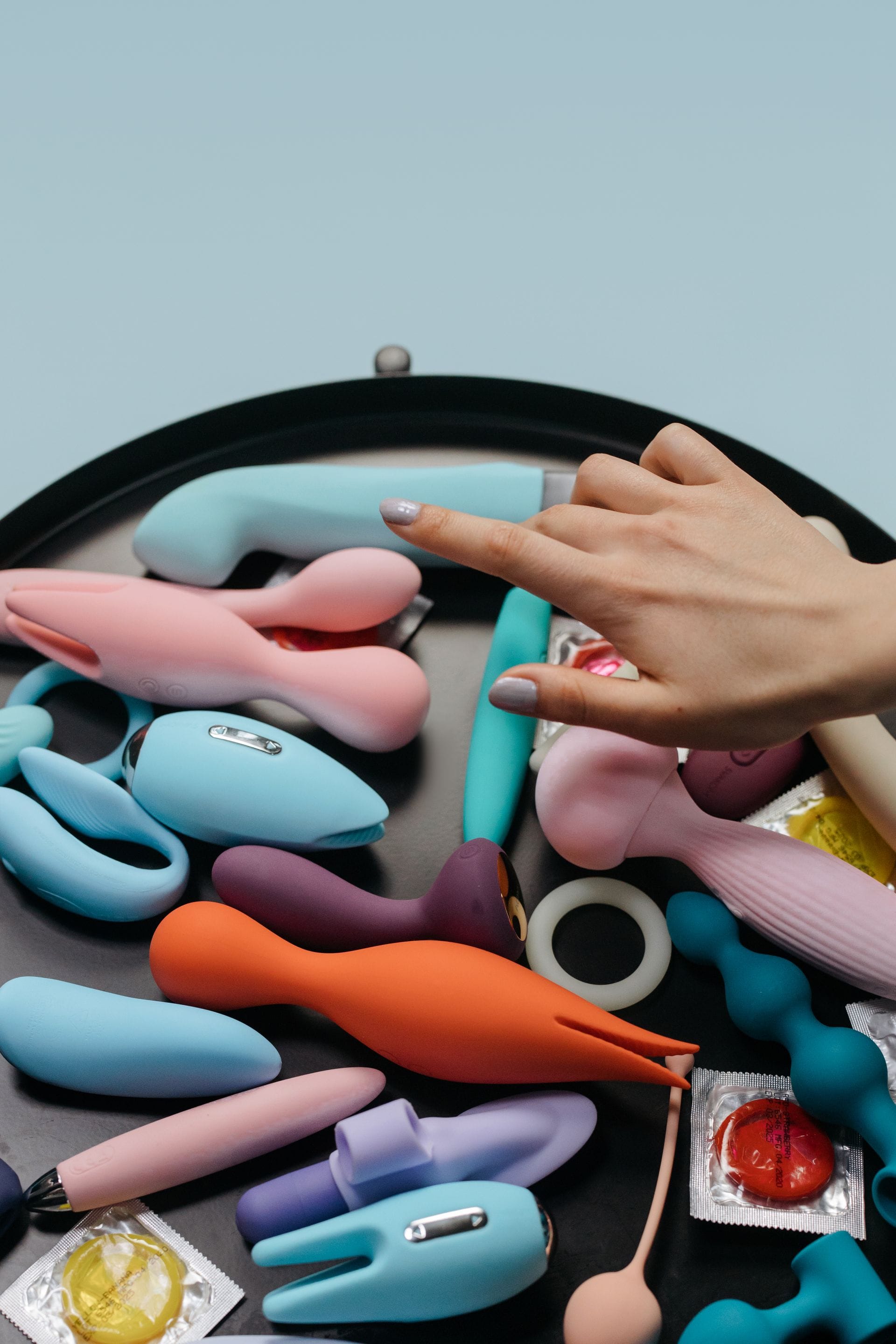
One reason orgasm may promote sleep is that it affects hormones and brain chemicals linked with relaxation, bonding, pleasure, and stress relief.
Oxytocin
Oxytocin is often called the bonding hormone, though its role is more complex than that. It is associated with connection, comfort, trust, and emotional warmth. Oxytocin can rise during sexual activity and orgasm.
After orgasm, increased oxytocin may contribute to feelings of calm and safety. This emotional shift may help the body relax before sleep.
Prolactin
Prolactin is another hormone that can rise after orgasm. It is associated with sexual satisfaction and the refractory period. Some researchers believe prolactin may contribute to the sleepy or satisfied feeling people experience after climax.
Endorphins
Endorphins are natural chemicals that can reduce pain and promote a sense of well-being. They may help explain why sexual release can feel soothing, especially after a stressful day.
Dopamine and Reward
Sexual pleasure involves dopamine, a chemical linked with motivation and reward. During arousal, dopamine may increase. After climax, the body may shift away from reward-seeking and into satisfaction, which may reduce mental restlessness.
Cortisol Reduction
Cortisol is a stress hormone. High evening stress can make it difficult to sleep. Sexual release may help reduce stress for some people, indirectly supporting sleep readiness.
These hormonal changes do not affect everyone in the same way. But together, they help explain why self-pleasure before sleep may feel calming.
The Nervous System: From Arousal to Rest
The nervous system has two major modes that matter for sleep.
The sympathetic nervous system is associated with alertness, action, and stress. It helps the body respond to challenge.
The parasympathetic nervous system is associated with rest, digestion, recovery, and relaxation.
Good sleep usually requires parasympathetic dominance. The body needs to feel safe enough to let go.
Sexual activity involves a rise in arousal, but after orgasm, many people experience a parasympathetic rebound. This means the body may shift into a more relaxed state. That shift can feel like heaviness, warmth, emotional release, or sleepiness.
This may be one reason self-pleasure helps some people fall asleep. It gives the body a clear physical transition from tension to release.
Why Mood May Improve After Self-Pleasure
Sleep and mood are tightly connected. Poor sleep can worsen mood, and poor mood can worsen sleep. Anxiety, stress, loneliness, irritability, and emotional tension can all make it harder to rest.
Self-pleasure may improve mood through several pathways.
First, it can create pleasure and positive sensation. This may help interrupt anxious or repetitive thoughts.
Second, orgasm may trigger neurochemical changes that support calm and well-being.
Third, masturbation can give a sense of body ownership and emotional self-care. For people who experience their sexuality without shame or pressure, it can become a private way to reconnect with themselves.
Fourth, physical release may reduce tension. Many people carry stress in the body: jaw, shoulders, abdomen, hips, and pelvic muscles. Sexual release can soften some of that tension.
Fifth, it may help reduce loneliness or emotional emptiness at bedtime. Nighttime can make difficult feelings louder. A gentle, self-accepting routine may help some people feel more settled.
However, mood benefits depend strongly on personal beliefs and emotional context. If someone feels shame, guilt, fear, or conflict around masturbation, the mood effect may be negative rather than positive. This is why sexual health education matters. A non-judgmental understanding of the body can make a major difference.
Why Orgasm Seems Important
Some research suggests that sleep benefits are stronger when sexual activity leads to orgasm. This makes sense because orgasm creates a distinct physiological release.
Without orgasm, sexual arousal may leave some people more awake, stimulated, or frustrated. In some studies, sexual activity without orgasm was perceived as less helpful for sleep and sometimes linked with poorer sleep outcomes.
That does not mean orgasm is required every time. People should not pressure themselves. Pressure itself can interfere with both pleasure and sleep.
But from a biological perspective, orgasm may be the key event that shifts the body from arousal to relaxation. It is the release phase that may trigger the strongest sleep-promoting changes.
A practical way to frame this is: self-pleasure may be most sleep-supportive when it feels relaxing, satisfying, and complete rather than rushed, compulsive, or frustrating.
Self-Pleasure vs Partnered Sex for Sleep
Both solo and partnered sexual activity may influence sleep, but they are not identical experiences.
Partnered sex may include emotional closeness, touch, bonding, shared relaxation, and intimacy. These factors can add to the sleep-promoting effect for some people.
Self-pleasure, on the other hand, offers privacy, control, and simplicity. It does not require coordinating with a partner, managing another person’s expectations, or dealing with relationship dynamics. For many adults, this makes it easier to use as a quiet bedtime habit.
Research findings are mixed. Some studies show stronger sleep effects for partnered sex with orgasm. Others suggest solo masturbation can also improve objective sleep quality.
Both can be valid. The best option depends on the person, relationship status, emotional comfort, and what feels genuinely relaxing.
Why Self-Pleasure May Help People Who Overthink at Night
Many sleep problems begin in the mind. A person lies down, but the brain does not shut off. Thoughts start looping:
What did I forget today?
What if tomorrow goes badly?
Why did I say that?
What if something is wrong with me?
How will I finish this work?
Why can’t I sleep?
This mental overactivity increases stress, and stress makes sleep even harder.
Self-pleasure may help interrupt this cycle by shifting attention from thoughts to physical sensation. Instead of staying trapped in the mind, the person becomes more aware of the body. This can work similarly to other body-based relaxation methods, such as progressive muscle relaxation, breathing exercises, stretching, or warm baths.
The difference is that sexual pleasure may also include reward, emotional release, and hormonal relaxation.
For people whose insomnia is driven by overthinking, a calming body-based routine can sometimes help. Self-pleasure may be one such routine when used in a healthy, non-compulsive way.
The Importance of a Healthy Mindset
Self-pleasure before sleep is most likely to support rest when it is connected with relaxation, not pressure.
A healthy mindset may include:
Comfort with one’s body
Privacy
No shame
No fear
No unrealistic expectations
No compulsive urgency
No use as the only coping tool
No disruption of sleep schedule
The goal should not be, “I must do this or I cannot sleep.” That can create dependence or anxiety. Instead, it may be better understood as one optional relaxation practice among many.
Healthy self-pleasure should feel like a choice, not a requirement.
If someone feels unable to sleep without masturbation, loses control over the behavior, uses it to avoid all emotional problems, or feels distress about the frequency, it may help to speak with a healthcare provider or therapist.
Can Self-Pleasure Replace Sleep Hygiene?
No. Self-pleasure may support sleep, but it should not replace basic sleep hygiene.
Good sleep hygiene includes:
Keeping a consistent sleep schedule
Reducing bright light before bed
Avoiding heavy meals close to bedtime
Limiting caffeine late in the day
Reducing alcohol before sleep
Keeping the bedroom cool and dark
Avoiding work in bed
Managing screen use
Creating a calming wind-down routine
Getting daylight exposure in the morning
Being physically active during the day
If someone has poor sleep habits, masturbation alone will not fix the problem. For example, if a person drinks coffee late at night, scrolls social media for two hours in bed, and has an irregular sleep schedule, self-pleasure may help temporarily but will not solve the deeper issue.
The best approach is to combine healthy sleep habits with relaxation practices that work personally.
When Self-Pleasure Might Not Help Sleep
Self-pleasure is not sleep-promoting for everyone. In some cases, it may make sleep harder.
It might not help if:
It becomes compulsive
It is paired with long screen use
It causes guilt or emotional distress
It leads to overstimulation
It delays bedtime too much
It creates relationship conflict
It becomes the only way to manage stress
It is connected with anxiety or avoidance
For example, someone may intend to relax but spend an hour looking at stimulating content online. In that case, screen light, novelty, and dopamine-driven scrolling may make sleep worse.
Another person may feel shame afterward, which increases anxiety and makes rest harder.
The behavior itself is not automatically good or bad. Context matters.
The Role of Pornography and Screen Use
A discussion about masturbation before sleep should also mention pornography and screens.
Some adults use pornography during masturbation. For some, this may not create problems. For others, it may lead to overstimulation, compulsive use, unrealistic expectations, emotional distress, or delayed sleep.
Screens can also interfere with sleep through bright light, mental stimulation, and endless novelty. Even if orgasm relaxes the body afterward, prolonged screen use before bed may reduce the overall sleep benefit.
People who want to use self-pleasure as part of a sleep routine may benefit from keeping it simple, private, and low-stimulation. This may mean avoiding long scrolling sessions and choosing a calmer routine.
A helpful question is: does this habit leave me relaxed and ready to sleep, or more wired and distracted?
Self-Pleasure, Stress Relief, and Mental Health
Stress is one of the biggest enemies of sleep. When the body is stressed, it stays alert. The brain scans for threats. Muscles remain tense. Thoughts become repetitive.
Self-pleasure may reduce stress by giving the body a controlled, pleasurable release. It may create a moment of privacy and comfort at the end of the day. For some people, this can reduce anxiety and support emotional balance.
However, it is not a replacement for mental health care. If someone has persistent anxiety, depression, trauma symptoms, panic attacks, or severe insomnia, professional support may be needed.
Self-pleasure can be part of self-care, but it should not be the only tool. Healthy stress management also includes movement, social connection, therapy when needed, journaling, spiritual practices, breathing, time outdoors, and meaningful rest.
Is Masturbation Before Sleep Healthy?
For most adults, masturbation is considered a normal sexual behavior. It is usually healthy when it is private, consensual with oneself, not causing harm, and not interfering with responsibilities, relationships, or well-being.
It may become a concern if it feels out of control, causes physical injury, leads to major distress, interferes with work or relationships, or is used compulsively to escape emotions.
Healthy self-pleasure is not measured only by frequency. It is measured by relationship to the behavior.
Ask:
Do I feel in control?
Does it support relaxation rather than distress?
Does it interfere with sleep or help it?
Does it align with my values?
Does it affect my relationship negatively?
Do I use it as one coping tool, not my only coping tool?
If the answers are mostly positive, it is likely a normal part of sexual wellness.
Why Shame Can Harm Sleep and Mood
Many people grow up hearing negative messages about masturbation. They may be told it is dirty, dangerous, immoral, or harmful. These messages can create shame, even when the behavior is common and medically normal.
Shame can activate stress. Stress can worsen sleep. So even if the body relaxes after orgasm, the mind may become tense afterward if the person feels guilty or afraid.
This is why accurate, respectful sexual health education matters. People deserve to understand their bodies without panic or misinformation.
A balanced view is healthiest: masturbation is not a miracle cure, and it is not something to fear. It is a common adult behavior that may have benefits when practiced in a healthy way.
Practical Tips for Using Self-Pleasure as a Sleep-Supportive Habit
If an adult wants to explore self-pleasure as part of a bedtime routine, the goal should be calmness, not pressure.
Helpful tips include:
Keep the routine private and relaxed.
Avoid turning it into a strict requirement.
Limit screen time if screens make you more alert.
Pay attention to how your body responds.
Notice whether it improves or worsens sleep.
Avoid rushing or forcing orgasm.
Combine it with other sleep hygiene habits.
Use it as one option, not the only sleep tool.
If it makes you feel calm and sleepy, it may be useful. If it makes you feel wired, guilty, distracted, or delayed, another relaxation method may work better.
Who Should Be More Careful?
Some people may need a more thoughtful approach.
People with compulsive sexual behavior concerns should avoid using masturbation as an automatic response to every uncomfortable emotion.
People with trauma histories may have mixed emotional responses to sexual touch and may benefit from therapy or gentle body-based practices.
People in relationships may need open communication if sexual habits affect intimacy, trust, or expectations.
People with religious or cultural concerns may need to navigate the topic according to their values while avoiding unnecessary shame.
People with physical pain, genital irritation, pelvic floor issues, or sexual dysfunction should speak with a healthcare professional if symptoms persist.
People with chronic insomnia should not rely only on self-pleasure. Medical evaluation may be important, especially if sleep problems last longer than a few weeks or affect daily functioning.
When to Seek Help for Sleep Problems
Self-pleasure may help some people rest, but ongoing sleep problems deserve attention.
Consider speaking with a healthcare provider if:
You regularly cannot fall asleep
You wake many times at night
You wake too early and cannot return to sleep
You feel exhausted during the day
You snore loudly or stop breathing during sleep
You have restless legs at night
You rely heavily on alcohol or sedatives to sleep
Sleep problems last more than several weeks
Poor sleep affects work, mood, or relationships
There may be underlying causes such as sleep apnea, anxiety, depression, medication effects, hormonal changes, chronic pain, or circadian rhythm problems.
A Balanced Scientific Conclusion
The emerging research on self-pleasure and sleep is interesting and promising. Some studies suggest that sexual activity before bed, including solo masturbation, may improve sleep quality, reduce nighttime wakefulness, and increase sleep efficiency. Orgasm appears to be an important factor for many people because it triggers physical and emotional release.
The likely reasons include hormonal changes, nervous system relaxation, stress reduction, muscle release, improved mood, and a shift from mental overactivity into body-based calm.
But the evidence is still developing. Studies are often small, private behavior is difficult to measure, and results vary depending on whether sexual activity is solo or partnered, whether orgasm occurs, and how sleep is measured.
So the most honest answer is this: self-pleasure before sleep may help some adults sleep better and feel calmer, but it is not a guaranteed sleep treatment.
For people who already find it relaxing, it can be a healthy part of a bedtime routine. For people who do not, there are many other ways to prepare the body and mind for rest.
Final Thoughts: A Natural Pathway to Rest for Some Adults
Self-pleasure before sleep is not a new behavior, but science is beginning to understand it in a new way. Instead of treating masturbation as taboo or trivial, researchers are exploring how it may affect sleep, mood, and relaxation.
For many adults, sexual release can calm the nervous system, reduce stress, improve mood, and create a smoother transition into sleep. The effect may be strongest when orgasm occurs and when the experience is free from pressure, shame, or overstimulation.
Still, it should be seen as one possible tool, not a universal cure. Good sleep depends on many factors: routine, light exposure, stress levels, mental health, caffeine, physical activity, medical conditions, and emotional safety.
The deeper message is simple: the body and mind are connected. Pleasure, relaxation, mood, and sleep are not separate systems. They influence each other.
When approached with self-respect and balance, self-pleasure may be one natural way some adults help the body let go of the day and move into deeper rest.
Frequently Asked Questions
Does masturbation before sleep help you fall asleep?
It may help some adults fall asleep by promoting relaxation, reducing tension, and supporting post-orgasm hormonal changes. However, results vary from person to person.
Does orgasm improve sleep quality?
Orgasm may improve sleep quality for some people by helping the body shift from arousal to relaxation. Some studies suggest orgasm is an important factor in sleep-related benefits.
Can self-pleasure improve mood?
Yes, self-pleasure may improve mood for some adults by releasing tension, supporting pleasure-related brain chemicals, and reducing stress. However, if it causes guilt or distress, the mood effect may be negative.
Is masturbation before bed healthy?
For most adults, masturbation is a normal and healthy behavior when it is private, comfortable, non-compulsive, and not interfering with daily life or relationships.
Can masturbation cure insomnia?
No. Masturbation is not a cure for insomnia. It may support relaxation, but chronic sleep problems should be evaluated by a healthcare provider.
Why do people feel sleepy after orgasm?
People may feel sleepy after orgasm because of nervous system relaxation, muscle release, emotional satisfaction, and changes in hormones and neurotransmitters such as oxytocin, prolactin, and endorphins.
Is self-pleasure better than sleep medication?
Self-pleasure is not a replacement for prescribed sleep medication or medical care. It may be a natural relaxation habit for some adults, but medical sleep problems need professional guidance.
Can masturbation before sleep make sleep worse?
Yes, it can make sleep worse if it becomes compulsive, causes guilt, involves long screen use, delays bedtime, or leaves the person feeling more stimulated than relaxed.
Is it necessary to orgasm for better sleep?
Not always, but orgasm may be important for many people because it creates a stronger relaxation response. Without orgasm, sexual arousal may leave some people more awake.
Should self-pleasure be part of a bedtime routine?
It can be part of a bedtime routine for adults who find it relaxing and healthy. It should be optional, balanced, and combined with good sleep habits.