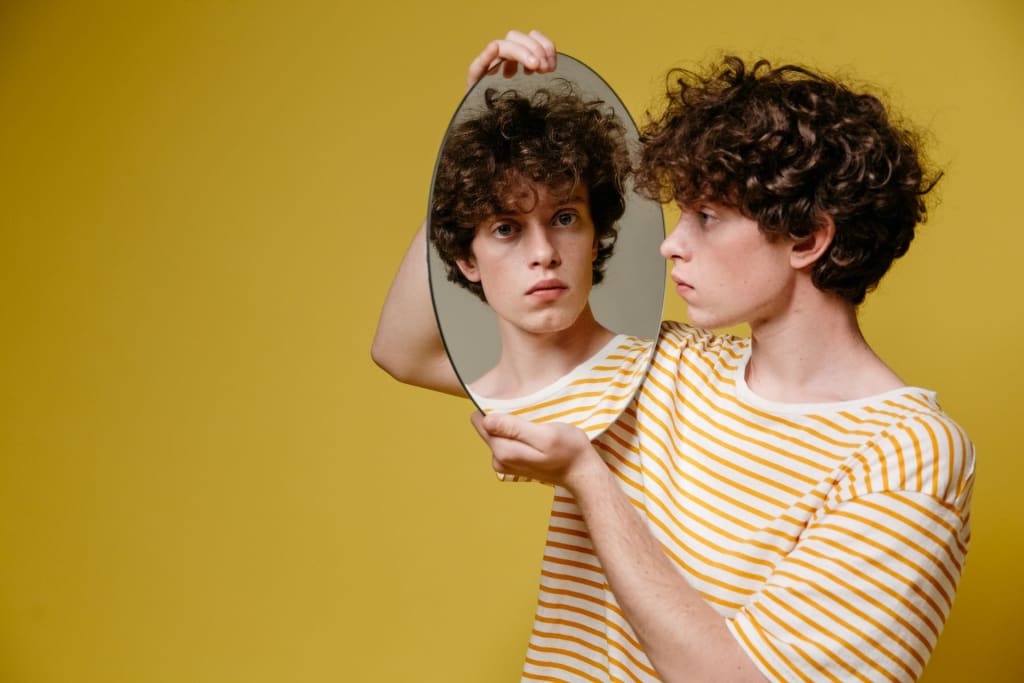
Triad Traits and Romantic Manipulation: Narcissism, Psychopathy, and the Desire to Enhance Appearance
Attraction has always played a role in romance. People dress well for dates, choose flattering photos, care about their body language, and try to make a strong first impression. Wanting to look attractive is not automatically unhealthy. Cosmetic procedures, fashion, grooming, fitness, skincare, and personal style can all be part of self-expression and confidence.
But appearance can also become a tool of power.
In some romantic relationships, beauty is not only about self-esteem. It becomes strategy. It becomes status. It becomes control. A person may use charm, sexuality, physical attractiveness, emotional intensity, or carefully managed image to gain influence over a partner. In psychology, this becomes especially interesting when it overlaps with the Dark Triad: narcissism, psychopathy, and Machiavellianism.
The Dark Triad describes three personality traits associated with manipulation, self-interest, low empathy, and exploitative social behavior. These traits do not automatically mean someone is a criminal or has a clinical disorder. Many people show mild versions of these traits in everyday life. But when the traits are strong, they can damage trust, intimacy, and emotional safety.
Recent psychology research suggests that Dark Triad traits may also be linked with attitudes toward cosmetic surgery and appearance enhancement. This connection makes sense. Narcissism is strongly tied to admiration, status, beauty, and external validation. Psychopathy may be linked with impulsivity, sensation-seeking, and using attractiveness instrumentally. Machiavellianism may involve strategic self-presentation and calculated social advantage.
In romantic relationships, these traits can create a powerful but risky pattern: appearance becomes a weapon, intimacy becomes a performance, and love becomes a game of influence.
This article explores how Dark Triad traits may shape romantic manipulation, why narcissism and psychopathy may be linked with cosmetic surgery desires, and how body image, status, insecurity, and control can become entangled in modern dating.
What Are Dark Triad Traits?
The Dark Triad is a personality framework that includes three related but distinct traits:
Narcissism
Machiavellianism
Psychopathy
These traits are called “dark” because they are associated with socially harmful tendencies such as manipulation, selfishness, emotional coldness, exploitation, and low concern for others.
This does not mean every person with one of these traits is dangerous. Personality exists on a spectrum. Someone may have mild narcissistic traits, such as enjoying admiration, without being abusive. Someone may be strategic without being cruel. Someone may be bold or thrill-seeking without being psychopathic.
The concern begins when these traits become strong enough to distort relationships.
Dark Triad traits often involve:
Low empathy
High self-focus
Manipulative behavior
Desire for control
Superficial charm
Emotional detachment
Impulsivity
Status-seeking
Exploitation of others
Difficulty with genuine intimacy
In romance, these traits can be confusing because they may appear attractive at first. A person high in Dark Triad traits may seem confident, charismatic, exciting, flirtatious, bold, mysterious, or intensely focused on winning someone over.
The early stage may feel passionate. But later, the relationship may become emotionally unsafe.
Narcissism in Romantic Relationships
Narcissism is associated with grandiosity, admiration-seeking, entitlement, vanity, and a strong need to feel special. In dating, narcissistic traits can appear as charm, confidence, ambition, and intense self-presentation.
A narcissistic person may be highly skilled at creating a desirable image. They may know how to dress, speak, flirt, and present themselves as impressive. They may enjoy being admired and may choose partners who enhance their status.
In romance, narcissism may show up as:
Love bombing
Need for constant admiration
Sensitivity to criticism
Jealousy when attention shifts away
Using charm to control
Treating partners as status symbols
Lack of emotional accountability
Blaming the partner during conflict
Performing intimacy rather than feeling it deeply
Narcissistic manipulation often works through idealization and devaluation. At first, the partner may be made to feel special, chosen, and intensely desired. Later, the same partner may be criticized, compared, ignored, or made to feel inadequate.
Appearance can play a major role in this dynamic. A narcissistic person may obsess over their own looks, their partner’s looks, or how the couple appears to others. They may seek cosmetic enhancement not only for confidence, but for admiration, competitive advantage, or status.
Psychopathy in Romantic Relationships
Psychopathy, in the Dark Triad sense, involves callousness, impulsivity, low remorse, thrill-seeking, emotional shallowness, and sometimes antisocial tendencies. In romantic relationships, psychopathic traits can be especially harmful because they may involve charm without emotional responsibility.
A person high in psychopathic traits may be exciting at first. They may appear fearless, sexually confident, intense, adventurous, and emotionally unbothered. But over time, their lack of empathy and remorse can become damaging.
Psychopathic romantic manipulation may include:
Lying without guilt
Using affection strategically
Cheating without remorse
Risky sexual behavior
Emotional coldness after intimacy
Gaslighting
Intimidation
Controlling touch or physical closeness
Exploiting a partner’s vulnerabilities
Discarding partners when bored
Unlike narcissism, which often seeks admiration, psychopathy may focus more on stimulation, control, and immediate gratification. A person high in psychopathic traits may use attractiveness as a tool to gain access, attention, sex, resources, or power.
Cosmetic surgery interest in this context may be linked with sensation-seeking, dominance, self-enhancement, or a desire to become more effective socially and sexually. The motivation may be less about emotional insecurity and more about advantage.
Machiavellianism in Romantic Relationships
Machiavellianism is associated with strategic manipulation, long-term calculation, emotional detachment, and a belief that the ends justify the means. A Machiavellian person may not be as impulsive as someone high in psychopathy. They may be patient, controlled, and careful.
In romance, Machiavellianism can be difficult to detect because it may look like maturity or emotional control at first. The person may know exactly what to say. They may study their partner’s needs, fears, and weaknesses. They may not explode emotionally, but they may quietly guide the relationship in a direction that benefits them.
Machiavellian romantic manipulation may include:
Strategic flattery
Withholding affection
Testing loyalty
Using jealousy to create insecurity
Controlling information
Creating dependence
Presenting different versions of themselves to different people
Using beauty, success, or social status to gain leverage
Planning emotional moves carefully
For Machiavellian individuals, appearance can function as social currency. Cosmetic enhancement may be viewed as an investment in influence: a way to look more desirable, gain opportunities, attract higher-status partners, or increase bargaining power in dating.
Why Appearance Matters in Dark Triad Dating Strategies
Physical attractiveness has real social effects. Attractive people may receive more attention, more romantic interest, and sometimes more social opportunity. This does not mean beauty equals worth, but it does mean appearance can influence social behavior.
For people with strong Dark Triad traits, appearance may become especially important because it supports manipulation.
Attractiveness can help with:
First impressions
Sexual attention
Social status
Jealousy induction
Partner competition
Online dating success
Admiration
Influence
Access to resources
Power in social groups
A person with healthier self-esteem may enjoy looking good while still valuing empathy, honesty, and connection. But a person high in Dark Triad traits may see appearance as a tool for winning, controlling, or dominating social situations.
This is where cosmetic surgery desires become psychologically interesting. The desire to improve appearance is not automatically narcissistic or manipulative. Many people seek cosmetic procedures for deeply personal, body-related, or reconstructive reasons. But in some cases, the motivation may be tied to status-seeking, admiration, sexual competition, or power.
Narcissism and Cosmetic Surgery Desire
Narcissism has one of the clearest theoretical links to cosmetic surgery interest.
Narcissistic traits often involve:
Preoccupation with appearance
Need for admiration
Fear of aging or losing status
Comparison with others
Desire to be seen as superior
Sensitivity to flaws
External validation
Competitive self-presentation
For some narcissistic individuals, cosmetic surgery may feel like a way to maintain or increase admiration. The body becomes part of the public image. Beauty becomes proof of superiority. Aging, rejection, or perceived imperfection may feel threatening because they challenge the narcissistic self-image.
This does not mean everyone who gets cosmetic surgery is narcissistic. That would be unfair and inaccurate. People choose cosmetic procedures for many reasons: confidence, gender affirmation, reconstruction after injury, body comfort, cultural beauty norms, career pressure, or personal preference.
The psychological question is not simply, “Did someone get cosmetic surgery?” The better question is, “What emotional need is the procedure serving?”
If the answer is self-expression or relief from a long-standing concern, the meaning may be very different from someone who seeks endless procedures to chase superiority, admiration, or control.
Psychopathy and Cosmetic Surgery Desire
Psychopathy may relate to cosmetic surgery desire in a different way.
Psychopathic traits can include impulsivity, thrill-seeking, low fear, low remorse, and a willingness to take risks. Cosmetic procedures may appeal to some individuals high in psychopathic traits because they offer quick transformation, excitement, or increased social power.
Possible motivations may include:
Wanting to become more sexually persuasive
Using appearance to attract and discard partners
Seeking thrill from body modification
Taking risks without fully weighing consequences
Improving social dominance
Increasing seductive power
Competing with others
Reducing concern about social judgment
Psychopathy may also involve less concern about long-term emotional consequences. A person may pursue a procedure impulsively, not because they have carefully considered body image or medical risk, but because they want immediate enhancement or attention.
Again, this is not true for every person interested in cosmetic surgery. The link is about personality patterns and motivations, not a blanket judgment.
Machiavellianism and Cosmetic Surgery Desire
Machiavellianism may connect to cosmetic surgery through strategy. A Machiavellian person may view appearance as a tool for social mobility, romantic influence, or competitive advantage.
Possible motivations include:
Looking more trustworthy
Appearing younger
Attracting higher-status partners
Gaining professional advantage
Increasing sexual market value
Strengthening public image
Controlling how others respond
Using beauty as leverage
Unlike narcissistic motivation, which may be emotionally tied to admiration, Machiavellian motivation may be more calculated. The person may not necessarily believe they are superior. They may simply believe that better appearance produces better outcomes.
This strategic view can become problematic when relationships become transactional. The person may use appearance to draw people in while hiding their true intentions.
Romantic Manipulation: How Dark Triad Traits Show Up in Dating
Romantic manipulation happens when someone uses emotional, sexual, social, or psychological tactics to influence a partner without honesty, respect, or mutual care.
People high in Dark Triad traits may use different manipulation strategies depending on the trait.
Love Bombing
Love bombing involves overwhelming someone with affection, attention, compliments, future promises, and intensity early in a relationship. It can feel romantic, but it may be used to create fast emotional dependence.
Narcissistic individuals may use love bombing to secure admiration. Psychopathic individuals may use it to gain quick access. Machiavellian individuals may use it as a planned strategy.
Jealousy Induction
Some people deliberately make their partners jealous to increase insecurity and control. They may flirt with others, mention exes, post suggestive content, or create competition.
Appearance plays a role here. Someone may use beauty, sexual attention, or cosmetic enhancement to signal that they have many options, making the partner feel replaceable.
Hot-and-Cold Behavior
Alternating affection and withdrawal can create emotional addiction. The partner becomes anxious and works harder to regain closeness.
This can be especially powerful when the manipulator is attractive, charming, or sexually intense. The partner may tolerate poor treatment because the high points feel rewarding.
Gaslighting
Gaslighting involves making someone doubt their memory, perception, or judgment. In romance, this may include denying obvious flirting, minimizing betrayal, or calling the partner “insecure” for noticing manipulation.
A person high in Dark Triad traits may use charm and confidence to make the partner feel irrational.
Sexual Leverage
Some people use sex as a bargaining tool, reward, punishment, or control method. They may offer intimacy when the partner complies and withdraw it when challenged.
This is not healthy sexual communication. It turns intimacy into control.
Image Management
Dark Triad individuals may carefully manage how others see the relationship. They may appear perfect in public while being cold or manipulative in private. Social media can intensify this, especially when beauty and status are central to the couple’s identity.
The Role of Social Media and Dating Apps
Modern dating gives appearance more visibility than ever. Dating apps often begin with photos. Social media rewards beauty, status, luxury, and sexual confidence. Filters, cosmetic procedures, gym culture, skincare routines, and aesthetic branding are now part of romantic competition.
This environment can amplify Dark Triad traits.
A narcissistic person may use social media for admiration and validation.
A psychopathic person may use dating apps for novelty, conquest, or deception.
A Machiavellian person may use online image-building strategically.
Cosmetic surgery desire can grow in this environment because appearance feels measurable. Likes, matches, comments, and followers become feedback loops. A person may begin to believe that improving their face or body will increase power in dating.
For some people, this may be harmless self-presentation. For others, it may deepen insecurity, comparison, and manipulative behavior.
Cosmetic Surgery Desire Is Not Automatically Unhealthy
It is very important to avoid shaming people who choose cosmetic procedures.
Cosmetic surgery can be meaningful, confidence-building, and personally valid. Some people feel more comfortable in their bodies after a procedure. Others seek reconstruction after injury, pregnancy, weight change, illness, or congenital differences. Some procedures are connected to gender affirmation or deep personal identity.
The issue is not cosmetic surgery itself.
The issue is motivation, expectation, and psychological context.
Healthy motivations may include:
Personal comfort
Long-considered choice
Realistic expectations
Informed consent
Stable self-image
No pressure from a partner
No belief that surgery will solve all emotional problems
No compulsive pattern of endless correction
Riskier motivations may include:
Revenge after rejection
Trying to control a partner
Chasing superiority
Extreme fear of aging
Believing beauty will guarantee love
Trying to erase insecurity without inner work
Compulsive comparison
Pressure from a manipulative partner
Using appearance to dominate others
The same procedure can have very different psychological meanings depending on the person.
Body Image, Validation, and Control
Dark Triad traits often intersect with body image in complicated ways.
Narcissism may create a need to appear flawless.
Psychopathy may create boldness or risk-taking around enhancement.
Machiavellianism may make appearance feel like a tool.
But underneath some of these traits may also be insecurity. Not always, but often enough to matter. A person who appears arrogant may still depend heavily on external validation. A person who manipulates others may fear being powerless. A person who uses beauty for control may feel threatened by rejection.
Cosmetic surgery desire can sometimes reflect this tension: the body becomes a place where control is pursued.
Control over aging.
Control over rejection.
Control over attention.
Control over competition.
Control over desirability.
Control over social rank.
This is why cosmetic enhancement is psychologically powerful. It promises change not only in the mirror, but in how others respond.
How Partners Can Be Affected
Being romantically involved with someone high in Dark Triad traits can be emotionally confusing.
At first, the relationship may feel exciting. The person may be attractive, confident, intense, and flattering. But over time, the partner may feel drained, insecure, or controlled.
Common effects include:
Lower self-esteem
Constant comparison
Feeling replaceable
Anxiety about appearance
Jealousy
Confusion
Emotional dependence
Fear of abandonment
Walking on eggshells
Feeling used
Losing trust in one’s judgment
If cosmetic surgery or appearance becomes part of the power dynamic, the partner may feel pressured to look a certain way. They may be criticized, compared with others, or made to feel lucky to be chosen. This can damage body image and sexual confidence.
A manipulative partner may also use their own appearance as leverage: “You will never find someone like me,” “Everyone wants me,” or “You should be grateful I am with you.”
These statements are not confidence. They are control.
Warning Signs of Romantic Manipulation
Some signs of romantic manipulation linked with Dark Triad traits include:
They are intensely charming at first but inconsistent later.
They make you feel special, then make you feel replaceable.
They use jealousy to keep you insecure.
They avoid accountability.
They lie smoothly.
They make you doubt your memory.
They turn your boundaries into evidence that you do not love them.
They use sex or affection as reward and punishment.
They care more about public image than private respect.
They compare your appearance to others.
They pressure you to change your body.
They use their beauty or desirability to control you.
They show little remorse after hurting you.
They make every conflict about their ego.
One sign alone does not prove someone has Dark Triad traits. But repeated patterns matter.
Why People Stay With Manipulative Partners
Many people wonder, “Why would someone stay?” The answer is complex.
Manipulative relationships often begin with intensity. The early affection may be powerful. The partner may believe they have found someone rare. When the manipulation starts, they may try to recover the original version of the person.
This creates a cycle:
Idealization
Emotional high
Small criticism
Confusion
Withdrawal
Anxiety
Reconciliation
Temporary affection
More dependence
The person stays because the relationship is not bad all the time. It alternates between reward and pain. That pattern can become psychologically addictive.
If the manipulative partner is highly attractive or socially desirable, leaving can feel even harder. The victim may believe they will never find someone as exciting, beautiful, or charismatic again.
That belief is part of the trap.
How to Protect Yourself in Dating
Protecting yourself does not mean becoming suspicious of everyone. It means paying attention to patterns.
1. Watch Consistency, Not Charm
Charm is easy. Consistency is harder. Notice whether someone’s behavior matches their words over time.
2. Notice How They Handle Boundaries
A healthy person respects boundaries. A manipulative person tests, mocks, or punishes them.
3. Do Not Confuse Intensity With Intimacy
Fast intensity can feel romantic, but real intimacy takes time. Love bombing often feels like closeness before trust has been earned.
4. Pay Attention to Accountability
Can they apologize sincerely? Can they admit fault? Do they change behavior after hurting you?
5. Notice Appearance Pressure
If someone makes you feel that your worth depends on beauty, youth, body shape, or sexual availability, that is a warning sign.
6. Keep Your Support System
Manipulative partners may isolate you. Stay connected to friends, family, and people who help you think clearly.
7. Trust Emotional Aftertaste
After spending time with them, do you feel calm, respected, and safe? Or anxious, insecure, and desperate to prove yourself?
Your nervous system may notice patterns before your mind can explain them.
What If You Recognize These Traits in Yourself?
Some readers may recognize parts of themselves in this article. That does not mean they are doomed or evil. Personality traits can be worked with, especially when someone is honest and motivated.
If you notice that you use appearance, charm, jealousy, or affection to control partners, that is worth taking seriously.
Ask yourself:
Do I need admiration to feel valuable?
Do I enjoy making partners jealous?
Do I lose interest once someone is emotionally attached?
Do I use my looks to get what I want?
Do I feel little guilt when I hurt someone romantically?
Do I pressure partners to change their appearance?
Do I treat love like a competition?
Do I fear aging or losing attractiveness intensely?
Do I seek cosmetic changes for confidence or control?
Therapy can help. The goal is not shame. The goal is developing empathy, accountability, emotional honesty, and healthier intimacy.
A Healthier View of Beauty and Intimacy
Beauty can be joyful. Style can be creative. Cosmetic enhancement can be empowering when chosen freely and thoughtfully. Attraction matters in romance, and there is nothing wrong with wanting to feel desirable.
The problem begins when beauty replaces character.
A healthy relationship is not built on who has more power, more options, more admiration, or more control. It is built on mutual care, honesty, respect, emotional safety, and consent.
Appearance may attract attention, but it cannot replace trust.
Cosmetic surgery may change a face or body, but it cannot create empathy.
Charm may start a relationship, but it cannot sustain love.
Power may keep someone attached for a while, but it cannot create true intimacy.
Final Thoughts: When Beauty Becomes a Strategy
The link between Dark Triad traits, romantic manipulation, and cosmetic surgery desires is not about judging people who care about appearance. It is about understanding how personality can shape the meaning of beauty.
For some people, appearance is self-expression. For others, it becomes armor. For those high in narcissism, psychopathy, or Machiavellianism, appearance may become a tool for admiration, seduction, status, or control.
Research suggests that darker personality traits may be associated with stronger interest in cosmetic enhancement, though the relationship is complex and not the same for every trait or every person. In romance, these traits can also predict manipulative patterns that turn intimacy into a power game.
The key lesson is not that attractive people are manipulative or that cosmetic surgery is unhealthy. The real lesson is that motivation matters.
Does appearance serve self-respect, or control?
Does desire serve connection, or conquest?
Does confidence include empathy, or does it erase others?
Healthy love does not require perfect beauty. It requires honesty, kindness, accountability, and emotional safety.
In the end, the most dangerous thing in romance is not vanity alone. It is beauty without empathy, charm without honesty, and desire without care.
Frequently Asked Questions
What are Dark Triad traits?
Dark Triad traits are narcissism, Machiavellianism, and psychopathy. They are linked with manipulation, low empathy, self-interest, emotional coldness, and exploitative behavior.
Are Dark Triad traits mental disorders?
No. Dark Triad traits are personality traits, not formal diagnoses by themselves. However, they can overlap with clinically significant personality problems when severe.
How does narcissism affect romantic relationships?
Narcissism can lead to admiration-seeking, entitlement, love bombing, jealousy, criticism, and treating partners as sources of validation or status.
How does psychopathy affect dating?
Psychopathic traits may show up as charm, impulsivity, low remorse, lying, thrill-seeking, emotional coldness, and using partners for stimulation or control.
What is Machiavellianism in relationships?
Machiavellianism involves calculated manipulation, strategic self-presentation, emotional detachment, and using others to achieve personal goals.
Are Dark Triad traits linked with cosmetic surgery desire?
Recent research suggests darker personality traits may be linked with stronger interest in cosmetic procedures, although the relationship varies by trait, gender, culture, and body image factors.
Does wanting cosmetic surgery mean someone is narcissistic?
No. Many people seek cosmetic surgery for healthy and personal reasons. The psychological meaning depends on motivation, expectations, emotional stability, and whether the decision is freely chosen.
Why would narcissism increase cosmetic surgery interest?
Narcissism may increase interest in cosmetic surgery because of appearance focus, admiration-seeking, status concerns, fear of aging, and desire for external validation.
Can attractiveness be used manipulatively?
Yes. Some people use attractiveness, charm, sexuality, or social desirability to create jealousy, control partners, gain attention, or avoid accountability.
What are signs of romantic manipulation?
Signs include love bombing, gaslighting, jealousy games, hot-and-cold behavior, lack of accountability, pressure to change your appearance, and using affection or sex as control.
Can people with Dark Triad traits change?
Change is possible if the person recognizes the pattern, takes responsibility, and seeks help. However, deeply ingrained manipulative traits can be difficult to change without long-term effort.
How can I protect myself from manipulative dating behavior?
Watch for consistency, respect for boundaries, accountability, emotional safety, and whether the person makes you feel secure or constantly anxious.