Alligators Use Sticks as Bait: The Swamp Trick That Changed How We See Reptile Intelligence
Alligators are not supposed to be clever.
At least, that is what many people used to believe. For generations, alligators were imagined as living logs with teeth: patient, cold-blooded, ancient, and dangerous, but not especially intelligent. They floated silently in muddy water, waited for something careless to come close, and struck with terrifying speed. That was the popular image: all muscle, armor, instinct, and patience.
Then researchers noticed something strange.
In the swamps and wetlands of the southern United States, some alligators appeared at the water’s edge with small sticks and twigs balanced across their snouts. At first, this seemed like random debris. Alligators spend much of their time floating near vegetation, so a twig resting on a head did not immediately look important.
But the pattern was too specific to ignore.
The behavior increased during bird nesting season.
That detail changed everything.
In spring, wading birds such as egrets and herons are desperate for nest-building materials. Twigs become valuable. A bird searching for the perfect stick may approach anything that looks useful. An alligator lying motionless in shallow water, disguised as a floating log with several attractive sticks on its snout, suddenly becomes more than a predator. It becomes a trap.
The bird reaches for the free material.
The water explodes.
The jaws close.
What looked like laziness turns out to be strategy. What looked like debris turns out to be bait. What looked like a simple reptile waiting in the mud turns out to be an animal exploiting the seasonal behavior of its prey.
This discovery changed how scientists and the public think about alligators. It showed that these reptiles are not merely ancient ambush machines. They can use objects, time their behavior to a prey species’ needs, and take advantage of a specific ecological moment.
In other words, the swamp had been hiding a con artist.
The Discovery That Made Scientists Look Twice
The first impression was easy to dismiss. An alligator with twigs on its snout does not automatically scream “tool use.” Wetlands are messy places. Leaves, branches, flowers, duckweed, and floating vegetation constantly drift across the surface. A resting alligator can easily collect debris without doing anything intentional.
But researchers began noticing that the sticks were not appearing randomly.
They were appearing most often when birds needed sticks.
That timing was the key. During nest-building season, wading birds gather twigs, branches, and other material to construct nests. Around rookeries, where many birds nest together, competition for good nesting material can be intense. A clean, visible twig near the water can become tempting.
The alligators seemed to position themselves in places where birds were likely to search. They remained still, sometimes for long periods, with sticks placed across their heads or snouts. To a bird focused on building a nest, the object looked useful. To the alligator, the approaching bird looked like lunch.
The discovery was striking because it suggested more than passive camouflage. The reptiles were not just blending into the environment. They appeared to be using an object to manipulate the behavior of another animal.
That is what made the finding so important.
Tool use had long been associated mainly with animals considered highly intelligent, such as primates, dolphins, elephants, crows, and some other birds. Reptiles were rarely included in that conversation. The alligator stick-bait behavior forced people to expand the category.
A creature many people thought of as primitive was doing something surprisingly sophisticated.
How the Stick Trap Works
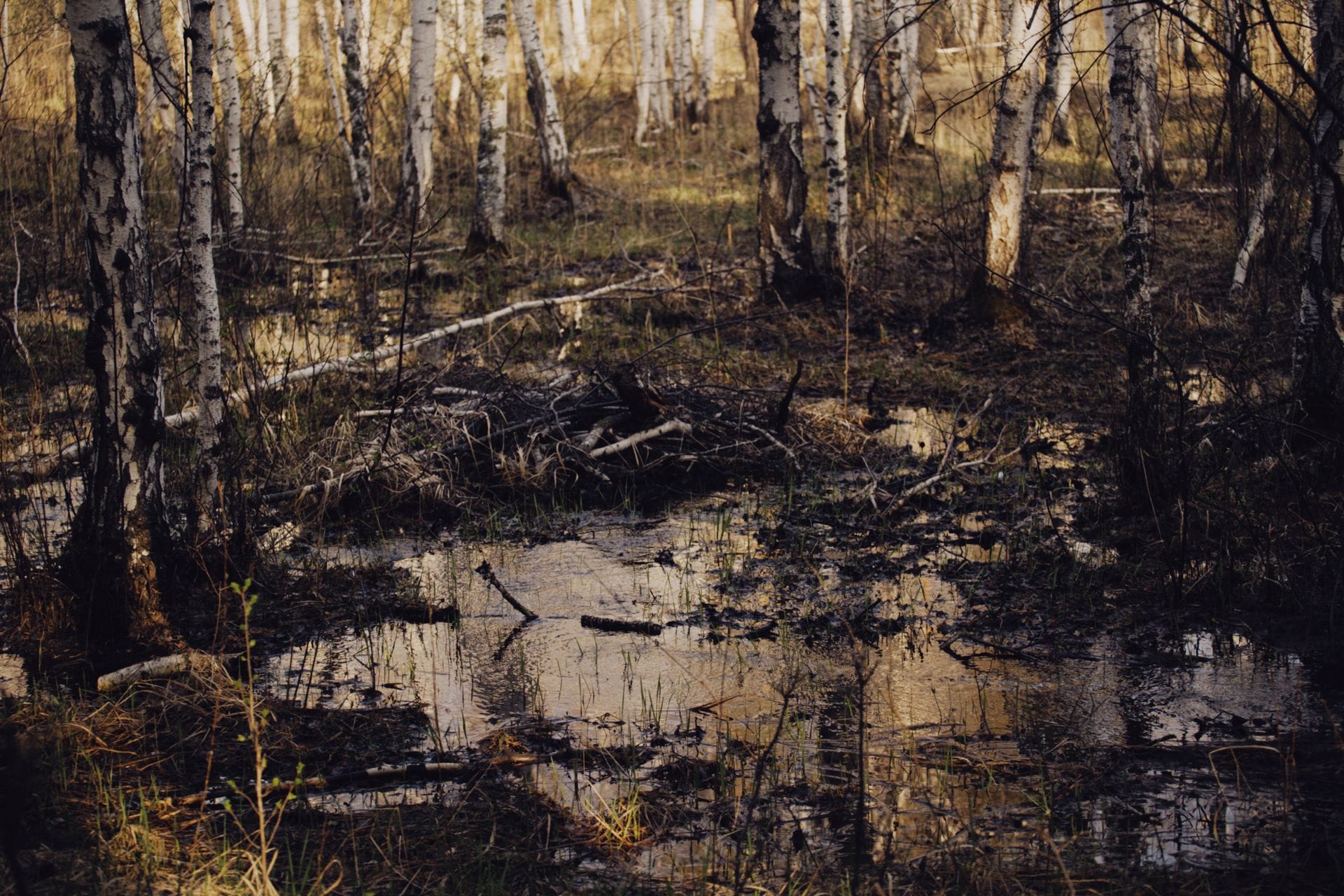
The alligator’s trick is simple, but its simplicity is what makes it brilliant.
The animal floats near the water’s edge, usually in or near areas where birds are nesting. Its body remains mostly submerged. Only the eyes, snout, and upper head may be visible. This already makes the alligator look like part of the swamp: a dark shape, a log, a shadow, a patch of stillness.
Then comes the lure.
Small sticks or twigs rest across the alligator’s snout. These are exactly the kinds of materials nesting birds seek. For a bird under pressure to build or repair a nest, the sticks are valuable enough to approach.
The alligator waits.
A heron, egret, or similar bird sees the twig, steps closer, and tries to pick it up. Because the bird is focused on the nesting material, it may misjudge the danger. The alligator’s stillness helps sell the illusion.
When the bird comes within striking range, the alligator lunges.
This method does not require speed over distance. It requires patience, timing, camouflage, and an understanding of opportunity. The alligator is not chasing the bird. It is convincing the bird to come closer.
That is the heart of the trick.
The predator turns the prey’s own motivation into a weakness.
Why Bird Nesting Season Matters
The most important part of this behavior is not the stick itself. It is the timing.
If an alligator displayed sticks all year at random, the behavior might be less convincing as a hunting strategy. But the observed increase during nesting season suggests that the reptiles are taking advantage of a specific window when birds are actively searching for nest material.
For wading birds, nesting season is demanding. They need safe places to nest, enough food to support breeding, and constant access to materials for building and repairing nests. Sticks and twigs are not decorative. They are essential.
Around crowded rookeries, good sticks may become highly valuable. A bird may repeatedly leave the nest to collect material. That search creates risk. Every trip exposes the bird to predators, and every attractive twig becomes a decision point.
The alligator’s bait works because it fits perfectly into that moment.
The bird wants something.
The alligator appears to offer it.
This is what makes the behavior so fascinating. The alligator is not merely using an object. It is using an object at the right time in the prey’s life cycle. That requires a level of ecological timing that people did not usually associate with reptiles.
It does not mean the alligator thinks like a human. It does not mean it plans in words. But it does show that its behavior is flexible, responsive, and tuned to the world around it.
That is intelligence in action.
Tool Use in an Unexpected Animal
Tool use in animals is often defined as using an external object to achieve a goal, especially when the object is manipulated or positioned in a way that improves the animal’s chances of success.
A chimpanzee using a stick to fish for termites is a classic example. A dolphin using a marine sponge to protect its snout while foraging is another. Crows bending wires or using sticks to extract food are famous examples of bird intelligence. Sea otters use rocks to crack shells. Some fish use objects to break open prey.
Alligators using sticks as bait entered this conversation from an unexpected direction.
Reptiles have often been underestimated because their behavior can seem slow, quiet, and repetitive. They do not have expressive faces like mammals. They do not sing like birds. They do not perform obvious social intelligence in ways humans easily recognize. Much of their behavior happens in stillness.
But stillness is not stupidity.
The stick-bait discovery showed that alligators and their crocodilian relatives can use objects in ways that influence prey behavior. That places them in a much more interesting category than many people expected.
The alligator does not need hands to use a tool. It does not need to build a device. It does not need to solve a puzzle in a laboratory. It uses the shape of its body, the surface of the water, seasonal bird behavior, and a simple twig.
The tool is crude.
The strategy is not.
Why We Underestimated Alligators
Humans often judge intelligence by how much an animal acts like us. Animals that use hands, make sounds, recognize themselves, play games, or solve visible puzzles are easier for us to call smart. Animals that sit still for hours are easy to dismiss.
Alligators sit still a lot.
Their hunting style depends on patience. They conserve energy. They wait at the edge of water. They do not need constant movement to be effective. To a human observer, this can look boring. But from an evolutionary point of view, it is efficient.
A still alligator is not doing nothing. It is watching, sensing, conserving, and waiting for the exact moment when action matters.
This is one reason their intelligence has been overlooked. It is not flashy. It is not playful in the way dolphin intelligence is. It is not tool-making in the way primates use tools. It is not obvious problem-solving like a crow pulling food from a tube.
Alligator intelligence is quiet.
It is built for survival in water, mud, vegetation, and ambush zones. It is expressed through timing, positioning, memory, parental care, communication, and hunting behavior.
The stick-bait strategy gave humans a rare visible clue. It revealed a hidden layer of decision-making that had probably been happening long before anyone noticed.
The Genius of Patient Predators
Alligators are ambush predators. Their greatest weapon is not just their bite. It is their ability to become part of the landscape.
They float like logs. They hide beneath duckweed. They wait in shallow water. Their eyes and nostrils sit high on the skull, allowing them to breathe and watch while most of the body remains hidden. Their dark, armored backs blend with swamp shadows.
This design makes them nearly perfect for surprise attacks.
The stick-bait behavior adds another layer to that ambush strategy. Instead of waiting for prey to wander close by accident, the alligator increases the chance of approach by offering something the prey wants.
That is a powerful shift.
A normal ambush depends on patience and luck.
A baited ambush improves the odds.
This does not mean every alligator does it. It does not mean the behavior succeeds every time. It does not mean alligators are constantly plotting with sticks. But even occasional use shows remarkable flexibility.
The alligator’s patience becomes more active than it appears. It is not simply waiting for the world to deliver food. It is arranging the scene so that food is more likely to arrive.
That is why the discovery feels so humbling.
The swamp’s quietest hunter may be running a long con.
Why Birds Nest Near Alligators in the First Place
The relationship between alligators and wading birds is more complicated than predator and prey.
At first, it seems strange that birds would nest near alligators at all. Why build a nursery above a water full of dangerous reptiles? The answer is that alligators can provide protection.
Wading birds often nest in colonies above water. Their eggs and chicks are vulnerable to predators such as raccoons, opossums, snakes, and other animals that climb into nests. Alligators living below a rookery can deter some of those predators. A raccoon trying to cross water or approach a nesting island may become a meal.
For the birds, nesting above alligators can be safer than nesting in places where mammalian predators have easy access.
For the alligators, the birds also bring benefits. Chicks may fall from nests. Eggs, dead chicks, scraps, and other food sources may end up in the water. A rookery can become a seasonal feeding opportunity.
This creates a strange ecological bargain.
The birds receive protection from some predators.
The alligators receive food opportunities.
But the relationship is not gentle. The same alligators that protect the colony from raccoons may also eat fallen chicks or lure adult birds with sticks.
Nature is rarely simple.
In this case, alligators are both guardians and threats.
The Swamp as a Stage for Deception
The stick-bait behavior works because the wetland is already full of visual confusion. Water reflects light. Leaves drift. Branches float. Mud hides shapes. A motionless alligator can disappear in plain sight.
This makes the swamp a perfect stage for deception.
A bird looking for nest material is not approaching a clearly visible predator on dry land. It is approaching a low, dark shape in water, possibly mistaken for a log or patch of floating debris. The stick is the focus. The danger is the platform.
The alligator’s stillness is crucial. If it moved too soon, the illusion would fail. If it lunged from too far away, the bird could escape. If it positioned itself poorly, the bird might never come close enough.
The predator has to wait.
This is one reason alligator hunting behavior is so effective. Many predators rely on speed, but alligators rely on timing. Their strike is fast, but the hunt before the strike can be slow and almost invisible.
The stick-bait strategy takes full advantage of that.
It turns the swamp into a trap built from silence.
Is It Really Intelligence?
Whenever scientists discuss animal intelligence, one question appears quickly: are we seeing true intelligence or just instinct?
The answer is often not simple.
Animals do not need human-style reasoning to behave intelligently. A behavior can be shaped by instinct, learning, experience, environment, and flexible response all at once. Intelligence in animals should not be measured only by whether they think like humans. It should be measured by how effectively they solve problems in their own world.
The alligator’s problem is clear: how can a large aquatic predator catch cautious birds?
The solution is elegant: wait near nesting birds during the season when they need twigs, display the material they want, remain still, and strike when they approach.
Whether this behavior began by accident, learning, trial and error, or instinctive association, it still shows adaptive complexity. The alligators are using environmental objects in a way that improves hunting opportunities.
The timing makes it even stronger. Seasonal use suggests the behavior is linked to prey behavior, not random debris collection.
Calling it intelligence does not mean imagining an alligator thinking, “I shall now deceive this egret with nesting material.” That would be too human. But it does mean recognizing that intelligence can be practical, silent, and shaped by ecological need.
The alligator does not need to understand the word “bait.”
It only needs to know that sticks bring birds closer.
The First Documented Tool Use in Reptiles
The discovery was important because it was described as the first documented case of tool use in reptiles. That made it scientifically significant beyond alligator behavior alone.
Reptiles are often left out of popular discussions of animal cognition. Mammals and birds dominate the conversation. Crocodilians, however, are not simple creatures. They show parental care, vocal communication, complex social behavior, coordinated hunting in some cases, and strong sensory awareness.
The stick-bait behavior added tool use to that list.
It also raised a bigger evolutionary question. Crocodilians are part of the archosaur lineage, the larger group that also includes birds and extinct dinosaurs. Birds are famous for intelligence and tool use in some species. Crocodilians are their closest living reptilian relatives.
This does not mean dinosaurs used sticks as bait. But it does suggest that complex behavior in archosaurs may be more ancient or more widely distributed than once assumed.
At the very least, the discovery reminds us that living animals can challenge our assumptions about extinct ones. If modern crocodilians are more behaviorally complex than expected, then the ancient relatives of birds and crocodilians may also have had richer behavioral lives than simple stereotypes allow.
The Ancient Body, Modern Trick
Alligators are often described as ancient animals because their general body plan has existed in recognizable form for a very long time. They look prehistoric to us: armored backs, long tails, low bodies, heavy jaws, watchful eyes.
This ancient appearance can fool people into thinking they are outdated or mentally simple.
But an old body plan is not the same as a failed design. Crocodilians have survived because their design works. They are efficient predators, strong swimmers, patient hunters, and adaptable survivors.
The stick-bait behavior adds a modern surprise to that ancient image. The animal that looks unchanged and primitive is not simply a leftover from the past. It is actively solving problems in the present.
That contrast is beautiful.
A creature that seems like a fossil with teeth is actually using seasonal deception. It is not rushing through evolution with flashy changes. It is refining survival through patience, sensory skill, and behavioral flexibility.
In nature, success does not always look new.
Sometimes it looks like an alligator floating with a stick on its nose.
How the Behavior Changes Public Perception
Most people respect alligators as dangerous. Fewer people respect them as clever.
The stick-bait discovery changes that. It gives the public an image that is easy to understand: an alligator using a twig to trick a bird. That single picture communicates more than a technical paper could for most readers.
It turns the alligator from a passive ambush predator into an active strategist.
This matters because public perception affects conservation. Animals seen as mindless threats are often feared and disliked. Animals seen as complex and ecologically important may receive more respect.
Alligators are not cuddly. They are powerful predators and should be treated with caution. But they are also important parts of wetland ecosystems. They create habitat, regulate prey populations, influence nesting birds, and shape the environments around them.
Recognizing their intelligence does not make them less dangerous. It makes them more interesting and more worthy of understanding.
A smart predator deserves respect from a distance.
The Dark Humor of the Alligator’s Trick
There is something almost funny about the strategy, in a grim natural-history way.
A bird needs a stick to build a home. The alligator offers one. The bird approaches. The offer was never generous.
It is a swamp scam.
That is why the story captures imagination so strongly. It feels like something from a fable: the patient crocodile pretending to be a gift shop for nesting birds. The image is absurd and terrifying at the same time.
Nature often works like that. Behaviors that seem clever to us may be brutal for the animals involved. The alligator’s trick is impressive, but for the bird, it is deadly. The same behavior that makes scientists rethink reptile intelligence ends badly for the prey.
This mixture of intelligence and cruelty is part of what makes predator behavior fascinating. Predators are not evil. They are hungry. Prey are not foolish. They are trying to survive, reproduce, and gather resources under pressure.
The alligator wins by exploiting a moment of need.
That is not morality.
That is ecology.
Why the Behavior Is Rare
Using bait to hunt is not common in the animal kingdom. Many predators chase, stalk, ambush, trap, or cooperate, but object-based luring requires a specific combination of conditions.
The predator must have access to an object the prey wants.
The prey must be motivated enough to approach.
The predator must be able to stay close without alarming the prey.
The environment must allow the object to appear natural.
The predator must benefit enough for the behavior to be worth repeating.
Alligators near bird rookeries meet these conditions beautifully. Twigs are valuable to birds. Water hides the predator. Stillness is natural for alligators. The nesting season creates urgency. The strike range is short. The potential reward is high.
That perfect combination may explain why the behavior appears in specific places and seasons rather than everywhere all year.
Tool use is not just about intelligence. It is also about opportunity. An animal may be capable of clever behavior, but the environment has to reward it.
In the swamp, during nesting season, a twig becomes more than a twig.
It becomes bait.
What This Means for Animal Intelligence
The alligator stick-bait discovery is part of a larger shift in how humans understand animal minds. For a long time, intelligence was treated like a ladder, with humans at the top and other animals arranged below according to how closely they resembled us.
That view is too narrow.
Different animals are intelligent in different ways because they face different problems. A crow solves problems in the air and in trees. A dolphin solves problems in the ocean. An elephant solves problems with memory, social bonds, and physical strength. An alligator solves problems through stealth, timing, sensory awareness, and ambush.
There is no single kind of intelligence.
The stick-bait behavior reminds us to look for intelligence on the animal’s own terms. An alligator does not need to build a nest, open a jar, or recognize itself in a mirror to be clever. Its intelligence is expressed in the wetland logic of hunger, patience, and seasonal opportunity.
This makes animal cognition more exciting, not less. The world is full of minds that do not look like ours. Some are fast and social. Some are quiet and solitary. Some are playful. Some are patient. Some think with hands. Some think with bodies, timing, and place.
The alligator’s mind is not human.
That is exactly why it is interesting.
The Bird’s Side of the Story
The birds are not simply victims of stupidity. Their behavior also makes ecological sense.
During nesting season, birds must gather materials quickly. A good stick can improve nest structure. In crowded colonies, competition for materials can be intense. Birds may steal sticks from neighbors, search repeatedly, and take risks to secure what they need.
Approaching a floating twig may be risky, but risk is part of nesting. Birds have to balance speed, safety, energy, and reproductive success. Most of the time, grabbing a stick is harmless. Sometimes, however, the stick is attached to danger.
The alligator’s trick works because it takes advantage of a normal bird priority. It turns an adaptive behavior into a vulnerability.
This is common in nature. Predators often exploit predictable behavior. Flowers exploit pollinator preferences. Anglerfish use lures. Snapping turtles use worm-like tongue movements to attract fish. Some spiders build deceptive signals. Many parasites manipulate host behavior.
The alligator’s version is especially dramatic because it uses an object from the environment and times it to nesting season.
The bird is not foolish.
The alligator is simply exploiting a pressure point.
A Reminder That Nature Still Surprises Us
One of the most humbling parts of this discovery is that alligators are not rare unknown animals living in some remote corner of the planet. They are familiar, highly visible predators in parts of the United States. People see them in parks, wetlands, golf courses, rivers, lakes, and wildlife centers.
And yet, this behavior went largely unnoticed or undocumented for a long time.
That tells us something important.
The natural world still holds surprises even in places we think we understand. Familiar animals may have hidden behaviors. Common habitats may contain overlooked relationships. A creature we have watched for centuries may still be doing something we never thought to ask about.
Science often advances this way. Someone notices a detail that others dismissed. A twig on a snout becomes a question. A question becomes a pattern. A pattern becomes a discovery.
The alligator did not suddenly become clever when humans noticed. It was already clever in its own way.
We were the ones catching up.
What the Stick-Bait Strategy Teaches Us
The alligator’s stick-bait behavior teaches several lessons.
First, intelligence can be quiet. It does not always announce itself through play, noise, or obvious problem-solving. Sometimes it sits still in muddy water.
Second, predators can use more than strength and speed. They can use timing, deception, and environmental knowledge.
Third, prey behavior matters. The alligator’s strategy works because birds have seasonal needs. Understanding one animal requires understanding the community around it.
Fourth, reptiles deserve more respect as complex animals. They may not behave like mammals or birds, but they are not simple machines.
Fifth, nature often rewards patience. The alligator does not chase every bird. It waits for the right bird to make the wrong move.
Finally, the discovery reminds us that human assumptions are often wrong. We called alligators living logs because we mistook stillness for emptiness.
The log was thinking in alligator terms.
The Swamp Con Artist
There is no better way to describe the behavior than a patient little con.
The alligator positions itself like part of the scenery. It displays something valuable. It waits for desire to override caution. Then it strikes.
The con works because it is not complicated. Good traps rarely are. They depend on knowing what the target wants.
In this case, the target wants nesting material. The alligator provides the illusion of easy access. The bird writes the final step of the trap by approaching.
This makes the behavior feel almost theatrical. The alligator is both stage and actor. The stick is the prop. The water is the curtain. The bird enters, and the scene ends in violence.
It is chilling, but also brilliant.
That is why the story has become one of the most memorable examples of unexpected animal intelligence. It is easy to imagine, easy to explain, and hard to forget.
A stick on a snout changed the alligator’s reputation.
Final Thoughts
Alligators were long underestimated as simple, prehistoric-looking predators that relied only on patience and power. The discovery that some use sticks as bait for nesting birds showed a very different side of these reptiles.
By balancing twigs on their snouts during bird nesting season, alligators appear to exploit one of the strongest needs of wading birds: the search for nest-building material. A bird sees a useful stick, moves closer, and steps into striking range. The alligator remains still until the perfect moment arrives.
It is a remarkable strategy because it combines camouflage, timing, object use, and knowledge of prey behavior. It also challenges old assumptions about reptile intelligence. These animals may not show intelligence in ways humans easily recognize, but they are far from mindless.
The swamp is not just a place of brute force. It is a place of signals, risks, seasonal patterns, and quiet deception.
The alligator with a twig on its nose is more than a strange image. It is a reminder that intelligence can hide in stillness. It can look like patience. It can look like mud, water, and a floating branch.
For the bird, the stick looks like a gift.
For the alligator, it is an invitation.
And for us, it is a humbling lesson: the natural world is cleverer than our stereotypes, and sometimes the oldest-looking creatures still have new tricks to reveal.
FAQs About Alligators Using Sticks as Bait
Do alligators really use sticks as bait?
Yes, researchers have documented American alligators and mugger crocodiles using sticks and twigs as lures to attract nest-building birds.
Why do alligators put sticks on their snouts?
During bird nesting season, sticks are valuable nest-building materials. By displaying sticks on their snouts, alligators may lure birds close enough to strike.
What birds are attracted to the sticks?
Wading birds such as egrets and herons are among the birds most associated with this behavior because they collect twigs to build nests.
Is this considered tool use?
Yes, the behavior has been described as tool use because the alligators use external objects, such as sticks and twigs, to improve hunting success.
Are alligators intelligent?
Alligators show more behavioral complexity than many people assume. They use ambush strategies, parental care, communication, spatial awareness, and in some cases object-based hunting lures.
Do all alligators use this trick?
No. The behavior appears to be specific to certain conditions, especially near bird nesting colonies and during nesting season.
Why do birds nest near alligators?
Wading birds may nest near alligators because alligators can deter mammalian nest predators such as raccoons and opossums. However, the relationship is risky because alligators may also eat fallen chicks or lure adult birds.
Does this mean alligators plan like humans?
No. The behavior should not be interpreted as human-like planning. However, it does show flexible, adaptive behavior that uses objects and seasonal prey needs.
Where was this behavior observed?
The behavior has been reported in American alligators in the United States and mugger crocodiles in India.
Why is this discovery important?
It changed how scientists and the public view reptile intelligence. It showed that crocodilians can use objects as hunting lures and time that behavior to the nesting season of their prey.