
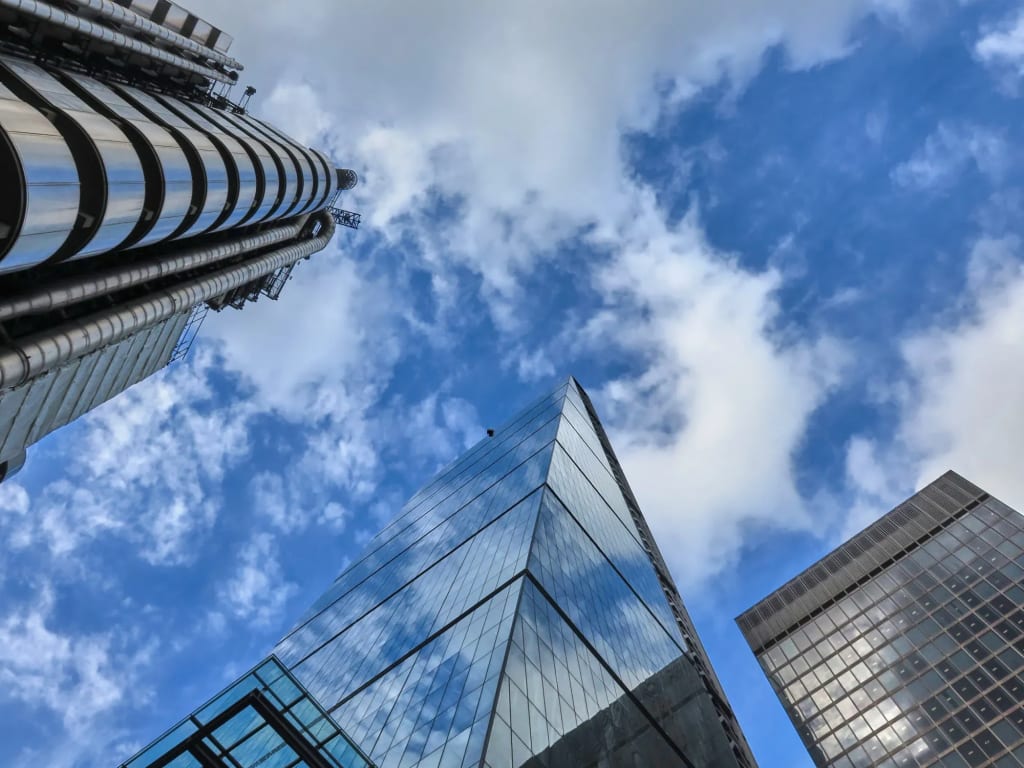
Architectural Photography: A Practical Photography Guide
PhotographyArchitectural photography can reshape what a photograph communicates, not simply the equipment used to make it. For photographers and curious readers, the key is understanding the creative opportunity alongside the limitations, ethical responsibilities and practical costs. The following g
Photography
Architectural photography can reshape what a photograph communicates, not simply the equipment used to make it. For photographers and curious readers, the key is understanding the creative opportunity alongside the limitations, ethical responsibilities and practical costs. The following guide examines the underlying approach, explains decisions that affect the final image and offers a realistic starting point. Rather than promising perfect results, it focuses on the choices that make a photograph informative, expressive and trustworthy.
Buildings shift through the day
Architectural photography interprets how structures respond to sun, weather, use and surrounding space. Brutalist concrete may reveal deep textures in side light, while timber interiors change color as daylight warms. A single dramatic facade does not tell the whole architectural story. Photographers can document entrances, circulation, material junctions and the people who experience the building.
Architectural Photography: the creative context and techniques.
Plan for geometry
Straight vertical lines and clear spatial relationships help viewers understand design, although deliberate perspective can create energy. Tilt-shift lenses or careful camera leveling reduce unwanted convergence when that matters. Wide lenses include context but can exaggerate room size; honest architectural work avoids misleading proportions, particularly for real-estate listings. Scout the building from different viewpoints before choosing the frame.
Respect access and use
Permissions may apply to interiors, commercial shoots and restricted sites. Avoid disrupting residents, staff or accessibility routes, and check restrictions on drones and tripods. For occupied buildings, consider when public and private activities take place so a picture communicates use without exposing personal information. Good architecture photography combines accurate observation with visual authorship.
Architectural Photography: practical decisions and considerations.
Edit materials faithfully
Set white balance and control mixed lighting while preserving the character of concrete, glass and wood. Extreme clarity can make surfaces appear unreal, and excessive object removal can change the perceived design. Compare morning, midday and dusk frames to find the most informative light. Pair overall exteriors with a small set of details for a fuller narrative.
Practical starting points
Photographers improve fastest when they work deliberately, record what changes between attempts and review the results in context. Use this short checklist to make the next session more focused:
- Scout daylight direction and building access.
- Keep geometric distortion intentional.
- Document materials without misleading retouching.
Keep the original files, note any permissions or processing decisions, and compare your images at realistic viewing sizes. A successful photograph has a clear purpose, whether that purpose is artistic expression, documentation, education or personal memory.
Frequently asked questions
What is the main idea behind architectural photography?
Architectural photography interprets how structures respond to sun, weather, use and surrounding space.
What is a common challenge with architectural photography?
Straight vertical lines and clear spatial relationships help viewers understand design, although deliberate perspective can create energy.
How should a beginner approach architectural photography?
A good starting point is to scout daylight direction and building access, and to work through the technique with realistic expectations.


