
Color Grading Psychology: What Photographers Should Know
PhotographyColor grading psychology photography is reshaping how images are made, interpreted and shared. The interesting story is not just a new camera or a passing visual trend: it involves creative decisions, technical limitations and responsibilities toward the people or places photographed. Thi
Color grading psychology photography is reshaping how images are made, interpreted and shared. The interesting story is not just a new camera or a passing visual trend: it involves creative decisions, technical limitations and responsibilities toward the people or places photographed. This guide explores what matters in practice, what claims deserve skepticism and how photographers can approach the subject more thoughtfully.
Color can frame emotion without deciding it
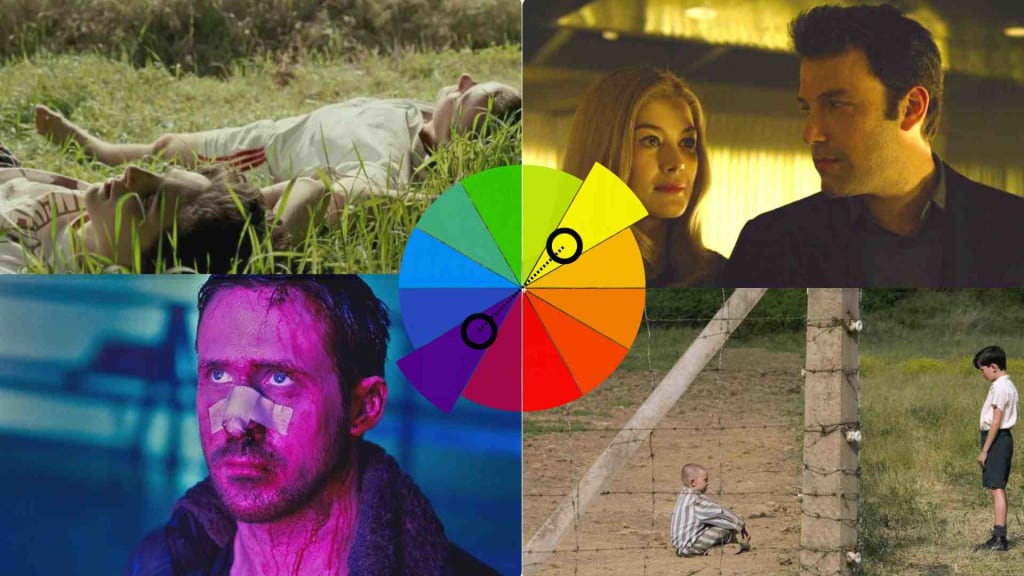
Color grading psychology in photography examines how changes to hue, saturation and contrast shape a viewer’s interpretation. Cool shadows may suggest distance or quiet, while warm highlights can evoke sun or comfort. These associations are influenced by culture, context and personal history, so there is no universal emotional code. A teal-and-orange palette may look dramatic in one scene and artificial in another. Photographers should evaluate what color contributes to the story rather than selecting a preset as a mood shortcut.
Color Grading Psychology: creative and technical context.
How palettes shape attention
Contrast can make a subject separate from a background; muted color can give several objects equal weight. Monochrome removes hue competition but increases the importance of tonal relationships. Pastel grades may soften the perceived intensity of a scene, while saturated colors can amplify energy. Skin tones and familiar objects provide perceptual references, so extreme shifts are especially noticeable. Color is therefore part of composition, not simply decoration added after an image is finished.
Technical accuracy and creative intent
White balance should be evaluated before artistic grading so an accidental color cast is not mistaken for an intentional decision. Work on a reasonably calibrated display and avoid crushing detail in highlights or shadows. Different devices and social platforms may interpret color differently. Maintain a reversible editing workflow and preserve the original file. For editorial or documentary use, grading should not misrepresent the visual evidence or the conditions of an event.
Color Grading Psychology: practical questions and trade-offs.
An experiment with one photograph
Choose a picture with a clear subject and make three restrained versions: warm, cool and neutral. Keep exposure and framing identical. Ask several viewers what they notice first and how each version changes the perceived context. You may discover that composition matters more than hue. Let the response guide a coherent palette for a series, and resist forcing every image to match an aesthetic that does not fit its content.
Practical takeaways
Good results come from matching the technique to the subject and understanding the trade-offs. These steps offer a useful starting point:
- Set accurate white balance first.
- Test the grade across several screens.
- Keep edits reversible and consistent with context.
Frequently asked questions
Does blue always make a photo feel sad?
No. Emotional associations depend on scene, culture and individual experience.
Should documentary images be heavily graded?
Editors generally prioritize accurate representation and transparent processing.
Why does a grade look different on another phone?
Display calibration, color spaces and platform processing can change appearance.


