Matter and the Smart Home Interoperability Challenge
A connected home should not require five different apps to switch on five lights. Smart home interoperability aims to make devices from competing brands communicate through common standards. Matter has become a central effort, using an internet-protocol-based approach and support from major technolo
A connected home should not require five different apps to switch on five lights. Smart home interoperability aims to make devices from competing brands communicate through common standards. Matter has become a central effort, using an internet-protocol-based approach and support from major technology ecosystems. It is a meaningful advance, but shoppers still need to distinguish what the standard promises from what a particular product actually supports.
What Matter is—and what it is not
Matter defines a common application layer for supported smart devices. Depending on hardware, products may communicate over Wi-Fi, Ethernet or Thread, and Bluetooth can help during setup. Thread is a low-power mesh network technology, not a synonym for Matter. An existing hub may act as a controller or Thread border router, but these roles are not interchangeable. Certification labels and supported device categories are more reliable than broad marketing claims.
Recent changes expand device categories
The Connectivity Standards Alliance introduced camera support with Matter 1.5 in November 2025 and announced camera-related improvements in Matter 1.5.1 in March 2026. The standard has also addressed locks, energy management and other household devices. However, a specification release does not instantly update every camera or platform. Features can arrive unevenly depending on hardware, firmware and the ecosystem that controls the product.
Multi-admin is useful but not magic
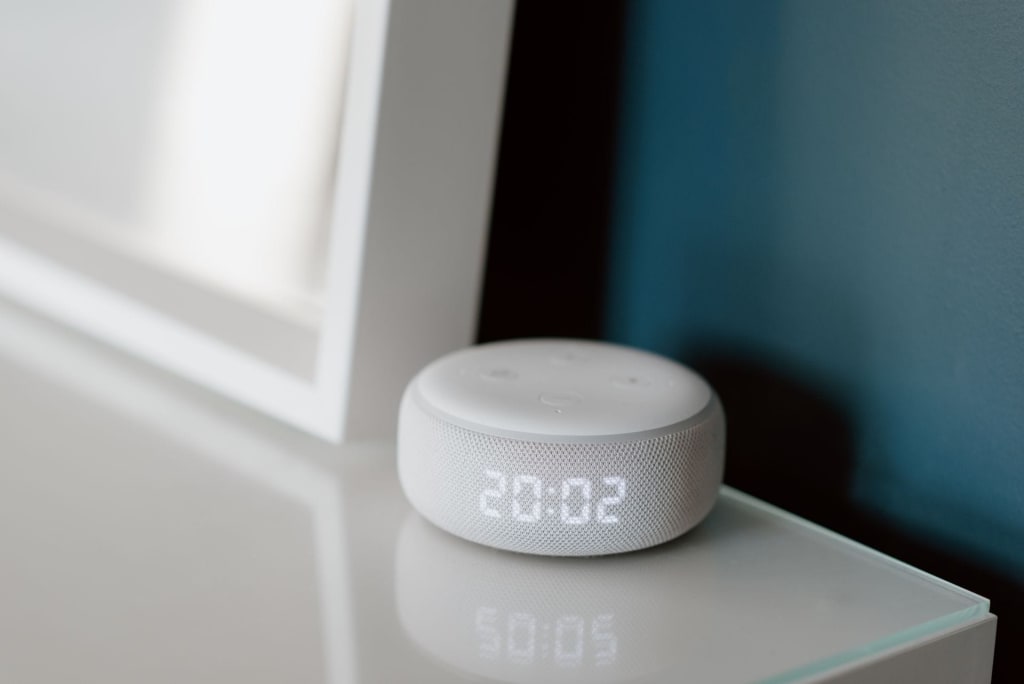
Original Revlox editorial illustration: smart home interoperability.
A compatible device can sometimes be commissioned into multiple controller ecosystems, allowing family members to use their preferred assistants. Yet vendor-specific functions, advanced automations or recordings may remain inside an individual app. Security features require updates and trustworthy credential handling. Interoperability should reduce routine dependence on proprietary integrations, not eliminate the practical need to read the product’s support matrix.
What can still go wrong
An apparently compatible light may need a firmware update, a Thread border router or stronger network coverage. A camera may support live streams without identical cloud-history features across platforms. Automations can fail when devices lose connectivity or controllers disagree about state. Consumers should test everyday essentials—manual controls, offline behavior, access permissions and recovery after outages—before entrusting critical routines to smart-home software.
Explainer graphic: a closer look at the technology and its limitations.
How to buy with fewer regrets
Start with the devices and platforms you already own, then verify exact Matter certification and feature support for each model. Prefer brands with a documented update history. Keep basic safety functions, such as physical lock operation, independent of internet access. When a device is sold as future-compatible, assume only shipping features are guaranteed. The goal is a dependable home, not the most impressive collection of logos.
The bottom line
Smart home interoperability is improving, and Matter represents real progress. A thoughtful setup still depends on version compatibility, network design and realistic expectations about proprietary features.
Frequently asked questions
Will every smart device work with Matter?
No. The device must support relevant Matter capabilities, and functions can vary by platform.
Do I always need a hub?
Not always, but some Thread devices and multi-platform setups require a compatible controller or border router.