Kota Bharu, Malaysia: The Underrated Cultural Gem Every City Explorer Should Visit
Kota Bharu is not the first city most travelers mention when they talk about Malaysia. Kuala Lumpur gets the skyline. Penang gets the street art and food fame. Malacca gets the colonial charm. Langkawi gets the beaches. But quietly, in the northeast of Peninsular Malaysia, Kota Bharu holds something very different: a living city full of culture, markets, royal history, traditional crafts, old mosques, local food, and everyday Malaysian life that still feels refreshingly real.
For city explorers, Kota Bharu is a beautiful surprise.
This is not the kind of city that tries too hard to impress you with polished tourist zones. Kota Bharu’s charm is slower, deeper, and more local. It is the kind of place where the best experiences happen while walking through a morning market, watching women traders arrange vegetables and snacks, standing in front of a wooden royal museum, eating nasi kerabu for breakfast, or wandering around old streets where Kelantanese culture still feels strong.
Kota Bharu is the capital of Kelantan, one of Malaysia’s most culturally distinct states. It sits close to the Thai border and carries influences from Malay, Islamic, and regional traditions. The city is conservative, artistic, flavorful, and proud of its identity. For travelers who enjoy real streets more than luxury malls, heritage buildings more than theme parks, and local stories more than tourist clichés, Kota Bharu is a lesser-known Malaysian gem worth slowing down for.
This Kota Bharu travel guide explores the city’s history, best places to visit, food, culture, markets, museums, and practical travel tips. If you are looking for underrated places in Malaysia, Kota Bharu deserves a place on your route.
Why Kota Bharu Is an Underrated Gem in Malaysia
Kota Bharu is often treated as a transit point. Many travelers pass through it on the way to the Perhentian Islands, Kuala Besut, or the Thai border. Some arrive by flight, spend one night, and leave early the next morning. That is exactly why the city remains underrated.
But for city explorers, that “transit city” reputation is actually part of the charm. Kota Bharu has not been shaped entirely around international tourism. It still feels like a working local capital where everyday life comes first. The city’s attractions are not only about taking photos; they are about observing culture.
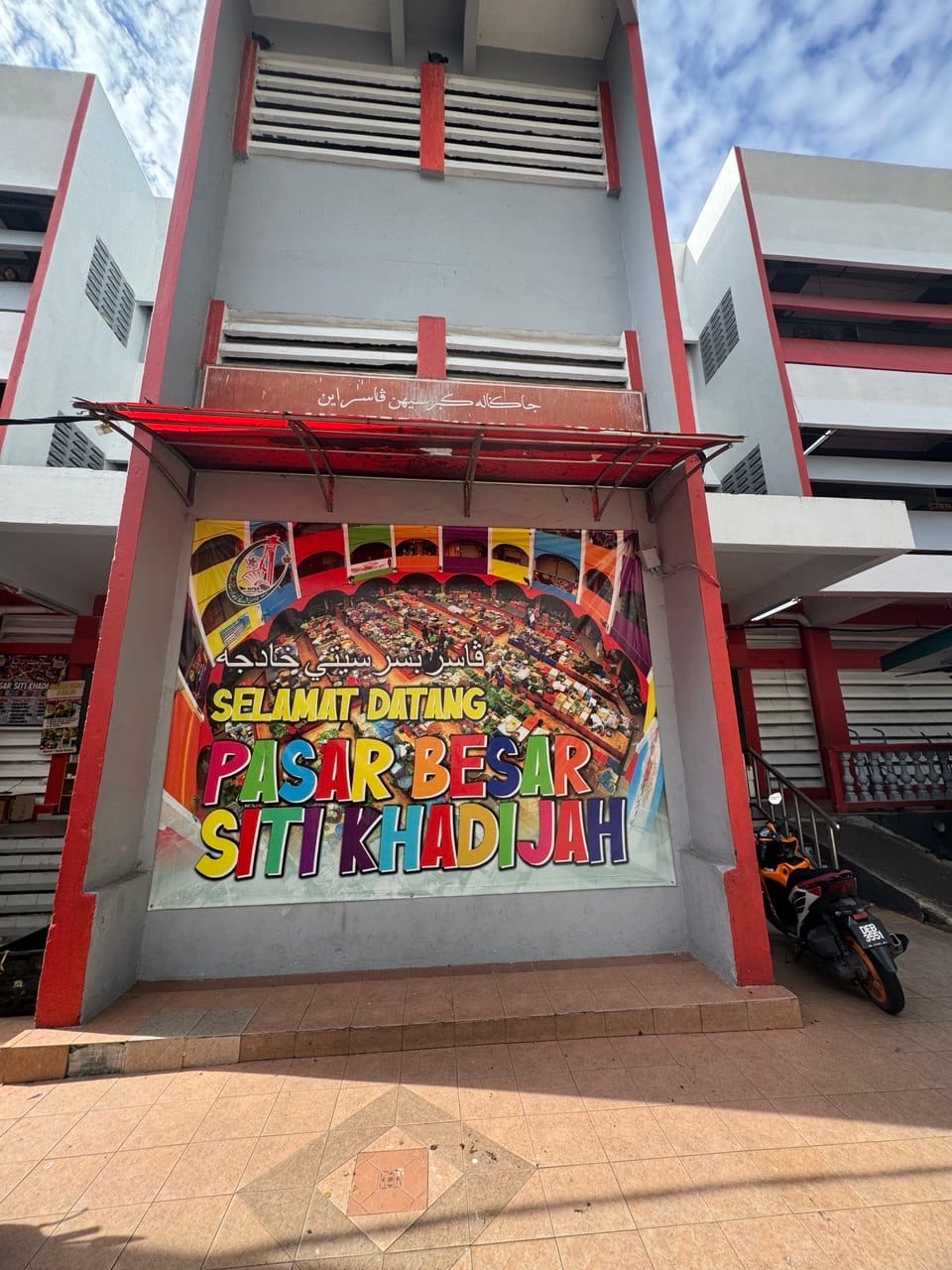
You can start the morning at Pasar Siti Khadijah, one of Malaysia’s most colorful markets. You can walk to historic palaces and museums in the city center. You can visit craft workshops that preserve batik, songket, wood carving, and silverwork. You can try Kelantanese dishes that taste different from the food you may have eaten in Kuala Lumpur or Penang. You can end the day at Pantai Cahaya Bulan or a night market and feel that you have seen a side of Malaysia many visitors miss.
Kota Bharu is not underrated because it lacks attractions. It is underrated because its attractions are cultural, quiet, and deeply local. It does not shout. It waits for travelers who know how to look.
A Brief History of Kota Bharu
The name Kota Bharu means “new city” or “new fort” in Malay. The city became the capital of Kelantan in the 19th century, when Sultan Muhammad II moved the state capital to this area in 1844. This move helped establish Kota Bharu as the political and royal center of Kelantan.
Before Kota Bharu became the capital, Kelantan’s administration was linked with earlier royal centers and settlements. The shift to Kota Bharu marked a new chapter for the state. The area grew around royal institutions, mosques, markets, and river-based trade. Its position near the Kelantan River helped connect inland communities with coastal trade routes.
Kota Bharu’s royal legacy is still visible today. The city center contains several palaces and heritage buildings, including Istana Jahar, Istana Balai Besar, and other royal structures that reflect Kelantanese architecture and ceremonial traditions. Unlike many modern cities where heritage is pushed to the margins, Kota Bharu’s historic buildings are still close to the daily life of the city.
The city also has a significant place in World War II history. The nearby coast around Pantai Sabak was associated with the Japanese landing during the Malayan campaign. For history lovers, this adds another layer to Kota Bharu’s identity: it is not only a royal and cultural city, but also a place connected to wider regional history.
In 1991, Kota Bharu was recognized as a cultural city, reflecting the strength of Kelantanese arts and traditions. Later, the city became known for its Islamic identity, which continues to shape its rhythm, public life, architecture, and social atmosphere.
Today, Kota Bharu is a city where history is not locked away inside one museum. It appears in the market, the mosque, the food, the crafts, the language, the buildings, and the way people live.
The Culture of Kota Bharu: What Makes It Different?
Kota Bharu feels different from many other Malaysian cities because Kelantan has a strong cultural personality. The state is known for traditional Malay arts, Islamic learning, food heritage, craft traditions, and a distinctive local dialect. The city’s cultural life is shaped by religion, family businesses, markets, and local craftsmanship.
One of the first things visitors notice is the role of women in the local economy. At Pasar Siti Khadijah, many stalls are run by women, and this has become one of the market’s most recognizable features. The energy of the market reflects the hardworking, entrepreneurial spirit of Kelantanese women.
Kelantan is also famous for traditional crafts. Batik, songket weaving, kite-making, wood carving, and silverwork are important parts of the state’s cultural identity. In Kota Bharu, these crafts are not only souvenirs; they are living traditions. Visitors can see, buy, and sometimes watch artisans working on pieces that carry generations of knowledge.
The city is also deeply connected to food culture. Kelantanese food often has a sweeter, richer, and more herb-forward profile than food from other parts of Malaysia. Dishes such as nasi kerabu, nasi dagang, nasi berlauk, laksam, ayam percik, akok, and kuih are part of the local identity. For food lovers, Kota Bharu is one of Malaysia’s most rewarding but less internationally hyped destinations.
Best Places to Visit in Kota Bharu
Kota Bharu is best explored slowly, especially on foot or by short Grab rides. Many of the city’s key attractions are close to each other, making it easy to build a relaxed one-day or two-day itinerary.
1. Pasar Siti Khadijah: The Heartbeat of Kota Bharu
If you visit only one place in Kota Bharu, make it Pasar Siti Khadijah. This central market is the city’s most famous landmark and one of the best places to understand local life in Kelantan.
The market is colorful, lively, and full of movement. On the lower levels, you will find fresh vegetables, fish, chicken, spices, herbs, dried goods, local snacks, and breakfast dishes. Higher levels often include textiles, batik, clothing, accessories, and souvenirs.
What makes the market special is not only what it sells, but how it feels. The building has an open central layout, and from the upper levels you can look down at a circular arrangement of stalls filled with bright produce and busy traders. The visual effect is beautiful, especially for photographers.
Pasar Siti Khadijah is also a great place to try local food. Come in the morning and look for nasi kerabu, nasi dagang, kuih, laksam, and local drinks. This is not a polished tourist food court. It is a working market, so the experience feels direct and authentic.
Travel tip: Visit early in the morning for the best atmosphere, freshest food, and most active market scenes.
2. Istana Jahar: A Window into Kelantan’s Royal Traditions
Istana Jahar is one of Kota Bharu’s most important heritage buildings. This beautiful wooden palace has been converted into a museum focused on Kelantanese royal customs, ceremonies, and traditions.
The building itself is a major reason to visit. Its timber architecture, carved details, and traditional form make it one of the most photogenic places in the city. Inside, the museum displays items connected to royal life, including ceremonial objects, costumes, weapons, and cultural exhibits.
For city explorers, Istana Jahar gives helpful context. After visiting the market and streets, the museum helps explain the royal and cultural foundation of Kelantan. It shows how the state’s identity was shaped not only by trade and religion, but also by court traditions and royal ceremonies.
Travel tip: Combine Istana Jahar with nearby heritage buildings and Muhammadi Mosque for a compact walking route through old Kota Bharu.
3. Muhammadi Mosque: A Spiritual Landmark in the City Center
Muhammadi Mosque is one of Kota Bharu’s most important religious landmarks. Located near the city’s heritage zone, the mosque plays a central role in the spiritual life of the local community.
Its architecture is elegant and dignified, with a calm presence that contrasts beautifully with the busier nearby streets. For non-Muslim visitors, the mosque can still be appreciated from the outside, especially as part of a cultural walk around the city center. As with any active place of worship, visitors should dress modestly and behave respectfully.
Kota Bharu’s Islamic identity is important to understand. The city is more conservative than some other Malaysian destinations, and religious life shapes daily routines, business hours, dress styles, and public atmosphere. This does not make the city less welcoming; it simply means visitors should travel with cultural awareness.
4. Kampung Kraftangan: The Handicraft Village and Craft Museum
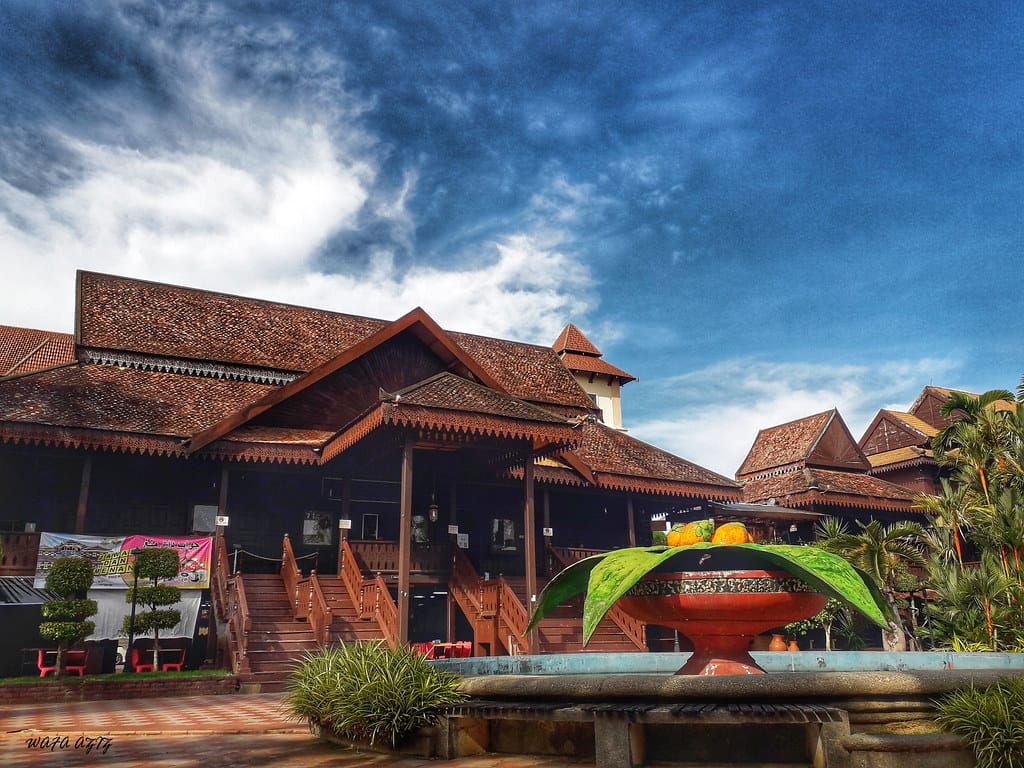
Kampung Kraftangan, or the Handicraft Village and Craft Museum, is one of the best places to see Kelantan’s artistic side. This complex is dedicated to traditional crafts such as batik, songket, wood carving, silverwork, and other handmade products.
For travelers who love culture, this is a must-visit. It gives you the chance to move beyond “shopping for souvenirs” and actually understand the skills behind the objects. Batik, for example, is not just printed fabric. It involves design, wax-resist techniques, color, patience, and local artistic taste.
The craft village is especially valuable because traditional arts can easily disappear in fast-modernizing cities. Kota Bharu remains one of the places where these skills still have visibility. Buying directly from local craft sellers can also support artisans and help keep the craft economy alive.
Travel tip: Ask politely before taking close-up photos of artisans or products. Some sellers welcome photography, while others may prefer privacy.
5. Kelantan State Museum: Understanding the Bigger Story
The Kelantan State Museum is a good stop for travelers who want a broader overview of the state’s history and culture. It helps connect Kota Bharu to the larger story of Kelantan, including traditional life, local customs, historical objects, and cultural development.
While Istana Jahar focuses more strongly on royal traditions, the state museum gives a wider view of Kelantanese identity. Visiting both can make your Kota Bharu trip more meaningful, especially if you enjoy history and cultural context.
The museum is also useful for slower travelers who want to understand why Kelantan feels different from other parts of Malaysia. Geography, trade, royal history, Islam, and proximity to Thailand have all shaped the state in unique ways.
6. War Museum or Bank Kerapu: Kota Bharu’s World War II Connection
Kota Bharu’s wartime history is often overlooked by casual visitors. The War Museum, also known as Bank Kerapu, helps tell part of this story.
The building itself has historical importance, and the museum displays materials related to World War II and the Japanese invasion of Malaya. The nearby coastal area around Pantai Sabak is associated with the Japanese landing during the early phase of the campaign.
For history-focused city explorers, this is an essential stop. It adds depth to Kota Bharu’s story and reminds visitors that the city was connected to one of the major turning points in Southeast Asian wartime history.
7. Street Art and Old Streets: Kota Bharu for Urban Wanderers
Kota Bharu may not be as famous for street art as George Town in Penang, but it has its own small urban scenes worth exploring. Around the city center, you can find murals, local shops, older buildings, and everyday street corners that reward slow walking.
The best way to enjoy Kota Bharu is not to rush from attraction to attraction. Walk between the market, heritage buildings, food stalls, and small streets. Notice the shop signs, the clothing stores, the smell of grilled chicken, the sound of motorcycles, and the rhythm of daily life.
City exploration is often about small details. Kota Bharu is full of them.
8. Wakaf Che Yeh Night Market: Local Shopping After Dark
Wakaf Che Yeh is one of the most popular night market areas near Kota Bharu. It is a good place to experience evening shopping, local snacks, clothing stalls, accessories, and bargain hunting.
This is not a luxury shopping district. It is lively, casual, and local. Travelers who enjoy markets will appreciate the atmosphere, especially after spending the day visiting museums and heritage sites.
Wakaf Che Yeh can be busy, so keep your belongings secure and be ready for crowds. It is best visited by Grab or taxi if you are staying in the city center.
9. Pantai Cahaya Bulan: A Coastal Escape Near the City
Pantai Cahaya Bulan, often shortened to PCB, is a beach area not far from Kota Bharu. The name means “Moonlight Beach,” and it is a popular local escape for sea breeze, snacks, and relaxed evening views.
Do not expect a perfect tropical swimming beach like you might find on the islands. Pantai Cahaya Bulan is more about local atmosphere than postcard perfection. It is a place to walk, eat, take photos, and watch families enjoying the coast.
Food stalls near the beach often sell local snacks, seafood, coconut drinks, and fried items. For city travelers, PCB is a nice contrast to the markets and museums of central Kota Bharu.
Travel tip: Visit in the late afternoon for softer light and a more relaxed atmosphere.
10. Min Fireflies Garden and River Experiences
For travelers who want a nature break, Min Fireflies Garden and river-based experiences around Kota Bharu can offer something different. Firefly watching is best done at night and depends on local conditions, weather, and tour availability.
This type of experience is ideal if you are staying more than one night and want to balance city exploration with a quiet natural activity. It also shows another side of Kelantan, where rivers, villages, and coastal ecosystems shape local life.
What to Eat in Kota Bharu
Food is one of the strongest reasons to visit Kota Bharu. Kelantanese cuisine is bold, colorful, and deeply local. Many dishes are breakfast-friendly, so do not wait until dinner to start exploring.
Nasi Kerabu
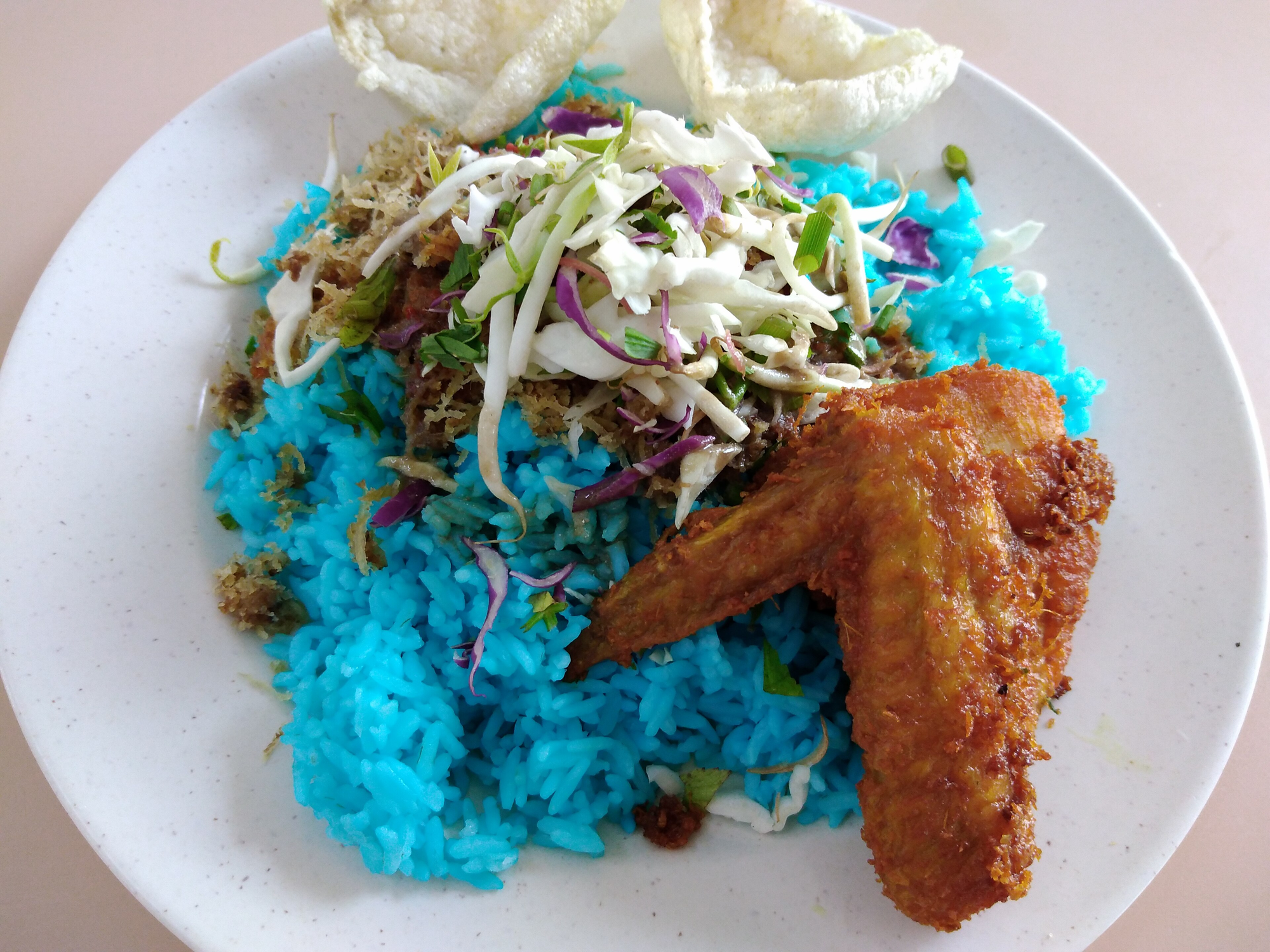
Nasi kerabu is one of Kelantan’s most iconic dishes. It is famous for its blue rice, traditionally colored with butterfly pea flower, and served with herbs, shredded vegetables, salted egg, fish crackers, coconut sambal, budu, and sometimes grilled beef, fried chicken, or ayam percik.
The dish is fresh, aromatic, salty, herbal, and satisfying. It is one of the best introductions to Kelantanese food.
Where to try it: Pasar Siti Khadijah, local breakfast stalls, and well-known Kota Bharu restaurants.
Nasi Dagang
Nasi dagang is another beloved east coast dish. It usually includes rice cooked with coconut milk and served with fish curry, pickles, and other sides. It is rich, comforting, and commonly eaten for breakfast.
In Kota Bharu, nasi dagang feels like a local ritual. Eat it early, while the city is waking up.
Ayam Percik
Ayam percik is grilled chicken coated with a rich, spiced coconut gravy. It is smoky, creamy, and slightly sweet, making it one of the most memorable Kelantanese dishes for visitors.
If you enjoy grilled food, ayam percik should be high on your Kota Bharu food list.
Laksam
Laksam is a noodle dish made with rolled rice noodles served in a creamy fish-based gravy, usually with herbs and chili. It is soft, rich, and very different from the laksa styles found in other parts of Malaysia.
For travelers who enjoy trying regional variations, laksam is a must.
Nasi Berlauk
Nasi berlauk is a common Kelantanese breakfast dish. It typically includes rice with fish or chicken and flavorful curry gravy. It is simple, filling, and deeply local.
Kuih and Sweet Snacks
Kelantan is known for sweet traditional snacks. Look for akok, lompat tikam, tepung pelita, and other kuih at markets and roadside stalls. Kelantanese sweets can be quite sweet, so pair them with tea or coffee.
Best Kota Bharu Itinerary for City Explorers
If you have limited time, Kota Bharu can still be rewarding. Here is a simple itinerary for one or two days.
One-Day Kota Bharu Itinerary
Start early at Pasar Siti Khadijah. Eat nasi kerabu or nasi dagang for breakfast and explore the market levels. After that, walk toward the heritage zone and visit Istana Jahar. Continue to Muhammadi Mosque and nearby royal buildings.
For lunch, try ayam percik or nasi berlauk at a local restaurant. In the afternoon, visit the Kelantan State Museum or the War Museum. If you enjoy crafts, spend time at Kampung Kraftangan.
End the day at Pantai Cahaya Bulan for sea breeze and snacks, or visit Wakaf Che Yeh for night market shopping.
Two-Day Kota Bharu Itinerary
On day one, focus on the city center: market, mosque, palace museum, state museum, and local food.
On day two, go deeper. Visit the craft village, explore street art and older streets, try more Kelantanese food, and take a short trip to Pantai Cahaya Bulan. If available, add a night firefly experience or a river-based activity.
This slower pace is better because Kota Bharu is not only about checking off attractions. Its real beauty appears when you give it time.
Kota Bharu for Photography Lovers
Kota Bharu is extremely photogenic, but not always in the obvious way. It does not have the dramatic skyline of Kuala Lumpur or the colonial streetscapes of George Town. Instead, it offers color, texture, and human moments.
The best photography spots include Pasar Siti Khadijah, Istana Jahar, Muhammadi Mosque, Kampung Kraftangan, old shopfronts, street murals, morning food stalls, and Pantai Cahaya Bulan.
For respectful photography, always be mindful when photographing people, especially in markets and religious spaces. A smile and a simple gesture asking permission can go a long way.
Best time for photos:
- Morning for markets and food stalls
- Late afternoon for beaches and street scenes
- Night for Wakaf Che Yeh and local market atmosphere
Practical Travel Tips for Kota Bharu
Kota Bharu is easy to visit, but a little preparation helps.
Dress Modestly
Kelantan is more conservative than many other Malaysian states. Visitors do not need to dress formally, but modest clothing is respectful, especially around mosques, markets, and local neighborhoods. Lightweight long pants, longer skirts, and shirts that cover shoulders are good choices.
Use Grab or Taxis
Some central attractions are walkable, but the weather can be hot and humid. Grab is useful for reaching places like Wakaf Che Yeh, Pantai Cahaya Bulan, or your hotel after a long day.
Start Your Day Early
Kota Bharu is best in the morning. Markets are active, breakfast food is fresh, and the heat is easier to handle. By afternoon, you may want to slow down with museums, cafes, or a rest.
Respect Prayer Times and Local Customs
Some businesses may pause or become quieter during prayer times, especially on Fridays. Plan flexibly and respect local rhythms.
Bring Cash
Many places accept digital payments, but small markets and food stalls may still prefer cash. Keep small notes for snacks, taxis, and market purchases.
Check Opening Hours
Museum and attraction opening hours can change, especially around public holidays, Ramadan, Fridays, and local events. Always check before planning a tight itinerary.
Is Kota Bharu Worth Visiting?
Yes, Kota Bharu is absolutely worth visiting if you enjoy culture, food, markets, history, and authentic city life. It may not be the best fit for travelers looking only for nightlife, luxury shopping, or beach resorts. But for curious travelers, it offers something more memorable: a strong sense of place.
Kota Bharu is worth visiting because it feels different. It gives you access to Kelantanese culture in a direct and meaningful way. The market is unforgettable. The food is distinctive. The royal heritage is visible. The crafts are beautiful. The city’s rhythm is slower but full of character.
It is also a great stop before or after visiting the Perhentian Islands. Instead of treating Kota Bharu as just an airport city, spend at least one full day here. You may find that the “transit stop” becomes one of the most interesting parts of your Malaysia trip.
Who Should Visit Kota Bharu?
Kota Bharu is ideal for:
- City explorers who enjoy local streets and markets
- Food travelers interested in regional Malaysian cuisine
- Culture lovers who want to understand Kelantan
- History lovers interested in royal heritage and World War II sites
- Photographers looking for colorful everyday scenes
- Slow travelers who prefer authentic local experiences over crowded tourist zones
- Travelers heading to or from the Perhentian Islands who want a meaningful stopover
Kota Bharu may not be ideal for:
- Travelers looking for heavy nightlife
- Visitors who want a very polished tourist city
- Beach lovers expecting resort-style swimming beaches in the city itself
- Travelers who dislike conservative destinations
Kota Bharu vs Other Malaysian Cities
Compared with Kuala Lumpur, Kota Bharu is smaller, quieter, and more traditional. Compared with Penang, it is less internationalized and less tourist-heavy. Compared with Malacca, it has less colonial branding but a stronger Kelantanese identity. Compared with Langkawi, it is not a resort destination but a cultural city.
This is exactly why Kota Bharu matters. It shows a different Malaysia.
Malaysia is not only skyscrapers, islands, and colonial streets. It is also markets run by local women, royal wooden palaces, Islamic learning, batik workshops, morning rice dishes, and river towns with deep regional identities. Kota Bharu brings these elements together in a way that feels honest and grounded.
Final Thoughts: Kota Bharu Is Malaysia’s Quiet Cultural Treasure
Kota Bharu is a city that rewards curiosity. It may not impress you instantly with grand tourist marketing, but it grows on you through details: the smell of breakfast rice at the market, the carved wood of Istana Jahar, the colors of batik fabric, the call to prayer near the city center, the taste of ayam percik, the movement of traders in Pasar Siti Khadijah, and the soft evening light near Pantai Cahaya Bulan.
For city explorers, Kota Bharu is one of Malaysia’s most underrated destinations. It is not trying to be Kuala Lumpur, Penang, or Malacca. It is proudly itself: Kelantanese, traditional, artistic, religious, flavorful, and deeply local.
If you want to see a side of Malaysia that many travelers miss, give Kota Bharu at least a day. Walk slowly. Eat early. Visit the market. Listen more than you speak. Follow the city’s rhythm.
You may arrive thinking Kota Bharu is just a stopover.
You may leave remembering it as one of Malaysia’s most authentic cultural gems.
Frequently Asked Questions About Kota Bharu
Where is Kota Bharu located?
Kota Bharu is located in the state of Kelantan in northeastern Peninsular Malaysia. It sits near the Kelantan River, close to the Thai border, and not far from the South China Sea.
What is Kota Bharu famous for?
Kota Bharu is famous for Pasar Siti Khadijah, Kelantanese food, royal heritage buildings, traditional crafts, Islamic culture, museums, and its role as the cultural heart of Kelantan.
Is Kota Bharu good for tourists?
Yes, Kota Bharu is good for tourists who enjoy culture, food, markets, history, and local experiences. It is especially rewarding for travelers who prefer underrated destinations over crowded tourist cities.
How many days do you need in Kota Bharu?
One full day is enough to see the main attractions, but two days is better if you want to explore markets, museums, crafts, beaches, and food without rushing.
What are the best things to do in Kota Bharu?
The best things to do in Kota Bharu include visiting Pasar Siti Khadijah, exploring Istana Jahar, seeing Muhammadi Mosque, visiting Kampung Kraftangan, trying Kelantanese food, going to Wakaf Che Yeh night market, and relaxing at Pantai Cahaya Bulan.
What food should I try in Kota Bharu?
You should try nasi kerabu, nasi dagang, ayam percik, laksam, nasi berlauk, akok, and traditional Kelantanese kuih.
Is Kota Bharu conservative?
Yes, Kota Bharu and Kelantan are more conservative than some other parts of Malaysia. Visitors should dress modestly, respect local customs, and be mindful around religious spaces.
Is Kota Bharu worth visiting before going to the Perhentian Islands?
Yes. Many travelers pass through Kota Bharu on the way to the Perhentian Islands, but spending one day in the city is highly recommended. It adds culture, food, and history to your island trip.
What is the best time to visit Kota Bharu?
The best time to visit Kota Bharu is generally during drier months, but weather can vary. Mornings are best for markets and food, while late afternoons are better for beach visits and photography.
Is Kota Bharu safe for travelers?
Kota Bharu is generally safe for travelers who use normal precautions. Keep belongings secure in markets, use reliable transport, respect local customs, and check local advice when planning late-night activities.