Forensic Genealogy: How DNA and Family Trees Crack Cold Cases
An accessible guide to the investigative method that has changed the future of cold case work.
Forensic genealogy sounds almost futuristic, but its power comes from combining two very human things: biological inheritance and family history. By comparing crime-scene DNA with genetic profiles in consumer databases and then mapping family trees, investigators can sometimes narrow an unknown suspect down to a single person. It is one of the most significant developments in modern cold case work—and one of the most debated.
How the method works
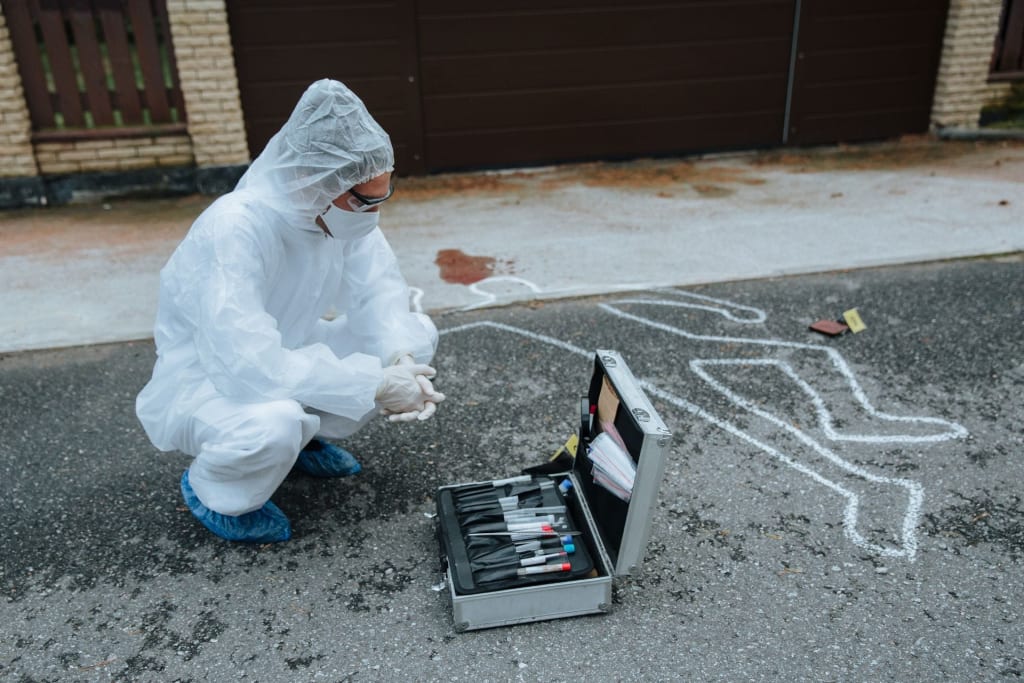
The process usually begins with DNA recovered from a crime scene. If the sample is strong enough, analysts generate a genetic profile suitable for comparison in approved genealogy databases. A direct match is rare. More often, investigators find distant relatives—people who share small but meaningful segments of DNA.
Genealogists then do meticulous family-tree work, using public records, obituaries, census data, and other documents to trace how those relatives connect. With enough branching and narrowing, the pool of possible suspects or unidentified victims can shrink dramatically.
 Imrul

Why it changed cold case investigations
Traditional cold cases often stall because there are no living eyewitnesses, no confession, and no obvious suspect. Forensic genealogy offers a new path when earlier methods fail. It can reopen cases that had seemed permanently frozen.
Its impact is not only practical but symbolic. Families who waited decades for answers can finally see movement. In that sense, the method has altered public expectations: people increasingly believe that time no longer guarantees anonymity.
The skill behind the breakthrough
Success depends on more than a DNA test. It requires patient research, careful statistical reasoning, and context. Investigators must compare ages, locations, sex, timelines, and other case facts against the possible family tree.
This is why the field sits at the intersection of science and historical research. A breakthrough may come from a lab, but it is often completed through disciplined document work and investigative judgment.
Privacy concerns and ethical debate
The same power that makes forensic genealogy useful also makes it controversial. People who take consumer DNA tests may not fully realize that distant relatives can be drawn into criminal investigations. Critics worry about privacy, consent, and uneven rules across platforms and jurisdictions.
Supporters argue that the method has solved serious crimes and identified unknown victims who otherwise might never have been named. The central debate is not whether the technique works, but how it should be governed.
What comes next
Forensic genealogy will likely become more routine, but its legitimacy depends on transparency. Clear standards, judicial oversight, and public understanding are essential. Without them, trust in the method may erode even as its technical power grows.
Used carefully, it represents something remarkable: a way to give old evidence a new voice. In cold case work, that can mean the difference between permanent mystery and overdue accountability.
Frequently Asked Questions
What is forensic genealogy?
It is the use of DNA matches and family-tree research to help identify unknown suspects or victims.
Does it always identify a suspect directly?
No. It often narrows the field first, after which traditional investigation is still required.
Why is it controversial?
Because consumer DNA data can implicate relatives who never personally submitted crime-scene evidence.