The Rise of Eco-Crime: Inside Illegal Sand Mining and Timber Trafficking
A look at why environmental crime has become one of the world’s most lucrative and destructive illicit industries.
When people imagine organized crime, they often picture drugs, weapons, or cyber fraud. Yet some of the most lucrative criminal markets today revolve around natural resources. Illegal sand mining and timber trafficking devastate ecosystems, weaken local communities, and enrich networks that operate with remarkable sophistication. Eco-crime is not a niche issue. It is a major global business hiding in plain sight.
Why natural resources became criminal gold
Construction booms, global urbanization, and international demand for wood products have turned ordinary materials into high-value commodities. Sand is essential to concrete, glass, and infrastructure, while timber remains a profitable global trade. When demand rises faster than regulation or legal supply, criminal opportunity follows.
Unlike many illicit products, sand and wood can be moved through seemingly legitimate channels. That creates useful camouflage. Stolen timber can be mixed with legal stock, and sand extraction can be hidden behind weak oversight or corrupt local relationships.
The cost of illegal sand mining
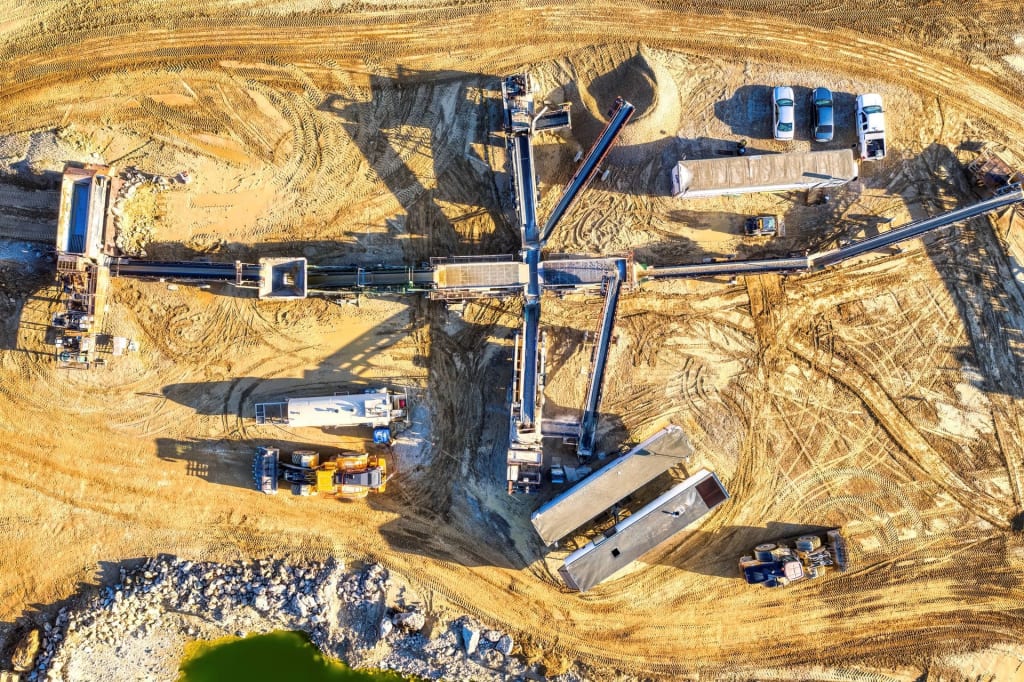
Sand may sound abundant, but not all sand is suitable for construction, and river or coastal extraction can destabilize entire ecosystems. Illegal mining accelerates erosion, damages fisheries, worsens flooding, and strips communities of natural protection. In some places, activists and journalists reporting on the trade have faced threats or violence.
What makes the crime especially troubling is its scale. Sand is used everywhere, but consumers rarely think about where it comes from. That distance between demand and impact allows exploitative extraction to continue with little public scrutiny.
Timber trafficking and the laundering problem
Illegal logging works not only by cutting protected forests, but by laundering the product into legal supply chains. False paperwork, corrupt inspections, and complex export routes make tracing difficult. By the time wood reaches a showroom or factory, its illegal origin may be effectively obscured.
The consequences go far beyond deforestation. Timber trafficking drives habitat loss, undermines Indigenous land rights, and contributes to climate damage. Forest crime is not just an environmental issue; it is also a governance issue involving corruption, weak enforcement, and global trade systems.
Why eco-crime is hard to stop
Eco-crime thrives in remote areas where monitoring is expensive and law enforcement resources are limited. It also benefits from fragmented jurisdiction: local, national, and international agencies may all touch a case without fully owning it. Criminal groups exploit these gaps.
Another challenge is perception. Environmental crime often lacks the same immediate public outrage as violent crime, even though its long-term effects can be severe. That can lead to lighter enforcement, weaker penalties, and lower political urgency.
What better enforcement looks like
Progress depends on better tracing systems, stronger customs controls, anti-corruption efforts, and international cooperation. It also depends on making buyers care about supply-chain legitimacy. Public procurement rules, certification scrutiny, and corporate transparency can reduce opportunities for laundering.
Eco-crime will remain profitable as long as environmental destruction is treated like a side issue. Seeing it clearly—as organized crime with social, economic, and ecological victims—is the first step toward serious action.
Frequently Asked Questions
Why is sand mining a criminal issue?
Illegal extraction damages ecosystems, fuels corruption, and often bypasses environmental and land-use laws.
Is illegal logging only a local problem?
No. Timber trafficking often involves international laundering networks and global markets.
Who is most affected by eco-crime?
Local communities, Indigenous groups, wildlife, and ecosystems often bear the greatest costs.