Neuroplasticity at Any Age: How Adult Brains Adapt
Adult brains can change through experience, even if the scale and importance of new neuron formation remain open research questions. This exploration explains the underlying science, what researchers have actually demonstrated, and the questions that remain unanswered.What actually changesNeuroplast
Adult brains can change through experience, even if the scale and importance of new neuron formation remain open research questions. This exploration explains the underlying science, what researchers have actually demonstrated, and the questions that remain unanswered.
What actually changes
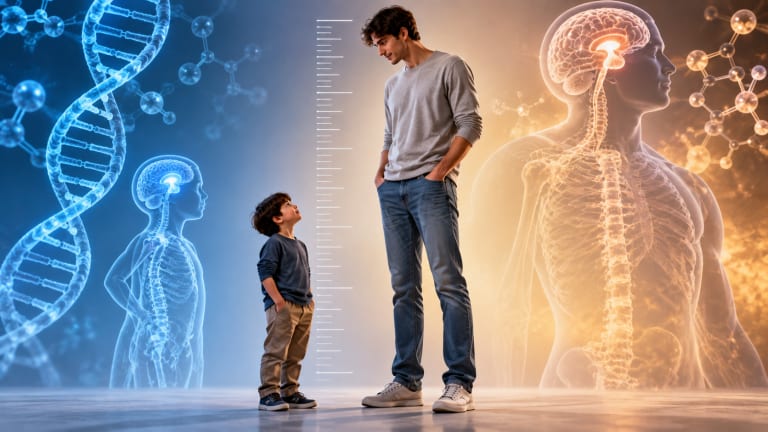
Neuroplasticity describes how existing brain circuits adapt to practice, injury, and experience. Synapses can become more or less effective, networks can reorganize, and different areas can cooperate more efficiently. Learning a language or musical instrument depends on these mechanisms; the claim that every new skill creates new neurons is an oversimplification.
Revlox original editorial science illustration.
Practice must be repeated, specific, and progressively challenging. Short sessions across several days, feedback, and enough sleep often help more than passive rereading or commercially marketed brain games.
New neurons in the adult brain
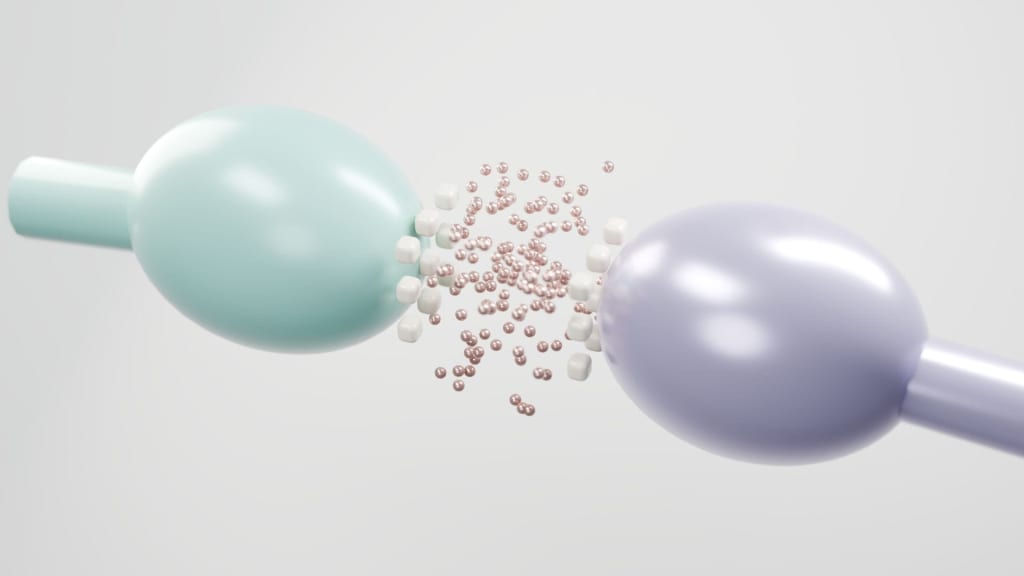
A 2026 Nature study identified neural stem cells, neuroblasts, and immature neurons in adult human hippocampal tissue, adding evidence to a long debate about neurogenesis. Researchers observed differences in specimens from healthy older adults, exceptionally strong memory performers, and people with Alzheimer’s disease.
Revlox original editorial science illustration.
Those molecular findings do not prove that a particular supplement, puzzle, or exercise routine increases functional newborn neurons. Connections between cell signatures and everyday cognition still need careful study.
Applying the science
Adults can learn difficult skills and recover some abilities with targeted rehabilitation. Regular exercise supports brain health, while social engagement and meaningful practice can sustain motivation. However, age, sleep quality, illness, and the training environment all influence results.
Promising brain scans should not be confused with an instant cure for dementia or neurological injury. The encouraging message is that change is possible, not that every limitation can be reversed.
A practical learning experiment
Choose one useful skill and establish a baseline you can check: a short vocabulary test, a piece of music, or a new tool. Practice it several times a week, rotate between recall and feedback, and keep a record of mistakes instead of studying only what already feels easy. Over a month, improvements are much more informative than a one-off score.
Remember that transfer is not automatic. Becoming faster at a particular puzzle does not mean every type of memory improved. For older learners, confidence, accessibility, hearing, vision, and physical comfort may influence results as much as motivation. A good learning plan adapts to those circumstances rather than assuming one ideal brain-training routine fits everyone.
For lifelong learners, motivation grows when training serves a real purpose. A useful goal is learning to hold a conversation or perform a complete piece of music rather than chasing a higher app score. Progress should be assessed with the same fair test over time, while recognizing that fatigue and stress can produce day-to-day fluctuations.
Key Takeaways
- Adult brains can change through experience, even if the scale and importance of new neuron formation remain open research questions.
- Promising evidence must be separated from proven clinical or real-world outcomes.
- Independent validation, context, and responsible decisions matter more than sensational claims.
Frequently Asked Questions
Can adults learn complicated skills?
Yes. Adult brains retain capacity for learning, although progress and the most effective practice methods differ.
Does neuroplasticity guarantee dementia prevention?
No. Brain health depends on many factors, and no single mental exercise guarantees prevention.
Is adult neurogenesis settled science?
Evidence has strengthened, but its rate and functional significance in living humans remain under investigation.