Country Music’s Radical Evolution: What Matters in 2026
Musiccountry music evolution is changing how music is made, discovered and valued. The exciting headlines often hide a more complicated reality: creative choices, industry incentives and everyday listening habits do not always move in the same direction. Here is what matters, where the evidence is s
country music evolution is changing how music is made, discovered and valued. The exciting headlines often hide a more complicated reality: creative choices, industry incentives and everyday listening habits do not always move in the same direction. Here is what matters, where the evidence is strongest and which assumptions deserve a closer look.
Country has never been one fixed sound
Country music grew from overlapping folk, blues, gospel, string-band and regional traditions. Its history includes Black artists and musicians whose contributions were not always represented equally in commercial narratives. Today, mainstream releases borrow from hip-hop, pop, rock and Americana, while traditional country performers maintain strong audiences. Genre-crossing is not a new betrayal of an imagined pure form; exchange has always shaped the music.
Country Music’s Radical Evolution: context and creative trends.
New voices change who gets heard
Artists from different backgrounds and communities are challenging assumptions about what a country performer looks or sounds like. Collaborations can introduce country songwriting to listeners who previously felt outside the genre. But a few high-profile crossover hits do not automatically solve inequities in radio access, festival lineups or industry gatekeeping. Representation requires attention to infrastructure as well as individual celebrity success.
Streaming and social discovery widen the doorway
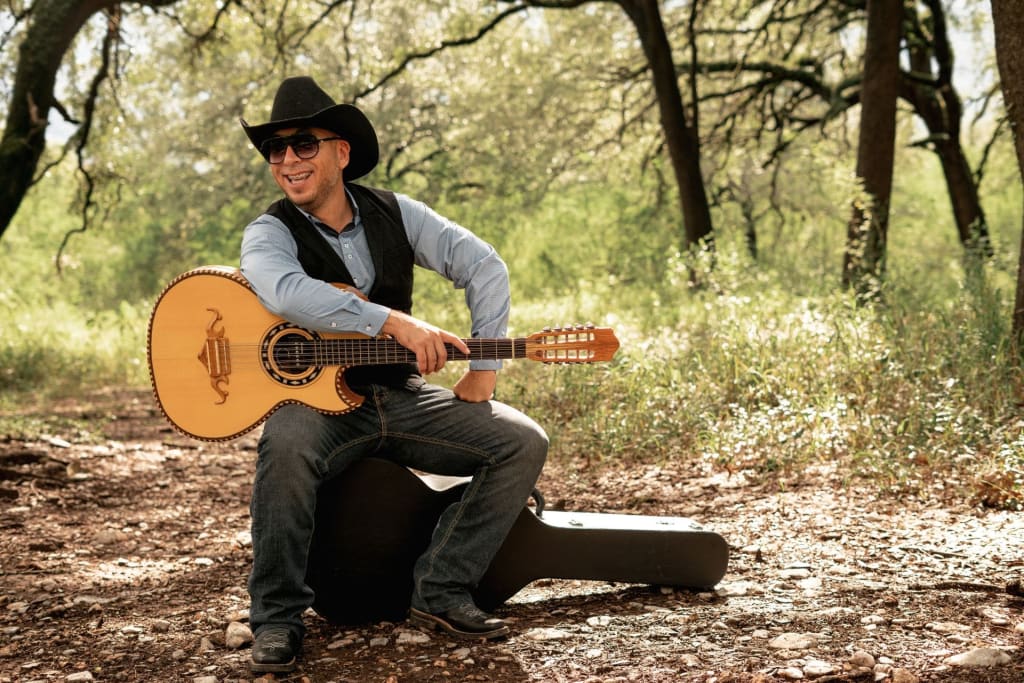
Playlisting and video allow a song to travel far beyond Nashville’s traditional promotional routes. At the same time, country remains a set of regional cultures, storytelling styles and live scenes. Fans may embrace a banjo-driven acoustic arrangement and a genre-blending stadium track for very different reasons. The market is large enough to hold contrasting definitions rather than requiring one winner in an authenticity argument.
Understanding opportunities, limits and industry trade-offs.
What the next phase could look like
A strong future pairs open collaboration with respect for musical roots. Media outlets can profile overlooked contributors instead of focusing only on the newest crossover headline. Festivals can book emerging artists alongside established names, while labels can promote diverse songwriting on equal terms. Country’s evolution is most interesting not when it sheds its past, but when more people can tell stories inside the tradition.
What to remember
Country music’s growth reflects a wider conversation about history, access and who gets to define a sound. The bigger picture is more useful than one viral trend: listen closely, check claims against credible reporting and follow the people doing the creative work.
Frequently asked questions
Is country music becoming pop music?
Some artists blend genres, but traditional and alternative country scenes remain active.
Have Black musicians influenced country history?
Yes. Black musical traditions and performers have been integral to country’s development.
Does genre blending mean country loses its identity?
Not necessarily. Genres evolve through exchange while retaining diverse core traditions.