Jazz’s Modern Renaissance: What Is Changing?
MusicModern jazz renaissance reveals an important shift in how music is created, performed and experienced. The headline is tempting to reduce to a simple trend, but the real story involves artistic choices, economics, technology and the people affected by them. This guide separates useful changes f
Modern jazz renaissance reveals an important shift in how music is created, performed and experienced. The headline is tempting to reduce to a simple trend, but the real story involves artistic choices, economics, technology and the people affected by them. This guide separates useful changes from assumptions and looks at what artists, audiences and organizers can do next.
Jazz keeps absorbing the present
Contemporary jazz musicians blend improvisation with influences from hip-hop, electronic dance music, gospel and local club culture. London and Los Angeles have distinct networks of ensembles, promoters and audiences that helped introduce these combinations to listeners who may not follow traditional jazz institutions. The story is not that jazz disappeared and suddenly returned. It is that musicians continued developing its language while new distribution channels brought their experiments wider attention.
Jazz’s Modern Renaissance: background and creative context.
The collective matters as much as the soloist
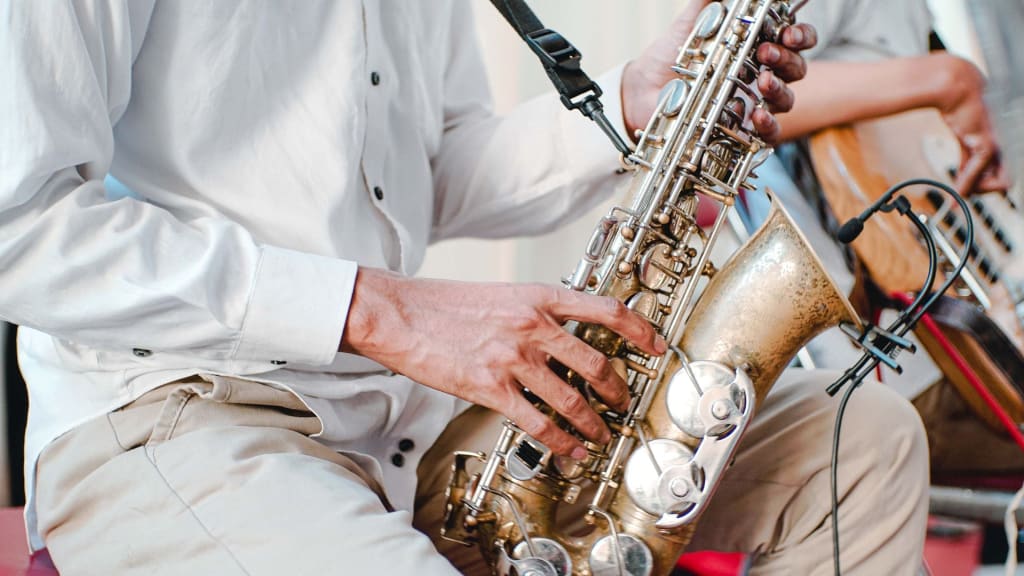
Jam sessions and collaborative ensembles give young players the freedom to test arrangements in front of audiences. A saxophonist might work with a drummer from a dance-music scene or invite a rapper into a concert setting. These exchanges can challenge genre expectations without reducing jazz to a decorative sample. The improvisational conversation between musicians remains central even when rhythmic or production influences change.
Independent venues help create momentum
Jazz scenes need spaces where performers can take risks, play long sets and develop communities over time. Specialist labels, community radio and festival programmers connect those spaces to listeners elsewhere. High venue costs and unstable arts funding can threaten the ecosystem, even when individual artists become widely known. Streaming attention is useful, but it cannot by itself pay rehearsal costs or sustain a neighborhood performance network.
Jazz’s Modern Renaissance: questions, opportunities and practical limits.
Listening across generations
New audiences can begin with contemporary hybrid records and then explore the older traditions that shaped their techniques. Jazz history includes constant reinvention, exchange and disagreement over what counts as authentic. Rather than treating hip-hop influence as a dilution, listeners can ask how rhythm, harmony and improvisation interact in each recording. The music’s vitality comes from that curiosity and from supporting the people who keep experimenting in public.
What readers can do
The best way to assess this change is to look beyond a single headline or social-media clip. Compare credible sources, ask who benefits, and listen to the people creating or participating in the music. These practical starting points can help:
- Attend small-venue jazz performances.
- Explore collective and individual discographies.
- Follow credited players across projects.
Frequently asked questions
Is modern jazz simply jazz mixed with hip-hop?
No. Contemporary jazz draws on many traditions and still includes a wide range of acoustic and experimental approaches.
Why are local collectives important?
They provide collaboration, performance opportunities and opportunities to develop a shared sound.
Where should a beginner start?
Try a contemporary small-ensemble recording, then follow the musicians and influences it credits.