Darecations Packing List: Adventure Travel Outfits for Comfort
Darecations are one of 2026’s biggest travel trends, and the idea is simple: travelers are choosing challenge, adrenaline, and active experiences over passive beach breaks. Pinterest Predicts named “Darecations” a 2026 trend, and Euronews reported that Pinterest saw searches for adventure tourism rise 75% on the platform.
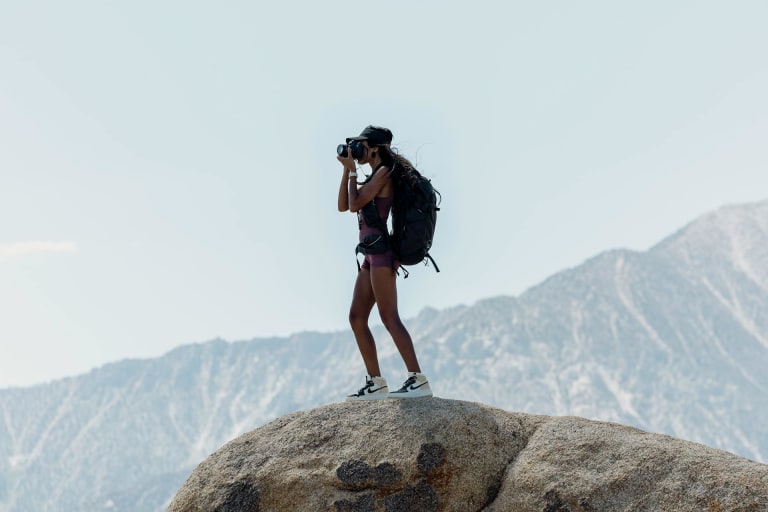
That shift changes how you should pack. Adventure travel outfits have to do more than look good in photos. They need to move well, dry quickly, layer easily, and stay comfortable across long transit days, changing weather, and active plans. REI’s current adventure travel gear checklist says the best travel clothes pack small, wick sweat, dry fast, and often serve more than one purpose.
What a good darecation wardrobe needs

A strong darecation packing list is built around function first. REI recommends quick-dry, wrinkle-resistant, multipurpose clothing, and its layering guide breaks comfort down into three parts: a moisture-managing base layer, an insulating middle layer, and an outer shell for wind or rain.
That means the best adventure travel outfits usually share the same traits:
- breathable
- layerable
- quick-drying
- easy to wash and rewear
- comfortable enough for movement and long days
The smartest fabrics to pack
If comfort is your priority, fabric matters more than trendiness. REI says quick-dry clothing that wicks sweat and dries fast is ideal for adventure travel, and its layering basics explain why synthetic and wool-based layers are usually more practical than absorbent fabrics when weather and exertion change.
For most darecations, the easiest fabrics are:
- technical synthetics
- merino wool
- lightweight fleece
- quick-dry nylon blends
The core darecation packing list
Here is the most useful clothing setup for a comfort-first adventure trip.
2 to 4 quick-dry tops
REI’s checklist recommends quick-drying tops that wick sweat, dry fast, and can serve more than one purpose. These are the backbone of your travel wardrobe because they work for transit, light activity, layering, and repeat wear.
1 to 2 long-sleeve layers
A lightweight long sleeve is useful for sun, bugs, wind, and cooler mornings. It also helps you stretch a smaller packing list because one piece can move between activewear and casual sightseeing. That follows directly from REI’s emphasis on multipurpose clothing.
1 midlayer
A fleece or light insulating layer is the easiest middle piece. REI’s layering guide says the middle layer is what helps retain warmth, which is important on mountain mornings, ferry rides, windy viewpoints, or cold transit days.
1 weather shell
A light outer layer matters more than people expect. REI’s layering system and Swoop Patagonia’s packing advice both stress the value of outer protection and clothing that can respond quickly to changing conditions.
2 bottoms
Choose bottoms that can handle activity and casual wear. REI recommends quick-dry, multipurpose clothing, and multiple packing guides for variable outdoor destinations stress quick-dry or water-resistant pants over heavy, slow-drying options.
The easiest combination is:
- one quick-dry trouser or hiking pant
- one legging, jogger, or second travel pant
1 pair of shorts
If the trip includes warmer weather, add one pair of light shorts. Keep them simple and active enough for walking or light movement, but clean enough for casual daywear. REI’s multiuse-clothing guidance supports this kind of crossover piece.
1 packable lounge or sleep set
Comfort still matters off the trail. A lightweight set for sleeping or downtime helps you keep your day clothes fresher and gives you something dry and soft at the end of active days. This is an inference based on standard adventure packing logic and REI’s emphasis on multi-day clothing practicality.
2 to 3 pairs of socks
For active trips, socks matter more than one extra top. Wool or technical socks are usually the safest choice for comfort and repeat wear. REI’s layering guide includes wool among key clothing materials, and adventure packing checklists repeatedly prioritize performance socks.
1 supportive shoe + 1 easy recovery shoe
A darecation usually needs one main walking or trail-friendly shoe and one lighter backup. Which main shoe you choose depends on the trip. REI’s checklist frames footwear as trip-specific, so you should choose based on terrain and activity level.
Best adventure travel outfit formulas
1. Transit-day outfit
Wear:
- quick-dry tee
- lightweight overshirt or zip layer
- relaxed technical pant
- supportive sneaker or trail shoe
This works because everything is comfortable for sitting, walking, and changing temperatures, while still being practical if plans start the moment you land. REI’s travel-clothing advice supports exactly this kind of multiuse setup.
2. Cool-morning activity outfit
Wear:
- moisture-wicking base layer
- midlayer fleece
- weather shell if needed
- quick-dry pant
- proper socks and supportive footwear
This follows REI’s layering model almost exactly and is one of the safest ways to stay comfortable when temperatures shift during the day.
3. Warm-weather exploration outfit
Wear:
- breathable short-sleeve top
- shorts or lightweight trouser
- sun layer or light overshirt
- walking shoe
REI’s checklist favors clothes that wick, cool, and dry fast, which makes this kind of outfit the easiest warm-weather formula.
4. Sightseeing-to-dinner outfit
Wear:
- clean quick-dry top or knit
- relaxed travel pant
- light jacket
- low-profile sneaker or comfortable city shoe
A darecation wardrobe works best when one outfit can move from active daytime plans into casual evening use. That is directly in line with REI’s emphasis on multi-purpose clothing.
How to keep adventure outfits comfortable
The first rule is layering. Swoop Patagonia says changing conditions call for clothing that layers easily, and REI’s layering guide explains why separate adjustable layers work better than relying on one heavy item.
The second rule is rewearability. Pack clothes you can rinse, air dry, and wear again. REI specifically recommends quick-dry garments that can handle exactly that kind of travel use.
The third rule is avoiding overpacking “just in case” fashion pieces that only work once. On active trips, flexible comfort pieces outperform single-purpose outfits almost every time. This is an inference supported by REI’s multipurpose-clothing guidance.
Accessories worth packing
A comfort-first darecation wardrobe also needs a few supporting pieces:
- hat or cap
- sunglasses
- lightweight day bag
- reusable water bottle
- compact rain layer
- neck gaiter or buff in variable weather
Outerwear-focused checklists and packing guides for changing outdoor conditions consistently include versions of these accessories because they solve comfort problems without taking much space.
What not to pack too much of
For most darecations, you do not need:
- heavy denim
- bulky jackets that do only one job
- multiple fashion shoes
- slow-drying cotton basics for active days
REI’s checklist strongly favors fast-drying, space-efficient, multifunction clothing, which is the opposite of heavy, single-purpose packing.
Final thoughts
Darecations are about movement, challenge, and experience, so the best packing list is the one that keeps you comfortable enough to enjoy all of it. Pinterest’s 2026 travel trend forecast and broader travel reporting both point to more active, adrenaline-leaning trips, while REI’s current guidance makes the wardrobe strategy very clear: choose quick-dry, breathable, multipurpose layers that adapt fast.
If you want the simplest packing philosophy, use this: fewer clothes, better layers, stronger shoes, smarter fabrics. That is how adventure travel outfits stay comfortable without feeling overpacked.