Light Pollution: How Bright Nights Harm Wildlife
Artificial nighttime lighting can distort navigation, biological rhythms, and ecological interactions, but smarter lighting offers practical remedies. This exploration explains the underlying science, what researchers have actually demonstrated, and the questions that remain unanswered.The loss of n
Artificial nighttime lighting can distort navigation, biological rhythms, and ecological interactions, but smarter lighting offers practical remedies. This exploration explains the underlying science, what researchers have actually demonstrated, and the questions that remain unanswered.
The loss of natural darkness
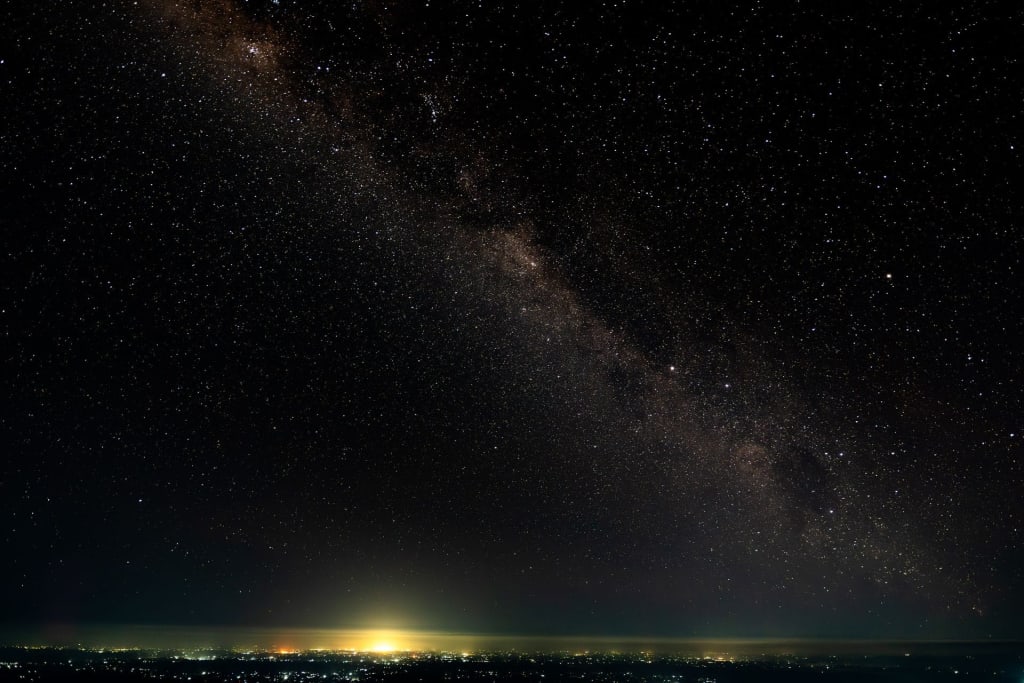
Lights along roads, buildings, and industrial sites change habitats well beyond the illuminated surface. Many insects, birds, and other animals rely on darkness, starlight, or the daily transition between light and dark. Artificial light may attract animals, hide navigational information, or alter when they search for food.
Revlox original editorial science illustration.
The impact is not identical for every species. Brightness, direction, wavelength, season, and exposure time matter. This makes tailored local lighting audits more useful than sweeping claims that every outdoor lamp produces the same harm.
What ecological studies reveal
A 2026 Current Biology study reported that light pollution can conceal nighttime visual cues used by arthropods and disrupt their movement. Other research has linked illuminated structures with risks for migrating birds, particularly when visibility is poor.
Revlox original editorial science illustration.
Night-flying pollinators may visit fewer flowers around some lights. Researchers use tracked movements, satellite measurements, and field experiments to separate light effects from traffic, habitat changes, and weather.
Human sleep and solutions
Nighttime light can influence circadian timing and melatonin, although individual outcomes vary. Warm lights are not automatically harmless, and excessive brightness can cause glare instead of safety.
Fully shielded fixtures, motion sensors, appropriate brightness, and decorative-light curfews can save energy and preserve darkness. Bedrooms benefit from light reduction close to sleep time. Good lighting means delivering light only where and when it serves a purpose.
Measuring whether changes work
Cities can conduct nighttime lighting inventories that identify unnecessary floodlights, sideways glare, and poorly timed signs. A sensible pilot compares visibility, electricity use, and wildlife observations before and after adjustments. Safety assessments should remain part of the design, particularly around pedestrian routes and road junctions.
This matters because light pollution can be reduced without creating dark, unsafe streets. Well-placed fixtures can illuminate walking surfaces more effectively than bright lamps that shine into eyes or windows. Local residents, ecologists, and planners should evaluate results together, rather than relying only on photographs of the night sky.
In residential areas, light spilling into bedrooms can be a different problem from light high above a commercial district. Municipalities can address both by setting standards for fixture shielding and hours of operation. Residents can document persistent glare and discuss corrections with property managers instead of assuming the only answer is to remove all lighting.
Key Takeaways
- Artificial nighttime lighting can distort navigation, biological rhythms, and ecological interactions, but smarter lighting offers practical remedies.
- Promising evidence must be separated from proven clinical or real-world outcomes.
- Independent validation, context, and responsible decisions matter more than sensational claims.
Frequently Asked Questions
Are warm LED lights harmless?
No. Color is only one factor; intensity, duration, placement, and ecological setting also matter.
Can lighting affect migrating birds?
Yes. Artificial night lighting may attract or disorient some migrants and raise collision risks.
What is the first practical step?
Switch off unnecessary lights and aim essential fixtures downward.