Citizen Science: How Everyday People Make Discoveries
Volunteer observations and image classifications can strengthen research when supported by good protocols and independent verification. This exploration explains the underlying science, what researchers have actually demonstrated, and the questions that remain unanswered.What citizen science meansCi
Volunteer observations and image classifications can strengthen research when supported by good protocols and independent verification. This exploration explains the underlying science, what researchers have actually demonstrated, and the questions that remain unanswered.
What citizen science means
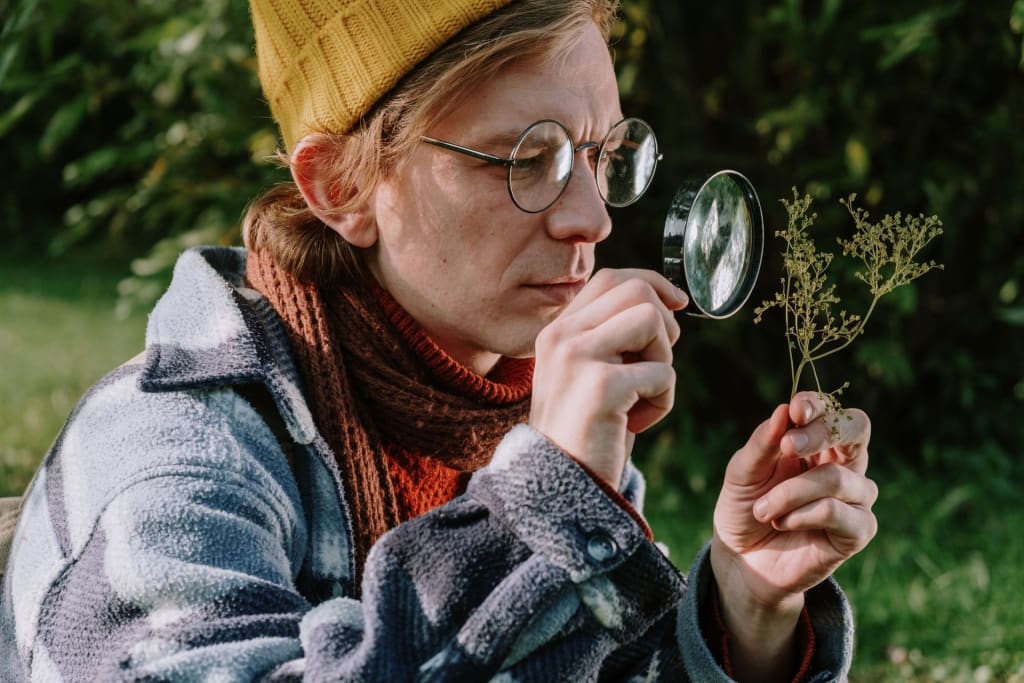
Citizen science invites members of the public to record observations, categorize research material, measure local conditions, or help frame questions. One bird sighting or galaxy classification rarely proves a discovery, but coordinated contributions can create datasets larger than small research teams can collect alone.
Revlox original editorial science illustration.
People participate using phones, binoculars, cameras, or browsers. Strong projects give understandable instructions, feedback, and practical ways to check unusual reports.
From wildlife to astronomy
iNaturalist hosts biodiversity observations that can help document species distributions, sometimes flagging interesting records for expert review. Zooniverse offers projects where volunteers classify images and other research data. NASA also supports citizen-science initiatives across astronomy and Earth science.
Revlox original editorial science illustration.
A suspected new comet or species cannot be declared confirmed from a single online submission. Independent observations, expert review, and appropriate scientific documentation remain crucial.
How to contribute quality data
Record dates, suitable locations, clear images, and your identification uncertainty. Avoid disturbing wildlife or exposing the exact location of threatened species. Volunteers should respect local laws, privacy, and the protocols of their chosen project.
Datasets can contain duplicates and uneven coverage. Researchers apply expert validation and statistics to understand these limits. The most valuable contribution is often a careful, repeatable observation rather than a dramatic claim.
Picking a project worth supporting
Begin with a program that clearly describes what data it needs, how observations are validated, and what happens to submissions. Projects with tutorials and active community moderation can make the first contributions less confusing. It helps to decide whether you enjoy outdoor observation, photo classification, or repeated local measurements.
Useful participation also requires admitting uncertainty. Marking an organism as unidentified is better than inventing an identification, and a duplicate observation may be less valuable than a careful measurement from an under-sampled site. In well-designed projects, those small habits are how public enthusiasm becomes credible research.
Before volunteering, check how a project handles location information. Publishing the exact coordinates of rare wildlife can create risks, so some platforms automatically hide sensitive records. Data quality improves when observers include dates, clear images, and uncertainty rather than guessing. Scientists can then use reliable public participation to recognize distribution changes over years.
Key Takeaways
- Volunteer observations and image classifications can strengthen research when supported by good protocols and independent verification.
- Promising evidence must be separated from proven clinical or real-world outcomes.
- Independent validation, context, and responsible decisions matter more than sensational claims.
Frequently Asked Questions
Do volunteers need a science degree?
No. Many programs are built for beginners.
Can phone photos become research records?
Yes, when useful context and verification are provided.
Can citizens discover a new comet?
Occasionally, but discoveries require independent confirmation.