Global Cinema Takes Over: The New Streaming Era
Global Cinema Takes Over: Why non-English films and series are consistently topping global streaming charts. A balanced, source-linked REVLOX feature.
Global cinema is no longer a specialty shelf reserved for adventurous viewers. Korean thrillers, Spanish dramas, Japanese series, Indian features and films made across Africa can now travel between households at extraordinary speed. Yet global cinema takes over is an imperfect headline: it describes a real opening of access, not the disappearance of English-language hits or the end of local barriers.
The most revealing question is what changes when audiences choose a story without needing its original language to match their own. That shift touches distribution, dubbing, translation, commissioning, critical attention and who gets to define a successful film.
What streaming figures actually show
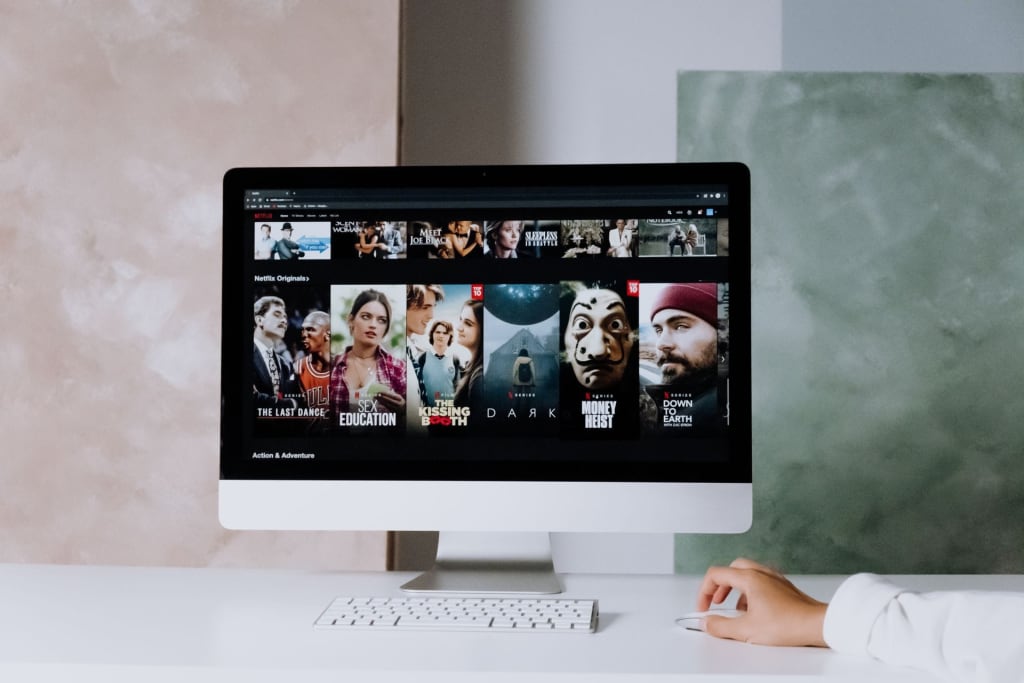
Netflix's engagement report for July through December 2025 says non-English-language titles accounted for more than one-third of viewing on the service. That is meaningful evidence that language is not an absolute obstacle to mass audiences, but the figure belongs to one platform's library, release calendar and measurement rules. Views are not identical to unique subscribers, cultural impact or theatrical attendance.
Squid Game has become an unmistakable international touchstone, while shows from Spain and Japan offer additional examples of stories traveling widely. The stronger conclusion is that an international production can become mainstream within a global platform, not that every local market enjoys the same export opportunities or compensation.
Subtitles and dubbing as creative gateways
Translation determines what a viewer believes they are hearing. Subtitles condense speech, preserve original performances and demand attention; dubbing opens viewing to people who prefer listening in their own language, including some who cannot comfortably read subtitles. Neither route is a neutral copy of the original.
Humor, honorifics, regional accents and culturally specific wordplay may require interpretation. Good localization budgets therefore belong to storytelling, not merely marketing. A translated line can protect a character's intention even when its literal wording changes, while careless translation flattens the distinction between intimacy, politeness and disrespect that a scene was built to convey.
Why the original setting matters
A series does not become universally successful by erasing all signs of its origin. Distinct institutions, family obligations, neighborhood histories and local conflicts can provide precisely the unfamiliar texture viewers want. Squid Game, for example, invites audiences into pressures associated with debt and competition while using a strikingly legible survival-game structure.
The danger is treating cultural specificity as colorful packaging rather than examining what a story means in its own environment. Critics and viewers can recognize emotional universals while still asking what cannot be translated into a quick online summary. Cultural curiosity should not become an excuse to simplify the society represented on screen.
International visibility is not equal opportunity
A global platform can amplify a title while leaving an uneven system of financing, rights and promotion intact. A director with festival access, a distributor with localization funds and a producer with platform relationships may have a route to audiences that another equally inventive filmmaker lacks. Discoverability also favors material that fits platform categories or established genre expectations.
Hollywood's long distribution reach remains powerful, and global success may prompt remakes instead of increased investment in original-language storytelling. To understand whether an industry has genuinely opened, examine who owns the work, who receives residual payments and whether the next project can be financed on fair terms.
The theatrical experience still matters
A streaming chart is not a complete map of cinema. Festival screenings, local theatrical releases and repertory programs shape criticism, awards attention and the communal experience of films. An international art film may have cultural influence disproportionate to its streaming views, while a widely viewed series may not translate into cinema ticket sales.
The challenge for distributors is to preserve different routes to an audience rather than use worldwide streaming reach as the single definition of value. A healthy ecosystem includes cinemas willing to screen subtitled work, accessible rental options, archive preservation and subtitling that treats viewers as curious rather than distracted.
What global audiences can learn
The practical shift is less about abandoning Hollywood than about expanding the frame of comparison. A family drama from Seoul, a crime story from Madrid and an independent film from Lagos may share narrative tools while revealing very different assumptions about community and authority. Comparing them rewards attention to pacing, genre conventions and how characters communicate emotions.
Viewers can follow critics and festivals from the countries in question, explore multiple works by a filmmaker and resist turning one popular production into a verdict on an entire national cinema. Discovery grows richer when success becomes a door, not a stereotype.
How commissioning could evolve
Executives may learn that audiences can follow stories built around unfamiliar settings if plot, character and promotion are compelling. However, copying one hit's violent competition, music style or visual palette is not a durable commissioning strategy. Long-term investment means supporting local writers and crews, preserving creative decision-making and funding multiple genres rather than hunting only for exportable thrillers.
Marketing should supply context without exoticizing the cast. A sustainable international pipeline creates repeatable work for artists, not merely a global moment followed by a wave of derivative imitations.
The balanced outlook
The major change is permission: many viewers now assume a good story might arrive in any language. That assumption lowers one barrier to discovery but does not dismantle inequalities in budgets, distribution or representation. Success is best measured through an assortment of signs—repeat commissions, diverse genres, better localization, visible local cinemas and fairer economic terms.
The most exciting outcome would be not a single global aesthetic but a marketplace where audiences can encounter more distinct voices without their stories having to resemble a previous international hit.
How platform rankings should be read
A 'global top ten' can conceal very different viewing patterns. One title may achieve a concentrated audience across a few huge countries while another attracts smaller groups across many territories. A platform may publish views calculated by dividing total watched hours by runtime, so a longer series and a shorter movie do not measure success in exactly the same way.
Release dates also create unequal windows. Anyone comparing the global footprint of two productions should examine time periods, audience geography and how the platform handles completed versus partial viewing. These caveats do not erase cross-border popularity.
They prevent a useful indicator from becoming a misleading claim that the world now consumes culture uniformly.
Who gets credited for translation
A film's global life depends on people viewers rarely hear about: dialogue translators, subtitle editors, dubbing performers, voice directors and accessibility teams. When budgets or schedules reduce these jobs to mechanical processing, jokes lose structure and characters can sound unlike themselves. It is particularly important to distinguish subtitles intended for translation from captions designed to include sound cues for deaf and hard-of-hearing audiences.
Both serve essential but different access needs. Studios that publicize international reach should also invest in quality localization and meaningful credit. A successful overseas release is not merely a victory for the original production; it is also the accomplishment of the people who helped the work speak in other languages.
A broader definition of success
A global release can inspire local creators even if it never reaches the most-watched list. The success may be a new funding agreement for a regional filmmaker, more festival slots for a national industry, or improved access to subtitled screenings in a country where such films were rarely distributed. These outcomes are harder to compress into one headline than millions of views.
They are also more useful for judging lasting change. Ask whether new production relationships survive the initial hit, whether independent cinemas continue programming unfamiliar voices and whether creators retain sufficient rights to build future projects. Durable cultural exchange requires those quieter infrastructures.
Practical lens: how to evaluate the claim
A useful comparison exercise is to watch two films in the same genre, one originally in English and one in another language, without treating either as the default. Notice how each handles exposition, silence, family conflict and endings. Then read a review written in the film's home market.
That additional perspective can reveal references a translated platform description missed and make appreciation less dependent on promotional claims.
The wider cultural question
Global cinema is not a contest that one language must win. It is an opportunity to broaden who gets heard, what kinds of stories feel familiar and how audiences understand places beyond their own. The challenge is to turn visibility into durable creative opportunity, rather than celebrating a streaming ranking while the same old gatekeepers control what can be made.
Frequently Asked Questions
Is non-English cinema replacing Hollywood?
No. Global streaming reports show strong cross-language viewing, but Hollywood franchises and English-language entertainment remain highly influential. The meaningful trend is expanding audience choice.
Are subtitles always better than dubbing?
Not always. Subtitles maintain original voices, while skilled dubbing improves access for different viewers. Both involve translation choices and should be judged by quality.
Where should beginners start?
Choose one genre you already enjoy, sample acclaimed work from two countries and then explore the directors, writers and local criticism behind those films.