The Return of Guitar Music: What Matters in 2026
Musicguitar music comeback is changing how music is made, discovered and valued. The exciting headlines often hide a more complicated reality: creative choices, industry incentives and everyday listening habits do not always move in the same direction. Here is what matters, where the evidence is str
guitar music comeback is changing how music is made, discovered and valued. The exciting headlines often hide a more complicated reality: creative choices, industry incentives and everyday listening habits do not always move in the same direction. Here is what matters, where the evidence is strongest and which assumptions deserve a closer look.
A comeback does not mean guitars disappeared
Punk, shoegaze, indie rock and heavy guitar music maintained dedicated scenes throughout pop’s synth-heavy cycles. What changes is visibility: younger listeners find older catalogs through playlists and short-form video, while newer artists mix distorted guitars with electronic production and pop writing. A “return” is therefore a shift in attention rather than a resurrection from silence.
The Return of Guitar Music: context and creative trends.
Why texture appeals to a digital audience
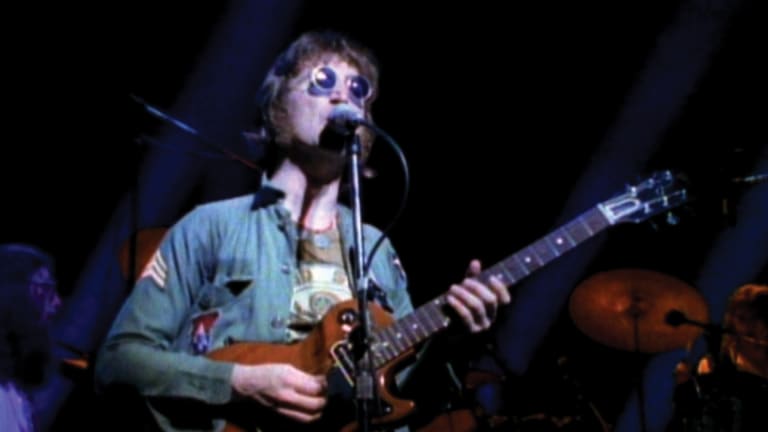
Shoegaze layers effects and blurred vocals to create an immersive field of sound. Punk prizes energy and directness, while indie rock encompasses everything from jangling melodic bands to experimental arrangements. Each offers a different form of physical intensity. Guitars also translate well to intimate live rooms where a crowd can see mistakes, improvisation and performers reacting to one another.
Genre boundaries are increasingly porous
Artists may combine guitar riffs with drum machines, sampled ambience, hip-hop rhythms or hyperpop vocals. That flexibility helps old instruments sound new without claiming every innovative track must feature a guitar. Fans sometimes rediscover bands decades after a release; the renewed interest does not always mean the original scene receives equal credit or financial benefit. Context matters when nostalgia becomes a marketing trend.
Understanding opportunities, limits and industry trade-offs.
Where the real revival happens
Watch independent venues, rehearsal spaces and small labels, not only headline playlists. A robust guitar scene needs affordable practice rooms, reliable touring routes and audiences willing to support emerging acts. Record stores and local media can preserve regional stories that algorithms flatten. The future of guitar music is less about defeating electronic pop than about expanding the number of sounds people feel invited to explore.
What to remember
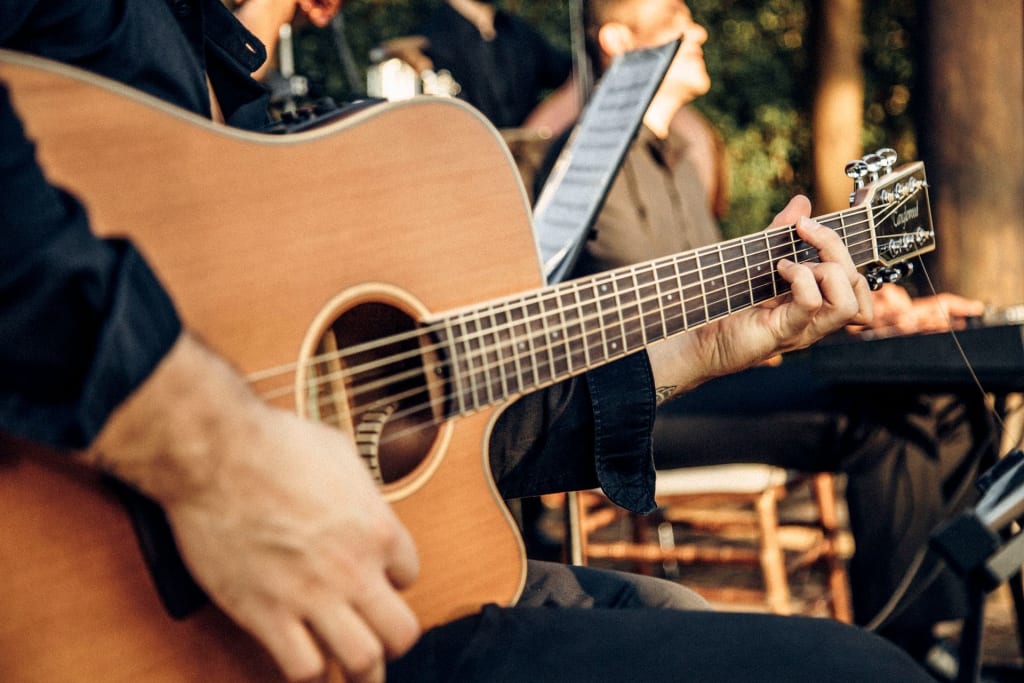
The guitar’s enduring appeal lies in the many fresh textures artists can still build around it. The bigger picture is more useful than one viral trend: listen closely, check claims against credible reporting and follow the people doing the creative work.
Frequently asked questions
Is rock music becoming the dominant genre again?
That depends on the market and definition; growing interest in guitar music does not establish global dominance.
What is shoegaze?
A guitar-centered style known for dense effects, hazy vocals and immersive textures.
Why are older guitar songs trending?
Discovery feeds, social media edits and new generations of fans can revive catalogs.